A Relationship Built Together
A positive dentist-patient relationship is a partnership built on mutual respect, trust, and clear communication. Clinical expertise matters, but so does understanding what a patient is experiencing and making space for questions and concerns. The American Dental Association’s guidance on the doctor-patient relationship describes that relationship as the foundation for recommended and performed care.
The partnership takes shape through every interaction, from a first phone call and greeting to explanations during an appointment and follow-up afterward. Each moment can affect how comfortable and informed a patient feels. Clear, two-way communication helps people understand their care and share details that may guide it, as described in a review of dentist-patient communication.
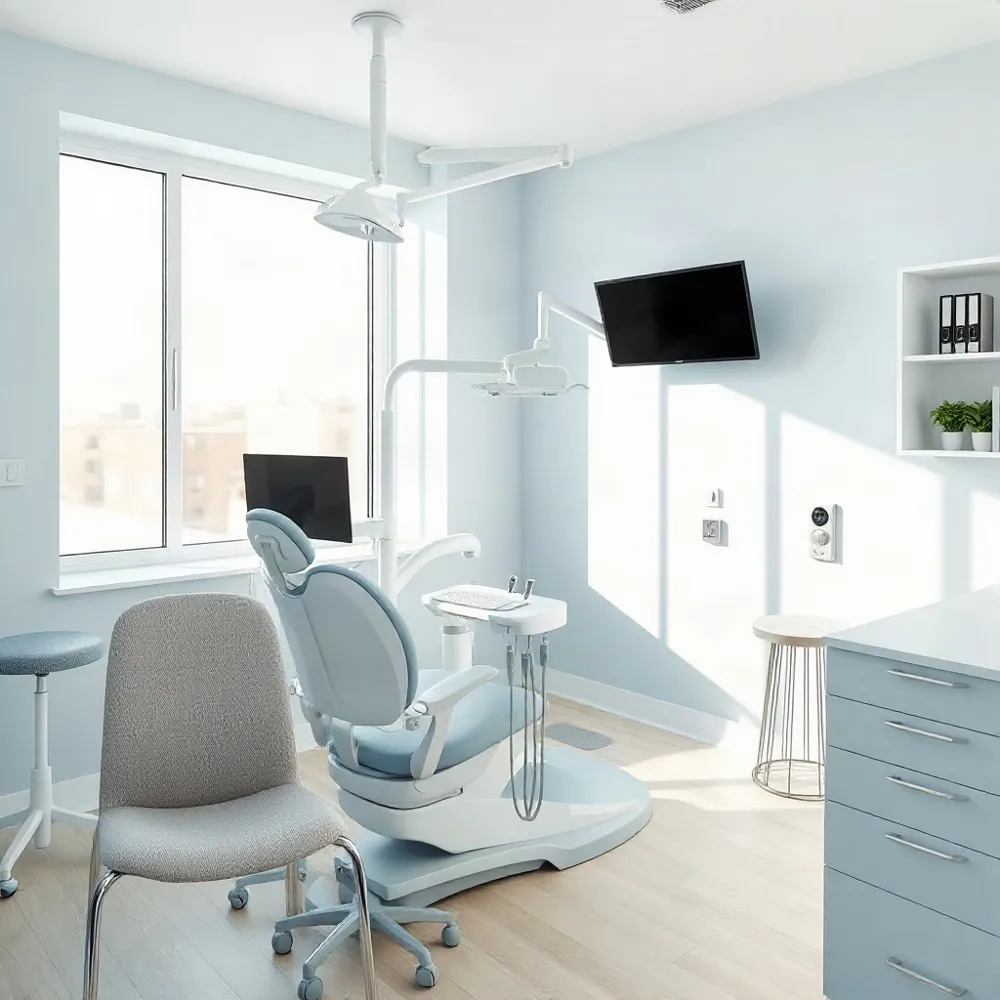
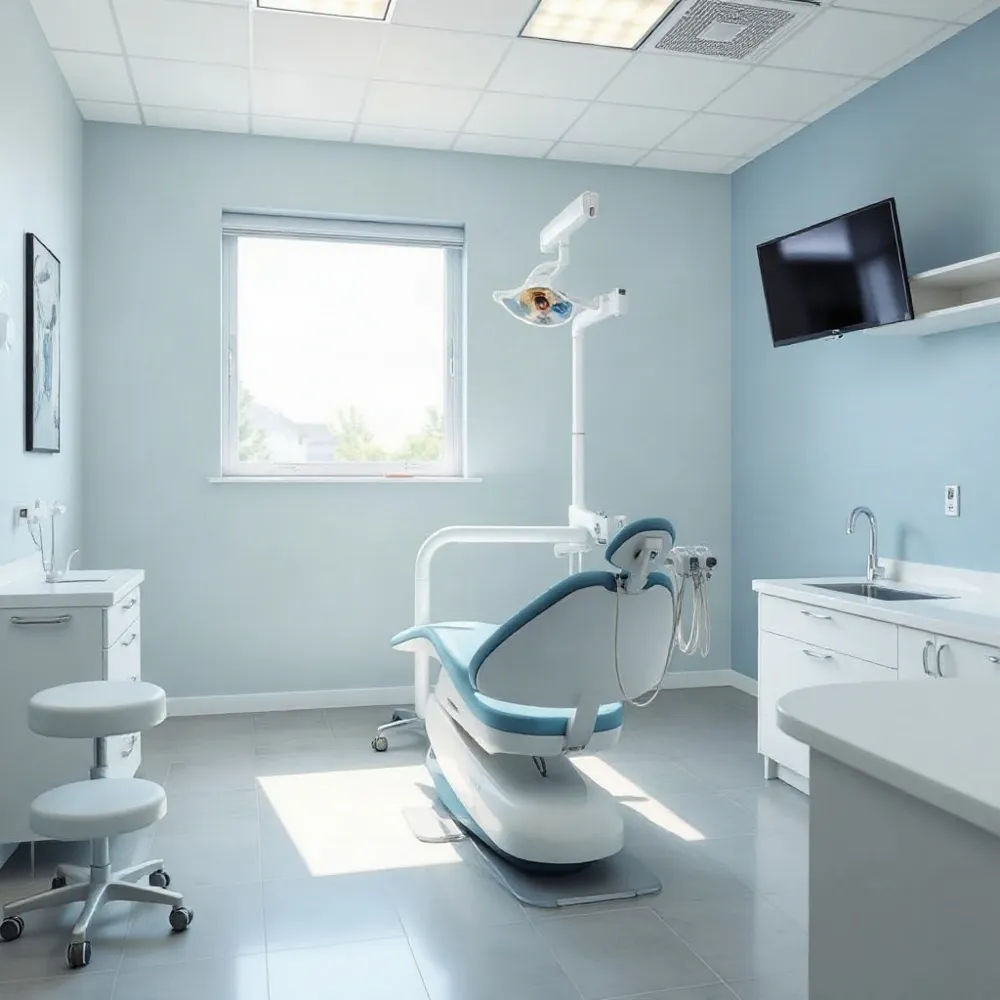
At Veenstra Family Dental in Midland Park, a welcoming atmosphere and modern dental care provide context for relationships built around individual needs. Patients of different ages and backgrounds may bring distinct concerns, preferences, and questions. Taking those differences seriously helps make care a shared conversation, rather than a one-size-fits-all experience.
Care That Starts With the Individual
 Patient-centered dental care begins by treating each person as an individual. A dentist considers oral-health needs alongside a patient’s concerns, preferences, circumstances, and goals, then shapes care around that fuller picture. This is different from assuming that one recommendation or communication style will suit everyone.
The dentist brings clinical knowledge to the conversation, explaining examination findings and reasonable options in accessible language. Patients should have room to ask questions, share what matters to them, and take part in decisions. Research on shared decision making in dental care describes this as combining clinical expertise with each patient’s experiences and preferences.
Personalization also means listening for concerns about comfort, anxiety, health history, and practical circumstances. A patient may need a clearer explanation, time to consider options, or a conversation about how treatment fits daily life. These details help the dental team understand the person, not only the clinical finding.
Medical history, medications, and home-care habits can affect how a dentist assesses oral health and plans appropriate care. Explaining why these questions matter, and reassuring patients that their information is handled confidentially, can support an open and accurate discussion. The American Dental Association’s guidance on the doctor-patient relationship emphasizes clear communication and mutual trust.
For families, individual care means recognizing that children, adults, and older patients may have different needs and questions. Veenstra Family Dental’s family-focused practice in Midland Park, NJ, pairs modern dental techniques with a welcoming atmosphere, grounding care in a setting intended for patients across ages. A respectful conversation helps the team understand what each person needs from a visit.
Communication That Builds Trust
 Trust grows when patients have room to explain what brought them in. Dentists can listen without interrupting, ask open-ended questions, and notice cues such as a hesitant voice or tense expression. Summarizing what a patient has said and asking whether the summary is accurate helps confirm understanding. A review of dentist-patient communication describes attentive listening and clear information-sharing as central to quality care (2025 review).
Clear explanations make it easier to understand a diagnosis, procedure, and available choices. Plain, concise language, along with radiographs, models, or written instructions when useful, can make unfamiliar information easier to follow. At Veenstra Family Dental, modern dental technology supports care, while explanations tailored to each patient help connect clinical findings with what they mean in everyday terms.
Patients may be unsure about discomfort, timing, cost, or whether a recommended treatment fits their needs. A calm, nonjudgmental response and an invitation to ask questions can help bring those concerns into the conversation. The American Dental Association advises dentists to discuss misunderstandings about treatment goals, risks, and fees openly; a complaint may point to a communication gap rather than poor clinical competence (ADA guidance on the doctor-patient relationship).
A welcoming experience depends on the whole dental team, from reception staff to hygienists and assistants, not only on the dentist. Taking enough time for questions and listening can help patients feel respected and understood. Veenstra Family Dental serves patients of all ages in a family-focused setting, where courteous interactions and clear communication support a comfortable visit.
Choosing a Plan in Partnership
 A treatment recommendation is a starting point for a conversation, not a decision patients need to accept without discussion. Shared decision-making brings together the dentist’s clinical expertise and the patient’s knowledge of their own experiences, preferences, and circumstances. Research on patient-centered dental care describes this collaboration as a way to shape a plan around both clinical needs and what matters to the patient. Shared decision-making in dental care
The discussion begins with a clear explanation of the diagnosis and the reasonable options. The dentist can describe potential benefits and harms, likely outcomes, costs, and what might happen if treatment is delayed or not pursued. At Veenstra Family Dental, care is tailored to patients across ages, making it useful to discuss how each option fits a person’s health needs and daily life.
Patients can weigh priorities such as comfort, appearance, timing, budget, and any concerns shaped by past experiences. Questions are welcome, and the dentist can check that the choices and trade-offs are clear. Professional responsibility remains with the dentist: collaboration does not mean recommending care that is not clinically appropriate. The American Dental Association’s guidance on the patient relationship emphasizes clear communication as a foundation for care.
A decision does not always have to be made during the first conversation. The next step may be gathering more information, considering the options, or postponing a choice when that is clinically reasonable. The plan can also be revisited if a patient’s health, preferences, or circumstances change. Collaborative decisions may help care better reflect a patient’s needs, but satisfaction or follow-through is not guaranteed; clear discussion gives patients a sounder basis for choosing.
For more on how patient preferences can shape a care plan, see choosing a plan in partnership.
Making Room for Dental Anxiety
Dental anxiety can have different causes and levels of intensity. Past experiences, fear of pain, unfamiliar sounds or instruments, embarrassment, or feeling a loss of control may all contribute. The American Dental Association describes open communication and mutual respect as foundations of a positive dentist-patient relationship.
Patients can tell the dental team what worries them, even if they are unsure what would help. Listening without judgment, explaining each step in plain language, and checking in during treatment can make the experience more predictable. Patients and the team can also agree on a signal to pause so the patient has a way to ask for a break.
Clear explanations, empathy, and enough time for questions can help patients feel informed and supported, though they cannot guarantee that anxiety will go away. A review of dental communication strategies notes that reassurance and understandable explanations can help address fear and support patient comfort (literature review).
Depending on the procedure and the patient’s needs, modern comfort measures, careful numbing, or relaxation strategies may be worth discussing with the dentist. At Veenstra Family Dental, patients of all ages can share what makes visits difficult and discuss ways to make care feel more manageable in a welcoming setting.
For more on how past experiences and other concerns can shape dental anxiety, see ways to understand and manage dental anxiety.
When Patients Need More Time
Yes. You may decline or postpone recommended dental treatment. Before deciding, ask your dentist to explain why the care is recommended, its potential benefits and risks, available alternatives, and what could happen if you wait or do not proceed. The American Dental Association’s guidance on the doctor-patient relationship encourages open discussion when concerns arise.
Tell your dentist what is giving you pause, whether it is discomfort, cost, timing, or uncertainty. At Veenstra Family Dental, compassionate, personalized care means making space for questions and offering professional guidance without taking the decision out of your hands. You can also read more about understanding and honoring patient choices.
Some dental problems may worsen while treatment is delayed, but the course varies. Ask what symptoms to watch for, when to follow up, and whether a different approach or later appointment is appropriate. A clear follow-up plan helps you know when to get back in touch.
If an experience has disappointed you or something has gone wrong, explain your concern and ask what can be done. A dentist should listen, be candid, and recommend appropriate remedial steps. If an urgent specialist referral is needed, the office should help arrange it rather than leaving you to coordinate alone.
A Lasting Partnership in Care
A lasting dentist-patient relationship grows through everyday interactions: listening without judgment, explaining findings honestly, and treating the patient as a partner in care. The American Dental Association describes mutual respect and clear communication as foundations of this relationship, which supports both preventive and restorative care (ADA guidance on the doctor-patient relationship).
Patients can help shape that partnership by sharing concerns, asking questions, and explaining what matters to them. A review of dental communication research describes how clear, two-way conversations can help patients understand their options and take part in decisions (review of dentist-patient communication).
At Veenstra Family Dental in Midland Park, care is designed for patients across ages, with modern dental technology and a compassionate, welcoming approach. Open conversation helps the team understand each person’s needs and preferences as care is discussed.
Whether you are visiting with a child, maintaining your own oral health, or bringing questions about a recommended treatment, feel welcome to speak with your dental team. Personalized professional care begins with understanding the person behind the appointment.