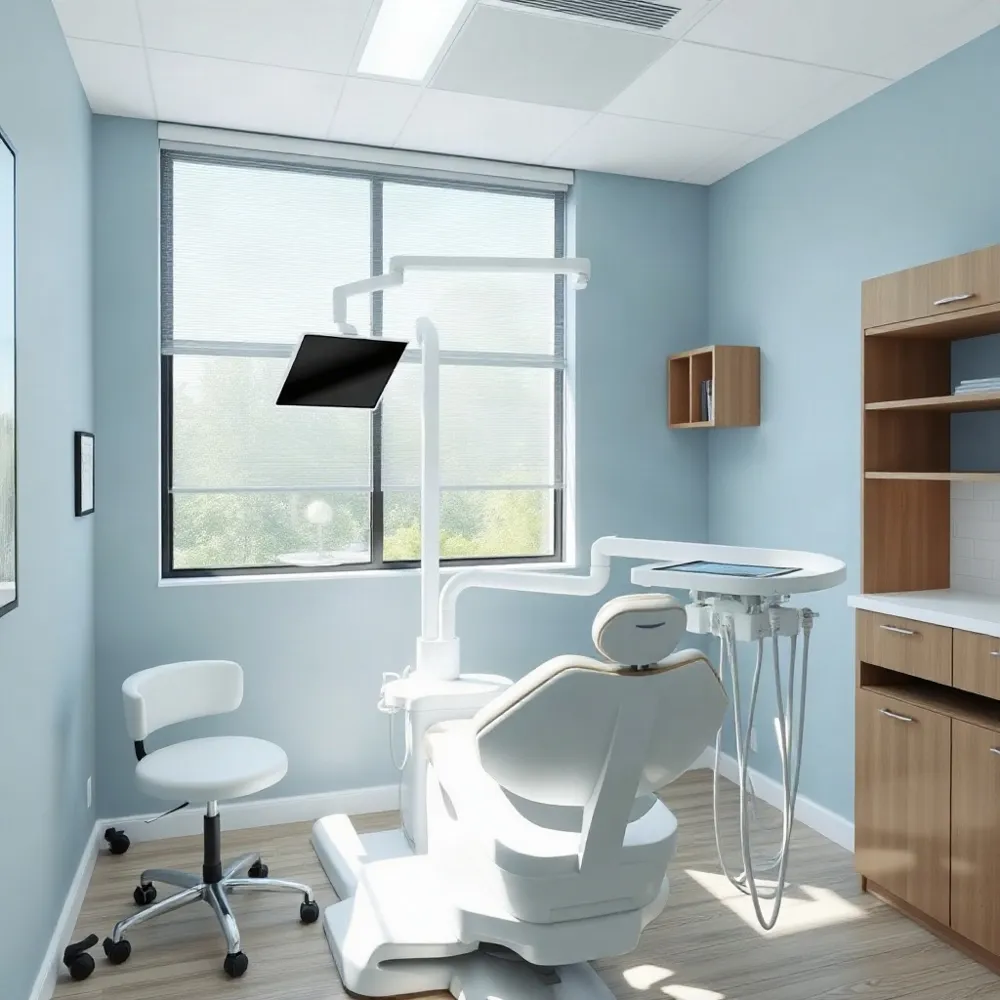
Understanding the Scope of Family Dentistry
Definition of Family Dentistry
Family dentistry is a branch of dental care focused on providing comprehensive oral health services to patients of all ages—from infants to seniors. It encompasses a wide range of treatments including preventive care, restorative procedures, cosmetic enhancements, and emergency services.
Importance of Comprehensive Care for All Ages
Having a single dental provider capable of treating the entire family ensures continuity of care. It supports early detection and prevention of dental issues at every stage of life. Family dentists tailor treatments to address the unique needs of each age group, such as gentle approaches for children and specialized care for seniors.
Benefits of a Single Family Dental Provider
Choosing one family dentist allows appointments for multiple family members to be scheduled together, saving time and simplifying record management. It builds trust and comfort among patients, especially children, by creating a familiar, friendly environment. Personalized care plans are developed based on collective family dental histories, allowing for better prevention and treatment outcomes.
Key Facts List: Preventive and Family Dentistry
- Regular dental cleanings and exams are essential for maintaining healthy teeth and gums with visits every six months.
- Dental X-rays enable early detection of hidden issues like cavities, bone loss, or impacted teeth, helping prevent serious problems.
- Fluoride treatments strengthen enamel and sealants create a protective barrier on molars to prevent cavities, especially for children.
- Family dentists offer nutritional counseling and oral hygiene education to promote lifelong good oral health habits.
- Fillings treat cavities by removing decay and filling with tooth-colored composites or porcelain, restoring function and appearance.
- Dental crowns and bridges protect damaged teeth and restore shape and strength, with bridges filling gaps from missing teeth.
- Root canal therapy eliminates infection, saving natural teeth and relieving pain by removing damaged pulp inside teeth.
- Dental implants replace missing teeth roots with metal posts topped by crowns, providing natural look and stability.
- Early orthodontic assessments around age six may identify bite issues early, enabling timely treatment for better outcomes.
- Modern dental technology, including digital X-rays, 3D CBCT scans, and same-day CEREC crowns, enhance accuracy, comfort, and efficiency of dental care.
1. Preventive Dental Care: The Foundation of Oral Health

Routine cleanings and exams
Regular Dental cleanings and exams are essential to maintaining healthy teeth and gums. These appointments help remove plaque and tartar buildup, preventing cavities and gum disease. Most Family-oriented dental care recommend visits every six months to monitor oral health.
Dental X-rays for early detection
Dental X-rays allow dentists to identify issues not visible during a visual exam, such as cavities between teeth, bone loss, or impacted teeth. Early detection helps in preventing more serious problems.
Fluoride treatments and sealants
Fluoride treatments strengthen tooth enamel, making it more resistant to decay, while Dental sealants application create a protective barrier on molars to prevent cavities, especially in children.
Nutritional counseling and oral hygiene education
Family dentists provide guidance on diet and proper oral hygiene advice, including brushing and flossing techniques. This education helps patients of all ages maintain good oral health and avoid future dental issues.
2. Restorative Dentistry: Repairing and Rebuilding Smiles

What Are Fillings and How Do They Treat Cavities?
Fillings are used to treat tooth decay by removing the decayed portion and filling the cavity with tooth-colored composite resins or porcelain. This restores the tooth's function and appearance while preventing further damage.
How Do Dental Crowns and Bridges Help?
Dental crowns and bridges act as caps to protect damaged teeth and restore their shape and strength. Bridges fill gaps left by missing teeth by anchoring artificial teeth to adjacent natural teeth or implants, improving biting and speech.
What Is Root Canal Therapy?
Root canal therapy removes infected or damaged pulp from inside a tooth to eliminate infection and save the natural tooth. It helps relieve pain while preventing tooth loss.
What Are Dental Implants and Dentures?
Dental implants and dentures replace missing tooth roots with metal posts topped with crowns for a natural look and feel, without affecting adjacent teeth. Dentures provide removable or fixed options to replace multiple missing teeth, restoring comfort and function.
These restorative treatments in family dentistry help maintain oral health by repairing damage and replacing missing teeth, thereby rebuilding confident and healthy smiles for patients of all ages.
3. Cosmetic Dentistry: Enhancing Your Smile’s Appearance

What Professional Teeth Whitening Offers
Professional teeth whitening is a popular cosmetic dentistry service that safely removes stains and discoloration to brighten your smile. Available at many family dentistry in Minneapolis clinics, it is typically performed in-office for quick, noticeable results that over-the-counter products cannot match.
How Porcelain Veneers and Dental Bonding Improve Your Smile
Porcelain veneers are thin shells bonded to the front of teeth, correcting issues such as chips, cracks, and discoloration. Dental bonding uses resin materials to restore the appearance of damaged teeth. Both procedures create a natural look, enhancing your smile’s aesthetics while preserving tooth structure.
Invisalign and Orthodontic Consultations for Teeth Alignment
Invisalign treatments offer a discreet alternative to traditional braces, using clear aligners to gradually straighten teeth without affecting your diet or lifestyle. Family dentists commonly provide orthodontic consultations to assess alignment needs and determine the most suitable treatment plan for children and adults alike.
Gum Lifts and Reshaping for a Balanced Smile
Gum lift procedures help improve the gum line’s appearance, addressing issues like excessive gum tissue or unevenness. These treatments contribute to a harmonious smile by enhancing the balance between teeth and gums.
Cosmetic dentistry services in family dental practices combine modern techniques with personalized care, ensuring both children and adults enjoy a confident, vibrant smile in a comfortable environment.
4. Pediatric Dentistry: Specialized Care for Young Patients

Early Dental Exams Beginning with First Tooth
Pediatric dentistry encourages early dental visits starting by a child's first birthday or within six months after the first tooth appears. These early exams set the foundation for lifelong oral health by allowing dentists to monitor development and catch potential issues early. Learn more about Comprehensive dental checkups.
Sealants and Cavity Prevention
Sealants are a protective coating applied primarily to children's molars to shield them from cavities. Combined with Fluoride treatments and personalized hygiene education, sealants play a crucial role in preventing tooth decay during childhood. For detailed information, visit Preventive dental care.
Orthodontic Evaluations Starting at Age Six
Around age six, children benefit from Orthodontics evaluations to assess alignment and jaw growth. Early assessments allow family dentists to recommend timely interventions like braces or Invisalign, promoting proper dental development. Additional insights can be found at Orthodontics.
Gentle Care to Reduce Dental Anxiety
Family dentists apply a gentle, patient-focused approach tailored for young patients. This compassionate care reduces dental anxiety and helps foster positive attitudes toward dental visits, making treatment easier and more comfortable for children. Explore Patient comfort and personalized care.
5. Emergency Dental Services: Immediate Care When It Matters Most

How Does Family Dentistry Handle Emergencies Like Toothaches and Broken Teeth?
Family dentistry services] prioritize urgent care by offering same-day appointments for issues such as severe toothaches, chipped, or broken teeth. Prompt treatment alleviates pain and prevents complications, ensuring patient comfort and personalized care].
What Emergency Procedures Are Available?
Emergency dental services] often includes infection management, urgent extractions when a tooth cannot be saved, and temporary restorations like crowns or fillings to protect affected teeth until permanent treatment can be done.
How Does Immediate Pain Relief Fit Into Emergency Dental Care?
Pain relief is a key focus during emergency visits, with dentists using gentle techniques and sedation options when needed to reduce discomfort effectively. This aspect of care is well-addressed in [emergency dental services].
Why Choose Family Dentistry for Emergency Dental Needs?
With services tailored for all ages and conditions, [Benefits of family dentistry] provide comprehensive, compassionate care in a welcoming environment — making immediate dental attention accessible when patients need it most.
6. Periodontal Care: Protecting Gum and Bone Health
What is involved in gum disease screening and treatment?
Gum disease screening is a routine part of family dental exams where dentists check for signs of gum inflammation, bleeding, and bone loss. Early detection enables timely treatment to prevent progression.
How do deep cleanings like scaling and root planing help?
Deep cleanings remove plaque and tartar buildup below the gumline, which regular cleanings cannot eliminate. Scaling and root planing smooth the tooth roots to promote gum reattachment and reduce bacterial infection. These treatments are part of periodontal care.
When is laser gum surgery used in periodontal care?
Laser gum surgery is a minimally invasive treatment option used to remove infected gum tissue, reduce bacteria, and promote healing. It offers less discomfort and faster recovery compared to conventional surgery and is included in advanced periodontal care.
How can gingivitis and periodontal disease be prevented?
Preventive measures include regular dental checkups every six months, professional cleanings, proper brushing and flossing, fluoride treatments, and lifestyle habits like avoiding tobacco. Early intervention and patient education are vital for long-term gum health.
7. Orthodontic Services: Aligning Teeth Naturally and Discreetly
Traditional Braces and Clear Aligners like Invisalign
Orthodontic services in family dentistry include traditional braces and modern clear aligners such as Invisalign treatments. Traditional braces use brackets and wires to gradually straighten teeth, while Invisalign treatments offer a discreet alternative with removable, nearly invisible aligners. These options cater to various needs and preferences for teeth alignment.
Early Orthodontic Assessments
Family dentists recommend early orthodontic assessments starting around age six. Early evaluation helps detect potential bite issues or misalignments, allowing timely interventions and more effective treatment outcomes. Learn more about Orthodontics.
Bite Reclamation and Correction
Bite reclamation procedures is a key orthodontic service aimed at correcting bite problems, such as overbite, underbite, or crossbite. Proper bite alignment improves oral function and prevents future dental complications.
Maintaining Oral Health During Orthodontic Treatment
Maintaining excellent oral hygiene throughout orthodontic treatment is crucial. Family dentists guide patients on brushing, flossing, and Preventive dental care to avoid cavities, gum disease, and other issues while wearing braces or aligners.
8. Oral Surgery: Advanced Procedures for Complex Needs
What Oral Surgery Services Do Family Dentists Provide?
Family dentistry often includes oral surgery procedures to address more complex dental needs. Commonly performed surgeries include tooth extractions, such as the removal of wisdom teeth when they are impacted or causing issues. These procedures help prevent future complications and maintain oral health.
How Are Dental Implants Used in Oral Surgery?
Implant surgeries are advanced restorations designed to replace missing teeth by surgically placing metal posts into the jawbone. These implants serve as sturdy foundations for crowns or bridges, restoring both function and appearance without affecting adjacent teeth.
How Is Patient Comfort Managed During Oral Surgery?
To ensure patient comfort and reduce anxiety, family dental practices utilize sedation techniques and anesthesia, including options like nitrous oxide (laughing gas) or intravenous sedation. This allows patients to undergo procedures comfortably, sometimes even unconscious, especially during more invasive surgeries.
What Other Conditions Are Treated Through Oral Surgery?
Oral trauma , such as injuries from accidents or sports, can be treated effectively with oral surgery techniques. Additionally, some family dentists provide specialized treatments like laser gum surgery and TMJ disorder therapy to address complex oral health challenges.
9. Technology-Enhanced Dental Care: Modern Tools for Precision and Comfort
Use of digital X-rays and 3D CBCT imaging
Digital X-rays offer quicker, safer, and more accurate detection of dental issues like cavities, bone loss, and wisdom teeth positioning. Three-dimensional 3D CBCT imaging provides detailed scans to aid in precise diagnosis and treatment planning. Learn more about these advanced dental technologies at Midland Park Family Dentistry.
Same-day crowns with CEREC technology
Advancements like CEREC technology allow for the design and placement of porcelain crowns in a single visit, minimizing discomfort and reducing multiple appointments. For more on CEREC same-day crowns, visit Midland Park Family Dentistry.
Laser dentistry techniques
Laser tools such as the Solea CO2 Laser offer minimally invasive dentistry techniques for procedures like fillings and gum surgery, promoting less pain and faster healing times. Discover these minimally invasive dentistry techniques at Midland Park Family Dentistry.
Intraoral cameras and real-time imaging
High-definition intraoral cameras enable dentists to display live images during examinations, enhancing patient understanding and involvement in their care decisions. Explore more about high definition intraoral cameras and real-time dental imaging technologies at Midland Park Family Dentistry.
By integrating these cutting-edge technologies, family dental practices provide personalized, efficient, and comfortable dental care that benefits patients across all ages. Discover comprehensive and modern family dental services at Midland Park Family Dentistry.
10. Customized Patient Care and Education: Building Lifelong Oral Health Habits
Personalized dental care plans
Every patient has unique dental needs, which is why Benefits of a family dentist emphasize personalized care plans. These plans consider your medical history, dental condition, and lifestyle to tailor treatments that efficiently maintain or restore your oral health.
Patient education on hygiene and diet
Dentists provide practical guidance on maintaining good oral hygiene and making healthy dietary choices. Education covers proper brushing and flossing techniques, the benefits of fluoride and sealants, and recommendations to minimize decay-causing foods and drinks. Instilling these habits early supports lifelong dental health, as discussed in Crowns and fixed dental bridges.
Addressing dental anxiety with sedation options
Understanding that many patients experience dental anxiety, some family dental clinics offer sedation dentistry. Options such as nitrous oxide (laughing gas) or monitored sedation help patients feel relaxed and comfortable during procedures, enabling care without fear or discomfort.
Flexible scheduling and family appointments
Benefits of family dentistry value convenience by offering flexible scheduling. They allow multiple family members to book appointments simultaneously. This approach not only saves time but also fosters a supportive environment where patients of different ages receive coordinated, continuous care under one roof.
The Vital Role of Comprehensive Family Dentistry Services
Comprehensive Services for Every Age
Family dentistry offers a wide spectrum of dental care tailored to all ages, from infants to seniors. Services include routine checkups, cleanings, preventive treatments like fluoride and sealants, and restorative care such as fillings, crowns, and implants. Cosmetic options including teeth whitening and orthodontic treatments like Invisalign are also part of the care spectrum, alongside emergency services for unexpected dental issues.
Lifelong Oral Health with Continuous Care
Visiting a family dentist ensures consistent monitoring and maintenance of oral health throughout life's stages. Regular six-month checkups help detect problems early, while personalized preventive advice supports lasting oral wellness. Trust and comfort grow as children see their family receiving gentle, comprehensive care together.
Benefits of Choosing a Family Dentist
Having one dedicated family dentist simplifies appointments, fosters tailored treatment plans, and encourages open communication. This holistic approach helps families maintain healthy smiles, prevents dental anxiety, and ensures that each member receives compassionate, professional care in a welcoming environment, making oral health an achievable priority for all.