
A Snack Can Support Healthy Teeth
Snack choices can support a child’s oral health, especially when they favor nourishing foods over frequent sugary or sticky treats. Mouth bacteria use sugars and starches to produce acids that attack enamel, while fiber-rich fruits and vegetables can stimulate saliva and help clear food particles, as explained by Nationwide Children’s Hospital.
Timing matters, too. Grazing throughout the day can mean repeated exposure to food and acids, so offering snacks at planned times and water between them is a practical habit. The American Dental Association’s advice on children’s sugary snacking also favors water and plain milk over sugary drinks.
No single snack can prevent cavities, and even nutritious foods are only one part of care. A balanced diet works alongside brushing, flossing, and regular dental visits. At Veenstra Family Dental in Midland Park, children and adults receive personalized care in a welcoming, family-focused practice, helping families build routines that fit their needs.
Build Snacks Around Tooth-Friendly Foods
 A useful snack routine offers variety rather than relying on one supposedly perfect food. Try fresh vegetables, cheese, plain yogurt, hard-boiled eggs, or apple slices with natural peanut butter. These choices can fit into a balanced diet while limiting added sugar.
Crunchy produce encourages chewing and saliva flow, which helps rinse food particles from the mouth. It is not a substitute for brushing. Cheese and plain yogurt provide calcium, while eggs supply protein and other nutrients that support teeth. The American Dental Association’s guidance on reducing sugary snacking explains how sugar exposure can contribute to enamel damage.
Limit sticky sweets and dried fruit, which can cling to tooth surfaces, along with sweetened yogurt and sugary or acidic drinks. Crackers and chips may also leave starchy residue that bacteria can use. Water with snacks is a simple choice; setting regular snack times instead of grazing throughout the day can reduce repeated exposure. Even nutritious foods are best enjoyed as part of meals and planned snacks, rather than eaten continually.
At Veenstra Family Dental, care is personalized for children and families, and the team can discuss snack choices in the context of a child’s oral health and individual needs. For more ideas on foods that support teeth, see this guide to tooth-friendly foods for children.
Choose Drinks and Foods That Nourish Teeth
 A varied diet can supply nutrients that help support growing teeth. Milk, cheese, plain yogurt, leafy greens, and eggs offer calcium or phosphorus, while nuts and seeds can be options when they are safe for a child’s age and chewing ability. These minerals help maintain tooth enamel, and dairy foods can also encourage saliva, which helps clear food particles and neutralize acids. Nationwide Children’s Hospital’s guide to foods for healthy teeth explains how saliva and these nutrients support teeth.
Apples, carrots, and celery add produce and texture to a snack. Chewing these foods stimulates saliva and can help wash away food debris, though it does not replace brushing. Fatty fish and foods fortified with vitamin D can also contribute to a balanced diet, since vitamin D helps the body absorb calcium.
Water is a practical drink with meals and snacks. Fluoridated tap water can help strengthen teeth, while water also rinses away food particles. Frequent juice, soda, and sports drinks expose teeth to sugar or acid, so they are better limited; the American Dental Association’s guidance on reducing sugary snacking recommends water and plain milk as preferred drinks for children.
Food choices work alongside daily care, not in place of it. At Veenstra Family Dental, children and families receive professional dental care in a welcoming, family-focused setting. Regular brushing with fluoride toothpaste, cleaning between teeth, and dental checkups remain part of supporting a child’s oral health.
Make Daily Cleaning a Consistent Routine
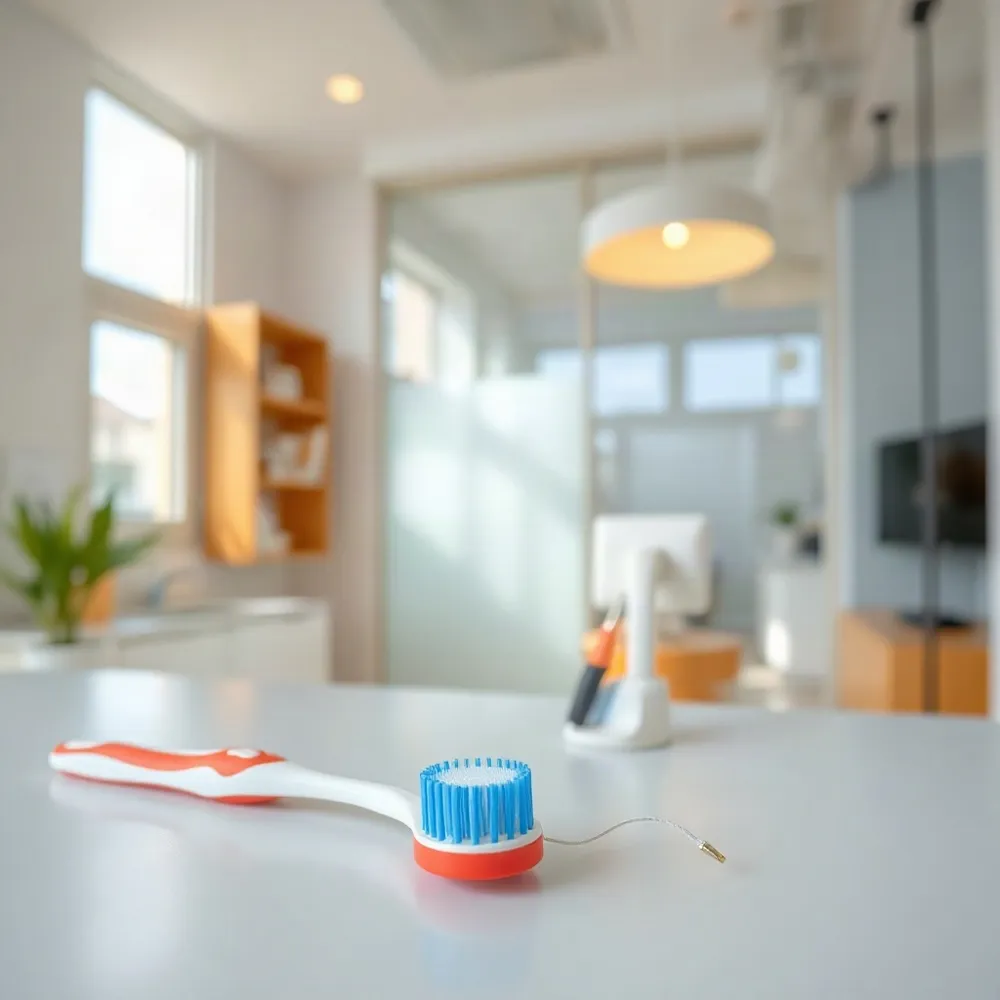 Plaque is a soft, sticky film that builds up on teeth. Regular brushing can remove it before it hardens, but young children often need help reaching every surface.
Brush twice a day for two minutes with a soft-bristled, age-appropriate toothbrush and fluoride toothpaste. Use gentle strokes along the gumline and across the front, back, and chewing surfaces of each tooth. For children under three, use a smear of toothpaste; for ages three to six, use a pea-sized amount. Ask a dentist or doctor about fluoride toothpaste for children under two.
Stay nearby and assist until your child can brush thoroughly without help. Clean between teeth once they touch, using floss or another age-appropriate tool. The American Dental Association’s guidance on children’s sugary snacking also emphasizes brushing twice daily and cleaning between teeth as part of everyday care.
Keep the Brushing Advice Age Appropriate
The “3-3-3 rule” has no single standard meaning. It may describe brushing three times a day for three minutes and replacing a toothbrush every three months, but other versions differ. Treat it as a memory aid, not a substitute for guidance tailored to your child.
For most children, a dependable routine is brushing twice a day for two minutes with fluoride toothpaste and a soft-bristled, child-sized toothbrush. An adult should supervise and help young children, since they may not yet brush thoroughly on their own. Veenstra Family Dental provides family-focused care for children, with advice suited to each patient’s needs.
Use a rice-grain-sized smear of toothpaste for children under age 3 and a pea-sized amount from ages 3 to 6. Begin cleaning between teeth once they touch. Ask your child’s dentist when to start and whether fluoride mouth rinse or any other steps are appropriate. For more on children's brushing habits, see age-appropriate oral hygiene guidance.
Understand Yellowing Before Seeking Treatment
A child’s permanent teeth may look yellower than baby teeth because they contain more dentin, the layer beneath the enamel. Some color difference is normal and does not automatically mean a tooth needs treatment.
Help your child brush twice a day with an age-appropriate amount of fluoride toothpaste, and supervise or assist until they can clean thoroughly. Floss once teeth touch. Limiting sugary drinks and frequent snacking supports oral health, while water after meals can rinse away food and drink residue. The American Dental Association’s advice on sugary snacking explains why repeated sugar exposure can harm teeth. Guidance on preventing cavities early offers more on everyday habits.
Arrange an exam if discoloration persists, appears suddenly, or occurs with spots, pain, or sensitivity. A dental professional can assess possible causes, including plaque, decay, or injury. At Veenstra Family Dental, care is personalized for patients of all ages, allowing concerns to be assessed in a family-focused setting.
Avoid whitening products and home remedies unless a dentist recommends them. Because a child’s teeth and symptoms vary, a professional assessment can help determine an appropriate response without relying on unsupervised treatments.
Protect Teeth With Everyday Habits
Food choices are only part of prevention. The American Dental Association explains that mouth bacteria use sugar to produce acid, which can erode tooth surfaces and contribute to decay. Frequent snacking and prolonged sipping can extend those acid exposures, so offer water between meals and keep sugary foods and drinks occasional.
A steady home routine matters too. Help your child brush twice a day for two minutes with fluoride toothpaste, supervising until they can clean thoroughly and use the right amount. For children under three, use a smear about the size of a grain of rice; for ages three to six, use a pea-sized amount. Ask a dentist or doctor about fluoride toothpaste for children under two. Once two teeth touch, clean between them daily.
At Veenstra Family Dental in Midland Park, care is tailored to each child’s needs and delivered in a welcoming, family-focused setting. A dentist can consider your child’s age and cavity risk when advising on daily care, including whether professional fluoride treatments or dental sealants may be appropriate.
Habits do not need to change all at once. Families can build a manageable routine gradually and ask their dental team for guidance that fits their child’s development and needs.
Small Choices Add Up
Tooth-conscious snacks and water can support a child’s smile, but they do not replace daily brushing and flossing. The American Dental Association’s guidance on children’s snacking also stresses limiting frequent exposure to sugary foods and drinks.
Every child’s age, habits, and dental needs are different. At Veenstra Family Dental in Midland Park, families can discuss practical care with a dental team offering personalized services for children and adults. A professional can help tailor advice about food, cleaning, and checkups to your child.