Comfort Starts With the Chair
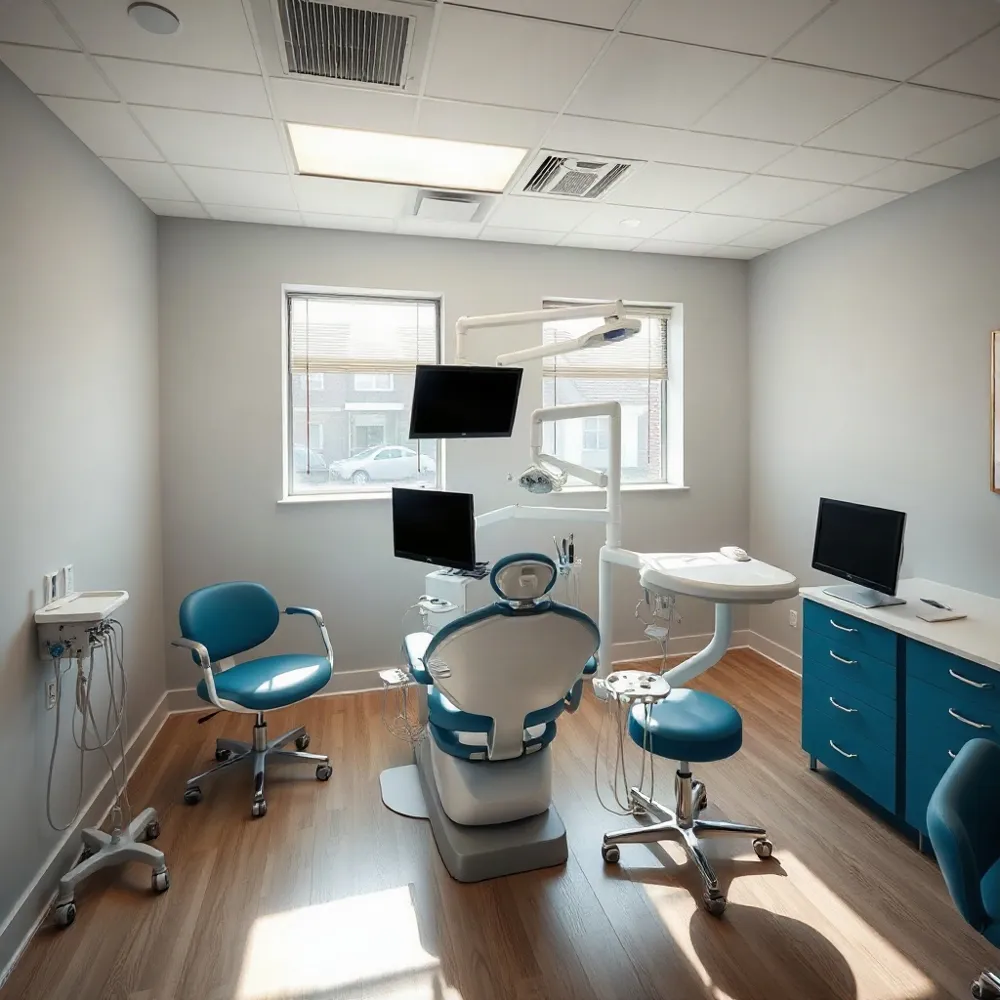
A dental chair does more than hold a patient during treatment. It supports the head, back, and legs while helping the dental team see and reach the mouth. How the chair feels can shape the visit, especially when someone is nervous or needs to stay in one position for a while.
Comfort is personal. A position that feels fine to one person may leave another with pressure in the neck, back, or knees. At Veenstra Family Dental, care for patients of all ages begins with a welcoming, attentive approach, so patients can share what feels comfortable and what does not.
The chair is only one part of feeling at ease. Clear explanations and a chance to ask questions can help patients know what to expect. This guide looks at treatment positioning, adjustments for different needs, the team’s role, and ways modern technology can support care. Equipment can assist with positioning, but the dental professional remains responsible for choosing appropriate settings and guiding treatment.
Support That Adapts to You
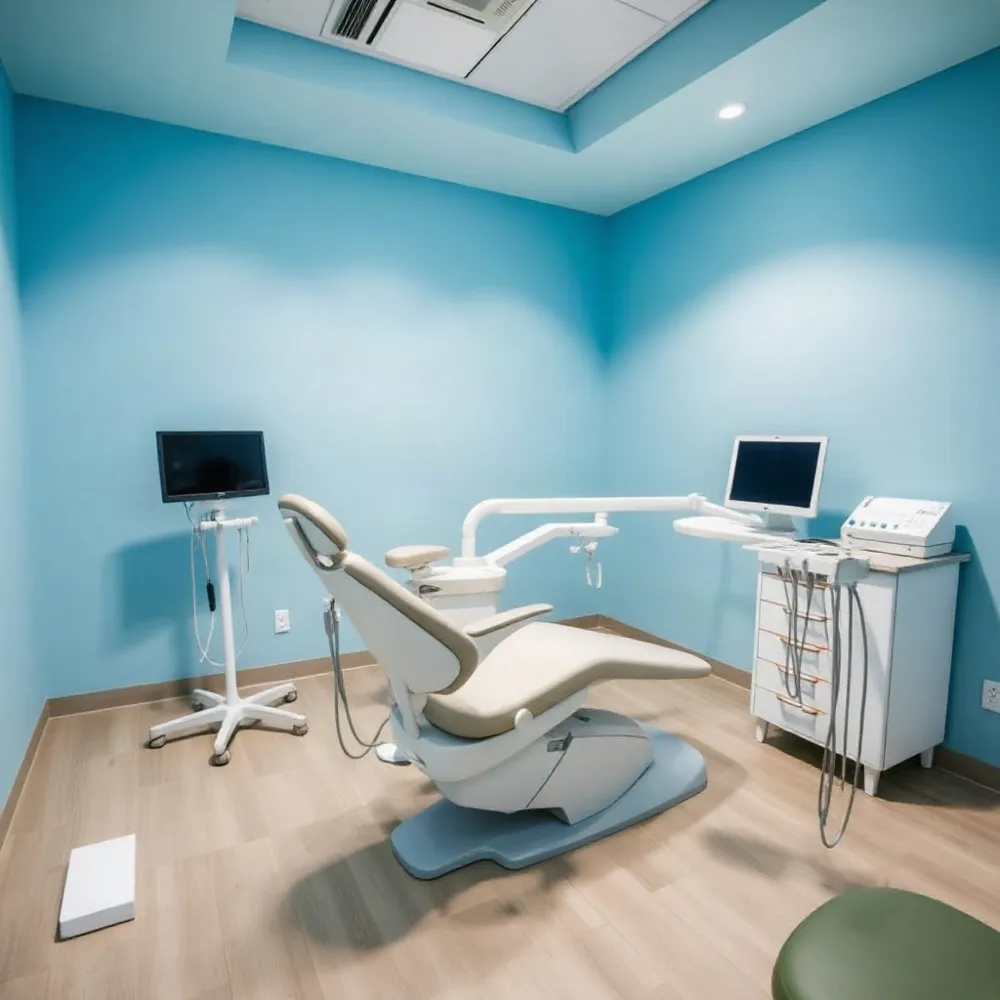 A dental chair should support more than one resting position. Supportive cushioning and a backrest that follows the body can make it easier to settle in, while adjustable headrests, armrests, and leg rests let the team adapt the chair to your needs. At Veenstra Family Dental, care is personalized for patients of all ages, so sharing what feels comfortable can help the team tailor your visit.
Headrest adjustments also help the dental team position your head to reach different areas of the mouth. Movable armrests can make getting into and out of the chair easier, which may be especially helpful if movement is difficult. If you have a mobility concern or need extra time to settle, let the team know before treatment begins.
Staying in one position during an extended appointment can become uncomfortable. Suitable support for your back, neck, and legs, along with small position changes or breaks when appropriate, may help ease pressure. Some patients may also benefit from a pillow or another simple adjustment, though options vary by practice and situation.
Comfort differs from person to person. Tell the dental team if a position causes discomfort or if you have needs related to body size, age, pregnancy, dizziness, or chronic neck or back pain. The adjustable support features patients may notice can be discussed as part of planning a more comfortable visit. Clear communication gives the team a chance to make reasonable adjustments and explain what may work for your care.
Finding a Comfortable Treatment Position
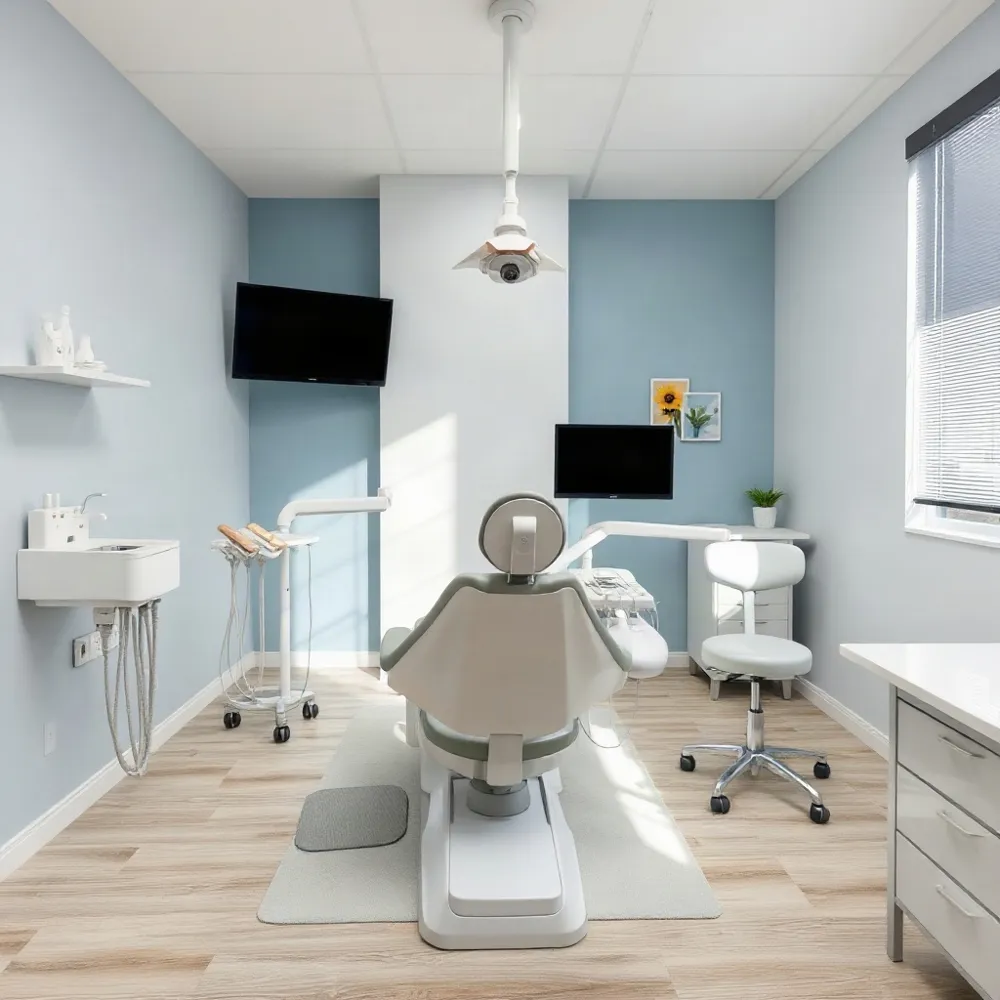 For most dental appointments, you’ll recline in the chair with your head supported. This position helps the dentist see and reach your teeth while giving you a stable place to rest.
The team may adjust the chair’s angle or headrest, or ask you to turn or tilt your head slightly so they can reach the area being treated. At Veenstra Family Dental, care is personalized for patients of different ages, and the team can explain positioning as the visit progresses.
Your position should feel steady and as comfortable as possible, not strained. You do not need to stay in one position if you become uncomfortable. Let the team know if you need to shift, sit up briefly, or take a break.
If reclining is difficult because of a health condition, pregnancy, dizziness, or another concern, mention it before treatment begins. The team can discuss possible adjustments and breaks with you. Sharing what feels uncomfortable helps them adapt the appointment; you can also read more about finding a comfortable treatment position.
Care That Fits Different Patients
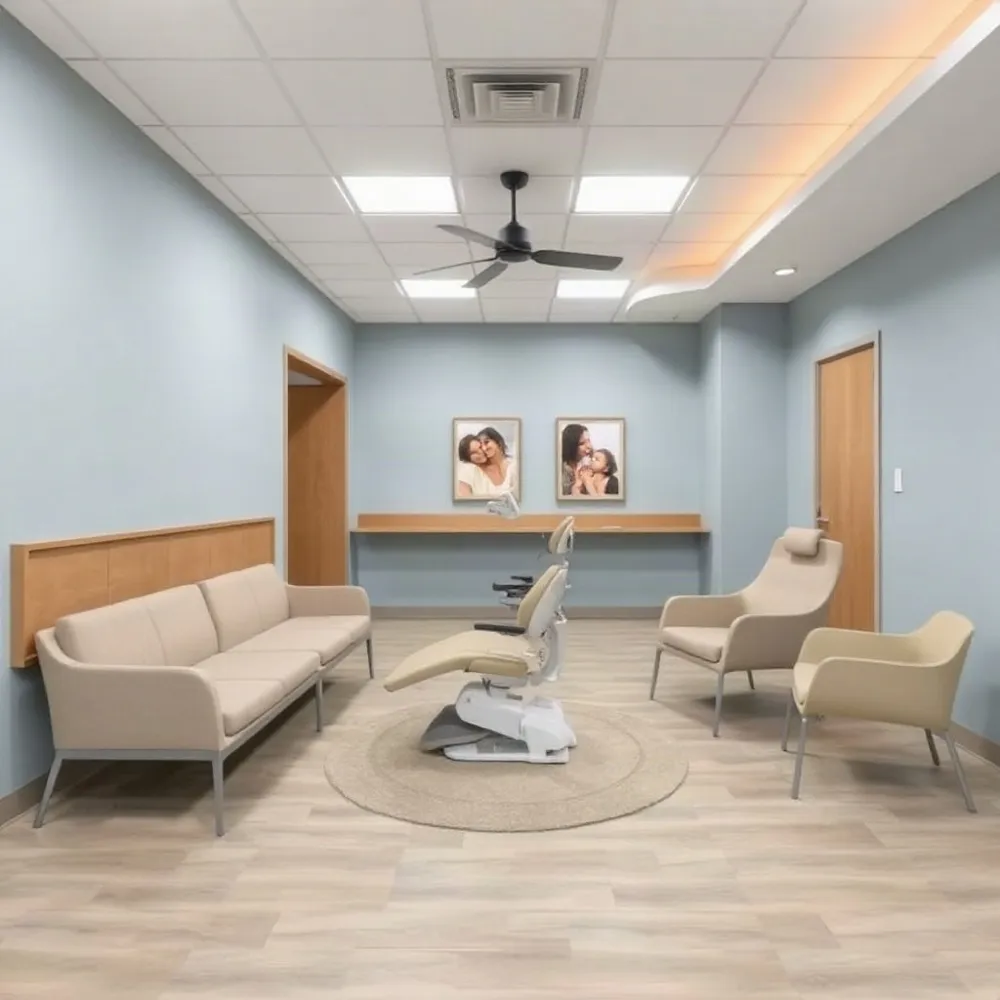 A chair that feels comfortable for one person may not suit another. Children, older adults, and patients with different body sizes or mobility needs may benefit from different adjustments and support.
An adjustable headrest can accommodate different heights, including a child’s, while movable armrests and a manageable seat height may make getting into and out of the chair easier. For patients who need more support, the team can consider positioning and access before treatment begins.
Practices should also confirm that a chair’s weight capacity suits the patients it serves and that it moves smoothly across its intended range. These practical checks support safe positioning, but no single chair feature can guarantee comfort for everyone.
At Veenstra Family Dental, care for patients across all ages is part of a family-focused approach. Sharing relevant mobility, health, sensory, or communication needs before or during a visit gives the team a chance to discuss suitable adjustments and explain what to expect.
Patients can ask for a pause or a change in position if something feels uncomfortable. Small adjustments, clear communication, and attention to individual needs can help make treatment feel more manageable.
For additional guidance on chair comfort for people with different needs, see how chair choice can support sensitive patients.
The Team Shapes the Experience
A comfortable chair helps, but the way the dental team communicates can shape how supported a patient feels. At Veenstra Family Dental, care for patients of all ages takes place in a family-focused practice, where sharing concerns and preferences can help the team tailor the visit.
How Can a Dental Team Help Patients Feel Comfortable During Treatment?
Before treatment begins, tell the team about anxiety, discomfort, sensory sensitivities, mobility needs, or communication preferences. Agreeing on a signal to pause gives patients a clear way to ask for a break. The team can explain what to expect, invite questions, and check in as care proceeds, rather than assuming that silence means everything feels fine.
Small adjustments may make treatment easier. The team can change the chair position, reduce bright light or noise where feasible, or offer headphones. Patients can also ask whether a brief pause or another comfort measure is possible. A calm, welcoming approach that respects each person’s preferences can help children and adults feel more at ease.
The setup matters for the dental team, too. Appropriate chair positioning, smooth movement, accessible instruments, and controls placed for practical use can support the team’s access to the patient and limit unnecessary reaching. These details help the visit run smoothly, but equipment alone cannot replace attentive communication and professional judgment.
At Veenstra Family Dental, modern technology is part of a broader approach to compassionate, personalized care. Patients can help the team prepare by mentioning what has made past visits more comfortable, then speak up during treatment if something needs to change.
Technology With Comfort in Mind
Digital tools can help the dental team gather information and explain care, while comfort still depends on the person and procedure. At Veenstra Family Dental, modern techniques are part of a family-focused approach, with care tailored to patients across ages.
Digital X-rays and 3D imaging can provide detailed views that help dentists assess concerns and plan treatment. Digital scans may also be more comfortable for some patients than traditional impressions. The tools available and their suitability vary, so the dentist can explain what each one offers for a particular visit.
Clear images and digital planning can give patients a visual way to discuss findings and treatment options. That can make it easier to ask questions and take part in decisions. For related examples of how digital tools may shape a visit, see how digital scanners improve the dental experience.
Depending on the procedure and the technology available, digital planning or same-day restorations may reduce the number of appointments or time spent in the chair. These possibilities are not right for every case, and the dentist’s assessment remains central to choosing a safe, appropriate plan.
Some dental chairs also have smooth movement, intuitive controls, or saved positions that help the team adjust a patient’s position. Features differ by chair and practice, and no particular chair technology should be assumed. Equipment supports the visit, but it does not replace the dentist’s judgment. Your health, comfort, and preferences should guide discussions about care.
Clean Surfaces and Reliable Movement
A clean, well-maintained chair helps the dental team prepare the treatment room between patients. Smooth upholstery with few seams or crevices can be easier to wipe down as part of the practice’s cleaning routine. At Veenstra Family Dental, care is provided in a modern, welcoming setting, with attention to patients of all ages.
Scratches, slits, tears, and worn upholstery can affect a chair’s appearance and make its surface harder to clean thoroughly. Depending on the chair’s condition, reupholstery may refresh it without requiring a full replacement. Patients can also ask the team about any comfort or cleanliness concern they notice.
Reliable movement matters, too. Smooth, predictable adjustments help the team position a patient consistently and avoid abrupt shifts that may feel uncomfortable. Regular maintenance can help keep chair functions working as intended. For more on how surfaces and movement contribute to longer appointments, see the benefits of soft-seat dental chairs for long procedures.
When practices choose or service equipment, they may also consider durable materials, warranty coverage, and access to installation and repair support. These practical factors help the team keep its treatment space ready for routine care, without confusing equipment costs with what patients pay for dental treatment.
Everyday Habits Beyond the Chair
What is the 2-2-2 rule in dentistry? It is a simple guide: brush twice a day for two minutes each time, and visit your dentist twice a year. The routine offers a helpful starting point, while your dentist can adjust it to your needs.
Use fluoride toothpaste and brush gently, guiding the bristles along the gumline and across every tooth. A steady, careful approach helps clean areas that can be missed when brushing quickly. If you are unsure about your technique or which products suit you, ask the dental team for advice.
Regular dental visits give the dentist a chance to check your teeth and gums and remove buildup that brushing cannot. At Veenstra Family Dental, care is provided for patients of different ages, so recommendations can reflect a person’s oral health and stage of life.
Twice-yearly visits are a general guide, not a schedule that fits everyone. Your ideal checkup timing and home-care routine may vary with your oral health. Veenstra Family Dental offers personalized care, and asking the dentist what interval and daily habits are right for you can help make your routine more useful.
For more family-friendly guidance, see these everyday habits for healthy teeth.
Speak Up About What Helps
Comfort is personal, and small adjustments can make a dental visit feel more manageable. Before treatment begins, tell the team about concerns such as neck or back discomfort, difficulty reclining, or anxiety about a particular step. At a family-focused practice like Veenstra Family Dental, care is provided across ages, with attention to each patient’s needs.
You can also ask for a position change or a brief pause during treatment. If something feels uncomfortable, describing where you feel pressure or strain can help the team respond. Clear communication and supportive positioning work together, and the right adjustment may differ from one appointment to another.
Your dentist can also offer professional guidance tailored to your circumstances, from ways to stay comfortable during care to recommendations for maintaining oral health between visits. Sharing what helps you feel at ease gives the team useful information to personalize your care.