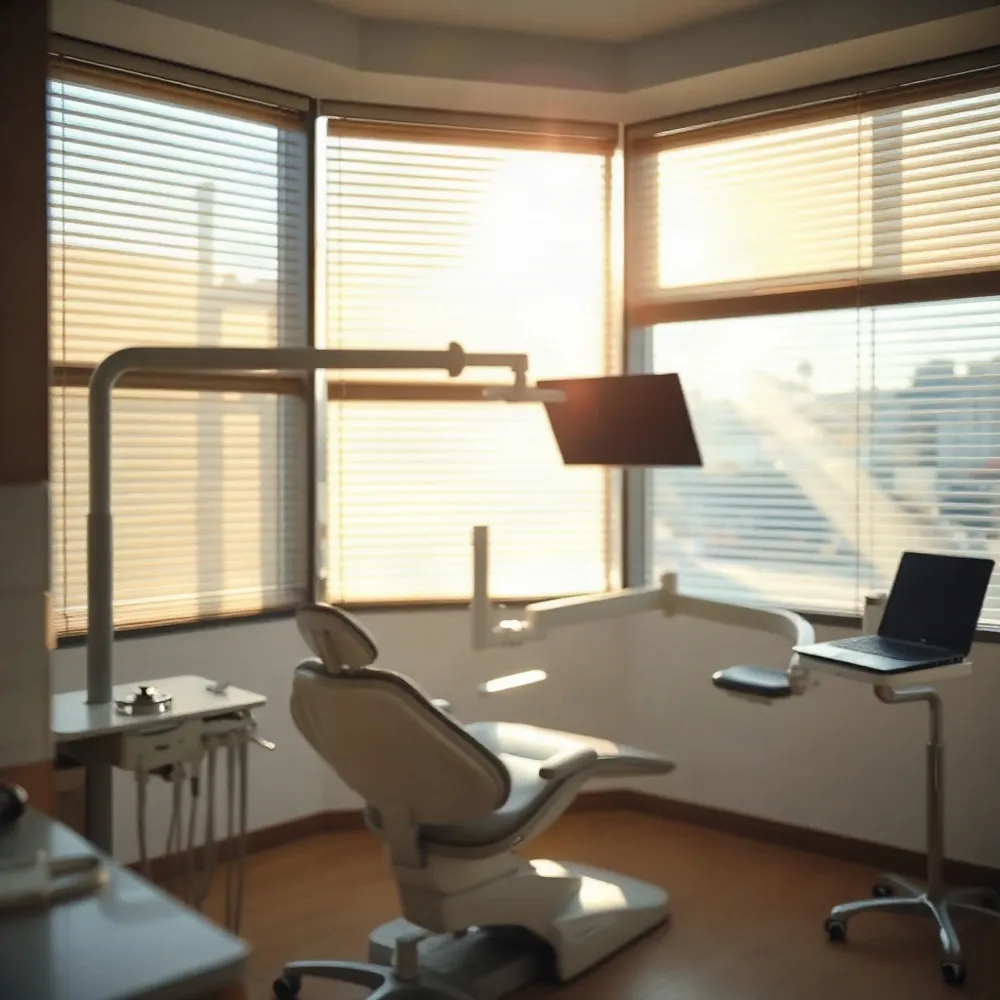
Setting the Stage: The Need for Comfort in Extended Dental Care
For many patients, the thought of a long dental procedure brings significant anxiety. This is often amplified by the reality that up to 75% of adults experience dental fear, frequently rooted in physical discomfort. Adding to the challenge, approximately 80% of Americans live with chronic back issues, making an ordinary dental chair a source of genuine pain rather than relaxation.
These comfort challenges directly affect the quality of care. When patients are uncomfortable, they tend to move involuntarily, potentially compromising the precision of a procedure. Lengthy treatments also take a physical toll on clinicians. Research shows that 70% of dentists suffer from back pain, a statistic driven by hours of static, awkward postures. This dual burden—on the anxious patient and the strained practitioner—creates a pressing need for better support.
The Emergence of Soft-Seat Technology
The solution lies in modern ergonomic design, particularly soft-seat technology. Unlike traditional hard surfaces, these chairs use advanced materials like memory foam and high-density cushioning that actively contour to a patient's body. This dynamic support distributes weight evenly, alleviating pressure on the lower back and neck. Consequently, soft-seat chairs help patients remain still and relaxed for extended periods, directly addressing both anxiety and physical strain, and setting the stage for a more positive experience for everyone in the operatory.
Design Fundamentals of Soft‑Seat Chairs for Prolonged Use
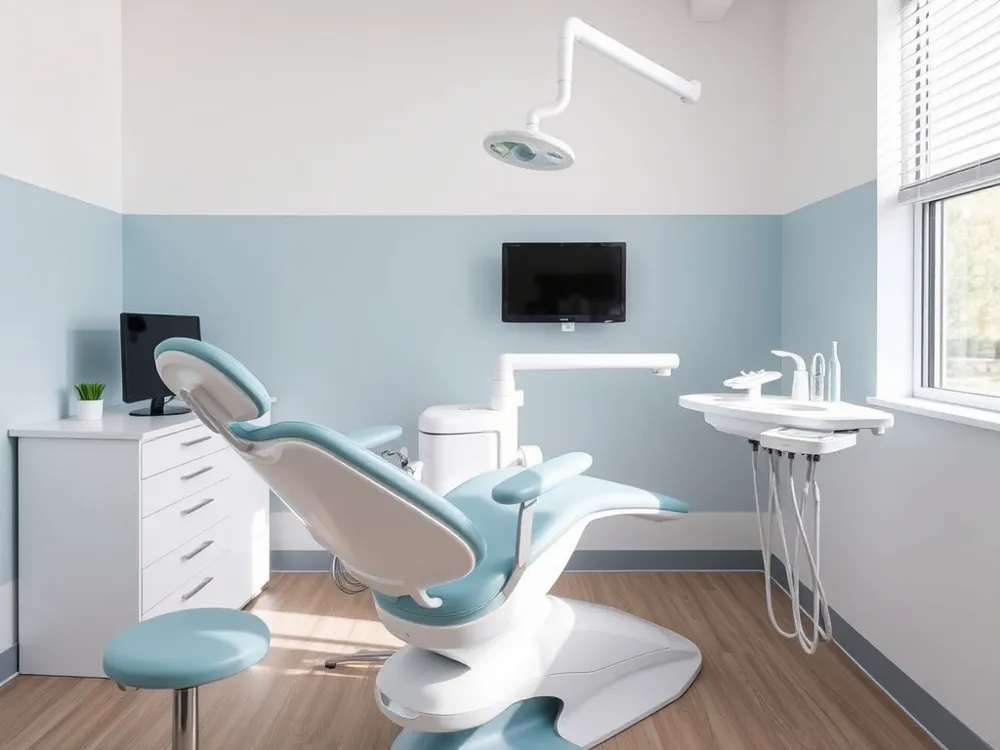
Which type of chair is best for long‑time sitting? Contoured saddle‑style seats and memory‑foam support
Modern soft‑seat dental chairs are specifically engineered for extended procedures. A key design innovation is the contoured saddle‑style seat, which allows patients to sit in a natural, upright posture. This reduces strain on the back and neck by distributing body weight more evenly, making it easier to remain still during lengthy treatments.
Memory‑foam and high‑density padding are fundamental to long‑term comfort. For example, the Gnatus S500 uses memory‑foam cushioning that contours to the patient’s body and aligns with the natural curve of the spine. High‑density foam in operator chairs maintains its shape for years, providing consistent support and preventing pressure points that cause discomfort during long appointments.
Adjustable height, tilt, and recline mechanisms for personalized positioning
The best chairs for prolonged use offer extensive adjustability. Adjustable height, tilt, and recline mechanisms let practitioners tailor the chair to each patient’s body size and the specific procedure. Seamless electronic controls and programmable memory settings allow for smooth, jerk‑free adjustments and instant recall of optimal positions, preserving comfort without disrupting the procedure.
Lumbar and neck support features are critical. Intelligent lumbar support automatically maintains spinal alignment, while dual‑articulating headrests provide support for both lower and upper jaw positions, reducing strain on the dentist and enhancing patient comfort.
Durability and low‑maintenance materials for long‑term value
Soft‑seat chairs must be built to last. Durability and low‑maintenance materials are vital for daily, high‑use environments. Antimicrobial PU leather and medical‑grade breathable fabrics resist bacterial growth and are easy to clean. Seamless surface construction eliminates joints where pathogens accumulate, and water‑flush systems maintain hygiene. With options like the Nomic saddle chair (2‑year warranty, Aero Leather) and A‑dec chairs (10‑year warranty, 20‑year service life), practices invest in equipment that supports both comfort and infection control for years.
| Feature | Example Model | Benefit for Prolonged Use |
|---|---|---|
| Contoured saddle seat | Sit Healthier Saddle Chair | Natural posture reduces back & neck strain |
| Memory‑foam cushioning | Gnatus S500 | Conforms to body, prevents pressure points |
| Programmable recline | Forest 6400 | Instant recall of optimal positions |
| Antimicrobial upholstery | Momentum Series (Momentum) | Easy disinfection, resists bacterial growth |
Patient Comfort Gains: Reducing Strain During Lengthy Treatments
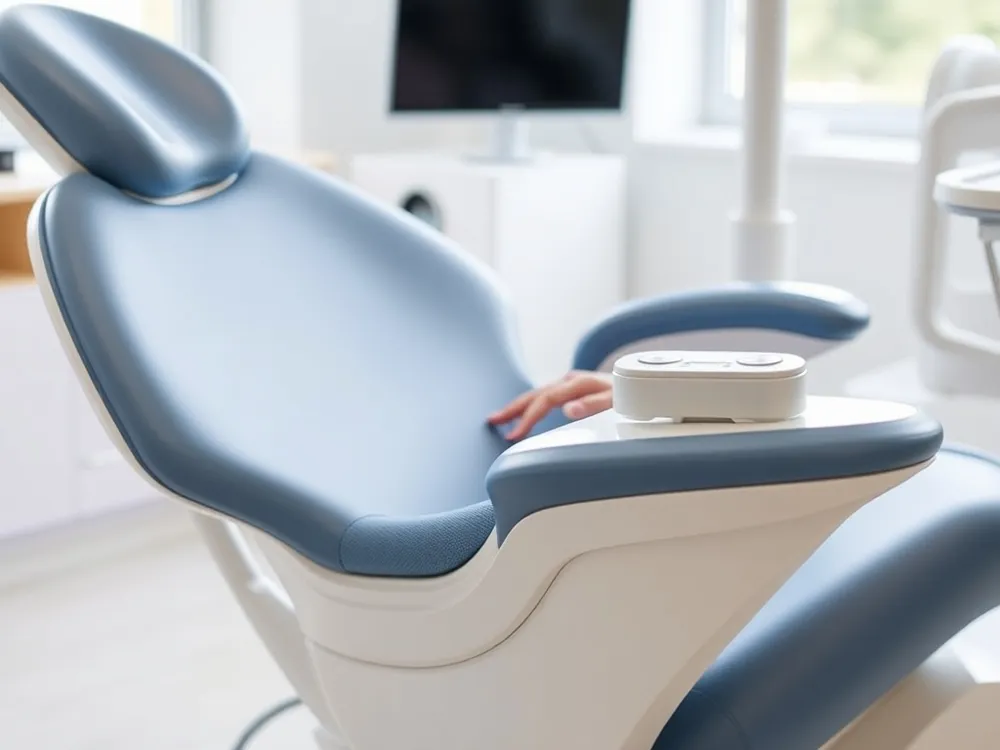
Can chair cushions help with back pain?
Yes, dynamic cushioning can make a significant difference in preventing pain before it starts. Small interventions, like using a seat with advanced memory foam, have been shown to reduce neck and back discomfort for people who sit for long periods.
Natural Posture and Reduced Strain
Saddle-style dental chairs allow patients to sit in a more natural, upright position. This design distributes body weight evenly, which reduces strain on the back and neck compared to traditional reclining chairs. The improved support is especially beneficial for patients with chronic back issues or those undergoing lengthy treatments.
Advanced Cushioning and Dynamic Support
Modern chairs use memory-foam cushions that contour to your body's shape, aligning with your spine's natural curvature. This helps prevent pressure points and discomfort during extended procedures. Some chairs also feature dynamic seat pads and intelligent lumbar support that automatically adjust to maintain optimal spinal alignment.
Heat, Massage, and Climate-Responsive Features
For enhanced relaxation, many soft-seat dental chairs now include built-in heat and massage options. These features soothe muscles and lower anxiety during longer treatments. Additionally, thermo-responsive cushioning adapts to your body temperature, creating a personalized comfort zone that prevents pressure point formation.
Reclined Positioning for Optimal Access
A reclined position is the most common for dental procedures, as it provides better access and visibility for the dentist while keeping you comfortable. Modern ergonomic chairs allow for seamless, smooth adjustments to find the perfect angle, with programmable memory settings to recall your preferred positions instantly.
Patient Satisfaction and Anxiety Reduction
Physical comfort is a primary concern for many patients, and discomfort can lead to anxiety about future visits. By reducing strain and providing superior support, modern dental chairs help create a more relaxed and cooperative experience. Comfortable patients are less likely to move during precise procedures, leading to more efficient treatments and higher overall satisfaction.
| Feature | Benefit for Long Procedures | Patient Experience |
|---|---|---|
| Memory-foam cushioning | Contours to body, prevents pressure points | Reduces restlessness and fatigue |
| Heat and massage options | Soothes muscles and lowers anxiety | Promotes relaxation during lengthy work |
| Reclined positioning | Provides better access for dentist | Enables a calm, supported posture |
| Adjustable lumbar support | Maintains spinal alignment | Prevents lower back pain and discomfort |
| Smooth, quiet adjustments | Prevents jarring movements | Creates a serene, non-disruptive atmosphere |
Dentist Ergonomics: Mitigating Strain and Enhancing Efficiency
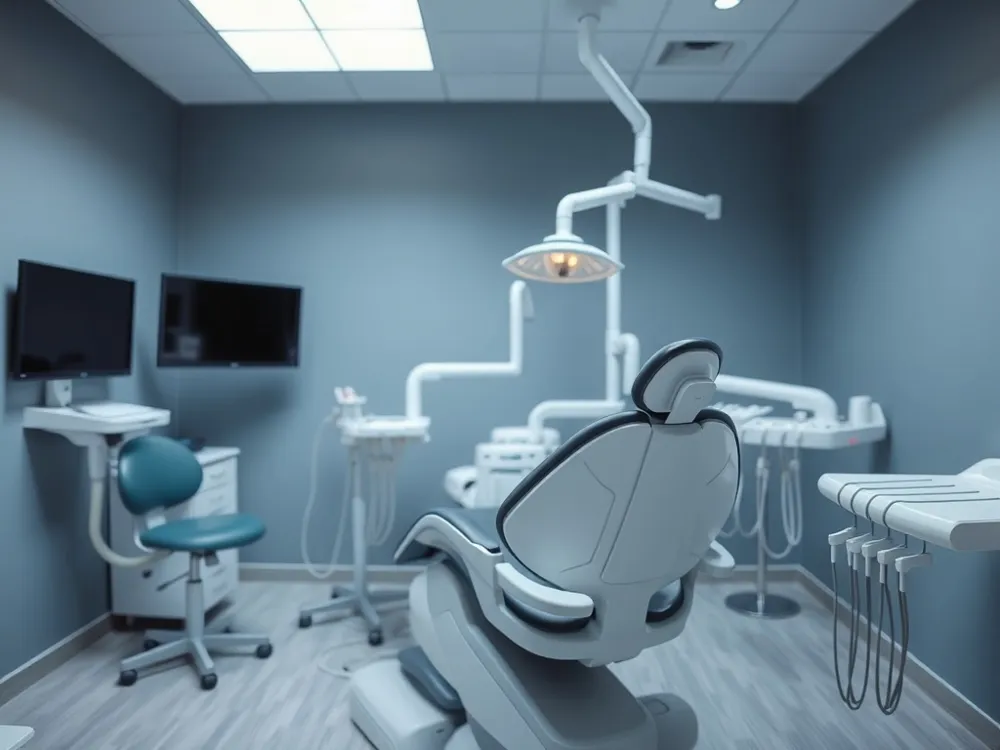
Common Technical Issues in Dental Units
Modern dental chairs are complex systems, and technical failures can disrupt workflow. Common problems stem from wear on hydraulics, actuators, control circuits, and water supply systems. Recurring faults are frequently reported in delivery valves, programmable movement controls, water flow regulators, and light-curing modules. Regular maintenance and understanding these potential issues are essential for minimizing downtime and ensuring smooth procedures.
Adjustable Height and Tilt for Optimal Posture
Proper adjustability is critical for dentist health. Quality chairs allow seamless control of seat height and tilt, enabling clinicians to sit in an upright, balanced position. This helps maintain a healthy open hip angle and reduces strain. The ability to elevate or lower the patient chair further supports ideal ergonomics, allowing the dentist to work with relaxed shoulders and elbows at their sides during any procedure.
Reduced Musculoskeletal Strain and Fatigue
Prolonged static postures lead to back and neck pain for many dental professionals—studies show up to 70% of dentists experience back pain. Chairs with ergonomic lumbar support, forward-tilting seats, and features like adjustable armrests help maintain the spine’s natural alignment. Reducing awkward positions decreases muscle fatigue, lowering the risk of long-term disability and keeping clinicians healthier for longer.
Improved Instrument Access and Workflow
Ergonomic design also boosts efficiency. Slim chair backrests, thin headrests, and swivel capabilities allow dentists to position themselves closer to the patient without strain. When instrument delivery systems are positioned near the oral cavity and accessible to both the dentist and assistant, reach and twisting are minimized. This streamlined access leads to more precise, focused work and fewer interruptions, ultimately improving patient outcomes and shortening procedure times.
Ergonomic Feature and its Benefit for the Dentist
| Feature | Benefit for Dentist | Impact on Workflow |
|---|---|---|
| Adjustable seat height & tilt | Maintains upright posture, reduces back/neck strain | Enables comfortable long hours without pain |
| Forward-tilting seat | Prevents pelvic tilting, supports spinal alignment | Reduces fatigue during lengthy procedures |
| Slim backrest & headrest | Allows closer access to patient oral cavity | Improves precision, reduces awkward reaching |
| Adjustable armrests | Cushions elbows/shoulders, adds stability | Reduces shoulder tension, helps with magnified work |
| Swivel base & smooth casters | Enables easy repositioning around patient | Enhances workflow, reduces unnecessary movement |
Reliability on the Front Line: Why A‑dec Chairs Lead the Pack
Why choose a dental chair built to last decades?
A‑dec dental chairs are consistently voted best in class for their reliability. Every model is backed by a full 10‑year warranty, a strong indicator of their build quality. These chairs are designed and tested for a "service life" of 20 years under normal use, offering exceptional long‑term value for any practice.
What does the A‑dec model lineup offer?
- A‑dec 500: The premium choice featuring an ultra‑thin backrest and virtual pivot for superior patient comfort.
- A‑dec 400: Combines contemporary design and solid performance with uninhibited access.
- A‑dec 300: A stylish, compact chair known for robust design and minimal maintenance.
- A‑dec 317 Specialty Chair: A fixed‑base chair providing the same long‑lasting performance for specialized needs.
What do long‑term users say?
Dentists consistently praise their longevity. For instance, Dr. Lisa Curry has used her A‑dec chair since 2003, stating it is "still going strong" and the only chair she will ever consider. This real‑world experience confirms that A‑dec chairs are a dependable choice for practices focused on long‑term investment.
Creating a Calm Environment: Patient Relaxation Strategies
How can patients relax in a dental chair?
A large part of creating a calm environment involves providing simple, effective distraction techniques. Listening to music or a podcast with headphones can help keep your mind off the dental work and significantly reduce anxiety. Some practices also offer stress balls or fidget toys to give your hands something to do, which can be especially helpful during longer procedures.
Modern dental chairs often integrate tablets or entertainment screens, allowing you to watch a show or browse educational content. Such technology can make the dental space feel more modern and even spa-like, shifting your focus away from the treatment.
The chair itself plays a major role in promoting relaxation. Soft-seat dental chairs with smooth, adjustable features and massage options help create a physical sense of ease. An inviting chair also sets a positive tone, reinforcing a welcoming and professional atmosphere.
Additional Comfort Options
| Technique | Benefit | Example |
|---|---|---|
| Music / Podcasts | Distracts from treatment sounds and anxiety | Listen via provided headphones |
| Stress Balls / Fidget Toys | Reduces nervous energy | Simple handheld devices |
| Integrated Tablets | Engages the mind with entertainment | Watch a movie or browse information |
| Chair Features | Promotes physical relaxation and comfort | Massage, memory foam, smooth adjustments |
| Soft Lighting / Scents | Creates a calming and less clinical atmosphere | Dimmed lights, calming essential oils |
Beyond Comfort: Aesthetic and Preventive Care Considerations
What is the 50-40-30 rule in dentistry?
The 50-40-30 rule is a cosmetic guideline for ideal tooth proportions in a smile. From a frontal view, the two central incisors should occupy 50% of the visible width, the lateral incisors 40%, and the canines 30%. This rule is applied during treatments like veneers and crowns to create a natural, balanced look. It is a starting point; your dentist will adjust these proportions for your unique facial features.
What is the rule of 7 in dentistry?
The rule of 7 advises that children should have their first orthodontic evaluation around age seven. Early assessment identifies developing alignment issues, allowing for timely intervention that can guide jaw growth and simplify any future treatment.
How do chair aesthetics and design impact patient perception?
Modern, ergonomic chairs with neutral, appealing colors convey professionalism and care, helping to reduce patient anxiety. In a family-focused practice, an inviting chair is just one element of a welcoming atmosphere that puts both children and adults at ease.
The following table summarizes these key considerations:
| Concept | Application | Family Practice Relevance |
|---|---|---|
| 50-40-30 Rule | Guides cosmetic smile design for natural proportions. | Ensures aesthetic outcomes for adult patients seeking cosmetic treatments. |
| Rule of 7 | Recommends orthodontic evaluation by age seven. | Supports early intervention for children, aligning with preventive, family care focus. |
| Chair Aesthetics | Modern, comfortable chair design reduces anxiety. | Creates a non-threatening, professional environment for all ages in a family practice. |
Putting It All Together: The Long‑Term Value of Soft‑Seat Dental Chairs
A Win for Patients and Practitioners
Soft‑seat dental chairs transform the dental experience for everyone in the practice. Patients benefit from memory‑foam cushioning, articulating headrests, and zero‑gravity positioning that relieve pressure points and reduce anxiety. Practitioners gain better access to the oral cavity, programmable memory settings, and smooth electric adjustments that minimize physical strain. When patients feel at ease and dentists work without fatigue, procedures become more efficient and more comfortable.
Impact on Practice Reputation and ROI
A practice that invests in high‑quality soft‑seat chairs signals a commitment to patient well‑being. Comfortable patients are more likely to return for regular visits, follow treatment plans, and refer friends and family. Over time, this investment pays for itself through increased patient retention, positive word‑of‑mouth, and a reputation for modern, compassionate care. Reliability and ease of maintenance also reduce long‑term costs.
A Call to Action for Your Family’s Care
For families seeking a gentle, welcoming dental home, the chair you choose matters. Soft‑seat designs adapt to patients of all ages, from children to seniors, making every visit a calm and positive experience. Schedule an appointment today and discover how advanced seating comfort can make a lasting difference in your family’s oral health journey.