Why Comfort Matters for Sensitive Patients
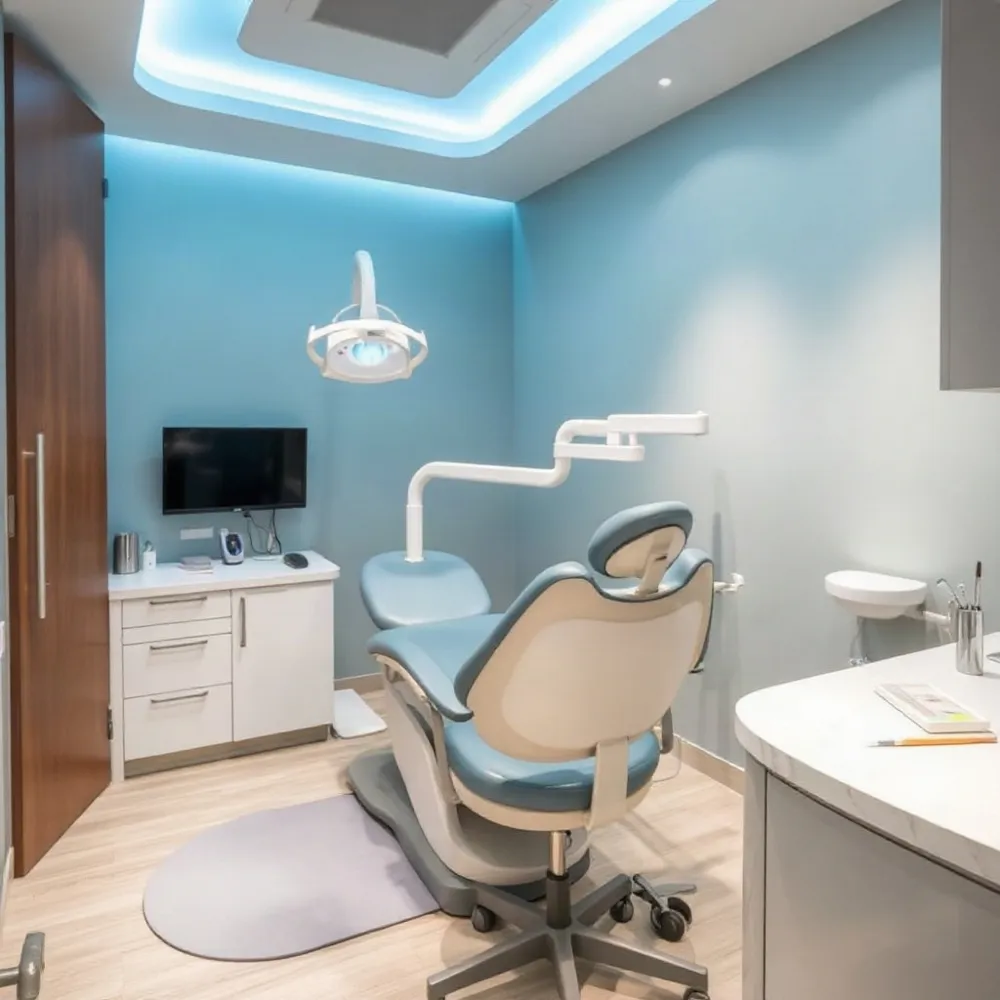
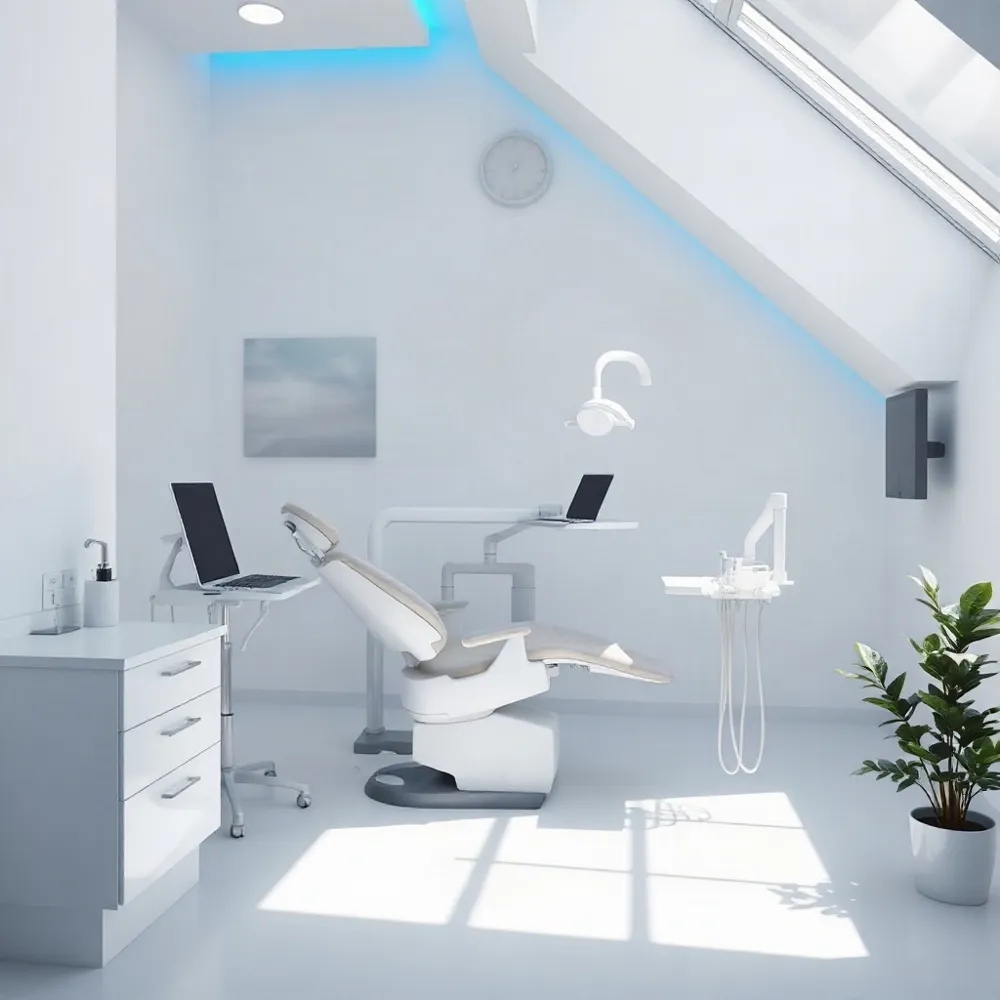
Sensitive patients often feel anxiety before even sitting down, and every vibration, harsh sound, or cramped position can increase that stress. A dental chair that moves smoothly, with a quiet hydraulic system and a thin, sturdy backrest, eliminates jolts and creates leg room for both patient and clinician. Adjustable, double‑articulating headrests follow the chair’s motion, reducing neck strain and allowing the dentist to work from the 9 to 12 o’clock positions without awkward bends. At Veenstra Family Dental in Midland Park, NJ, the team chose the A‑DEC 500 model because its ultra‑soft start/stop motion, pressure‑mapping backrest, and ergonomic armrests provide a calm, welcoming environment for patients of all ages, daily care.
Core Comfort Features of a Dental Chair
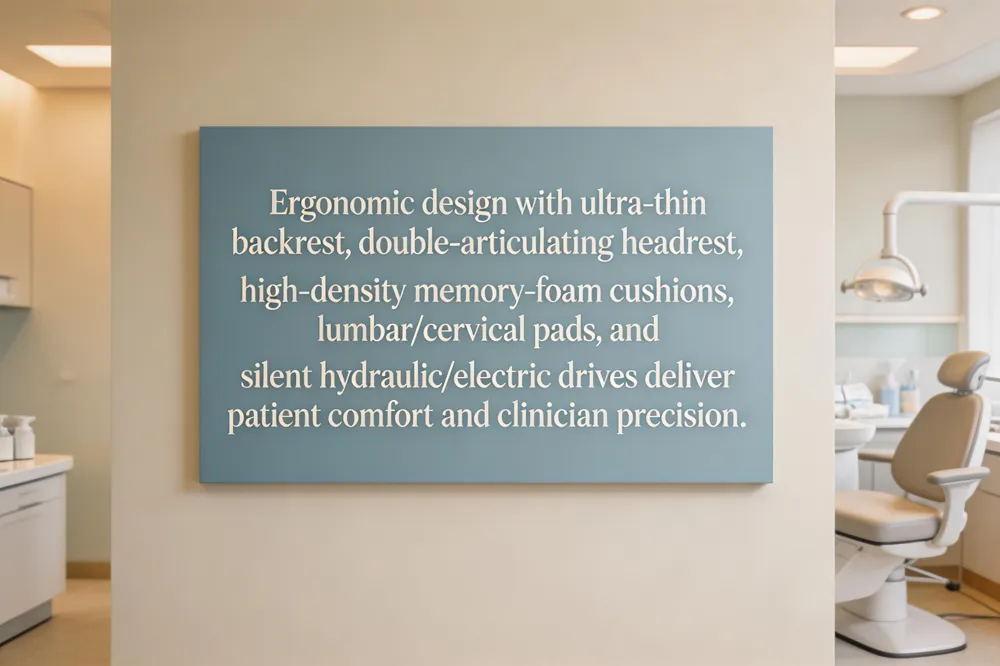 A dental chair that truly comforts patients combines several ergonomic elements. First, the chair’s design supports the natural posture; a narrow, ultra‑thin backrest and a double‑articulating headrest let the patient sit upright while giving the dentist a clear view from the 9‑12 o’clock positions. Seat firmness matters – high‑density or memory‑foam cushions keep the pelvis neutral and prevent the hips from tilting backward, which reduces lower‑back strain during longer procedures. Soft yet supportive upholstery, such as A‑DEC’s pressure‑mapped back‑rest or ultrasonic‑treated fabric, distributes weight evenly and eliminates pressure points. Lumbar and cervical pads fill gaps, offering targeted pressure‑distribution and spinal alignment for anxious or sensitive patients. Finally, quiet, smooth hydraulic (or hybrid electric) drives provide a gentle start‑stop motion without jerks or loud noises, allowing the patient to relax while the dentist makes precise adjustments.
What makes a dental chair comfortable for patients? Comfort comes from an ergonomic shape that supports natural posture, firm yet plush cushioning, contoured backrest with lumbar support, and a silent, smooth adjustment system that lets patients find a relaxed position without disturbance.
Is a firm or soft seat better for dental chair comfort? A firm, high‑density foam seat is ideal because it maintains spinal alignment and resists sagging, while still offering a modest plush feel. Soft seats can feel pleasant initially but may cause the hips to tilt backward and increase back strain after 30 minutes. A medium‑firm, well‑contoured seat provides the best balance of support and comfort.
Adjustability, Quiet Operation, and Premium Features
 Choosing a chair that moves smoothly and silently is essential for patients who are anxious or have sensory sensitivities. Hydraulic systems, such as those in A‑DEC’s 500 series, provide a gentle, ultra‑soft start/stop motion that eliminates jerky movements, while electric drives (e.g., DCI Edge’s electromechanical units) offer precise, programmable adjustments with zero‑gravity tilt. Both platforms support one‑hand or foot‑controlled controls, allowing the dentist to reposition the chair without disturbing the patient. Luxury‑level models take comfort a step further: pressure‑mapping cushions, like A‑DEC’s stingray‑shaped backrest, automatically redistribute weight and reduce pressure points by up to 41 %. Some newer chairs integrate AI‑assisted posture‑monitoring the clinician’s spine and suggesting micro‑adjustments to prevent fatigue. Premium enhancements also include antimicrobial, seamless upholstery, LED ambient lighting, and digital dashboards that store memory positions for quick recall. Together, these features create a calm, efficient environment that boosts patient confidence and clinician ergonomics during long procedures.
Top U.S. Brands and Veenstra’s Choice
 When you walk into a modern dental office, the chair you sit in is a silent partner in your comfort and the dentist’s efficiency. In the United States, the market is led by a handful of trusted manufacturers: A‑DEC, Dentsply Sirona, KaVo (Envista Holdings), Midmark, and Belmont (Takara Belmont). Other respected names include DENTALEZ, Tangshan UMG Medical Instrument, NSK Dental, Morita (J. Morita USA), and Summit Dental Systems. These brands consistently deliver hydraulic or hybrid drive systems, ergonomic designs that reduce practitioner strain, and integrated digital features that support contemporary treatment workflows. Most also back their chairs with long‑term warranties—typically ten years for A‑DEC and five to ten years for other major makers—and extensive service networks that ensure quick parts replacement and routine maintenance.
Veenstra Family Dental in Midland Park, NJ, has chosen the A‑DEC 511 model for its operator rooms. The 511 chair combines a silent hydraulic lift, ultra‑thin backrest, and a dual‑articulating headrest that follows the chair’s motion, giving sensitive patients a calm, stable experience while allowing clinicians to work in a neutral posture. A‑DEC’s 10‑year limited warranty and nationwide dealer support further guarantee reliability and peace of mind for both the practice and its patients.
Cost, Value, and Mobility Considerations
 How much does a high‑end dental chair typically cost?
A high‑end dental chair generally falls between $12,000 and $20,000 USD, depending on brand, integrated technology, and ergonomic features. Premium models from manufacturers such as A‑DEC or Dentsply Sirona often sit in the $12,000‑$19,000 range, while chairs equipped with advanced digital positioning, built‑in imaging, or patient‑comfort options like heat, massage, or specialty upholstery can exceed $20,000. The price reflects durability, a 10‑year limited warranty, and a service life of up to 20 years, making the investment worthwhile for a family‑focused practice like Veenstra Family Dental that prioritizes patient comfort and long‑term reliability.
How much does a high‑end dental chair typically cost?
A high‑end dental chair generally falls between $12,000 and $20,000 USD, depending on brand, integrated technology, and ergonomic features. Premium models from manufacturers such as A‑DEC or Dentsply Sirona often sit in the $12,000‑$19,000 range, while chairs equipped with advanced digital positioning, built‑in imaging, or patient‑comfort options like heat, massage, or specialty upholstery can exceed $20,000. The price reflects durability, a 10‑year limited warranty, and a service life of up to 20 years, making the investment worthwhile for a family‑focused practice like Veenstra Family Dental that prioritizes patient comfort and long‑term reliability.
What weight should a dental chair have for easy mobility? For smooth repositioning, a dental chair should ideally weigh around 120 kg (≈265 lb) or less. This lighter mass allows staff to move the unit with minimal effort, protecting floor casters and hydraulic components. Chairs in the 150‑200 kg (330‑440 lb) range remain manageable but require more force, especially on carpeted floors. Practices that frequently reconfigure operatory layouts benefit from mid‑range or entry‑level models with lower weight, balancing mobility with essential ergonomic and clinical features. Selecting a chair that blends modern technology, patient comfort, and practical weight ensures a welcoming, efficient environment for patients of all ages.
Portable and Specialty Chairs for Diverse Needs
 A portable dental chair is a lightweight, collapsible unit that combines a patient‑support seat with basic positioning controls, a compact high‑speed handpiece, and built‑in water and air supplies. Designed for mobility, it can be folded, transported in a vehicle, and assembled on‑site without extensive plumbing or electrical work. Dentists use it for community outreach, school screenings, home‑visit care, disaster‑relief sites, and temporary pop‑up clinics where a permanent chair is impractical. Special‑needs and bariatric chairs feature wider seats, higher weight capacities (up to 1,000 lb), lower‑profile armrests, and easy‑entry designs to accommodate patients with mobility challenges or larger body types. Regular maintenance reminders include checking hydraulic fluid levels, inspecting upholstery for wear, and ensuring all moving parts are lubricated to prevent jerky motions that could discomfort sensitive patients.
Maintenance, Service, and Common Problems
 Regular servicing keeps a dental chair reliable and safe for every patient. A professional service at least once a year is essential, with immediate check‑up after any major repair or upgrade. Daily visual checks—raising, lowering and tilting—catch early issues, while weekly lubrication (if approved) and hose inspections prevent wear. A monthly deeper inspection verifies safety locks, hydraulic pressure, filters and suction lines. Common problems include hydraulic wear, actuator failure, faulty control circuits and water‑supply glitches, which can cause jerky movement, noise or loss of water flow. Reputable manufacturer warranty and long‑term service support indicate durability and reliability ensure quick repairs, minimizing downtime and protecting the practice’s investment for long‑term patient comfort and efficiency.
Choosing Wisely for Sensitive Patients
When selecting a dental chair for patients with heightened sensitivity, balance comfort, ergonomics, and cost. Look for ultra‑thin backrests, dual‑articulating headrests and and smooth hydraulic motion that eliminate jolts and pressure points while keeping the chair’s price and long‑term value in mind. Veenstra Family Dental in Midland Park, NJ, embodies a patient‑first philosophy—using equipment that maximizes comfort, reduces anxiety, and supports the clinician’s posture for all ages. Future‑proof the practice by choosing a chair backed by a strong warranty, local dealer support, and low‑maintenance design, ensuring reliable service and minimal downtime for years to come.