A More Visible Dental Visit
An intraoral camera is a small handheld device that captures close-up images of teeth and gums. When displayed on a screen, those images give the patient and dental team a shared view of the area being examined. Instead of relying only on a verbal description, patients can see what their dentist is discussing and ask questions as they arise.
A review of clinical applications describes how these images can support patient education and shared discussion about care, while serving as an aid rather than a substitute for a dentist’s assessment (clinical review of intraoral cameras). A camera shows visible surfaces; other examination methods may be needed to assess concerns beyond what an image can show.
At Veenstra Family Dental, care is shaped around patients and families, with modern techniques supporting clear, personal conversations. The purpose of an image is not to make a decision for the patient, but to help make findings easier to understand and provide a useful starting point for discussing possible next steps.
What an Intraoral Camera Shows
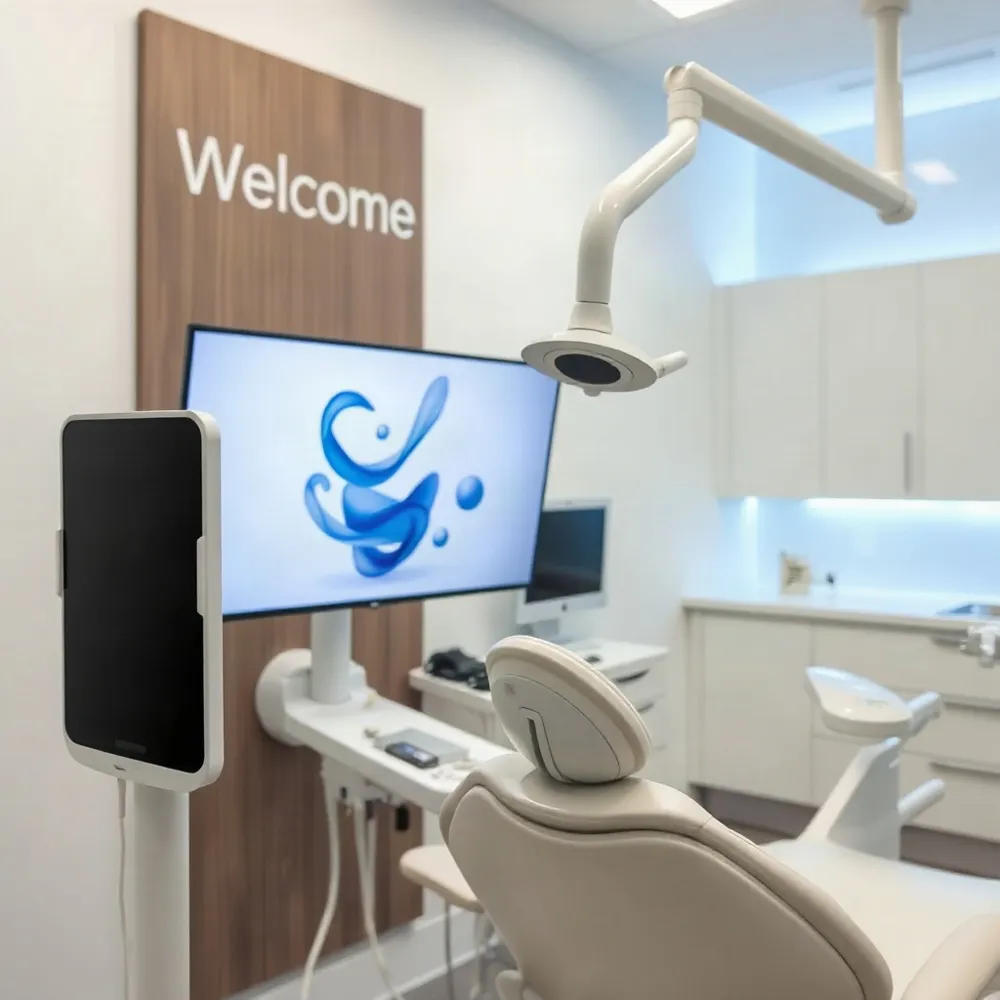 An intraoral camera adds a close-up view to a dental exam. This compact device has a light source and captures magnified images or video of visible teeth and soft tissues, giving the dentist and patient a shared view of the area being examined. A clinical review describes how these images can support examination and patient discussion, while remaining an aid rather than a replacement for the dentist’s assessment (clinical review of intraoral camera applications).
The camera can help the dentist look closely at possible decay, cracks, chips, worn tooth surfaces, plaque, gum changes, or problems with fillings and other restorations. Images may make a finding easier to explain, but they do not establish a diagnosis on their own. At Veenstra Family Dental, modern technology is part of personalized care, with the dentist considering each patient’s needs and clinical findings.
How can an intraoral camera help during a dental exam?
By bringing an image onto a screen, the camera can make it easier to see an area that may be difficult to view with a mirror alone. You can follow what the dentist is noticing, ask questions, and discuss possible next steps together. The image supports that conversation; it does not replace a complete examination or any additional tests the dentist considers appropriate.
A camera shows surfaces that are visible inside the mouth. Dental X-rays can reveal structures beneath those surfaces, so the methods provide different information and may complement each other when clinically appropriate. The dentist can explain which views are useful for your exam and why.
Seeing Findings Together
 A close-up image can give a dental professional and patient a shared point of reference. Instead of relying only on a verbal description, the clinician can show the area being discussed, explain what is visible, and invite questions. A review of research on intraoral cameras describes this shared viewing as a way to make explanations more concrete and support communication about care (review of clinical applications.
At Veenstra Family Dental, visual tools can complement the practice’s focus on modern, compassionate care. Seeing an image together may help patients better understand a finding and take part in discussing possible next steps. The image supports that conversation, but it does not guarantee a diagnosis or a particular treatment outcome. The dental professional considers it alongside an examination and any other information needed.
This kind of discussion can also make home-care guidance more specific. The literature review suggests that camera images may reinforce oral-hygiene instructions by showing areas where plaque or gum inflammation is visible, helping patients identify where brushing or flossing may need more attention. At a family-focused practice such as Veenstra Family Dental, explanations can be tailored to the patient’s concerns and daily routine, so there is room to ask questions and discuss practical care habits.
Images for Monitoring and Records
A close-up image can document a visible finding, such as gum inflammation or the appearance of a crown. When reviewed at a later visit, it gives the dental team a visual reference for noticing changes, alongside examination findings and written notes. A literature review describes intraoral camera images as useful records for comparison and patient discussion, while noting that the camera supports, rather than replaces, clinical assessment (review of intraoral camera applications.
Depending on the clinical need, a dentist may use images to monitor gums, crowns, fillings, other restorations, or progress during care. They can also help with treatment planning by showing the area under discussion. At Veenstra Family Dental, modern techniques are part of care for patients across ages; the image itself is one source of information, not a diagnosis or a treatment plan. Dental records also include the clinician’s assessment and other relevant findings.
Images may support clinical documentation and, in some workflows, materials submitted for insurance review. They do not determine whether a plan covers a service or replace the records needed to document care. Practices should explain why images are being captured, how they may be used, and how they are protected. Before images are stored or shared, appropriate consent and attention to confidentiality are essential, as discussed in a recent study of intraoral camera use (multi-perspective study). For more on how dental images can serve as a reference over time, see images for monitoring and records.
Digital Scans Are a Different Tool
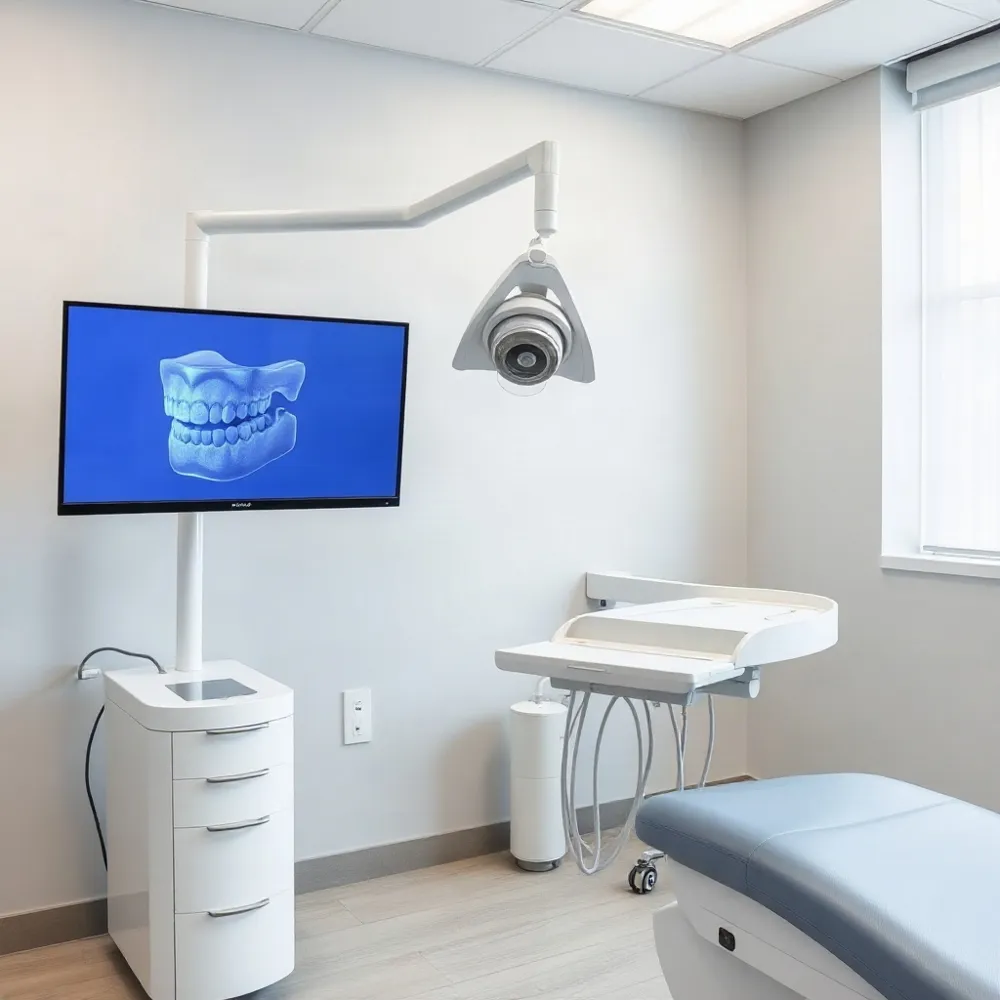 An intraoral camera and an intraoral scanner serve different purposes. A camera takes close-up pictures of visible teeth and gums, while a scanner uses a handheld wand to capture a digital model of the teeth and surrounding tissues. The model can support treatment planning, including planning restorations such as crowns.
For many procedures, a digital scan can replace a putty impression, avoiding the setting time of impression material. The scan appears on screen for the dental team to review during the appointment, so they can check whether the captured areas are complete. This immediate review is also discussed in Veenstra Family Dental’s overview of digital scanners.
Some patients may find scanning more comfortable, particularly if impression material tends to trigger a gag reflex, but experiences vary. A scan may also take extra time or need to be repeated if an area is difficult to reach or the image is incomplete. Moisture, bleeding, deep margins, the scanner, and the procedure can all affect whether scanning is suitable and how reliable the result is.
At Veenstra Family Dental, digital imaging can support personalized treatment planning, but no scan is right for every patient or procedure. The dentist can explain the available options and whether a digital scan or another impression method best fits the clinical situation.
Comfort Starts With Conversation
Which dental procedures do people commonly find most intimidating? Injections, drilling, and surgery can bring up concerns, whether someone is preparing for a filling, root canal, extraction, or implant. Worries may include pain, whether numbing will work, bleeding, gagging, or simply not knowing what will happen next. Those concerns are personal, and patients do not need to wait until treatment begins to raise them.
A dental team can explain each step, pause for questions, and discuss options that may make care feel more manageable. At Veenstra Family Dental, care for patients of all ages is grounded in a welcoming, compassionate approach. A conversation before treatment can help the team understand what matters to you and explain what to expect. Patients who feel apprehensive may find it helpful to talk with the dental team about comfort before an appointment.
An intraoral camera may also help explain what the dental professional is seeing. It uses light to capture images and does not use radiation, but it is an examination aid, not a treatment for anxiety or a guarantee that every person will find an exam comfortable. A review of intraoral camera applications describes how viewing images together can support clearer discussion of findings and proposed care (clinical review of intraoral cameras. Tell your dental professional if the camera, positioning, or any part of the visit feels uncomfortable. Clear explanations and an open exchange help the team respond to your needs.
Everyday Guidance Is Personal
A routine that works well for one person may need adjusting for someone else. At Veenstra Family Dental, care is family-focused, with guidance shaped around each patient’s age and oral-health needs.
The “3-3-3 rule” is an informal phrase sometimes used to mean brushing three times a day for three minutes and avoiding food or drink for three hours before bed. It is not a standardized dental guideline, and people may use the phrase differently. The 2019 review of intraoral cameras also describes how visual explanations can help patients understand oral-health advice, but an image does not replace personalized clinical guidance (review of clinical applications.
For most people, a practical baseline is brushing twice a day for two minutes with fluoride toothpaste and cleaning between the teeth once daily. The right routine may differ with age, oral health, medications, or other needs.
Ask a dental professional what is appropriate for you, especially if you have received specific instructions. At Veenstra Family Dental, conversations can account for the needs of patients at different stages of life and help make everyday care feel manageable.
A Clearer Conversation About Care
An intraoral camera can add a useful visual reference to an examination, helping patients follow explanations and discuss possible next steps with their dental professional. Research describes how viewing images together can support communication and patient understanding, while emphasizing that the camera aids, rather than replaces, clinical assessment (review of intraoral camera applications).
The images show visible surfaces, so they are only one part of the diagnostic picture. A dentist may also use an examination and, when needed, X-rays to assess areas that a camera cannot show. At Veenstra Family Dental, modern techniques are part of personalized care for patients of all ages, with treatment discussions shaped around individual needs.
Patients can ask why an image or other digital tool is being used, what it can and cannot show, and how images are stored or shared. Those questions help make the visit a two-way conversation and clarify how each tool may inform care.