Introduction to Comfort-First Dental Care and Its Significance
Defining Comfort-First Dental Care
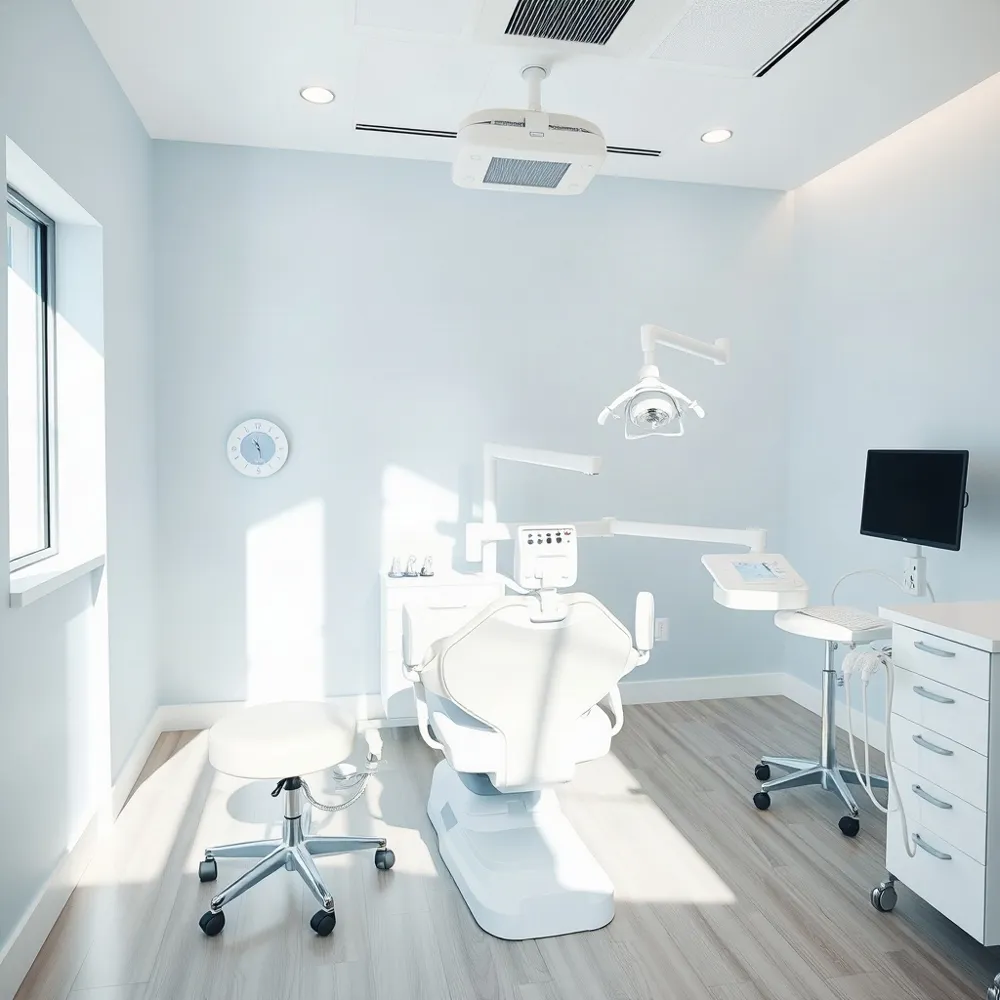
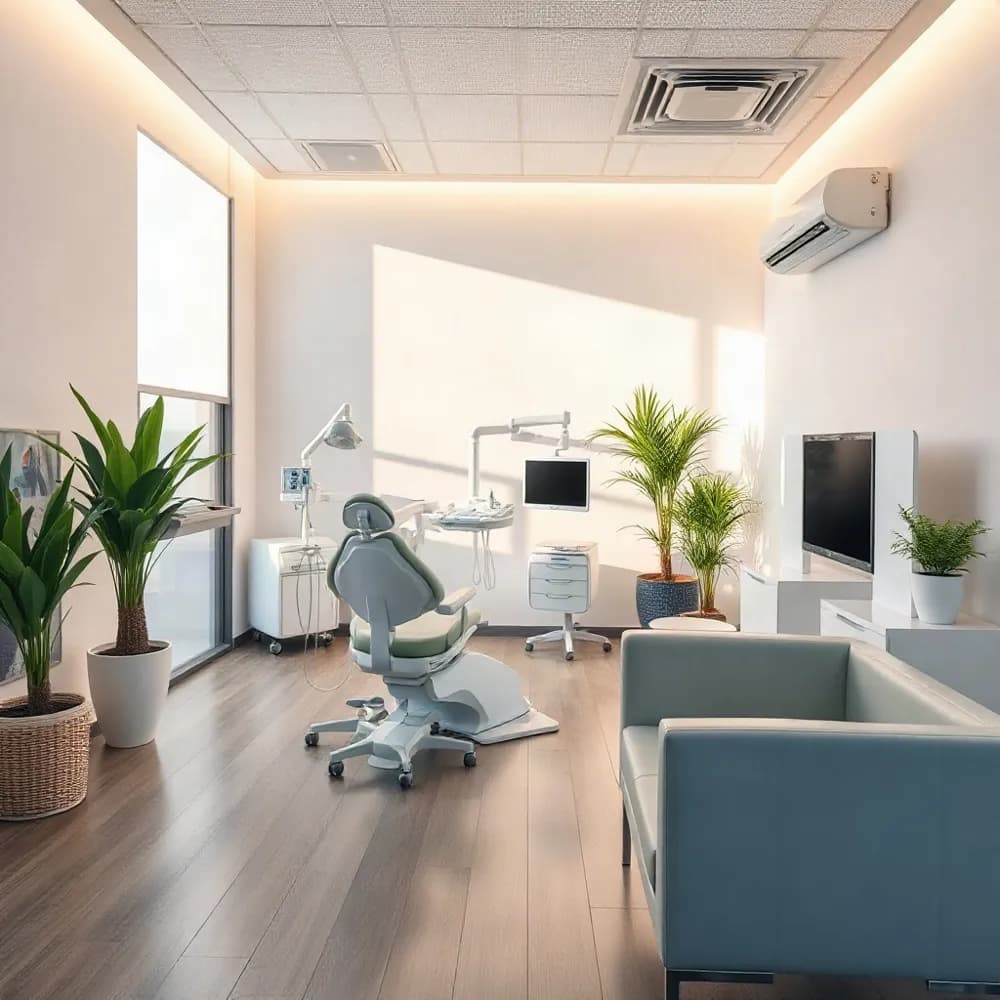
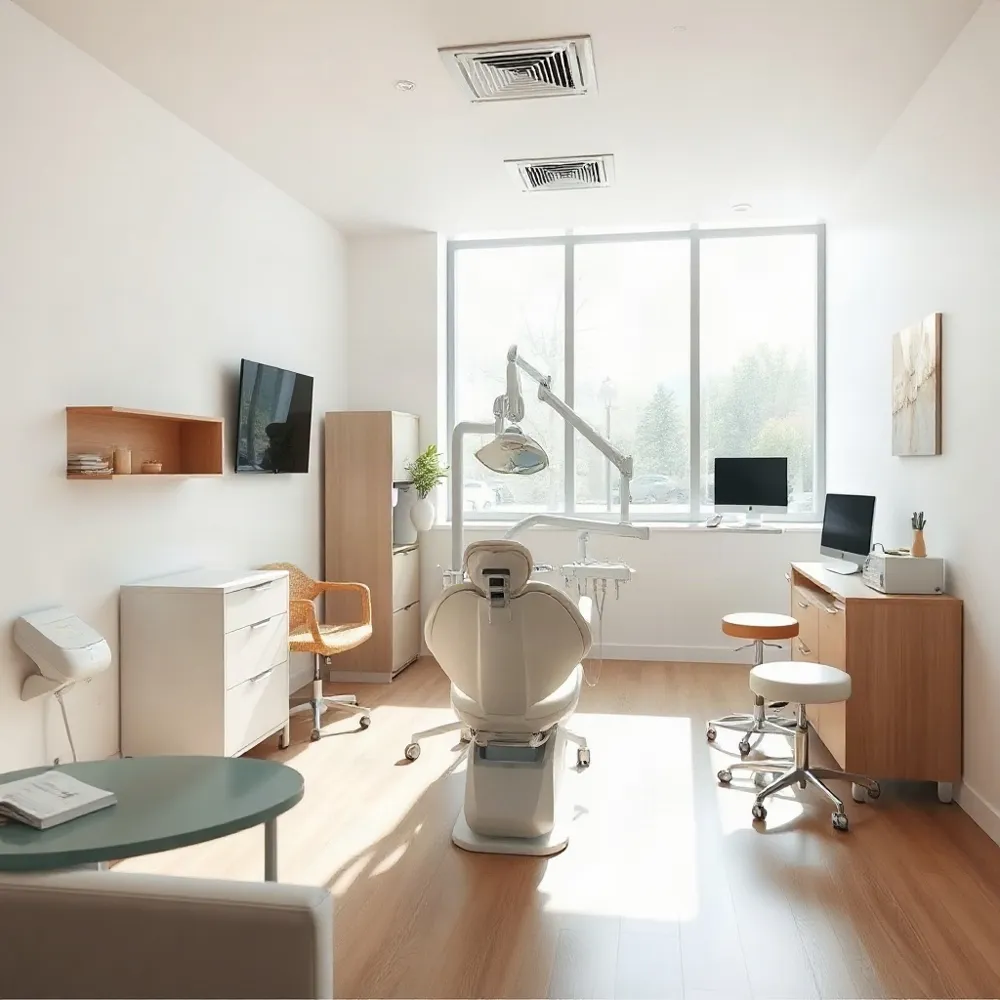
Comfort-first dental care is a patient-centered approach that prioritizes the overall well-being, emotional state, and physical comfort of dental patients throughout their visit. This approach goes beyond just the clinical treatment to create a calming, soothing environment that reduces anxiety and fear associated with dental visits. Techniques involve thoughtful communication, modern pain-minimizing technologies, relaxing office design, and personalizing care to individual patient needs, all aimed at transforming dental appointments into positive self-care experiences.
Why Patient Comfort Matters in Dentistry
Patient comfort is fundamental in dental care as many individuals experience dental anxiety or fear, which can lead to avoidance of dental treatments. Creating a comforting atmosphere helps reduce these barriers by easing stress and making visits more approachable. Comfortable environments include ergonomic dental chairs, soft lighting, soothing sounds, and amenities such as weighted blankets or noise-reducing headphones. Clear, compassionate communication with patients further alleviates anxiety by building trust and helping patients understand procedures.
Impact on Patient Loyalty and Oral Health
Prioritizing comfort results in higher patient satisfaction, promoting compliance with preventive dental care and regular visits. Comfortable patients are more likely to return for follow-ups and accept recommended treatments, contributing to better long-term oral health outcomes. Furthermore, positive experiences foster patient loyalty and encourage word-of-mouth referrals, which are vital for the growth and reputation of dental practices that emphasize compassionate, comfort-first care.
Communication: The Foundation of a Comfort-First Dental Environment
What is the importance of good communication skills in a dental office?
Good communication is fundamental in dental care as it builds trust and strengthens the relationship between dentists and patients. This trust encourages patients to stay engaged with their oral health by understanding procedures clearly, reducing anxiety, and enabling informed decision-making. Active listening by the dental team makes patients feel valued and heard, boosting satisfaction and adherence to treatment plans. Furthermore, strong communication within the entire dental staff creates a unified, stress-free atmosphere that enhances the overall patient experience and reduces chances for misunderstandings. This cohesive communication approach lowers risks, improves treatment outcomes, and ensures a patient-centered, comfort-first environment (Effective dentist-patient communication).
What are effective strategies for dentist-patient communication?
A patient-centered communication strategy starts with understanding the patient’s concerns and fears while involving them in their own care decisions. Dentists should speak using clear, simple language and avoid jargon to improve comprehension. Visual aids such as diagrams, videos, and models are excellent tools to enhance patient understanding of diagnosis and treatment plans. Empathy, proper eye contact, smiling, and positive body language build rapport and ease anxiety. Encouraging patients to ask questions and allowing enough time for consultations creates openness and strengthens engagement. Additionally, integrating modern technology—like messaging apps and telecommunication tools—improves convenience, facilitates follow-ups, and supports ongoing communication beyond the appointment (Effective dentist-patient communication.
How do active listening and empathy reduce anxiety?
Active listening involves attentively hearing patient concerns without interruption, validating their feelings, and responding thoughtfully. When dental teams show genuine empathy, patients feel safe and supported, which lowers stress and fear related to dental visits. This emotional connection helps overcome negative experiences that might cause dental anxiety, leading to better cooperation and comfort during treatments (Managing dental anxiety).
What role does non-verbal communication and patient involvement play?
Non-verbal cues such as appropriate eye contact, smiling, relaxed posture, and sitting at or below the patient’s eye level contribute significantly to patient comfort. These signals build trust and create a welcoming atmosphere. Patient involvement, such as explaining procedures step-by-step and inviting patients to use stop signals during treatment, empowers them with control, further reducing anxiety and fostering a cooperative environment (Effective dentist-patient communication.
How does the use of visual aids and technology enhance communication?
Visual tools like printed handouts, intraoral cameras, radiographs, and 3D imaging allow patients to visualize their oral health status and proposed treatments clearly. This transparency alleviates fear of the unknown and supports informed decision-making. Digital communication technologies, including patient portals, reminder systems, and tele-dentistry consultations platforms, extend communication beyond the clinic visit, ensuring patients remain informed and engaged in their oral health journey (Comfortable dental experience).
By prioritizing effective, empathetic communication and leveraging technology, dental practices can create a Comfort Dentistry approach that improves patient satisfaction, reduces anxiety, and promotes better health outcomes (Effective dentist-patient communication.
Understanding and Implementing Trauma-Informed Care in Dentistry

What is trauma-informed care in dentistry, and why is it important?
Trauma-informed care (TIC) in dentistry is an approach that recognizes how past traumatic experiences—such as abuse, accidents, or neglect—can affect a patient’s emotional and physical response to dental treatment. It prioritizes creating an environment where patients feel psychologically safe, respected, and empowered to control their care.
Principles and importance of trauma-informed care
This care model assumes trauma is widespread and integrates awareness of its effects into every aspect of dental practice. Trauma can cause heightened anxiety, fear, or avoidance of dental visits, so adopting Trauma-Informed Care in Dentistry helps reduce re-traumatization and supports patients who might otherwise avoid treatment.
Practical strategies to reduce re-traumatization
Dentists and staff can:
- Inform patients of each step, such as letting them know before reclining the chair, to avoid surprises
- Encourage patients to bring comfort objects (weighted blankets, stress balls)
- Allow patients to use stop signals to pause or stop procedures
- Avoid sudden movements or unexpected noises
Creating psychologically safe dental environments
Comforting design elements also play a role, including:
- Soothing music and calming visuals like nature scenes
- Avoidance of stressful or violent media
- Private treatment rooms
- Warm lighting and plant displays
These factors combine to reduce stress and give patients a sense of dignity and control.
Impact on patient comfort and trust
Implementing trauma-informed care builds trust between patients and providers. Patients feel understood and supported, which can increase attendance and compliance with necessary dental care. The result is improved overall oral health and a more positive, welcoming dental experience for all.
By integrating Comfort-First Dental Care Approach, dentists create a safe space that respects the whole person beyond their oral health, fostering comfort, reducing anxiety, and encouraging lifelong dental wellness.
Assessment and Management of Dental Anxiety: Integrating Technology and Behavioral Techniques
How can dental anxiety be assessed and managed during dental visits?
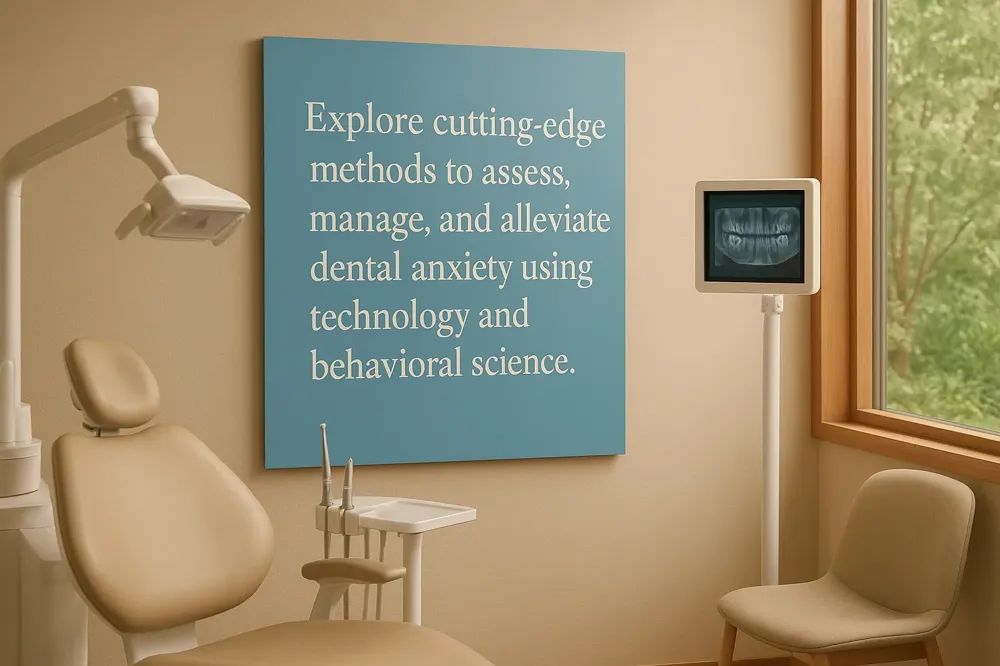
Dental anxiety can be effectively assessed using validated tools such as the Modified Dental Anxiety Scale (MDAS) and the Corah’s Dental Anxiety Scale (CDAS). These questionnaires measure the patient's fear level before treatment, enabling dentists to tailor care accordingly.
Creating a calming dental environment is crucial. Dental offices use soothing colors, soft lighting, comfortable furniture, and sound-absorbing elements to reduce sensory triggers. Amenities like noise-canceling headphones in dental care, aromatherapy, and warm blankets further enhance patient comfort.
Behavioral techniques including guided imagery for dental patients, deep breathing exercises, and mindfulness help patients relax during appointments. Dentists often employ the tell-show-do approach and establish clear effective dentist-patient communication to foster trust and predictability.
Sedation dentistry options play an important role for patients with moderate to severe anxiety. Options include nitrous oxide sedation (laughing gas), oral sedation, and, in certain cases, intravenous sedation. Safety protocols are strictly followed, and sedation is combined with psychological approaches when appropriate.
Technology also contributes significantly to comfort. Virtual reality for dental anxiety immerses patients in serene environments, reducing anxiety by distracting from the procedure. Digital visualization tools allow patients to preview treatment outcomes, increasing understanding and confidence.
Integrating these assessment tools, environmental modifications, behavioral strategies, sedation options, and innovative technologies supports a compassionate and patient-focused approach, improving the dental experience and encouraging regular care.
Designing the Physical Environment for Enhanced Patient Comfort
How Can Waiting Area Ambiance and Calming Design Elements Improve Patient Comfort?
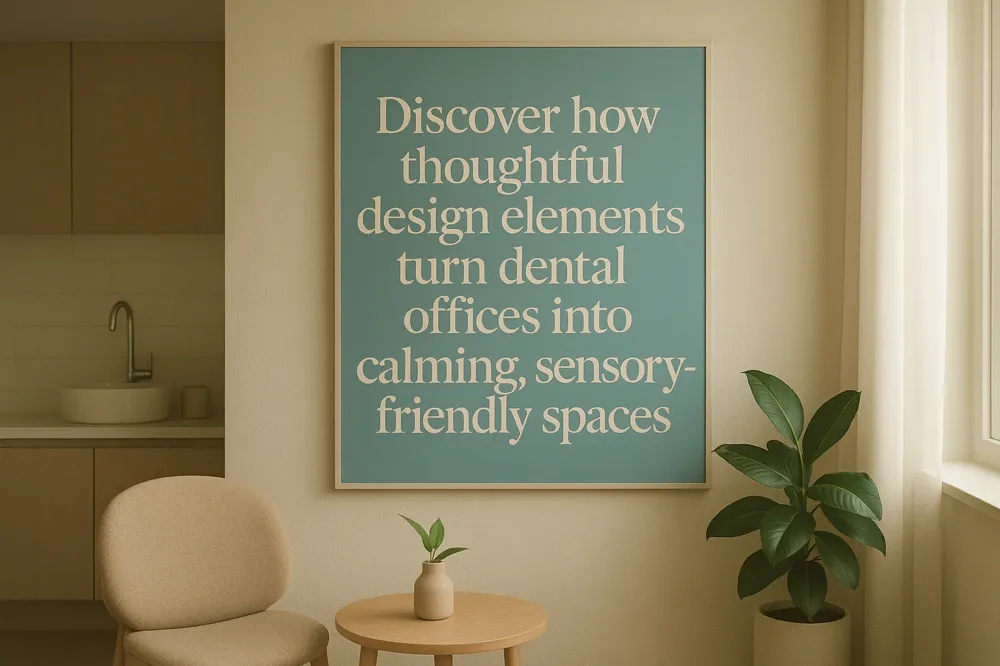
Creating a welcoming waiting area plays a crucial role in reducing dental anxiety. Calming colors such as soft blues and greens, comfortable seating, and soothing background music help foster a relaxed dental environment. Amenities like complimentary coffee, magazines, and televisions displaying nature scenes engage patients while they wait, transforming stress into calm anticipation.
What Features Make Dental Chairs and Treatment Rooms Comfortable?
Ergonomic dental chairs with adjustable positioning and plush cushioning are essential for physical comfort during treatments. Additional items like warm blankets, neck pillows, and the option for patients to choose their preferred music further enhance patient comfort in dental offices. Private treatment rooms reduce sensory overload, contributing to a sense of safety and ease.
How Can Sensory-Inclusive Features Help Patients with Special Needs?
Incorporating sensory-adaptive elements accommodates patients with sensory sensitivities and special needs. Features include dimmed lighting, noise-canceling headphones for dental patients, and minimizing sudden noises or harsh odors. Introducing calming decor and offering sensory tools such as weighted blankets or sunglasses support patients in managing sensory triggers, leading to a more comfortable dental experience.
What Role Do Natural Elements Play in Enhancing Comfort?
Natural light and views of greenery or nature integrated into dental office design have been shown to reduce patient stress levels. The presence of plants and natural imagery along with calming sounds such as soft water features or gentle ambient soundtracks promotes psychological well-being in dental care, fostering a healing environment.
Which Noise Reduction Strategies and Technologies Are Effective in Dental Offices?
Dental equipment noise is a common anxiety trigger. Sound-absorbing materials like acoustic panels and rugs, as well as white noise machines or soft instrumental music, help mask dental sounds. The use of modern, quieter dental technologies such as ultrasonic instruments and laser dentistry benefits further minimizes discomfort and noise, contributing to a serene patient experience.
By combining these thoughtful design elements and technologies, dental offices can create a comfort-first dental environment that eases anxiety and encourages regular dental care across all ages.
Role of Dental Staff and Team Dynamics in Supporting Patient Comfort

How can a positive work environment be created in dental practices?
Creating a positive work environment starts with fostering a culture of appreciation and recognition. Regular praise and rewards make dental staff feel valued, enhancing job satisfaction and morale. Offering opportunities for professional growth, such as continuing education, mentorship, and skill development, motivates employees and supports their career advancement.
Flexible scheduling and reasonable workloads encourage work-life balance, helping to prevent burnout among dental team members. Open communication and inclusivity strengthen trust and cohesion within the team, promoting a harmonious and supportive workplace.
Importance of staff training in empathy, communication, and anxiety recognition
Training dental staff in empathy and clear communication is vital for addressing patient fears and anxieties effectively. Recognizing signs of dental anxiety allows team members to respond with appropriate care, reassurance, and tailored strategies that enhance patient comfort (Staff training in empathy, Anxiety recognition training, Effective dentist-patient communication.
Dental assistants' role in patient comfort and retention
Dental assistants play a crucial part by building trust through attentive listening, addressing patient concerns, and providing comfort throughout visits. Their ability to remember personal details and educate patients helps reduce fear and encourages adherence to dental care plans, improving patient retention (Dental assistants improve patient retention, How dental assistants reduce fear).
Collaborative culture to reduce patient anxiety
Promoting teamwork and collaboration among all staff ensures consistent, patient-centered care. A unified approach where every team member understands patient needs and anxiety triggers helps create a calming environment that reduces stress for patients (Collaborative dental care, Creating a calming dental office environment, Patient comfort in dentistry).
Strategies for emotional support and mindfulness in dentistry
Incorporating mindfulness and emotional support techniques benefits both patients and providers. Simple breathing exercises, stress-relief tools, and encouraging breaks during treatment foster relaxation and emotional wellbeing. Dental teams trained in these strategies can effectively share calmness, further enhancing the patient experience (Mindfulness and stress reduction strategies in dentistry, Relaxation techniques in dentistry, Behavioral science in dentistry).
Patient Feedback and Continuous Improvement to Foster a Comfort-First Culture
What is the role of patient satisfaction surveys in dental practices?
Patient satisfaction surveys serve as a critical tool for understanding patients’ experiences and expectations during their dental visits. By gathering detailed feedback on aspects such as comfort in the reception area, wait times, communication clarity, and treatment procedures, dental practices can assess their performance from the patient’s perspective.
Surveys designed specifically for different visit types (new patient, routine cleaning, treatment visit) ensure that responses are relevant and actionable. The succinct nature of these surveys respects patients’ time while maximizing the quality of data collected.
Analyzing these survey results facilitates focused discussions among dental staff, highlighting areas for improvement — whether in staff communication, appointment scheduling, or office environment enhancements. This collective review supports continuous refinement of patient care processes.
Moreover, practices are encouraged to invite patients who express satisfaction to share testimonials and online reviews, strengthening the practice’s online reputation and attracting prospective patients.
A designated team member managing survey responses and feedback dissemination helps maintain momentum in implementing patient-centered improvements. This responsive approach builds trust and loyalty, ensuring patients feel heard and valued.
By prioritizing patient feedback, dental practices create a comfort-first culture that elevates patient satisfaction, supports better oral health outcomes, and fosters long-term relationships consistent with values at practices like Patient satisfaction surveys.
Towards a Future of Comfort-First Dental Care
Comfort-first dental care prioritizes creating a welcoming, soothing environment in every aspect of the dental experience. From calming waiting areas and ergonomic treatment rooms to empathetic communication, this approach addresses common dental anxieties and promotes trust.
Patients benefit greatly from comfort-first care. They experience reduced fear and stress, better understanding of treatments, and often require less sedation. This leads to improved treatment compliance, more frequent dental visits, and better oral health outcomes. Practices adopting these methods see higher patient satisfaction and retention, building lasting relationships based on trust and respect.
Achieving comfort-first care requires dedication from the entire dental team. Staff training in empathy, communication, and anxiety recognition is essential. Incorporating modern technology and personalized care plans further enhances patient comfort. Embracing this philosophy transforms dental visits into positive self-care opportunities rather than sources of stress.
Patients are encouraged to seek dental practices committed to comfort-first principles, where their overall well-being is valued. Experiencing compassionate dental care fosters confidence, eases anxiety, and supports lifelong oral health for individuals and families alike.