Introduction to Innovative Restorative Dentistry Solutions
Understanding Restorative Dentistry
Restorative dentistry specializes in repairing and replacing damaged or missing teeth to restore their natural function and appearance. By addressing issues such as cavities, tooth fractures, and tooth loss, this field helps patients regain comfortable chewing and confident smiles.
Why Repair and Revitalize Teeth?
Repairing damaged teeth is crucial not only to improve oral function but also to prevent further dental problems, such as infections and bone loss. Restorations like fillings, crowns, and implants restore strength and prevent deterioration while enhancing overall oral health.
Advances Elevating Patient Care
Modern restorative dentistry benefits from cutting-edge materials and technologies. Durable, biocompatible materials like porcelain and zirconia ensure restorations look natural and last longer. Digital tools—including 3D imaging, intraoral scanners, and 3D printing—allow for precise, minimally invasive treatments that improve comfort and reduce recovery time. These innovations make dental care more effective and patient-friendly across all ages.
Key Facts on Modern Restorative Dental Treatments
- Advanced dental implants use titanium posts for durable, natural-looking tooth replacement.
- Digital radiography and intraoral scanners improve diagnostic precision and patient comfort.
- 3D printing enables rapid, precise, and cost-effective fabrication of dental restorations.
- Biocompatible materials like porcelain and zirconia combine durability with aesthetic appeal.
- Laser dentistry minimizes invasiveness, reduces pain, and accelerates healing in restorative procedures.
- Same-day restorations streamline treatment, eliminating multiple visits and enhancing convenience.
- Custom night guards and TMJ therapy reduce symptoms of bruxism and jaw disorders, improving overall oral function.
- Major restorative treatments include crowns, bridges, implants, and dentures to restore function and aesthetics.
- States like Connecticut and Massachusetts have higher access to quality dental care, benefiting residents.
- Countries like Mexico and Turkey offer affordable, high-quality dental care with advanced technology for international patients.
1. Advanced Dental Implants: The Gold Standard in Tooth Replacement
What Are Advanced Dental Implants?
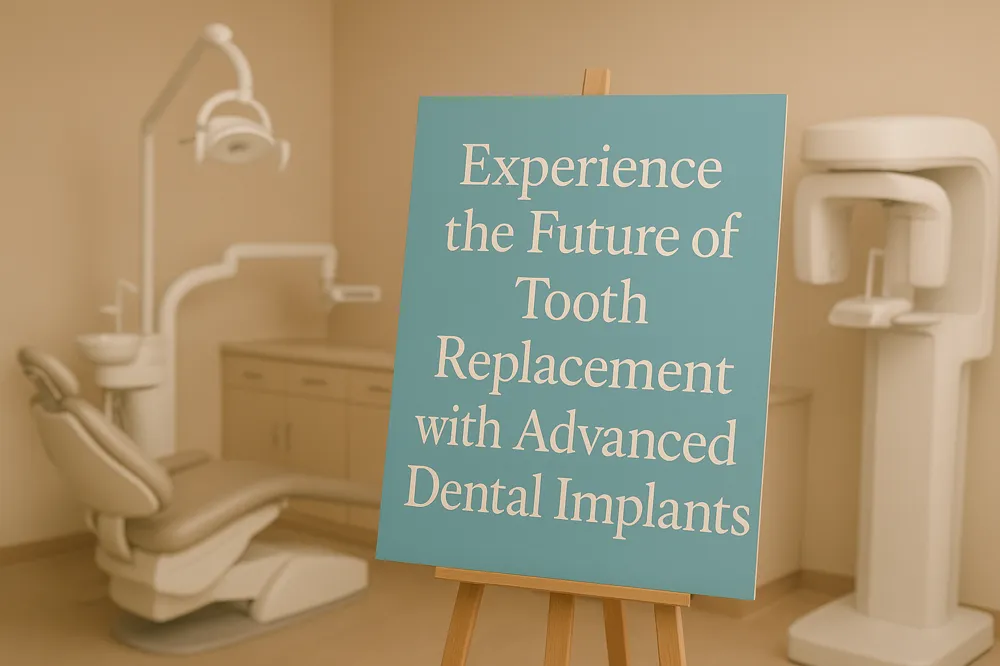
Advanced dental implants use titanium posts surgically inserted into the jawbone to replace missing tooth roots. These posts serve as a stable and durable base for crowns, bridges, or dentures, effectively mimicking natural teeth.
Benefits of Titanium Implant Posts
Titanium is biocompatible, ensuring the implant integrates well with the jawbone, promoting strong attachment and preventing bone loss that commonly occurs after tooth loss. This integration helps maintain facial structure and supports natural-looking restoration.
Precision with 3D Cone Beam Computed Tomography (CBCT)
Modern implant procedures benefit from advanced digital planning technologies like 3D cone beam computed tomography (CBCT) in dentistry. This imaging technique provides detailed, three-dimensional views of the jawbone and surrounding structures, allowing dentists to precisely plan implant placement. This reduces invasiveness, improves success rates, and results in better patient outcomes.
Advanced dental implants combine durable materials, precise technology, and natural aesthetics, positioning them as the leading choice for long-lasting tooth replacement.
2. Digital Imaging and Intraoral Scanners: Precision and Comfort in Diagnosis
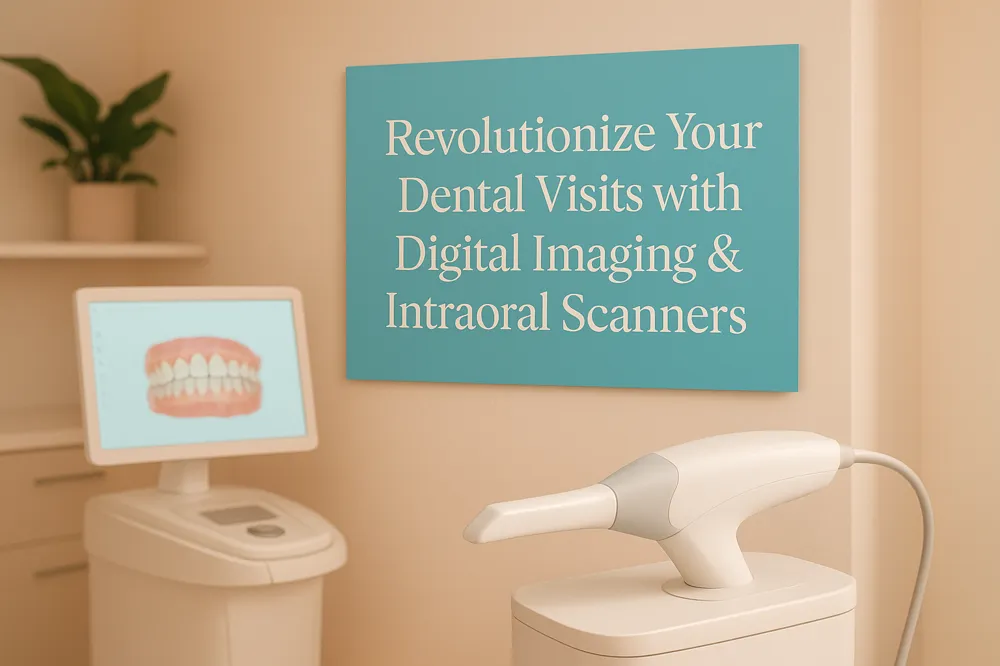
How has digital radiography improved diagnostic procedures?
Digital radiography in restorative dentistry offers detailed imaging with significantly lower radiation exposure compared to traditional X-rays. This modern technique delivers instant diagnostic results in oral health, allowing dentists to detect dental issues earlier and with enhanced precision. Early diagnosis leads to more effective, minimally invasive restorative dental treatments, improving patient outcomes and comfort.
What role do intraoral scanners play in patient comfort?
Digital imaging in restorative dentistry has transformed dental impressions by replacing the need for messy, uncomfortable putty molds. These scanners capture highly accurate 3D images of teeth and gums quickly, providing both patients and dentists with clear visuals. The process is more comfortable for patients, reducing anxiety associated with traditional impressions.
How do these technologies contribute to treatment accuracy?
Combining digital imaging and intraoral scanning enhances the precision of restorative treatments. Dentists utilize the exact 3D models and images for advanced digital planning for dental implants, ensuring custom restorations such as dental crowns, dental bridges, and dental implants fit perfectly. This accuracy minimizes adjustment needs, supports better surgical planning, and leads to longer-lasting, natural-looking results.
3D Printing Technology: Customized Restorations with Speed and Accuracy
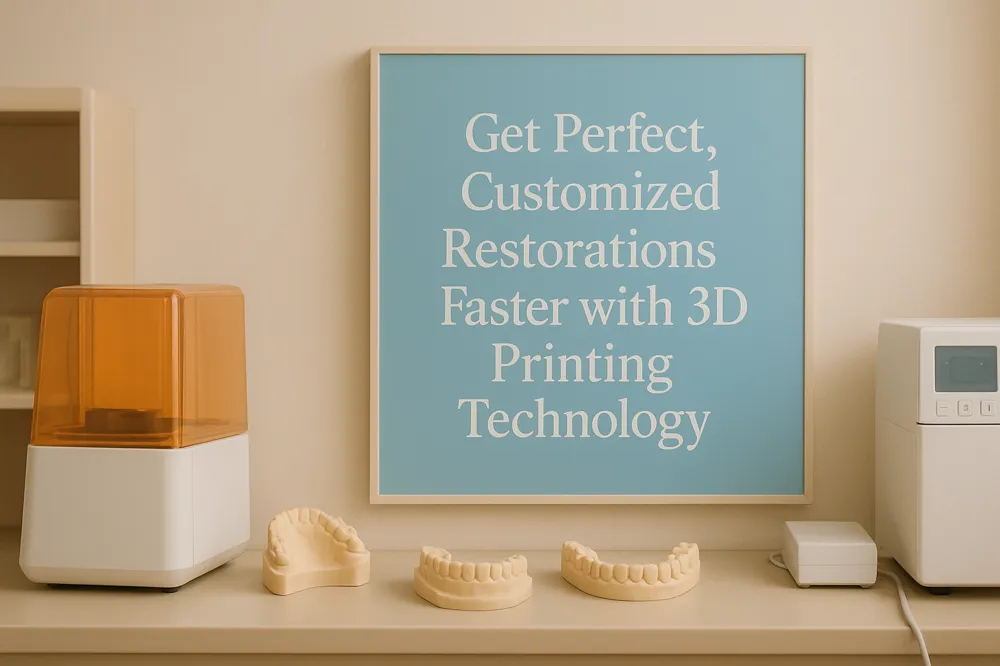
What is 3D Printing in Restorative Dentistry?
3D printing is a cutting-edge technology used to create precise dental restorations such as crowns, bridges, and dentures. It allows dentists to design and fabricate these devices with exceptional accuracy tailored to each patient's unique dental structure. Learn more about 3D printing technology in dental restoration.
How Does 3D Printing Benefit Dental Treatments?
- High Precision: The technology generates highly detailed and custom-fit restorations that closely match natural teeth, enabled by digital scanning for precise dental images.
- Speed: Dental restorations that traditionally take weeks can now be produced in just a few days, or even the same day in some cases, thanks to same-day dental restorations.
- Cost-Effective: Faster production reduces overall costs associated with multiple dental visits and lab fees, a feature of modern restorative procedures.
How Does 3D Printing Improve Patient Experience?
Custom devices created through 3D printing ensure better fit and comfort, leading to more natural chewing and speaking abilities. This technology also eliminates the need for uncomfortable traditional impressions by using digital dentistry intraoral scanners, enhancing patient satisfaction.
By integrating 3D printing into restorative dental treatments, dentists can provide efficient, precise, and patient-friendly treatment options that restore oral function and aesthetics with unparalleled speed and quality.
4. Biocompatible Materials: Combining Durability and Natural Aesthetics
What biocompatible materials are used in restorative dentistry?
Modern restorative dentistry employs materials such as porcelain, zirconia, ceramic, and composite resins. These materials are chosen for their durability, biocompatibility, and natural aesthetics which closely mimic the look and feel of natural teeth.
How do these materials benefit the appearance and function of restorations?
These materials provide restorations that blend seamlessly with your natural teeth, ensuring a pleasing, lifelike appearance. Their strength supports enhanced chewing function and clear speaking ability, making them both practical and comfortable.
Why are durable and stable restorations important?
Durable restorations withstand daily wear and pressure from biting and chewing, offering long-lasting solutions. Stability in dental materials helps prevent deterioration and maintains oral health, reducing the need for frequent repairs or replacements.
In summary, the use of porcelain, zirconia, ceramic, and composite resins in restorative dentistry ensures patients receive repairs that look natural while restoring vital functions like chewing and speech. These biocompatible ceramics in dentistry represent the modern standard for tooth restoration, focusing on comfort, durability, and aesthetics for a healthy smile.
5. Laser Dentistry: Minimally Invasive Treatments with Faster Healing
How does laser dentistry advancements improve Restorative dental treatments?
Laser dentistry uses focused light beams to remove decayed tissue and shape gums with high precision, minimizing damage to surrounding healthy structures.
What are the benefits related to patient comfort and recovery?
This technique significantly reduces pain and swelling often associated with traditional dental procedures. As a result, patients experience faster healing times and less discomfort during and after treatment.
How is laser technology applied in restorative dentistry?
Laser treatments are incorporated into various Restorative Dentistry Treatments to enhance outcomes. They allow for Minimally invasive restorative dental treatments that preserve more of the natural tooth structure, leading to improved long-term results and a more comfortable patient experience.
Laser dentistry represents a modern advance in Restorative Dentistry Overview, combining precision with patient-centered benefits such as reduced recovery times and less post-treatment pain. This approach aligns with the emphasis on personalized, Minimally invasive dental procedures offered by professional dental practices today.
6. Same-Day Restorations: Convenience without Compromise
How does technology like CEREC technology for same-day dental restorations enable crowns and veneers to be done in a single visit?
Advanced digital dentistry technology such as CEREC (Chairside Economical Restoration of Esthetic Ceramics) allows dentists to design, fabricate, and place dental crowns and veneers all in one appointment. Using intraoral scanners in restorative dentistry, dentists capture precise 3D images of the patient's teeth without the need for uncomfortable molds. The restoration is then designed on a computer and fabricated onsite with high-precision milling machines, ready to fit perfectly. This process eliminates the need for temporary crowns and multiple visits.
How do same-day restorations save time and reduce dental appointments?
Traditional restorative procedures often require several visits, including taking impressions, sending them to a lab, waiting days or weeks for fabrication, and then returning for placement. Same-day restorations streamline this by combining these steps into a single visit. Patients benefit from:
- Reduced total time spent at the dentist
- Immediate restoration of dental function and appearance
- Fewer appointments, which is especially convenient for those with busy schedules
How is precision and aesthetics maintained with digital fabrication?
Despite the speed of same-day restorations, precision is never sacrificed. Digital scanning for precise dental images produces highly accurate 3D models of the tooth and surrounding oral structures. Computer-aided design (CAD) ensures the final restoration fits perfectly and functions naturally. Materials such as biocompatible ceramics in dentistry and composite resin durability are used, blending seamlessly with natural teeth for an aesthetically pleasing result. This fusion of technology and materials assures durable, natural-looking restorations that meet both functional and cosmetic needs.
7. Innovations in Night Guards and TMJ Therapy for Functional Restoration
How do custom-made night guards help manage bruxism and TMJ disorder?
Custom-made night guards are tailored to fit each patient's unique dental structure, effectively reducing the damaging effects of Bruxism management, or teeth grinding. By providing a protective barrier, these guards prevent tooth wear and relieve pressure on the temporomandibular joint (TMJ treatment), which can otherwise lead to discomfort and further dental issues. This personalized approach ensures maximum comfort and protection, enhancing treatment success.
How do these treatments reduce pain and muscle tension related to TMJ disorder?
Night guards designed for TMJ treatment therapy help to balance the bite and reduce abnormal jaw movements, which are common contributors to muscle strain and joint pain. Through this gentle yet precise adjustment, they alleviate muscle tension in the jaw, temples, and neck areas. As a result, patients often experience significant relief from headaches, jaw pain, and other symptoms associated with TMJ treatment.
How do advancements improve oral function and overall patient comfort?
Modern therapeutic Custom-made night guards are made from biocompatible, durable materials that are lightweight and discreet, making them more comfortable to wear overnight. The integration of digital scanning technology for dental restorations and customized fabrication ensures a precise fit without bulky appliances, promoting better sleep and adherence to treatment. These innovations restore proper jaw alignment and improve chewing function, ultimately fostering healthier oral mechanics and enhancing quality of life for patients with Bruxism management and TMJ treatment-related issues.
Understanding Major Restorative Dental Treatments
What is major restorative dental treatment?
Major restorative dental treatment involves comprehensive procedures aimed at repairing or replacing damaged or missing teeth to restore both function and aesthetics. Unlike basic dental care such as cleanings and simple fillings, these treatments often involve more complex interventions.
Which procedures are included in major restorative treatments?
Major restorative treatments commonly include:
- Dental Crowns: Tooth-shaped caps that restore the shape, strength, and appearance of damaged teeth.
- Dental Bridges: Prosthetics that fill gaps created by missing teeth, anchored to adjacent teeth or implants.
- Dental Implants: Titanium posts surgically implanted into the jawbone to replace missing tooth roots, topped with crowns.
- Dentures: Removable or implant-supported devices that replace multiple missing teeth.
What should patients consider about insurance and maintenance?
Insurance plans often cover around 50% of major restorative dentistry treatments costs, making coverage and out-of-pocket expenses important factors in treatment planning. Maintaining good oral hygiene and regular dental visits are essential to prolong the lifespan of restorations and ensure their success. These treatments not only improve oral function and appearance but also contribute to better overall oral health and patient confidence.
Dental Care Access and Quality Across U.S. States
Which U.S. states have the best dental care?
States such as Connecticut, Massachusetts, Utah, Hawaii, and South Dakota commonly rank highest in adult dental visit rates. These higher visit rates generally indicate better access to quality dental care and a greater focus on maintaining oral health through regular checkups.
What factors influence dental care quality across states?
Several key elements impact dental care quality, including:
- Dentist availability and density per population
- Insurance coverage, including Medicaid and private dental plans
- Public health initiatives and oral health education campaigns
- Accessibility to modern, comprehensive dental services and restorative dentistry treatments
Areas with more dentists and better insurance access tend to have residents who receive timely dental care, contributing to healthier teeth and gums.
Why are local dental providers important in resource-limited areas?
In states or regions with fewer dental professionals or limited insurance coverage, local dental clinics play a crucial role. Providers like Veenstra Family Dental help bridge gaps by offering personalized, professional care tailored to community needs. They provide essential restorative dental treatments and preventive services, helping residents maintain good oral health even when broader resources are scarce.
By prioritizing easy access, employing modern restorative dental materials, and creating welcoming environments, local dental offices ensure quality care is available to all patients regardless of location.
Affordable and Quality Dental Care Outside the U.S.
What are some countries known for affordable and quality dental care outside the U.S.?
Countries such as Mexico, Costa Rica, Turkey, India, Thailand, Croatia, Egypt, and the Dominican Republic are recognized for offering affordable, high-quality dental care. Lower living and operational costs in these nations help reduce treatment prices significantly without sacrificing care standards.
Many accredited dental clinics in these countries boast advanced technology such as Digital imaging in restorative dentistry, 3D printing technology in dental restoration, and Digital dentistry intraoral scanners, ensuring precise and comfortable treatment experiences. Qualified dental professionals, often trained internationally, provide personalized and modern Restorative dental treatments.
Popular procedures sought by international patients include Dental implants, Dental crowns, Dentures options, and cosmetic dentistry services. Patients appreciate the combination of cost-effectiveness, skilled care, and advanced Restorative dentistry solutions that allow them to restore oral health with natural-looking, durable results.
By choosing accredited clinics that emphasize modern techniques and patient comfort, dental travelers can receive professional and comprehensive care similar to what they would expect at home, but at a fraction of the cost.
Transform Your Smile with Innovative Restorative Dentistry Solutions
Summarizing Advances in Restorative Dentistry
Advancements like biocompatible materials—including porcelain and composite resins—allow restorations that closely match natural teeth in strength and appearance. Technology such as 3D printing and digital scanning has revolutionized treatment precision, enabling custom crowns, bridges, and implants with quicker turnaround and enhanced comfort. Minimally invasive methods, laser dentistry, and same-day restorations improve healing times and patient experience.
Professional Care at Family-Friendly Practices
Consulting with experienced, family-focused dental professionals ensures personalized treatment plans. Practices offer comprehensive restorative options, using modern technology to restore smiles effectively across all ages. This patient-centered approach fosters comfort and trust, making dental visits welcoming and efficient.
Benefits for Lasting Oral Health and Confidence
Modern restorative treatments not only repair and replace teeth but also maintain jaw health, improve speech, and boost self-esteem. Durable materials and precise procedures extend restoration lifespan, supporting chewing function and enhancing natural aesthetics. These innovations empower patients with long-lasting oral health and renewed confidence.