Welcome to a Fear-Free Dental Experience for Kids
Importance of Child-Friendly Dental Care
Pediatric dentists specialize in the unique dental needs of infants, children, and teens. They use gentle, age-appropriate techniques to reduce fear and anxiety. Approaches like the Tell-Show-Do method and positive reinforcement with rewards help children feel safe and engaged.
Early Introduction to Dental Visits
Introducing dental visits early—by the time the first tooth erupts or by the first birthday—helps children become familiar with dental care. Early visits catch issues before they become problems and build trust, turning dental check-ups into a normal and positive routine.
Creating a Positive Dental Environment for Children
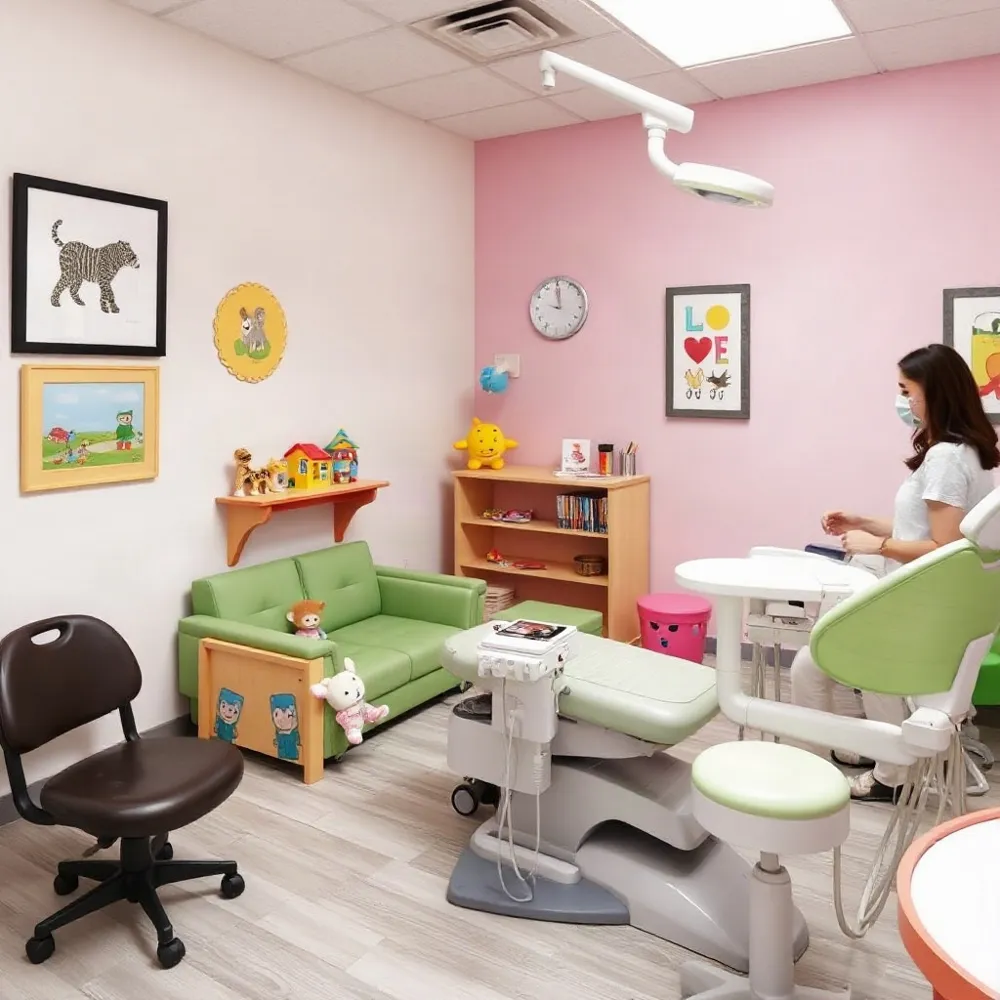
A welcoming office with colorful decor, toys, and interactive activities makes children feel comfortable. Bringing a favorite toy or blanket and scheduling visits when kids are well-rested helps ensure a calm experience. With praise, stickers, and fun distractions, children often walk in anxious and leave smiling, fostering lifelong healthy habits.
Specialized Pediatric Approaches to Reduce Dental Anxiety
How does the Tell-Show-Do technique help reduce dental anxiety?
The Tell-Show-Do dental approach is a child-friendly approach where the dentist first explains a procedure in simple, positive terms (Tell), then demonstrates using tools or models (Show), and finally performs the treatment gently with the child's cooperation (Do). This technique gives children a sense of control, reduces fear of the unknown, and makes the dental visit less intimidating.
What positive reinforcement strategies are used to encourage children?
Positive reinforcement in dentistry plays a vital role in pediatric dentistry. Dentists often praise cooperative behavior, give high-fives, and offer small rewards like stickers or toys after visits. These strategies motivate children to participate actively and associate dental visits with fun experiences rather than fear.
How can role-playing and preparation at home ease children's anxiety?
Parents are encouraged to role-playing to ease dental anxiety at home using play-pretend dentist activities that familiarize children with dental instruments and routines. Reading dental-themed storybooks and using positive reinforcement in pediatric dentistry and reassuring language prepares kids mentally, reduces anxiety, and builds trust before actual appointments.
Why are comfort items and choosing the right appointment time important?
Bringing comfort items for dental visits such as favorite blankets or stuffed animals helps soothe children during dental visits. Choosing the best dental appointment times when children are well-rested and alert also improves their mood and cooperation, contributing to a positive and calm experience.
What distraction methods help kids stay relaxed in dental offices?
Modern pediatric dental offices often use distraction techniques during dental visits like ceiling-mounted TVs, music, and interactive games to keep children entertained and relaxed during treatments. Colorful Dental Office Decor and playful environments further reduce stress and create a welcoming, friendly atmosphere.
How does Veenstra Family Dental provide compassionate care to its patients?
Veenstra Family Dental prioritizes patient comfort through a friendly, reassuring environment designed to reduce stress for all ages. Their personalized treatment plans, focus on preventive care with fluoride treatments and sealants, and emphasis on family education promote long-term oral health. By creating successful pediatric dental care experiences, especially for children, they reduce dental anxiety and foster lifelong healthy habits in a supportive, patient-centered setting.
| Approach | Description | Benefits |
|---|---|---|
| Tell-Show-Do | Explain, demonstrate, then perform procedure | Builds trust, reduces fear |
| Positive Reinforcement | Praise, stickers, rewards | Encourages cooperation |
| Role-playing at Home | Pretend dental visits, storytelling | Prepares mentally, lowers anxiety |
| Comfort Items & Timing | Bring favorite items; choose rested times | Enhances comfort, cooperation |
| Distraction Techniques | TVs, music, colorful decor | Keeps children relaxed and engaged |
Engaging Children Through Fun Dental Activities and Education

Interactive dental games and storytelling
Engaging children with interactive games for teaching oral hygiene and storytelling makes learning about oral hygiene enjoyable. Activities such as animal mimicry dental games, Lego flossing technique, and eraser brushing method teach proper brushing and flossing techniques in a playful way. Storybooks like "The Tooth Book" by Dr. Seuss or "Sugarbug Doug" help children understand dental health concepts through fun narratives, reducing anxiety about dental visits.
Using character-themed toothbrushes and music
Incorporating character-themed toothbrushes and playing two-minute brushing songs or educational videos during brushing can motivate children to brush regularly and for the recommended duration. Fun tools encourage children to see oral hygiene not as a chore but as a positive daily habit.
Educational tools like plaque disclosing tablets
Using plaque-disclosing tablets visually highlight areas where plaque remains after brushing, reinforcing proper technique. These tools help children learn how to brush all surfaces of their teeth effectively and make oral care more interactive.
Promoting healthy eating habits
Teaching children about healthy foods supports oral health alongside good hygiene. Encouraging fruits, vegetables, dairy, and lean proteins while limiting sugary snacks and drinks reduces cavity risk. Promoting water or milk instead of sugary beverages prevents harmful acid buildup on teeth.
Parental involvement in oral hygiene routines
Parents play a vital role by supervising young children’s brushing until children develop sufficient dexterity, typically around ages 7 or 8. Leading by example, using positive reinforcement for brushing habits, and participating in activities such as singing during brushing or role-playing dentist visits help children develop lifelong, healthy oral care habits.
Preventive Dental Care: Protecting Smiles from an Early Age
When Should Children Have Their First Dental Visit?
Experts recommend that a child's first dental visit should occur by the time their first tooth erupts or by their first birthday. Early visits help familiarize children with the dental environment, reducing anxiety and allowing dentists to spot potential issues early. Learn more about Early dental visits for kids and Child's First Dental Visit.
How Do Fluoride Varnish and Dental Sealants Help?
Fluoride varnish applied to primary teeth can reduce cavities by about one-third, offering a protective barrier against decay. Dental sealants, typically applied to back teeth, prevent approximately 80% of cavities in those areas by shielding hard-to-clean surfaces. For detailed information, see Fluoride varnish benefits and Dental sealants effectiveness.
Why Are Regular Checkups Important?
Routine dental checkups, usually every six months, enable professionals to monitor oral health closely. These visits include cleanings and evaluations to maintain hygiene, detect early signs of decay, and address any emerging concerns promptly. Read about the importance of Regular dental checkups for children and Successful pediatric dental care.
How Does Diet and Supervision Impact Dental Health?
A balanced diet low in sugary snacks and drinks supports healthy teeth. Parents should encourage water or milk over sugary beverages and supervise brushing routines, especially for children under six, to ensure proper use of fluoride toothpaste and effective cleaning. For guidance, visit Brushing teeth twice daily and Supervising young children’s brushing.
How is Early Detection of Cavities Achieved?
Regular dental visits, combined with parental vigilance for signs like discoloration or sensitivity, facilitate early cavity detection. Early intervention can prevent pain, infections, and difficulties in eating or speaking, promoting better overall health for children. Learn about Preventing cavities in children and Signs of dental trouble.
Advanced Technologies Enhancing Family Dental Care at Veenstra

What are the modern dental technologies used at Veenstra Family Dental?
At Veenstra Family Dental, we incorporate a range of advanced dental technologies to provide safe, efficient, and comfortable care for patients of all ages.
-
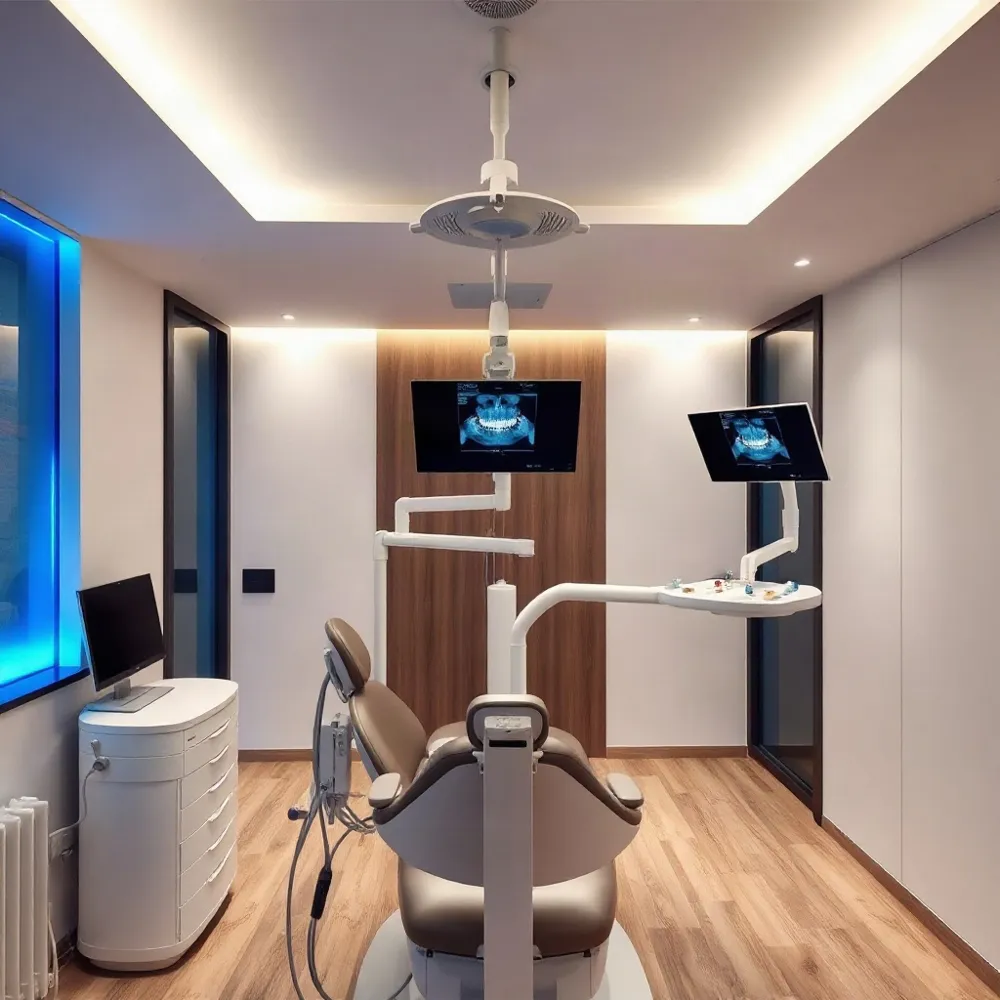
Digital Dental X-Rays and 3D Imaging: These tools offer sharper, more detailed images with significantly less radiation exposure than traditional X-rays. This makes diagnostics safer, which is especially important for children and helps in developing precise treatment plans. For more on early dental care benefits, see related resources.
-
CAD/CAM Same-Day Restorations: Our CAD/CAM system enables us to design and create custom crowns and bridges during a single visit. This eliminates multiple appointments and ensures the perfect fit and durability.
-
Laser Dentistry: Using laser technology for procedures like gum treatments or cavity removal allows for minimally invasive, pain-reduced treatments. This method promotes faster healing and is less intimidating for young or anxious patients. Strategies for Managing Dental Anxiety in Children may complement this approach.
-
Intraoral Cameras: These small cameras capture high-resolution images inside the mouth. This helps our dental team accurately diagnose issues and clearly explain findings and recommended treatments to patients and families, supporting effective cavity prevention strategies.
Why is advanced dental technology important in modern family dental care?
Advanced technologies enhance the quality, safety, and convenience of dental care for the whole family. Accurate diagnostic tools help us detect concerns early, allowing for timely and effective treatments. For guidance on early dental visits for kids, visit the CDC's oral health tips.
Reduced radiation and minimally invasive methods make appointments more comfortable and less stressful, especially benefiting children. The efficiencies from technologies like same-day restorations mean less time spent in the dental chair and fewer visits, fitting smoothly into busy family schedules. Learn about making dentistry fun for kids to ease family care.
Overall, embracing these modern tools ensures that every patient receives personalized, professional dental care in a welcoming environment, fostering lifelong healthy smiles for all ages. Explore tips on successful pediatric dental care and regular dental checkups for children for additional information.
Comprehensive and Compassionate Care for the Whole Family
How does Veenstra Family Dental ensure dental care is suitable for all family members?
Veenstra Family Dental provides dental care that meets the needs of every family member through a family-centered approach. This starts with involving parents actively in their children’s dental care, building trust early, and creating positive reinforcement in dentistry.
The practice designs a welcoming environment with Colorful Dental Office Decor. These elements make visits enjoyable and less intimidating for young patients.
Tailored treatment plans are crafted for each individual, recognizing that infants, children, teens, and adults have unique dental needs. Veenstra emphasizes modern, gentle techniques including effective pain control and sedation options when needed to help minimize discomfort and stress (Pediatric Dentist Role).
Education plays a vital role in promoting lifelong healthy habits. Dental professionals at Veenstra engage families with clear guidance on brushing, flossing, diet, and preventive care such as fluoride varnish benefits and Dental sealants. They also collaborate with dental specialists to offer comprehensive care when more advanced treatments are required.
Overall, Veenstra Family Dental combines compassionate care, a Child-Friendly Dental Care, personalized treatment, and teamwork to ensure all family members receive the best dental care suited to their needs.
Fostering Joyful Dental Experiences for Lifelong Smiles
Child-Friendly Dental Care Practices
Pediatric dentistry today focuses heavily on making dental visits enjoyable and fear-free for children. Techniques such as the Tell-Show-Do approach, positive reinforcement with stickers and praise, and role-playing help in easing anxiety and building trust. Offering a welcoming environment with colorful decor and interactive games contributes to a child’s comfort.
Early and Regular Visits
Starting dental visits by the child's first birthday establishes familiarity with the dental setting, promoting positive attitudes towards oral care. Regular checkups every six months help monitor oral health, prevent cavities, and detect issues early. Early introduction to dental care sets the foundation for healthy habits that last a lifetime.
Technology and Compassionate Care
Modern pediatric dental offices use technology like TVs, music, and interactive tools to distract and engage children. Dental professionals employ gentle communication and involve parents during visits to provide emotional support. Sedation options are available for children with significant anxiety, ensuring stress-free care.
These strategies collectively create a compassionate, fun, and effective dental experience for children, encouraging lifelong smiles.