
Careful Choices for Every Smile
Fillings, crowns, implants, and other dental treatments rely on materials that must work in the mouth while serving a specific purpose. Because the mouth exposes them to moisture, chewing forces, and changing conditions, the material choice deserves careful thought. Research on the history of dental biomaterials explains that performance depends on the material, its use, and the conditions around it.
Biocompatibility is one part of that decision. It describes how a material interacts with living tissue, but it is not a promise that the same option will suit everyone. Treatment needs, oral conditions, health history, sensitivities, and personal preferences can all shape the choice.
At Veenstra Family Dental in Midland Park, care is tailored to patients across ages, with material selection considered alongside the purpose of treatment and each person’s circumstances. A thoughtful discussion helps patients understand the options and make an informed choice with their dental professional.
What Biocompatibility Means
 Biocompatibility describes how well a material performs its intended job while interacting appropriately with the body in a particular use. In dentistry, that interaction may involve tooth structure, gums and other oral tissues, the tooth’s inner tissues, or jawbone. A material’s suitability depends on where it is placed and how long it remains there.
The mouth also puts materials under ongoing stress. Saliva, acids, temperature changes, chewing forces, and microbes can affect a material’s surface and durability over time. A material that works well in one setting may not be suitable for another, so biocompatibility is not a universal label or a guarantee that every patient will respond the same way. Research on dental biomaterials describes how the oral environment, material properties, and duration of use all shape performance.
Patient factors matter, too. A history of allergies or sensitivities, along with the treatment site and the demands placed on a restoration, can influence which option a dentist recommends. At Veenstra Family Dental, treatment planning draws on each patient’s needs and the practice’s modern dental techniques, rather than treating one material as right for everyone.
For patients, this means material choice is a practical conversation about function, comfort, and fit. A dentist can explain why a material suits a particular filling, crown, or other restoration and discuss relevant concerns. The history of dental biomaterials also shows why long-term behavior matters alongside a material’s initial properties.
Why Material Compatibility Matters
A filling, crown, or appliance sits close to oral tissues and is exposed to saliva, food, and daily chewing. Its material needs to do its job while remaining suitable for that specific location and length of use. The mouth’s changing conditions can also affect how a material performs over time.
Careful selection aims to reduce the likelihood of irritation, toxicity, or allergic responses, not to promise that any material is risk-free for every person. A material may wear, corrode, or degrade, and individual sensitivities can influence how the body responds. A review of dental biomaterials describes how material properties, oral conditions, and time in use all shape performance (research on the history of dental biomaterials).
A suitable choice can support comfort and function as well as the durability of dental work. These goals need to be balanced with the treatment’s demands and, where relevant, the appearance a patient prefers. A professional reference on biocompatibility of dental materials emphasizes selecting and discussing materials in light of each patient’s needs.
That conversation can include your medical history, known sensitivities, previous reactions, treatment requirements, and preferences. At Veenstra Family Dental in Midland Park, patients can discuss these factors with the dental team and ask questions about the options being considered. Sharing a prior reaction or concern helps make the conversation more specific to you.
How Dental Materials Are Assessed
 How is the biocompatibility of dental materials evaluated? There is no single test that can answer that question for every treatment. Assessment considers the material’s properties, where it will be used, the tissues it may contact, and how long it is expected to remain in place. This application-specific approach helps explain why a material suitable for one purpose may not be appropriate for another.
The ISO 10993 standards guide biological safety evaluations of medical devices and materials. Depending on the product and its intended use, testing may examine cell damage, sensitization, irritation, genetic damage, or systemic toxicity. These results contribute to an overall safety assessment, rather than acting as a guarantee that every person will respond in the same way.
Safety is considered alongside practical needs. A restoration must suit its location and purpose, with appropriate strength, resistance to wear, and appearance. Dentists also consider the specific product and available evidence, rather than treating a material category as a guarantee.
Materials for Restorations and Repairs
Restorative materials are chosen for the job a tooth needs done, not because one option suits every patient. At Veenstra Family Dental, material decisions are part of personalized care, with the tooth’s condition and the patient’s needs guiding the discussion.
Composite resin is a tooth-colored option for fillings and bonding. It can bond to tooth structure, which may help preserve healthy tissue during treatment. Glass ionomer cement bonds chemically to the tooth and releases fluoride, making it useful in selected fillings and for cementing restorations. Each has different properties, so suitability depends on the tooth and the demands placed on it.
Porcelain and other ceramics can create natural-looking crowns, veneers, and bridges. Zirconia is a strong ceramic used in restorations and implants, while gold has a long history in dental devices and is valued for its resistance to corrosion. Gold may suit some restorations, but appearance and clinical needs mean it is not right for every tooth. Learn more about materials used in dental restorations.
For a filling, the dentist considers the cavity’s size and location, chewing forces, and how much healthy tooth structure can be preserved. A visible tooth may call for a close color match, while a back tooth may place greater demands on strength and resistance to wear.
Cost, expected durability, staining, appointment needs, insurance coverage, dental history, and personal preferences can also shape the decision. Some restorations are placed directly, while others are made outside the mouth and require a separate fitting visit. Veenstra Family Dental provides care for patients of all ages, and a dental evaluation can clarify which options fit the tooth and the patient’s priorities.
Choosing Materials for Dental Implants
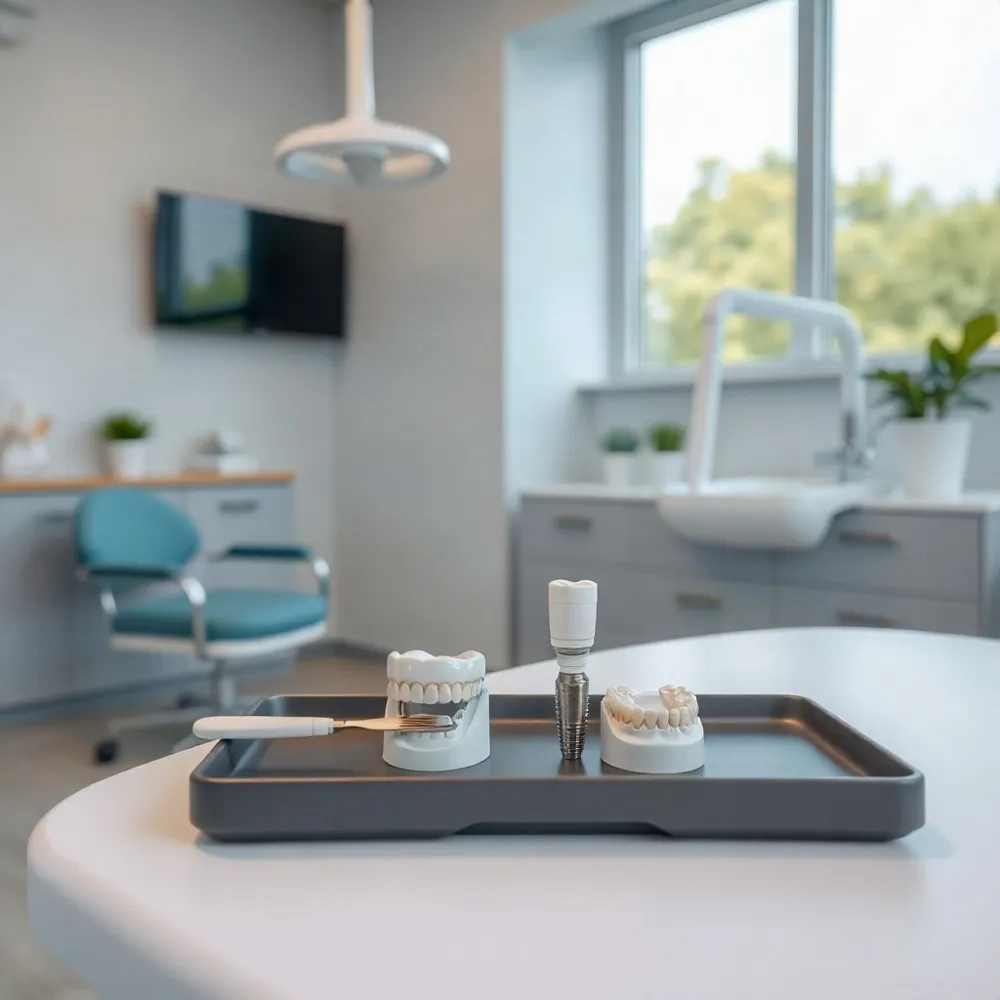 Titanium and zirconia are both used for dental implants, but the right choice depends on the patient, the condition of the mouth, and the treatment plan. At Veenstra Family Dental, implant recommendations are considered in the context of each patient’s needs, including oral health and personal treatment goals.
Titanium has a long history of use in implants. Its surface forms a protective oxide layer that helps resist corrosion, and titanium can bond directly with bone in a process called osseointegration. These properties can help provide a stable foundation for a replacement tooth, though the outcome also depends on individual anatomy and other clinical factors. A review of dental biomaterials discusses how titanium’s surface and the conditions in the mouth affect its performance.
Zirconia is a strong, metal-free ceramic that may be considered when metal sensitivity or the appearance of an implant is a concern. It is not automatically the better option for those circumstances, and suitability depends on the patient’s clinical needs and the specific implant treatment. Neither material can be guaranteed to prevent a reaction in every person.
Before deciding, tell your dental professional about your medical history, previous reactions or sensitivities, and what you hope to achieve. A careful discussion can weigh the benefits and limitations of each material alongside bone and gum health, implant location, and the demands of the restoration. Professional references on dental material biocompatibility also emphasize matching material choices to the individual case.
A Choice Made Together
A considered material choice balances how it interacts with the body against the demands of the treatment, including strength, durability, and appearance. Research on dental biomaterials also highlights that performance depends on the material, its setting, and how long it must function.
There is no single material that suits every tooth or patient. At Veenstra Family Dental, care is personalized for patients of all ages, with recommendations shaped by clinical needs and individual circumstances rather than a one-size-fits-all rule.
At your consultation, mention any known allergies, past reactions to dental work, or concerns about particular materials. Ask what options fit your treatment and why. An open discussion helps your dental team explain the benefits and trade-offs, so you can make an informed choice together.