Why Professional Cleanings Matter
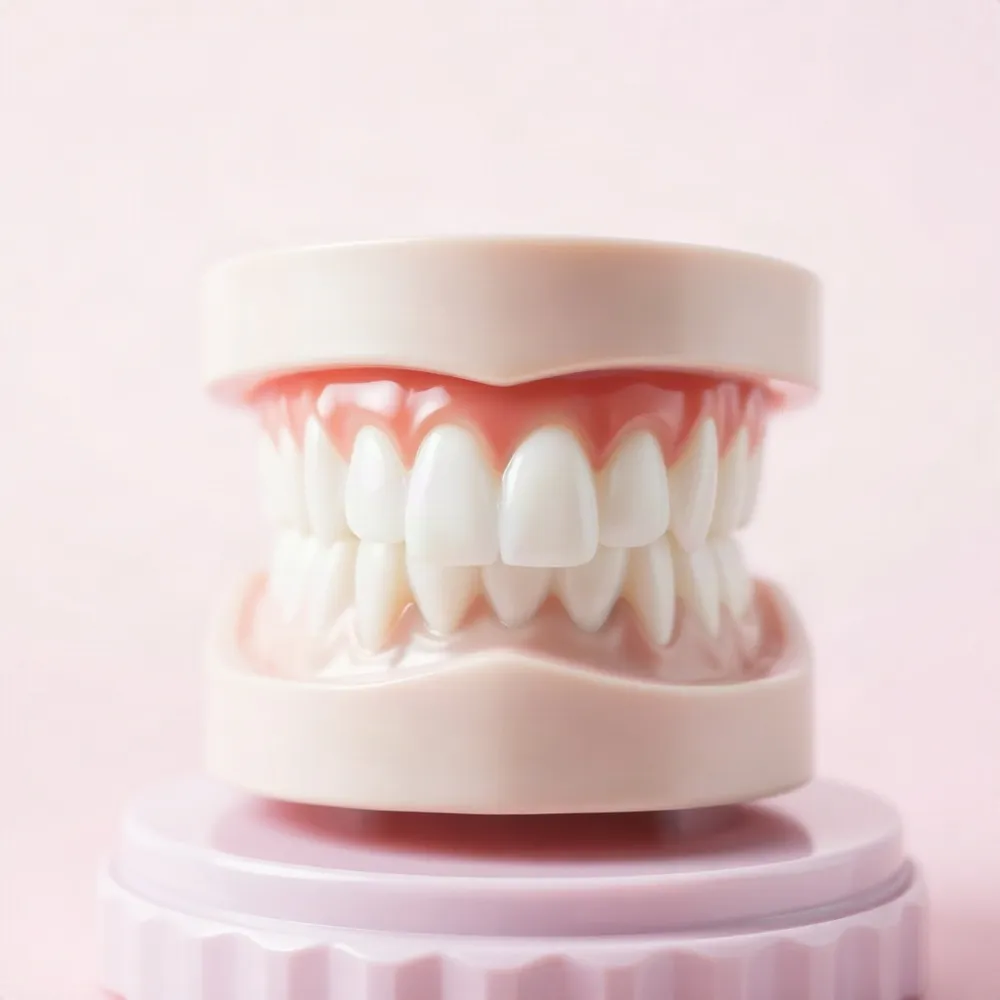
Brushing and flossing every day help protect teeth, but they may not remove all the plaque and hardened tartar that collect around teeth and gums. A professional cleaning reaches these areas and gives the dental team a chance to check your oral health. It is preventive care, not a replacement for your home routine.
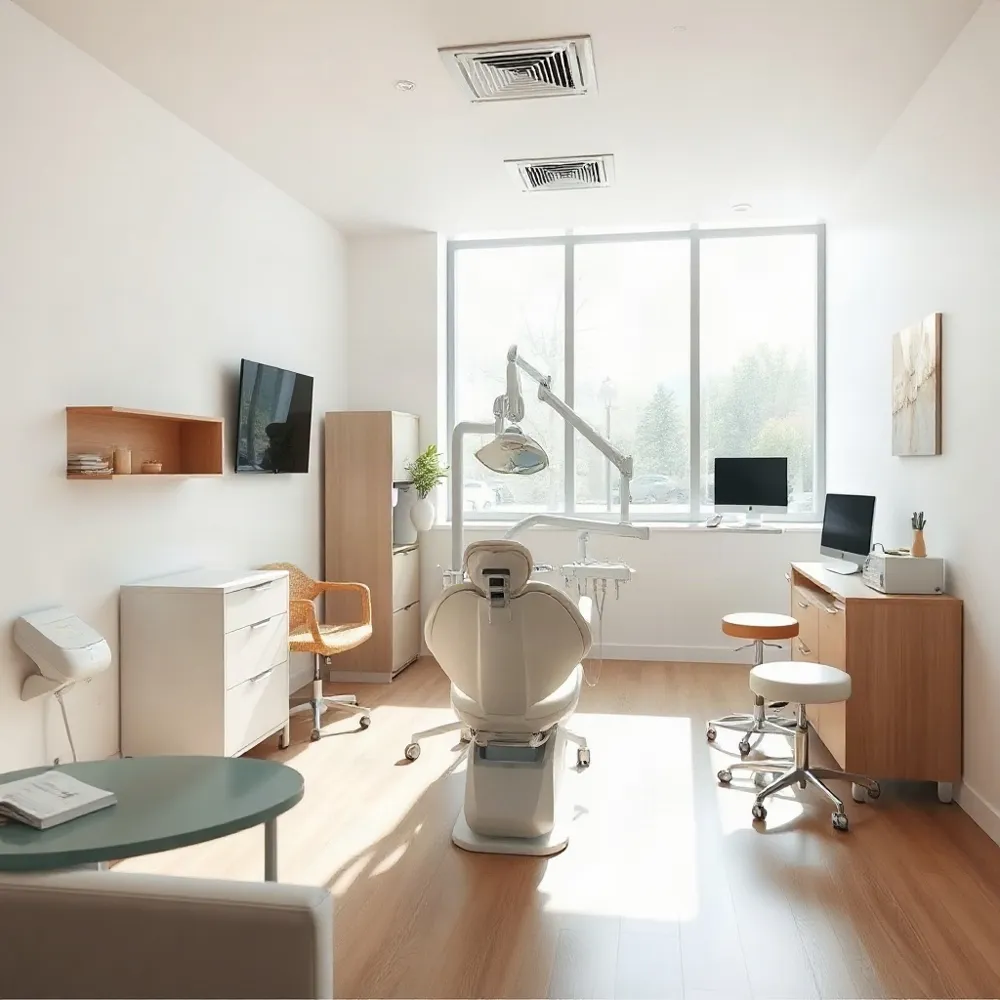
At Veenstra Family Dental in Midland Park, care is designed for patients of all ages, with attention to each person’s needs and comfort. Your dental team can recommend cleaning steps and a schedule based on your gum health, medical history, and other risk factors. Keeping up with home care between visits helps maintain the benefits of professional cleaning.
Benefits and Cleaning Schedules
 Professional cleaning removes plaque and hardened tartar from places a toothbrush and floss may miss. This can lower the risk of cavities and gum disease, while reducing odor-causing germs that contribute to bad breath. At Veenstra Family Dental, a cleaning also gives the dental team a chance to check your teeth and gums and offer guidance suited to your needs.
Polishing may lift some surface stains and leave teeth feeling smoother, but it does not change the natural color of teeth like whitening treatment. A cleaning can also help the dental team spot concerns that may need attention before they become more involved. Learn more about the benefits of professional cleanings.
Many dentists recommend a cleaning about every six months, though this is common guidance rather than a universal schedule. The Cleveland Clinic’s dental cleaning guidance notes that the right interval depends on a person’s oral health. Gum health, dental history, and other risk factors may call for visits more often.
People receiving care for gum disease may be advised to return every three to four months, depending on their condition and response to treatment. Regular cleanings have also been associated with a lower risk of heart disease, stroke, and dementia, but this does not mean they guarantee prevention. Ask your dental professional what schedule fits your needs, and keep up with brushing and flossing between visits.
Choosing the Right Type of Cleaning
 The right cleaning depends on the condition of your teeth and gums, not simply how long it has been since your last visit. At Veenstra Family Dental in Midland Park, care is personalized for patients of all ages, with the dental team assessing your needs before recommending an approach.
A routine cleaning, or prophylaxis, is generally for people with healthy teeth and gums. It removes deposits from tooth surfaces as part of preventive care. If heavy buildup makes it difficult to examine the teeth and gums, a dentist may recommend gross debridement first. Cleveland Clinic’s overview of dental cleaning types explains how these options differ.
Scaling and root planing is a deeper treatment for gum disease. It removes buildup below the gumline and around tooth roots, and the gums are numbed for the procedure. After treatment, periodontal maintenance provides ongoing care, often at shorter intervals than routine preventive cleanings. Learn more about how professional cleanings protect gums.
Having routine cleanings more often than twice a year is not usually harmful when a dental professional recommends it. Shorter intervals may suit people who need help managing gum disease or recurring buildup. Routine cleanings and deep cleaning are different kinds of care, not simply more or less frequent versions of the same procedure. Your dental professional can consider your oral health, medical history, and home-care habits when recommending a schedule.
Steps and Instruments Used
 A professional cleaning usually starts with a check of your teeth and gums for inflammation, decay, or other concerns. At Veenstra Family Dental, care is personalized, and the team can explain what they see before moving on to the cleaning.
During scaling, a hygienist removes plaque and hardened tartar from tooth surfaces and around the gumline. Hand instruments allow careful work in specific areas; an ultrasonic scaler uses vibration and water to loosen and rinse away deposits. Scraping sounds can occur, but scaling should not hurt, according to the Cleveland Clinic’s dental cleaning guide.
After scaling, the hygienist polishes the teeth with a soft rubber cup and special toothpaste. Flossing may clear remaining debris between teeth and help identify spots that need extra attention at home. The instruments used can depend on the amount and location of buildup, your oral health, and your comfort.
Some visits may also include X-rays to check areas that are difficult to see, fluoride to help protect against cavities, or sealants for teeth with deep grooves. These additions depend on your needs, rather than being required at every cleaning.
Tell the dental team if you feel uneasy or have sensitivity. At Veenstra Family Dental, modern techniques and a welcoming, family-focused approach support care tailored to patients of all ages. The team can describe each step and adjust the approach to help you remain comfortable.
Timing and Your Dental Team
A routine dental cleaning usually takes about 30 to 60 minutes. Buildup, gum health, and the time since your last visit can affect how long it takes, as can an examination or X-rays during the same appointment. The Cleveland Clinic’s dental cleaning guide describes this typical range and notes that more involved cleanings may take longer.
If you need deeper periodontal treatment, the appointment may run longer or be divided across visits. The dental team can estimate the time after reviewing your oral health and planned care. For more about routine appointment timing, see what to expect during a comfortable dental cleaning.
A licensed dental hygienist commonly performs a routine cleaning, removing plaque and tartar and, when appropriate, polishing teeth. The dentist examines your teeth and gums, reviews concerns, and oversees your care. Team roles and visit steps can vary with your needs. At Veenstra Family Dental, the team can explain each part of the visit and help you feel comfortable, with care personalized for patients of all ages.
Comfort Before and After Cleaning
A routine cleaning is usually comfortable, but scaling can cause pressure or brief sensitivity, especially when gums are inflamed, teeth are sensitive, or tartar has built up. The Cleveland Clinic’s dental cleaning guide notes that scaling should not hurt, though some people have temporary sensitivity or sore gums afterward.
Before treatment, tell the dental team about sensitive teeth or tender areas. If you feel discomfort, speak up right away. The hygienist can pause, adjust their technique, or discuss comfort options. Agreeing on a hand signal and taking breaks can help you feel in control. At Veenstra Family Dental, care is personalized, and patients can raise concerns with the team during their visit.
Mild gum soreness or tooth sensitivity after cleaning usually settles within a few days. Contact your dentist if pain is severe or does not improve. For temporary tenderness, softer foods may feel more comfortable; consider avoiding very hot, cold, crunchy, or acidic foods until the sensitivity eases.
Most people do not need to avoid anything before a routine cleaning, but follow your dental team’s instructions if you are having additional treatment. After standard care, you can generally return to your usual activities. If you receive fluoride, follow the product-specific directions, which may include waiting about 30 minutes before eating or drinking. Ask the team whether to delay brushing or flossing, since instructions can vary after fluoride treatment or a deep cleaning.
For more details on what to expect and ways to manage anxiety, see Veenstra Family Dental’s guide to a comfortable dental cleaning.
Deep Cleaning and Follow-Up Care
Are deep cleanings worth it, and what happens afterward?
When gum disease creates pockets around the teeth, a dentist may recommend scaling and root planing. This deep cleaning removes plaque and tartar below the gumline and smooths the roots to support healing. The dentist bases the recommendation on examination findings, since untreated gum disease can damage the tissues and bone that support teeth. Cleveland Clinic’s overview of dental cleaning explains how this treatment differs from routine cleaning.
At Veenstra Family Dental in Midland Park, the recommendation is guided by each patient’s oral health assessment. After treatment, mild tenderness, sensitivity, or slight bleeding may occur temporarily. Follow your dental team’s instructions, and brush and floss gently. A follow-up evaluation helps check healing; periodontal maintenance may then help manage gum disease over time. Learn more about deep cleaning and follow-up care. Contact the dental office if pain or swelling worsens or bleeding continues.
Can you get sick after a dental cleaning?
Most people do not get sick after a routine cleaning. Temporary tenderness, slight bleeding, or sensitivity alone does not mean you are ill. Tell your dental team about relevant health conditions before treatment so care can be tailored to you. Seek prompt professional advice for fever, worsening symptoms, pus, or difficulty swallowing.
Costs and Care Between Visits
How much does a professional dental cleaning cost, and will insurance cover it?
The cost depends on the type of cleaning, your oral-health needs, the dental office, and location. Many dental plans cover routine preventive cleanings, but coverage limits and out-of-pocket costs vary. A more involved cleaning may be billed differently from a routine visit, so check your benefits and ask the office for an estimate before treatment. At Veenstra Family Dental, the team can help you understand your options and plan care around your needs. For background on how preventive care costs and insurance can vary, see costs and care between visits.
How should you care for your teeth at home between professional cleanings?
Brush twice a day for two minutes with fluoride toothpaste and a soft-bristled toothbrush. Angle the bristles gently toward the gumline and clean each tooth surface. Once a day, clean between your teeth with floss or another tool recommended by your dental team. These habits help maintain oral health between visits, while professional dental cleanings remove buildup that brushing at home may not fully reach.
Limit frequent sugary snacks and drinks, and drink water regularly. Disclosing tablets can help reveal places you may be missing when brushing. Follow personalized advice, especially if you have braces, gum concerns, sensitive teeth, or a higher risk of cavities. Daily care supports a healthy mouth, but it does not replace professional examinations and cleanings recommended for you.
A Personalized Preventive Routine
Professional cleanings remove plaque and tartar that brushing and flossing may leave behind, while daily home care helps maintain your teeth and gums between visits. The right cleaning and schedule depend on your oral health, so follow the plan discussed with your dental team.
Before or during an appointment, mention sensitivity, anxiety, health changes, or questions about treatment. Veenstra Family Dental’s family-focused care in Midland Park, New Jersey, serves patients of all ages in a welcoming setting. Keep brushing and flossing daily, and contact your dental team if concerns arise before your next recommended visit.