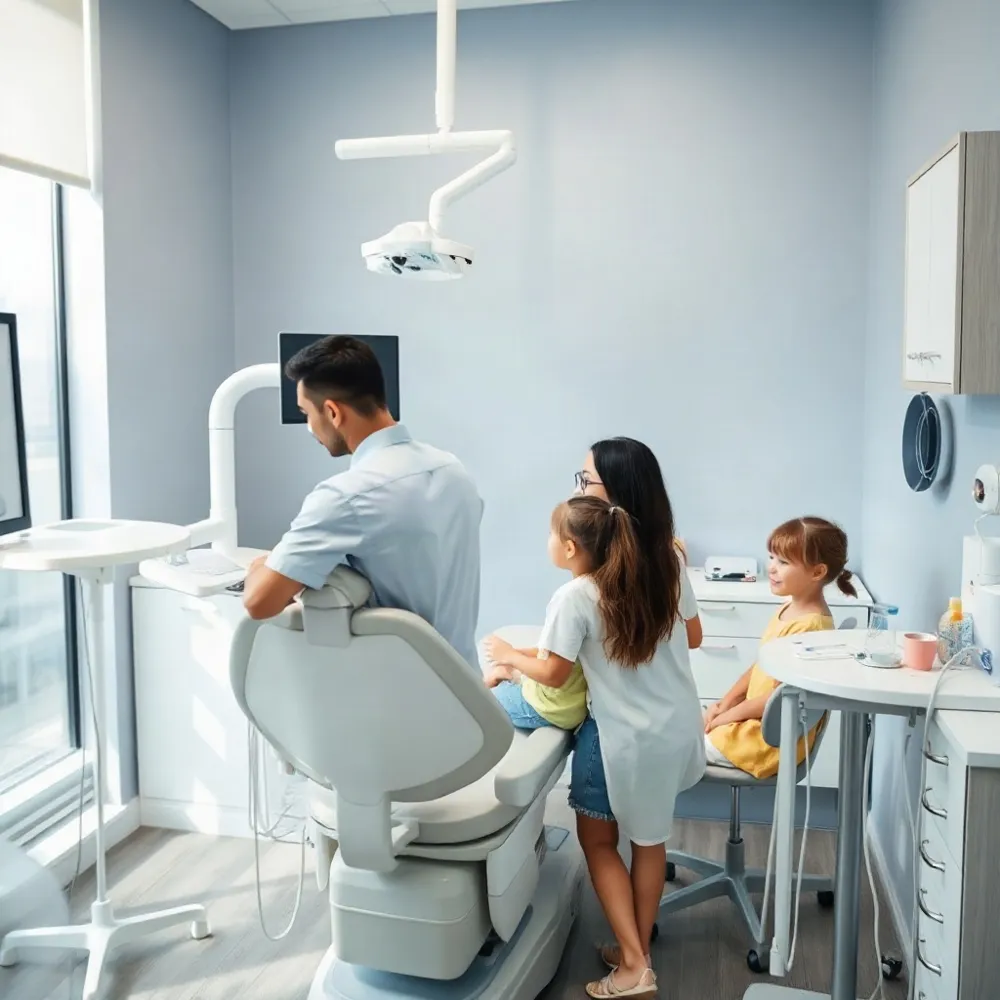
Concerns Can Begin Without Pain
Tooth decay, gum disease, small cracks, and gradual wear may develop before they cause pain. Changes around fillings, crowns, or other restorations can also be hard to notice at home. A lack of toothache does not necessarily mean teeth and gums are healthy.
A routine exam gives a dental professional a chance to check for changes a patient may not see or feel. The dentist can assess teeth, gums, bite, and existing dental work, then explain whether monitoring, preventive care, or treatment makes sense. Exams can help identify concerns early, but they cannot guarantee that every problem will be found.
Recommendations depend on a person’s oral health, history, and risk factors, so the right care and visit schedule may differ across ages. At Veenstra Family Dental in Midland Park, care is offered to patients of all ages, with modern techniques and recommendations shaped around individual needs. A checkup can be a useful starting point for discussing concerns and planning preventive care. MedlinePlus explains what a dental exam can assess.
What a Checkup Can Reveal
 A checkup commonly brings a professional cleaning and a dentist’s examination together, though they serve different purposes and can be scheduled separately. At Veenstra Family Dental, exams and cleanings are offered as preventive services, with care guided by each patient’s oral health and history.
During a cleaning, a hygienist may scale away plaque and tartar, polish teeth, and offer guidance on brushing and flossing. Tartar is hardened buildup that routine brushing and flossing cannot remove. The dentist’s examination is an assessment of oral health, not a substitute for the cleaning. MedlinePlus explains what a dental exam may include.
The dentist may check teeth for decay or damage, gums for inflammation or bleeding, and the bite for changes or signs of wear. Existing fillings and crowns can also be assessed, along with the tongue, lips, and other soft tissues for unusual changes. X-rays may be recommended when a visual examination alone cannot answer a clinical question.
A routine checkup offers a general assessment, while a focused evaluation looks more closely at a particular symptom or concern. A comprehensive exam reviews the teeth, gums, bite, jaw, restorations, and oral tissues more broadly. It may be appropriate for a new patient, after a significant change in oral health, or when a thorough baseline would help guide care. The right approach depends on clinical needs.
Share relevant health and dental history, medication changes, symptoms, and habits such as grinding or clenching. These details help the team interpret findings and shape recommendations. At Veenstra Family Dental, patients can discuss findings and questions with the care team and review whether monitoring or treatment makes sense.
What happens during a routine dental checkup?
A routine checkup usually includes a professional cleaning and an examination by the dentist. A hygienist may remove plaque and tartar, polish the teeth, and share home-care tips. The dentist checks the teeth and gums and may examine soft tissues; X-rays are taken when appropriate for the patient’s health and history. The team discusses findings, answers questions, and recommends next steps suited to the patient.
What is the difference between a dental exam and a cleaning?
An exam assesses the teeth, gums, and other tissues for concerns such as decay, gum disease, or unusual changes. A cleaning removes plaque and hardened tartar and may include polishing. These services often happen at one visit, but neither replaces the other. The dental team can explain which services are planned and tailor the visit to the patient’s needs.
What types of dental examinations are available, and when might a comprehensive exam be recommended?
Visits may include routine checkups, focused evaluations for a specific concern, or comprehensive exams. A comprehensive review may include gum measurements, an oral cancer screening, or X-rays when clinically needed. It can help establish a baseline for a new patient or guide care after a notable change, but the type and timing depend on dental history, risk factors, and clinical findings.
Why Earlier Detection Matters
 A cavity can begin without causing toothache or sensitivity, and gum disease may progress gradually. Red, swollen, or bleeding gums, including bleeding during brushing or flossing, are worth discussing with a dentist. A dental exam can help identify decay and gum problems before they become more serious, though no exam can guarantee that every concern will be found before symptoms appear.
An examination also gives the dentist a chance to assess changes beyond decay. Worn or flattened biting surfaces, cracks, a changed bite, or changes around fillings, crowns, and bridges may call for monitoring or further evaluation. The right next step depends on what is found and how far a concern has progressed.
At Veenstra Family Dental, care is personalized across ages, with findings considered alongside each patient’s dental history. Returning visits can help the dental team compare what they see over time and notice changes that may be hard to recognize at home. Earlier attention may allow a concern to be addressed before it becomes more disruptive, but the appropriate plan varies by person.
If you notice gum bleeding, a new crack, or a change in how your teeth fit together, mention it at your appointment rather than waiting for the next routine visit.
When Imaging Adds Useful Information
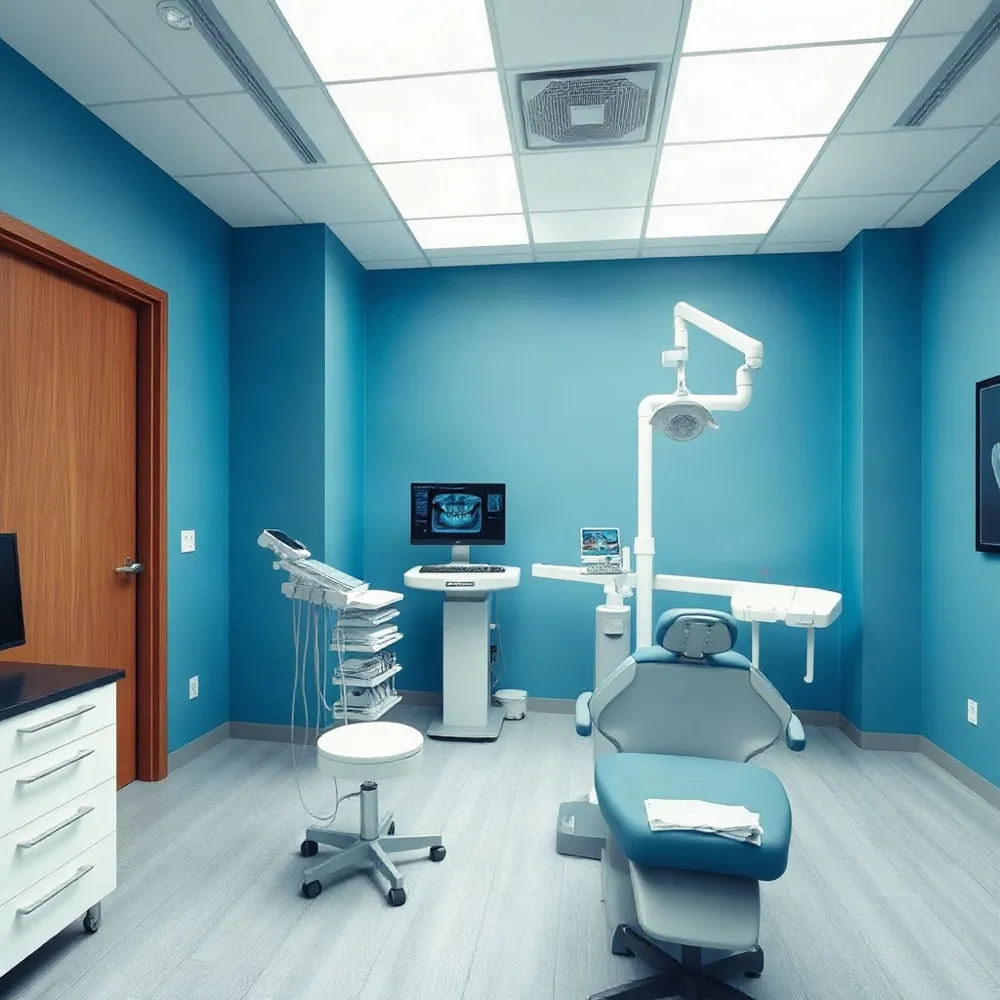 A visual examination gives a dentist useful information, but it cannot show every surface or structure. When appropriate, dental X-rays can help assess spaces between teeth, tooth roots, jawbone, and areas beneath some fillings. They may reveal decay, bone changes, infection, or tooth position that is not apparent by looking in the mouth. For more on what images can add to an exam, see how dental X-rays help assess areas beyond a visual exam.
Different images answer different clinical questions. Bitewings show the crowns of upper and lower teeth together and can help reveal decay between teeth. Periapical images show one or a few teeth from crown to root, including nearby bone. Panoramic images capture the teeth and jaws in one view. The dentist selects an image based on what needs assessment, rather than taking every type at every routine visit. MedlinePlus explains common dental X-ray views and what they can show.
An X-ray does not identify every cavity. The dentist interprets images alongside the visual examination, symptoms, and dental history, then may recommend treatment or monitoring. At Veenstra Family Dental, care is tailored to each patient, with modern dental technology supporting professional assessment across ages.
When might a dentist recommend dental X-rays, and can a patient ask questions or decline them?
Imaging may be recommended when an exam alone cannot answer a clinical question, such as whether decay, infection, or a change in the supporting bone is present, or when planning treatment. The need and timing depend on oral health, age, risk factors, symptoms, previous findings, and images already available. There is no single schedule that suits everyone; the Cleveland Clinic describes how dentists use X-rays for diagnosis and planning.
Patients can ask why an image is advised, what it may show, and whether earlier images can answer the same question. They can also decline, while discussing how missing information might limit diagnosis or treatment planning. X-rays use a low radiation dose and are taken when they are likely to help. Tell the dentist if you are pregnant or may be pregnant so you can discuss the recommendation and any alternatives.
Prevention Between Dental Visits
Prevention combines professional exams and cleanings with daily care at home. Exams give the dentist a chance to check for early signs of tooth decay or gum disease, while cleanings remove plaque and hardened tartar that brushing may not clear. MedlinePlus explains what a dental exam can include and why recommendations may depend on a patient’s oral health.
A dentist may also recommend fluoride to help strengthen enamel or sealants to protect grooves on back teeth where decay can start. These services are not needed by everyone, so recommendations depend on age, cavity risk, and other individual factors. At Veenstra Family Dental, preventive care is part of family-focused dental services for patients of different ages.
What preventive dental services can help protect teeth and gums?
Regular exams and professional cleanings can help identify concerns and remove buildup; X-rays may be recommended when the dentist needs information that a visual exam cannot provide. Between visits, brush twice daily with fluoride toothpaste and clean between teeth each day. Limiting frequent sugary foods and drinks and avoiding tobacco also support oral health.
A practical routine can make professional care more useful. The dental team at Veenstra Family Dental can offer guidance tailored to a patient’s needs, including age-appropriate prevention for children and ongoing care for adults.
Why is preventive dental care important?
Routine care can help spot developing problems before they become harder to manage, but it cannot guarantee that cavities or gum concerns will not occur. Many people are advised to have exams around every six months, though the right interval varies. A dentist may suggest more frequent visits based on oral health, past dental concerns, or other risk factors.
Healthy teeth and gums can support comfort, eating, and speaking. Consistent care also gives patients a chance to ask questions and adjust home habits as their needs change. At Veenstra Family Dental, preventive visits provide professional care and personalized guidance in a welcoming, family-focused setting.
Dental Exams Through Childhood
What should families know about dental exams for children?
A baby’s first dental visit is recommended within six months after the first tooth appears or by the first birthday. The dentist can advise how often to return based on the child’s oral health and needs, as MedlinePlus explains. Families can also review what to expect at a child’s first dental visit before the appointment.
As teeth and gums develop, exams give the dental team a chance to check for decay, assess the bite, and discuss brushing, flossing, nutrition, teething, or habits such as thumb-sucking. A cleaning or preventive treatment may be considered when appropriate for the child’s age and circumstances. Early visits support assessment and guidance, but they cannot guarantee that every dental problem will be prevented. A review of research on early childhood visits also describes limits in the evidence for universal clinical benefits (PMC review).
At Veenstra Family Dental, a family-focused practice offering care across ages, parents can share concerns and ask questions so recommendations fit their child. Keeping the conversation positive can help make the visit feel more familiar and comfortable.
Planning for Costs and Coverage
The cost of an exam and cleaning depends on your location, the services included, and your oral health needs. X-rays, fluoride, or other recommended preventive services may carry separate fees, and not every visit includes the same care.
Dental insurance may cover some or all of routine exams and cleanings, but benefits vary. Plans can differ in covered services, visit limits, deductibles, annual maximums, and network requirements, so coverage should not be assumed.
Before an appointment, check your benefits with your insurer and ask the dental office to confirm how they apply to the proposed services. Request an estimate and ask whether a copay or other out-of-pocket cost may be due. At Veenstra Family Dental, the team can explain recommended care and help clarify expected fees; the dentist can also discuss which services fit your needs. MedlinePlus explains what a dental exam may include, while your plan documents or insurer can confirm your coverage.
Make Checkups Part of Your Care
Routine dental exams can help identify changes before they cause discomfort, but the right next steps depend on your oral health. Imaging is recommended when it can add useful information, and your dentist can explain why it may or may not be appropriate. MedlinePlus explains what a dental exam can include.
Keep visits on the schedule recommended for you, and tell the dental team about new sensitivity, bleeding, changes in your bite, or other concerns. At Veenstra Family Dental, care is provided for patients of all ages, with recommendations tailored to individual needs. Between visits, follow your home-care plan and ask whether preventive services could help.
If it has been a while since your last appointment, you can still start with a conversation and an examination. Bring your questions, share any concerns, and ask the team to explain its findings. A welcoming visit can help you understand your current oral health and choose a clear next step.