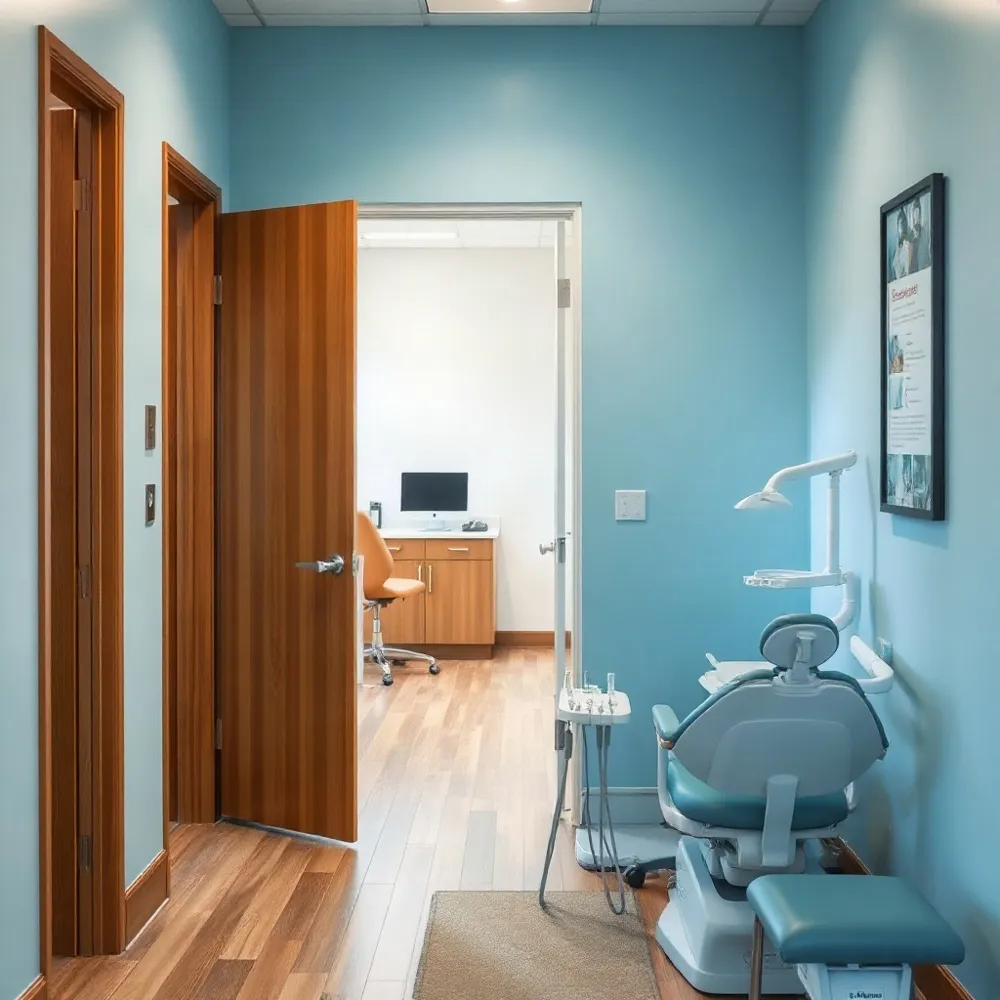
A First Visit, Step by Step
A first family dental visit is a chance to review each person’s oral health, raise concerns, and get to know the dental team. It may include a discussion of medical and dental history, an examination of the teeth and gums, and advice about care at home. The team can explain what it finds and discuss possible next steps.
The exact sequence and services depend on age, health history, symptoms, and clinical needs. A cleaning or dental X-rays may be appropriate, but neither is automatic at every visit. The dentist recommends imaging based on a patient’s needs, and a visual examination may be enough in some cases. MedlinePlus explains what a dental exam may include.
At Veenstra Family Dental, care is designed for patients across ages, with a focus on modern techniques and a welcoming atmosphere. For children, the first appointment can also help build familiarity; parents can ask about what to expect and how to prepare for a baby’s first dental visit.
Prepare for a Smooth Appointment
 A little preparation can make check-in easier and help the dental team focus on your concerns. Brush and floss as usual, and allow time to complete any paperwork without rushing. Ask the office whether forms can be completed in advance. For more tips, see this guide to preparing for a first dental visit.
Bring a list of current medications, relevant medical information, insurance details if applicable, and previous dental records if you have them. Write down questions, symptoms, or changes you have noticed, such as tooth sensitivity or gum discomfort. St. Jude’s dental appointment guide also recommends gathering prior records and noting questions before a new-patient visit.
Tell the team about past dental experiences, anxiety, or accessibility needs before or during your appointment. Sharing this information gives them a chance to explain what to expect and discuss ways to support your comfort. At Veenstra Family Dental, the first-visit process includes a welcome, health review, examination, and discussion of next steps; you can read more in its new-patient guide.
You can usually eat before a routine exam or cleaning. If your appointment includes a procedure or sedation, ask the dental team whether you should follow any specific food or drink instructions.
What Happens During the Visit
 A first appointment usually starts with check-in and a conversation about your health and dental history. The team may ask about medications, oral-care habits, previous dental experiences, current symptoms, and your goals. Sharing what matters to you helps the dentist tailor the visit and account for health factors that may affect care.
The dentist then examines your teeth and gums, checks how your bite fits together, and may assess your jaw, existing dental work, and other mouth tissues. An oral cancer screening may also be part of the examination. At Veenstra Family Dental’s new-patient visit, digital X-rays and screenings for gum disease and cavities may support the assessment.
Imaging is not automatic at every visit. The dentist recommends X-rays when they can help assess your individual oral health, including areas that are difficult to see during a visual examination. A cleaning may be included if it suits your needs and the appointment circumstances, or arranged for another time. A routine dental checkup can involve an examination, cleaning, and X-rays on some visits, as MedlinePlus explains.
Before you leave, the dentist can explain what the examination found, answer questions, and discuss preventive advice or possible treatment. You can ask about options and follow-up timing, then decide on next steps with the team. Not every patient needs every service during a first appointment; the plan depends on clinical findings and what can be addressed during the visit.
Exams and Cleanings Serve Different Roles
A dental exam and a professional cleaning are often part of the same appointment, but they do different jobs. During an exam, the dentist evaluates the teeth, gums, bite, and other areas of the mouth for signs of decay, gum problems, wear, or other concerns. X-rays may be recommended when they can help assess areas that are not visible during a visual check, based on your oral health.
A cleaning focuses on removing plaque and hardened tartar that brushing and flossing may leave behind. A hygienist may scale the teeth, polish them, floss between them, and offer guidance for home care. As MedlinePlus explains, cleanings may also include fluoride or sealants when appropriate.
At Veenstra Family Dental, the new-patient visit can include an exam and screenings, while the need for a cleaning depends on the patient’s circumstances. A routine cleaning is not right for every visit; the team can discuss findings and suitable preventive care. For more on how the two services differ, see this guide to exams and cleanings.
Imaging Depends on Individual Need
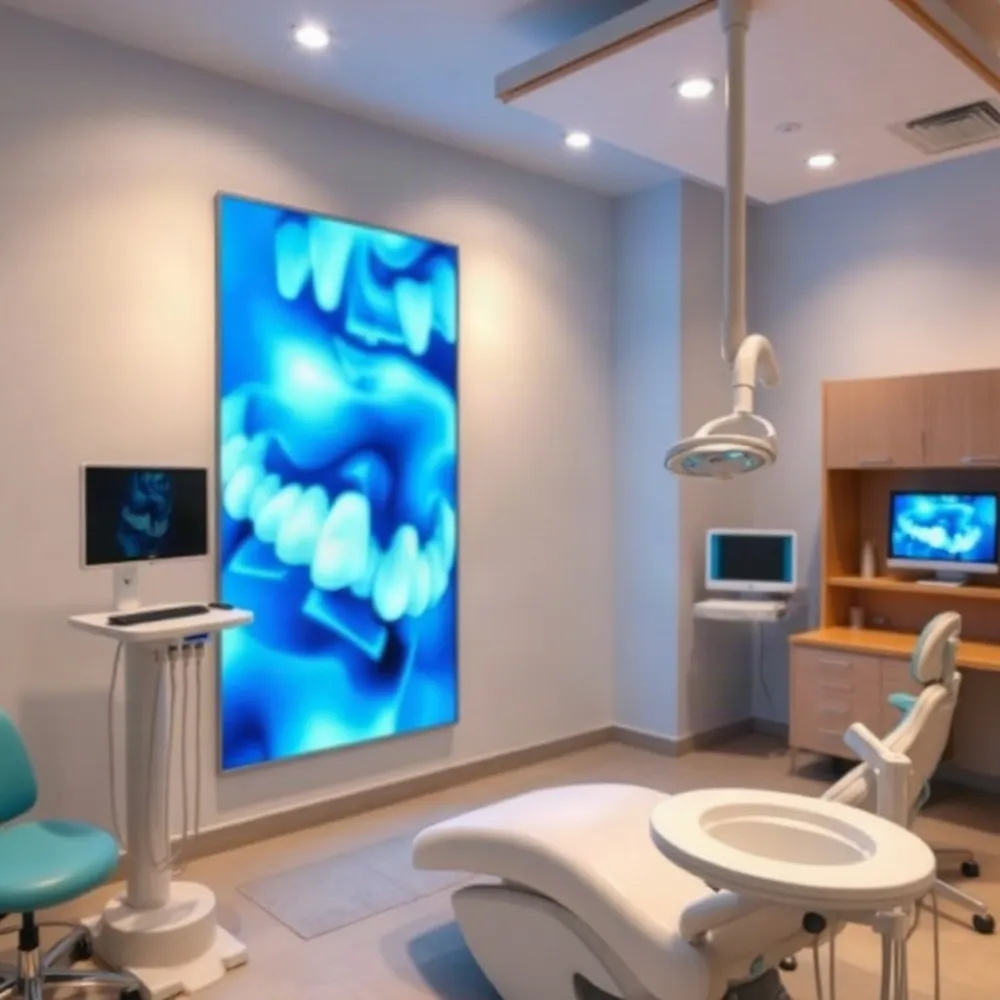 Dental X-rays are not automatically part of every cleaning. A dentist may recommend images based on symptoms, dental and medical history, oral health, previous images, and findings during the exam. At Veenstra Family Dental, imaging recommendations are individualized rather than treated as a routine step for every patient. For more on how clinicians weigh these factors, see when dental X-rays may help.
Images can show concerns that are difficult to see during a visual examination, including decay between teeth, infection, or changes in the bone supporting teeth. A dentist may use that information alongside the exam to assess your oral health and discuss appropriate care. The MedlinePlus overview of dental exams explains how X-rays can help identify problems not visible to the eye.
If X-rays are suggested, ask what the dentist is looking for, whether earlier images are suitable, and what may be harder to assess without new images. Share any concerns, including if you are pregnant or may be pregnant. You can decline imaging, but your dentist should explain the limits this may place on assessment or care. Discussing the reasons and options together helps you make an informed decision for your individual needs.
A Child’s First Visit Builds Familiarity
A child’s first dental visit is an early check on oral development and a chance to make the dental setting feel familiar. The American Dental Association recommends scheduling it by the first birthday or within six months after the first tooth appears, whichever comes first. MedlinePlus also notes that a baby’s first appointment should take place within six months of the first tooth appearing or by the first birthday.
During the visit, the dentist can assess developing teeth, gums, jaw, and bite, and look for early concerns. Parents can ask how to clean baby teeth and discuss feeding habits, teething, pacifier use, and fluoride. The American Dental Association’s guidance for a baby’s first dental visit explains that the dentist may also offer advice on daily care and check whether the jaw and teeth are developing as expected.
At Veenstra Family Dental, care for children is part of a family-focused practice serving patients of all ages. Before the appointment, describe the visit in simple, positive terms, such as having the dentist count or look at their teeth. Choose a time when your child is usually rested, and bring a familiar toy or comfort item if it may help.
Crying or wiggling can happen when a visit is new, and it does not mean the appointment has gone badly. A calm parent and a gentle, patient approach can help a child feel more at ease over time. At Veenstra Family Dental, parents can share concerns and ask questions so the team can understand the child’s needs and discuss what to expect.
Costs and Clear Treatment Discussions
How much do a dental exam and cleaning cost without insurance? A routine exam that includes a cleaning and X-rays averages about $200 nationally, with commonly reported prices ranging from roughly $50 to $350. One published New Jersey estimate is about $194. These figures are estimates, not quotes; the total depends on location, which services are included, imaging, exam complexity, and individual needs. For background on the national and New Jersey cost estimates, see the related guide.
X-rays or a more detailed examination may change the price, and treatment beyond the exam and cleaning is generally billed separately. The dentist recommends imaging based on a patient’s oral health, rather than automatically at every visit, as MedlinePlus explains. Ask the office for an itemized estimate that identifies expected services and possible additional charges.
Before care begins, check your insurance benefits and ask what portion may be covered, whether you will owe a copay, and what payment options are available. At Veenstra Family Dental, the first-visit process includes a clear treatment plan, giving patients a chance to review proposed next steps and costs before making decisions.
A useful cost conversation also explains the clinical reasoning. Ask what the dentist found, why a treatment is recommended, what alternatives may be appropriate, and whether care can be scheduled over time. You can also ask what follow-up is needed and when. Clear answers help you weigh your options and plan care around your needs and budget.
Choose a Dentist Who Communicates Clearly
A first appointment is also a chance to see whether a dental team listens, explains its recommendations, and makes room for your concerns. At Veenstra Family Dental, the new-patient process includes a comprehensive exam and a clear treatment plan, giving patients a basis for discussing findings and next steps.
When contacting a practice, ask whether it is accepting new patients, how soon appointments are available, and how it handles urgent dental needs. Find out whether its services fit your family’s needs across ages, and how the team supports people with dental anxiety or accessibility needs. You can also ask about the dentist’s training and the technology used during exams.
Ask how the dentist will explain treatment choices, expected costs, and insurance coverage before you decide. If you want more detail about what a new-patient appointment may include at Veenstra Family Dental, its new-patient guide describes the exam, digital X-rays, and oral-health screenings.
Be cautious if you feel pressured to accept extensive treatment without a clear explanation, cannot get straightforward answers about fees or reasonable alternatives, or leave without a treatment plan and cost estimate. A professional conversation should help you understand why care is recommended and how it can be tailored to your needs.
You should be able to ask questions without feeling rushed. If significant uncertainty remains after the dentist explains the findings and options, seeking a second opinion may help you make an informed decision.
Start With Questions and a Plan
A first family visit can set a practical starting point: share concerns, hear what the exam finds, and discuss next steps that fit each person’s oral health. At Veenstra Family Dental, care is offered across ages, so family members can raise individual questions and receive guidance suited to their needs.
Before the appointment, contact the dental team if you have questions about what to bring, expected costs, comfort options, or scheduling. A little advance clarification can make it easier to arrive prepared and explain what matters to you. For children, the American Dental Association’s guidance on a baby’s first dental visit also encourages parents to prepare questions for the dentist.
During the visit, ask for explanations if a finding or recommendation is unclear. You can discuss available options and agree on a follow-up plan without needing to resolve every concern at once. Clear questions help the dental team tailor the conversation and help your family understand what comes next.