
Why Timing Is Personal
A dental checkup every six months is a familiar starting point, but it is not a rule for everyone. The American Dental Association recommends regular visits without setting one fixed interval, and a dentist can tailor timing to individual needs (ADA guidance on home oral care).
Your recommended schedule may reflect the health of your teeth and gums, medical history, home-care habits, and risk of future problems. Those factors can change, too, so a schedule that worked before may need to be revisited. At Veenstra Family Dental, care for patients of all ages can include checkups and cleanings planned around their individual needs.
Routine visits and daily care have different roles: professional exams help monitor your mouth, while brushing and cleaning between teeth support it at home. Together, they give you and your dentist a chance to address concerns and adjust your care plan as needed.
Finding Your Right Visit Rhythm
 Many people have a checkup and professional cleaning about every six months, but that familiar rhythm is not a universal rule. The American Dental Association’s guidance recommends regular dental visits without setting one interval for everyone. At Veenstra Family Dental, a family-focused practice in Midland Park, the schedule can be considered in light of each patient’s oral health and medical history.
At least one checkup a year is a reasonable general goal, though your dentist may recommend appointments sooner or later based on clinical findings and your risk of future problems. The NHS guidance on dental checkups also describes intervals that vary with a person’s needs. This is a reason to ask your dental team when to return rather than treating six months as a deadline for everyone.
Closer follow-up may be appropriate with gum disease, frequent cavities or plaque buildup, dry mouth, tobacco use, pregnancy, diabetes, or a weakened immune response. Other health conditions can also affect oral health. At Veenstra Family Dental, modern dental care is provided across ages, with recommendations shaped around the patient rather than a fixed schedule.
Your needs can change over time. Illness, changes in diet, or starting a new medication may alter your risk, so tell your dentist about changes in your health or prescriptions. A schedule that worked before may need adjusting.
For children, the first oral exam should take place when the first baby tooth appears or by the first birthday. After that, follow the dentist’s advice on timing, since each child’s needs differ.
Do not wait for a routine visit if you develop persistent tooth pain, sensitivity, bleeding or swollen gums, or a chipped, cracked, or shifting tooth. Contact your dental practice to ask about an appointment. Sharing changes promptly helps the team decide whether you need attention before your next scheduled checkup.
What Happens During a Checkup
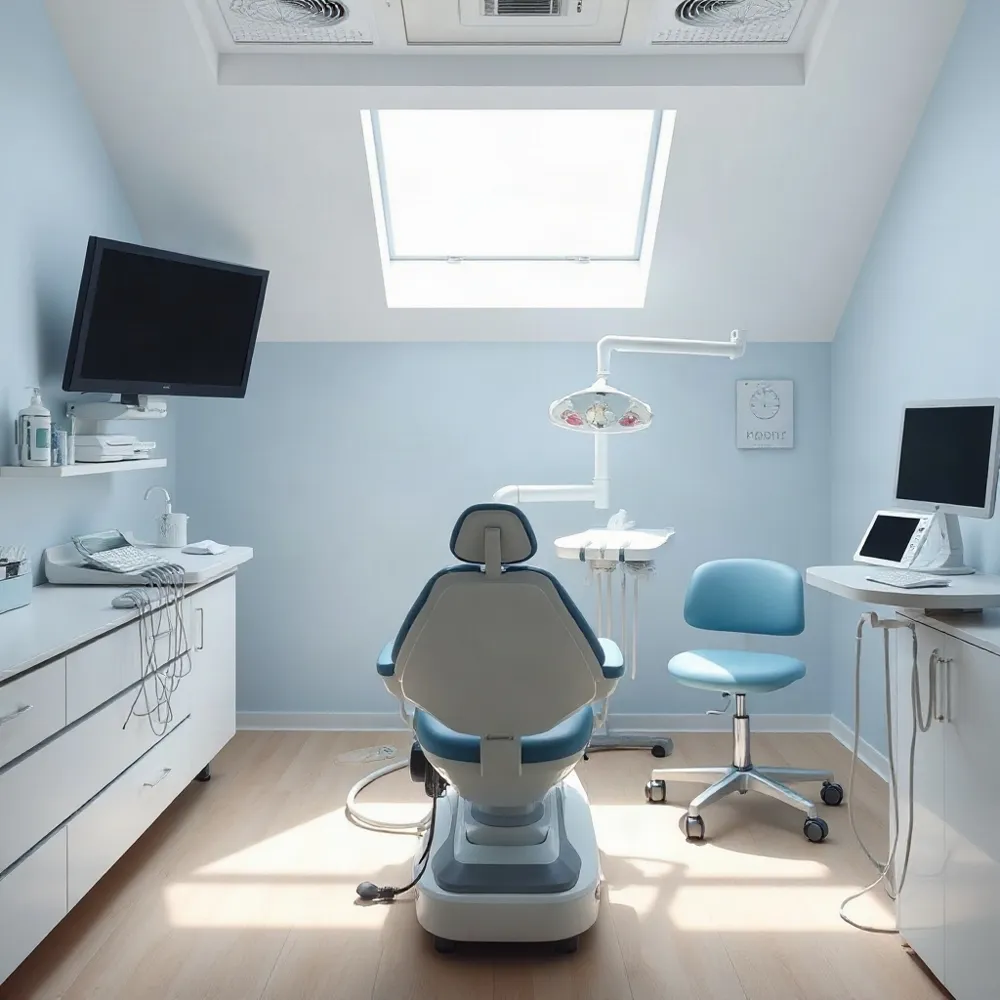 A routine checkup at Veenstra Family Dental is a chance to review your health, examine your mouth, and discuss any concerns in a welcoming setting. The team may ask about changes to your dental or medical history and any problems since your last visit, then check your teeth, gums, and mouth for signs of decay, inflammation, or other issues. Learn more about what to expect during a family dental checkup.
A hygienist may clean away plaque and hardened buildup that brushing at home may not fully remove, then polish and floss your teeth. The steps can vary with your needs. The dentist discusses the findings, answers questions, and recommends next steps, which may include treatment or preventive care. Checkups can reveal concerns before you notice symptoms, but treatment may require a separate appointment.
Tell the dental team if you have sensitivity, feel anxious, or have other comfort concerns. Veenstra Family Dental provides care for patients of all ages, and discussing your preferences helps the team consider appropriate ways to make the visit more comfortable. X-rays or treatments such as fluoride may be recommended when suitable for your individual needs.
When Dental X-Rays May Help
 Dental X-rays are not automatic at every checkup, and there is no single schedule that fits everyone. At Veenstra Family Dental, imaging decisions can be considered as part of personalized care, rather than treated as a routine step for every patient.
A dentist weighs factors such as age, symptoms, oral health, dental history, and risk of disease. Images may help assess concerns that are difficult to see during an examination, but whether they are useful depends on the individual situation. The [ADA’s patient-selection guidance for dental X-rays](https://www.ada.org/resources/research/science/evidence-based-dental-research) supports decisions based on patient needs, not a fixed timetable.
If X-rays are recommended, ask what the images may help the dentist evaluate and how the results could affect your care. Your dentist can explain the benefits, address concerns, and discuss steps to keep exposure as low as reasonably achievable. Veenstra Family Dental’s use of digital dental technology can support a discussion about whether imaging is appropriate for your visit.
The decision is a conversation: share any symptoms or changes in your health, and ask questions until you understand why imaging is being considered. You can also read more about when dental X-rays may help explain concerns.
Planning Around Dental Benefits
Many dental plans cover two routine exams or cleanings in a year, but that does not guarantee every plan covers them the same way. Benefits may depend on the policy, covered services, and the plan’s benefit period. Check your documents or contact your insurer to confirm what is included.
Ask whether cleanings must be spaced about six months apart, whether the plan uses another timing rule, and what costs you may owe. Coverage details can affect when you schedule, so it helps to clarify them before booking. You can also review how dental benefits may shape visit planning.
The insurance calendar should not determine your clinical needs. At Veenstra Family Dental, a family-focused practice in Midland Park, the team can help verify benefits while your dentist recommends a visit schedule based on your oral health. If your care needs call for a different interval, discuss both the clinical recommendation and any associated costs before deciding on a schedule that works for you.
Daily Care Between Dental Visits
Home care supports oral health, but it does not replace professional exams and cleanings. The American Dental Association’s home-care guidance recommends brushing twice daily with fluoride toothpaste and cleaning between teeth every day. Veenstra Family Dental serves patients of all ages in a family-focused setting, where your dentist can help tailor these habits to your needs. For more on balancing home routines with appointments, see daily care between dental visits.
Does the American Dental Association recommend flossing?
Yes. Clean between your teeth daily with floss or another suitable tool. Options include interdental brushes and oral irrigators. The best choice depends on your teeth and preferences, so ask your dental professional which method you are most likely to use consistently.
What should you look for in a toothpaste?
Choose fluoride toothpaste and, when available, look for the ADA Seal of Acceptance. Ingredients for sensitivity or gingivitis may suit some people, while children need age-appropriate amounts and supervision. A Veenstra Family Dental dentist can offer guidance based on age and oral-health needs, rather than assuming one product works for everyone.
Keep The Conversation Going
Before you leave, ask your dental team when to return and what changes should prompt an earlier call. Share new health conditions, medication changes, or symptoms such as tooth pain, sensitivity, or bleeding gums so your care plan reflects your needs.
At Veenstra Family Dental, care is tailored to patients at every age in a welcoming setting. Whether you are booking a routine checkup or calling about a concern, an open conversation helps the team recommend an appropriate next step. Dental checkup guidance also emphasizes that timing should reflect your oral health and individual risk.