Care That Continues At Home
A healthy smile is supported by everyday care as well as regular visits to a dental professional. Brushing with fluoride toothpaste and cleaning between teeth help manage plaque at home, while dental appointments give the dentist a chance to examine the mouth, spot concerns and provide professional cleaning. The National Institute of Dental and Craniofacial Research’s oral hygiene guidance explains how these habits work together.
The routine does not have to look exactly the same for everyone. Children may need help building brushing habits, while adults may prefer a different tool or technique if flossing is uncomfortable or difficult. A dentist can help adjust home-care advice to a person’s age, preferences and oral-health needs.
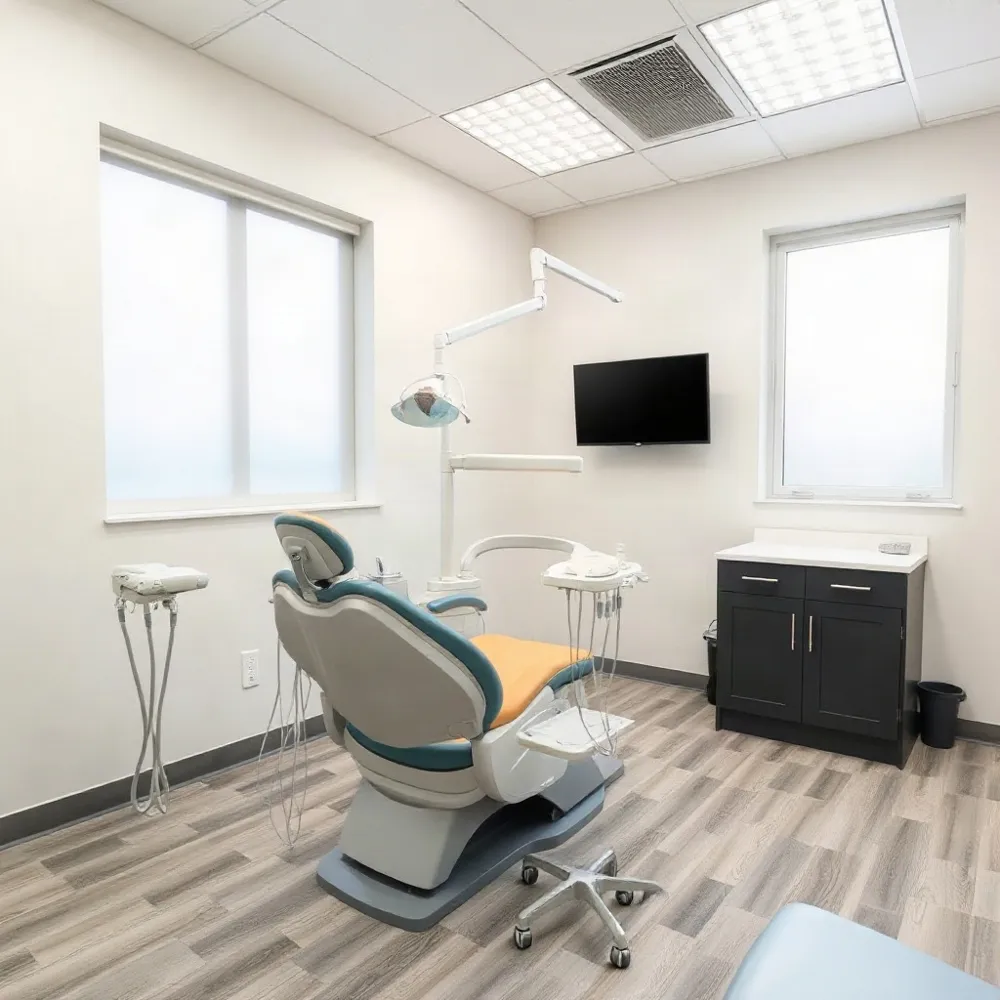
At Veenstra Family Dental in Midland Park, care is tailored to patients across ages, with professional guidance in a welcoming, family-focused setting. Small, sustainable habits at home can complement that individualized care and help keep oral health on track between appointments.
Build A Reliable Daily Routine
 Plaque is a sticky film of bacteria that can contribute to tooth decay and gum disease when it builds up. A steady routine at home helps manage it, and the National Institute of Dental and Craniofacial Research explains how plaque affects teeth and gums.
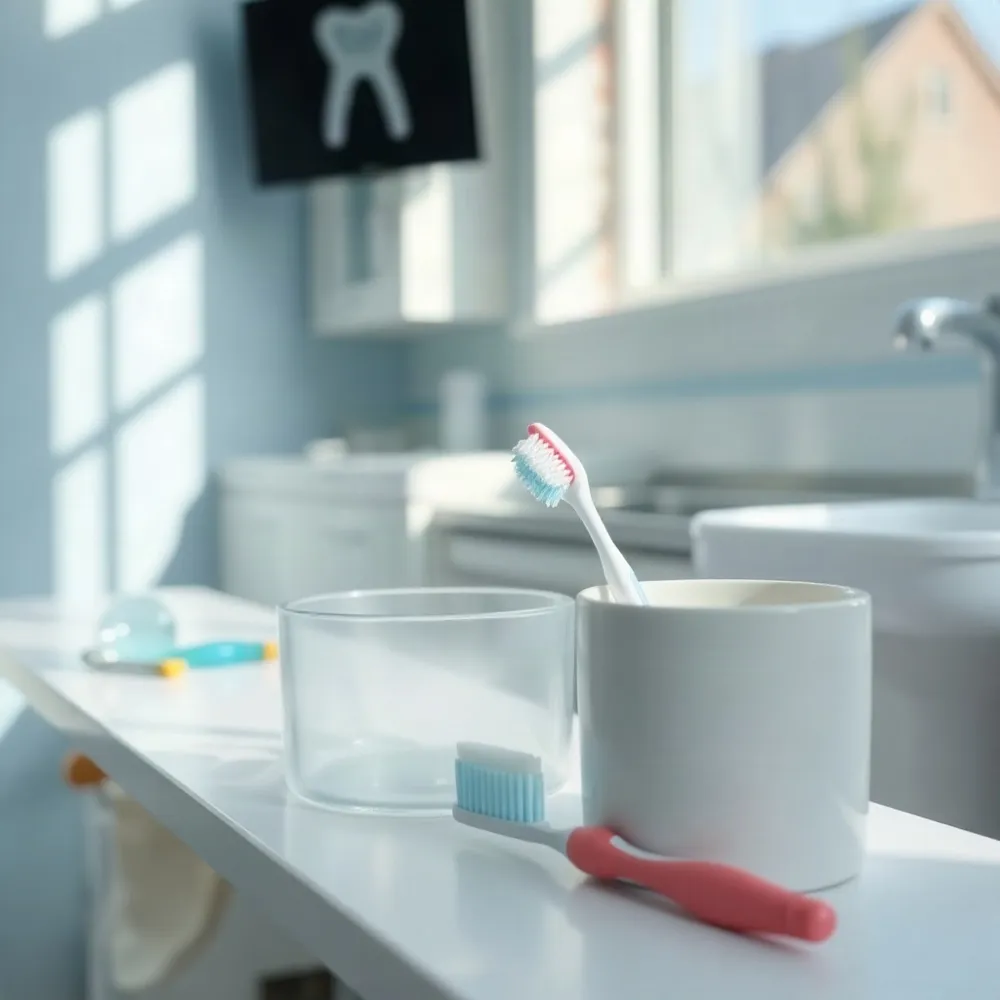
Brush twice a day for two minutes with fluoride toothpaste and a soft-bristled toothbrush. Angle the bristles toward the gumline and use gentle, short strokes rather than scrubbing. Clean the outer, inner, and chewing surfaces of every tooth, then brush your tongue gently. These steps follow the American Dental Association’s home-care guidance.
To spend enough time on every area, divide your mouth into four sections and brush each for about 30 seconds. A timer, a song, or a toothbrush with a built-in timer can help you keep pace without rushing.
Clean between your teeth once a day with floss, an interdental brush, or an oral irrigator. There is no single tool that suits everyone, so choose one you can use consistently. If flossing feels awkward or uncomfortable, ask a dental professional to demonstrate the technique or suggest another option. For more on daily plaque control, see this guide to daily hygiene habits.
Replace your toothbrush or powered brush head every three to four months, or sooner if the bristles look worn. Both manual and powered brushes can clean effectively when used properly; a powered brush may be helpful for someone with limited dexterity. At Veenstra Family Dental, care is family-focused and personalized, so patients of different ages can ask for advice suited to their comfort and oral-health needs.
Make Healthy Habits Work For Children
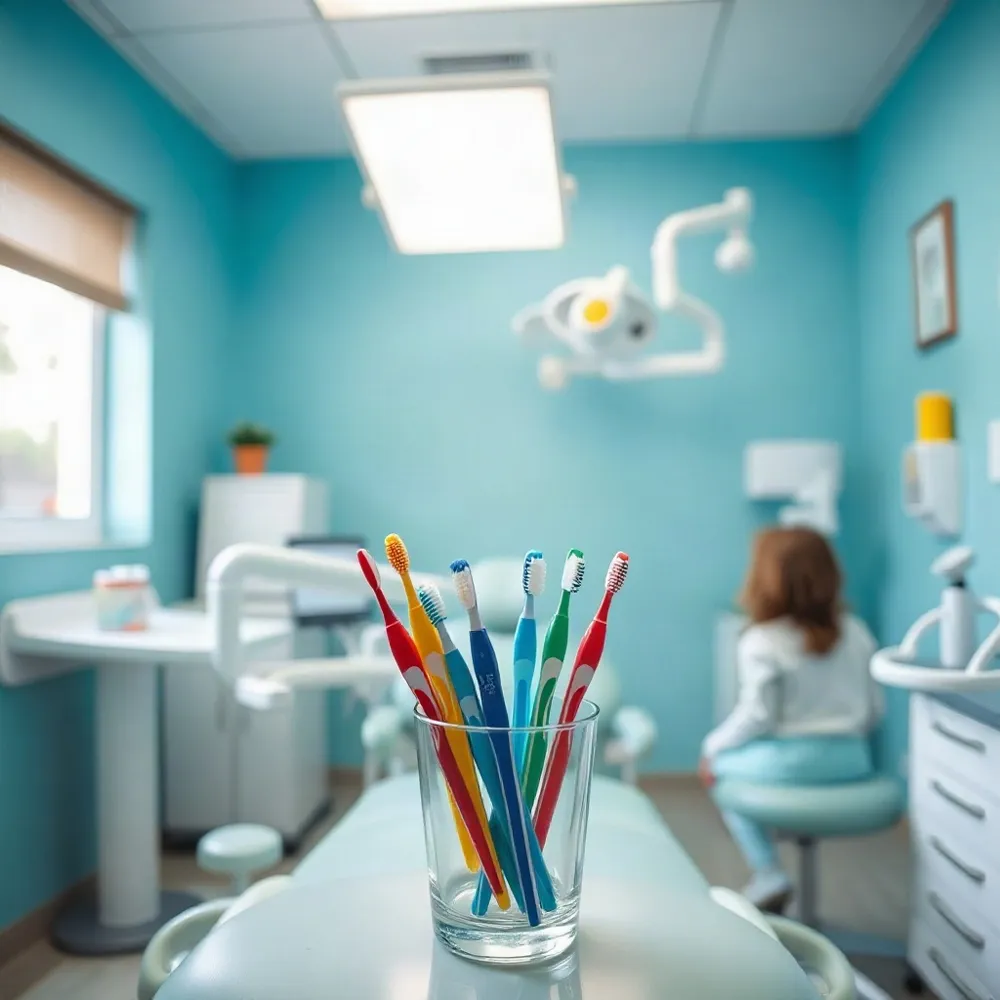 For children, a predictable routine can make brushing feel like a normal part of getting ready for the day and settling down at night. Aim for brushing twice daily with a soft, age-appropriate toothbrush and fluoride toothpaste. The National Institute of Dental and Craniofacial Research’s oral hygiene guidance recommends brushing twice a day and cleaning all sides of every tooth.
Young children need an adult to brush their teeth for them. As they learn, stay nearby and check that they have cleaned every tooth surface, including along the gumline. Use only an age-appropriate amount of toothpaste, and ask a dental professional for guidance about fluoride toothpaste for children under age two and for your child’s specific needs.
Keep practice relaxed: brush together, let your child choose a toothbrush, or use a short song or timer to make brushing easier to follow. Families who want help building a consistent routine can also review these brushing and flossing habits for children. At Veenstra Family Dental, personalized care for patients of all ages gives families a place to ask about brushing technique and products suited to a child’s age and oral-health needs.
Choose Foods And Drinks Thoughtfully
Food and drink choices affect how often teeth encounter sugar and acid. Mouth bacteria use sugar to produce acids that can damage enamel and contribute to tooth decay, while acidic foods and drinks can wear enamel over time. The Health Resources and Services Administration's oral health nutrition guidance explains how these choices shape oral health.
Make water your everyday drink. It helps clear food particles, supports saliva, and, when fluoridated, provides fluoride that helps protect teeth. A varied diet that includes vegetables, nuts, dairy, and other nutrient-rich foods also supports oral health. Crunchy produce can be a satisfying snack, but it does not replace brushing or cleaning between teeth.
Limit how often you have sweets, soda, juice, sports drinks, and refined starches such as chips and crackers. Sticky foods may linger on teeth, and frequent sipping or snacking prolongs exposure to sugar and acid. If you have sugary or acidic items, including citrus juice, enjoy them with a meal and rinse with water afterward. The American Dental Association's diet and dental health guidance offers additional advice on food choices.
These choices complement, rather than replace, daily brushing and cleaning between teeth. At Veenstra Family Dental in Midland Park, recommendations can be tailored to a patient's oral health and preferences, alongside professional care for the whole family.
Keep Preventive Visits Individualized
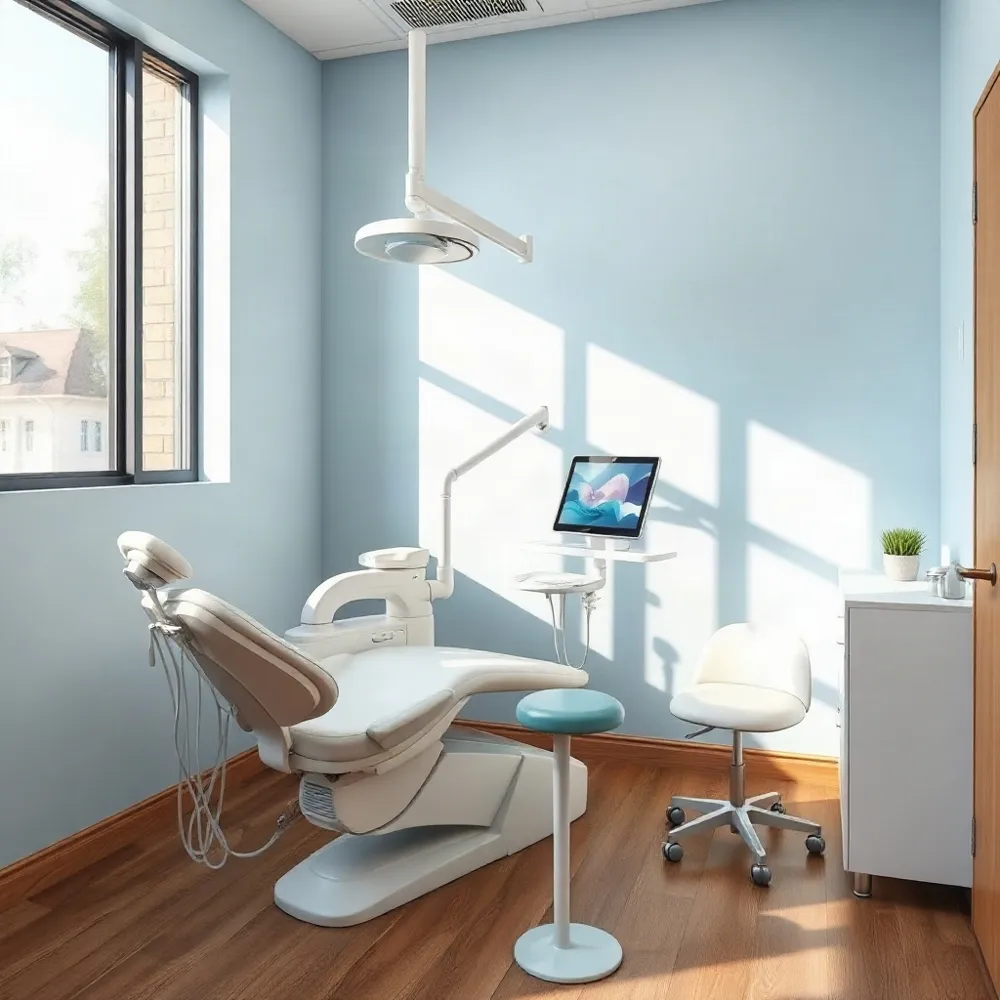 Home care matters, but it cannot replace a professional examination and cleaning. A dental team can assess your teeth and gums, check for changes, and remove hardened tartar that brushing cannot clear. At Veenstra Family Dental, care is personalized for patients of all ages, with a welcoming approach and modern dental technology. Routine checkups and professional cleanings complement daily brushing and flossing.
How often should you visit the dentist for a checkup or cleaning?
Many people have checkups and cleanings about every six months, but that interval is not a rule for everyone. A dentist can recommend timing based on your oral-health history, current needs, and risk of future problems. People with a history of cavities or gum disease may need more frequent visits; after gum disease treatment, periodontal maintenance may be scheduled every three to four months. Checkups and cleanings may also fall due at different times, so ask your dental team when to book each. The NHS guidance on dental check-ups explains that intervals should reflect individual circumstances.
What happens during a routine dental examination and cleaning?
The visit typically starts with an update on your health history and a discussion of any changes or concerns. A hygienist examines your teeth and gums, removes plaque and tartar with dental instruments, and polishes your teeth. The dentist then checks your teeth, gums, and mouth, discusses your oral health and home-care habits, and reviews X-rays if they are needed. X-rays or preventive treatments such as fluoride may be recommended for your situation. Veenstra Family Dental’s team can explain each step and answer questions, helping patients feel informed throughout the appointment.
Contact the dental practice about tooth pain, swelling, persistent bleeding, or another new concern rather than waiting for a routine visit. Prompt advice can help determine whether you need an earlier assessment.
Prepare For A Comfortable Appointment
A little planning can help your dental team make the visit more comfortable and useful. You can brush and floss as you normally do before a cleaning; no special preparation is generally needed. For more guidance, see what to expect during a comfortable dental cleaning.
Bring an up-to-date list of medications and supplements, and be ready to mention relevant health conditions, allergies, and past dental treatment. These details help the team understand your needs and make recommendations suited to your health.
Before you arrive, note any changes you have noticed, such as sensitivity, pain, or bleeding gums. Bringing questions can help you make the most of your time with the dental team. At Veenstra Family Dental, care is provided in a welcoming, family-focused setting, with attention to each patient’s circumstances.
If dental visits make you anxious or you have comfort needs, let the team know so they can discuss ways to support you. Contact the office beforehand if a new health concern leaves you unsure about preparation or whether anything should change before your appointment.
Restart Care Without Shame
If dental care has slipped for a while, you can start again without embarrassment. A lapse does not prevent you from making progress, and small, steady steps can support better oral health.
Begin with brushing twice a day for two minutes using fluoride toothpaste, and clean between your teeth daily. The American Dental Association’s home-care guidance notes that a dentist can help match tools and routines to your needs and preferences.
Arrange a professional evaluation to check for concerns such as cavities or gum disease that may need treatment. At Veenstra Family Dental, a family-focused practice serving patients of all ages, an examination can help shape a care plan around your oral health and preferences.
Follow-up visits at the interval your dentist recommends can help monitor changes and support prevention. If you have been away for years, restarting dental care after a long break can begin with one appointment and a practical plan.
Use Dental Rules With Context
Popular dental rules can be handy reminders, but they are not all clinical standards. The 2-2-2 shorthand, brushing twice a day for two minutes and seeing a dentist twice a year, combines two different kinds of guidance.
Brushing twice daily for two minutes with fluoride toothpaste aligns with American Dental Association guidance. The visit schedule is different: checkups should reflect a person’s oral health and risk, rather than a fixed calendar rule. At Veenstra Family Dental in Midland Park, preventive care is part of a family-focused practice serving patients across ages, with recommendations tailored to individual needs.
Labels such as “3-3-3” and “two-year rule” may be used to mean different things. Check how a source defines them before treating them as instructions. The NHS guidance on dental check-ups likewise explains that timing can vary with oral health.
In cosmetic dentistry, “50-40-30” commonly refers to relative proportions of visible contact areas between the front teeth. It is a smile-design convention, not a measure of healthy teeth or gums. Keep up daily brushing and cleaning between teeth, and ask your dentist to recommend an examination and cleaning schedule suited to your needs.
Consistency Makes The Difference
A healthy smile is supported by habits that fit everyday life: regular brushing and cleaning between teeth, thoughtful food and drink choices, and dental visits guided by your needs. Each part helps, but home care and professional attention work best together.
At Veenstra Family Dental, care is personalized for patients of all ages. Ask your dental team which products and techniques suit you, and how often to schedule visits based on your age, health, preferences, and oral-health risks. The National Institute of Dental and Craniofacial Research’s oral hygiene guidance also emphasizes daily care alongside professional checkups. A routine you can maintain is a practical place to begin.