
A Gradual Path Toward Confidence
For someone with dental anxiety, even a routine visit can feel difficult. The causes and triggers vary: a patient may fear pain, feel vulnerable in the chair, or carry memories of an earlier experience. Anxiety can also lead people to postpone care, so returning may take more than a decision to book an appointment. Dental anxiety guidance describes how fear can be connected to both past experiences and a sense of losing control.
Confidence need not mean that all fear disappears at once. It can grow through clear explanations, choices about care, and a shared plan for pauses or questions. Research on trust between dentists and patients emphasizes that respectful communication and supportive experiences over time can help patients feel more secure.
At Veenstra Family Dental in Midland Park, care is described as personalized and compassionate for patients of all ages. The research cited here discusses general approaches to anxiety and trust; it does not document a specific Veenstra Family Dental patient’s journey or establish an individual outcome.
Understanding Where Dental Anxiety Begins
 Dental anxiety can have many starting points. A painful, upsetting, or traumatic visit may leave someone wary of returning, while hearing about another person’s bad experience can add to the fear. Needles, drills, unfamiliar sounds, and the dental setting itself may also feel daunting.
For some people, anxiety is tied to feeling vulnerable or unable to control what is happening. Embarrassment about oral health, uncertainty about recommended treatment, or fear of pain can contribute, too. The triggers are personal, and they may reflect past experiences or other sources of anxiety. Public health guidance on dental anxiety describes several of these possible causes.
Signs can include dread before an appointment, trouble sleeping, a racing heart, sweating, tension, or nausea. Some people instead withdraw from conversation or put off care. There is no single pattern, and people of any age can feel anxious about dental treatment.
Delaying care may allow a dental problem to worsen and require more involved treatment later. That possibility is not a reason for blame: returning after a long gap can already feel difficult. At Veenstra Family Dental, care is described as compassionate and family-focused, offering a professional setting where patients can raise concerns and discuss their needs without judgment.
Trust may also be shaped by how a dental professional responds when a patient feels uncomfortable. A research analysis of trust and dental anxiety emphasizes respectful, person-centered care rather than expecting someone to simply overcome fear. Explaining what to expect and listening to a patient’s concerns can help make the next conversation a more manageable first step.
Starting With an Honest Conversation
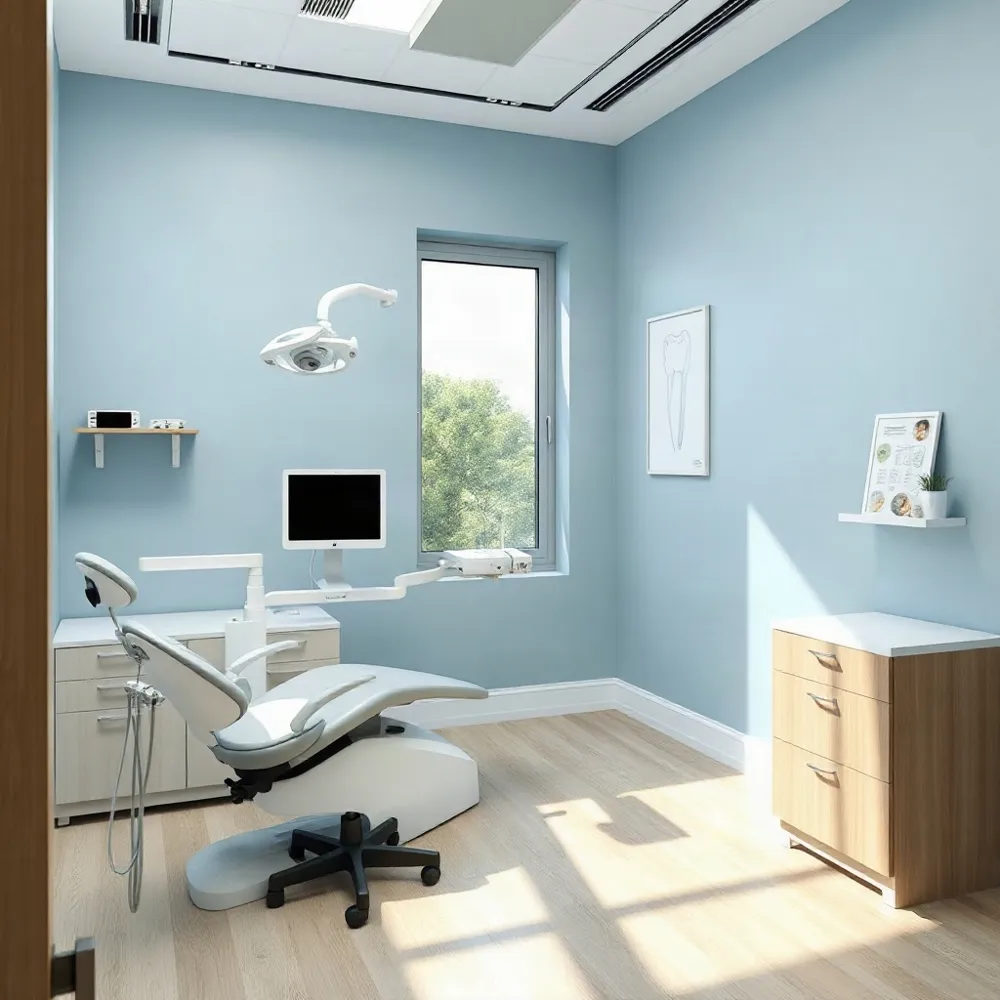 A first step does not have to involve treatment. Calling the dental office to say that you feel anxious, ask what to expect, or arrange a conversation before an appointment can make care feel more manageable. The dental team at Veenstra Family Dental serves patients of all ages, and a clear discussion helps them understand what matters to you.
You can describe particular triggers, such as a sound, a sensation, or uncertainty about what will happen next, without retelling every detail of a difficult experience. A review of dentist-patient communication recommends listening closely, inviting questions, and explaining care in language patients can understand. Effective dentist-patient communication can help make preferences and concerns part of the conversation.
Before treatment, ask whether the team can explain each step as it happens and agree on a hand signal that means “please pause.” You can also discuss planned breaks and try slow, steady breathing. If having someone you trust nearby would help, ask whether a supportive companion may attend; arrangements can depend on the visit and office.
These requests are reasonable, not a source of embarrassment. If fear has kept you from seeking care, you can begin by contacting the office just to discuss your concerns and ask what support may fit your needs. Guidance on dental anxiety also describes agreeing on a pause signal and discussing individual triggers with the dental team. When anxiety feels overwhelming, ask your dentist about further support, including whether speaking with a mental health professional could help.
Making Care a Shared Decision
 A dental appointment is more than a procedure. It is a conversation in which you and your dental team work together. The team listens to your concerns, goals, preferences, and discomfort, then explains findings and options in plain language. This two-way approach is central to patient-centered communication.
Before agreeing on a plan, ask what each option involves, including its likely benefits, risks, and alternatives. You can request clarification if an explanation is unclear, and take time to consider what fits your health needs and preferences. A review of dentist-patient communication describes clear explanations, shared decisions, and attention to a patient’s concerns as useful parts of care for people who feel anxious.
Active listening helps make that partnership real. Open-ended questions, such as “What worries you most about this visit?”, invite you to explain your experience in your own words. A dentist can follow up, reflect back what they heard, and check whether they understood correctly. Empathy also matters: acknowledging fear without judgment can help a patient feel respected rather than rushed. These approaches are discussed in a review of dentist-patient communication.
Choice can also include agreeing on a signal to pause, planning breaks, or reviewing the order of treatment before it begins. Those arrangements give you a way to communicate during care and may reduce feelings of helplessness. Research on trust in dentistry notes that a technically successful appointment may not resolve anxiety when a patient’s concerns or expectations have gone unheard.
At Veenstra Family Dental in Midland Park, NJ, care is offered in a family-focused practice serving patients of different ages. That setting supports conversations tailored to the person, while a welcoming atmosphere and modern dental technology form part of the practice’s approach. Trust can grow when communication and care consistently reflect what matters to the patient.
Helping Children Build Familiarity
A child may feel more at ease when the dental visit is introduced one step at a time. Simple, age-appropriate explanations and time for questions can make the experience easier to understand, while a friendly introduction to the chair and equipment can help the surroundings feel less unfamiliar.
A calm pace and gentle encouragement can help a child feel respected rather than rushed. Caregivers can tell the dental team about sensitivities, worries, or difficult past experiences so communication and the visit can be adapted where possible. At Veenstra Family Dental, care for patients of all ages is part of the practice’s family-focused approach.
Reassurance works best when it is honest. Rather than using frightening language or promising that care will never feel uncomfortable, adults can explain that the team will describe what is happening and listen if the child needs help. Research on dentist-patient trust emphasizes that respectful communication and a patient’s experience over time shape trust.
Friendly, regular visits that focus on getting familiar with the dental setting may help children feel more comfortable over time, though they cannot guarantee that anxiety will be prevented or disappear. Veenstra Family Dental’s welcoming, family-oriented care supports an approach that can be adjusted to each child, with confidence built gradually through respectful experiences.
For practical ideas on gentle introductions, questions, and encouragement, see ways to help children feel more at ease at the dentist.
Matching Support to the Person
Support for dental anxiety should fit the person, not follow a single script. At Veenstra Family Dental, a family-focused practice in Midland Park, NJ, care can be shaped around each patient’s concerns and pace, with clear explanations and time to ask questions.
For someone with intense or persistent fear, a visit may feel more manageable when the team explains what will happen, agrees on a signal to pause, and plans breaks in advance. Slow breathing or becoming familiar with the office and procedures gradually may also help. A review of communication strategies for dental care describes listening, understandable explanations, and patient involvement as ways to support confidence and address individual needs.
If fear continues to interfere with care, a mental health professional may offer additional support, including cognitive behavioral therapy. A dentist can also discuss medication or sedation when appropriate, but these options are not necessary or suitable for everyone. Health history, the planned treatment, and services available at the practice all matter; patients should review potential benefits, risks, and alternatives with their care team before making a decision.
The Victorian Department of Health’s guidance on dental anxiety notes that psychological support and medical options may be considered, with choices depending on the individual. For Veenstra Family Dental patients, discussing worries and preferences with the dental team can help establish a practical plan without pressure to move faster than feels manageable.
Trust Grows Through Repeated Experiences
Trust is built across encounters as patients compare what they expect with how a dental professional communicates and behaves. A respectful, predictable visit can strengthen confidence; an unexpected or dismissive response may deepen doubt. Research on the dentist-patient relationship describes how trust and anxiety can reinforce one another, making consistent, person-centered care especially important for patients who feel vulnerable in the chair research on trust and dental anxiety.
Technical success alone may not make a patient feel safe. If discomfort occurs, the dentist’s response matters: listening, acknowledging the pain, and explaining what can happen next can help preserve trust. At Veenstra Family Dental, care is framed around compassionate, professional support for patients of all ages, with attention to each person’s concerns and pace.
A published University of Kentucky account offers one example, not a Veenstra patient story. Andrea Crookston had delayed checkups because of fear, then worked with her care team to plan treatment collaboratively. The team used digital simulations to help her consider possible results. After treatment, she reported greater confidence, while noting that some anxiety remained the University of Kentucky account.
Crookston’s treatment addressed her particular dental needs and goals; her experience does not establish a treatment recommendation for anyone else. Her account illustrates that discussing options and seeing a visual plan may help a patient take part in decisions, but each person’s care should be based on an individual assessment.
Progress does not have to mean enjoying dental treatment or eliminating fear. Feeling heard, understanding what is planned, and being able to express preferences can all mark meaningful steps toward confidence. A recent review of dentist-patient communication likewise emphasizes clear explanations, active listening, and shared decisions as ways to support patients communication strategies in dentistry.
Confidence Without a Leap of Faith
Patients do not have to set aside their concerns and simply hope for the best. Asking questions, hearing clear explanations, and having a say in decisions can make an appointment feel more manageable. A pause signal agreed on before treatment also gives patients a way to communicate if they need a moment. Research on trust in the dentist-patient relationship describes how listening, empathy, and patient involvement can help build trust over time.
Progress may mean attending a conversation first, returning for routine care, or feeling more able to explain what is uncomfortable. It does not require anxiety to disappear all at once. At Veenstra Family Dental in Midland Park, care is personalized for patients of all ages, with a focus on modern, compassionate service.
When reaching out to a dental team, describe what would help you feel respected and comfortable, whether that is more explanation, time for questions, or a slower pace. Clear, two-way communication can support informed choices and help the team respond to individual preferences, as outlined in this review of dentist-patient communication.