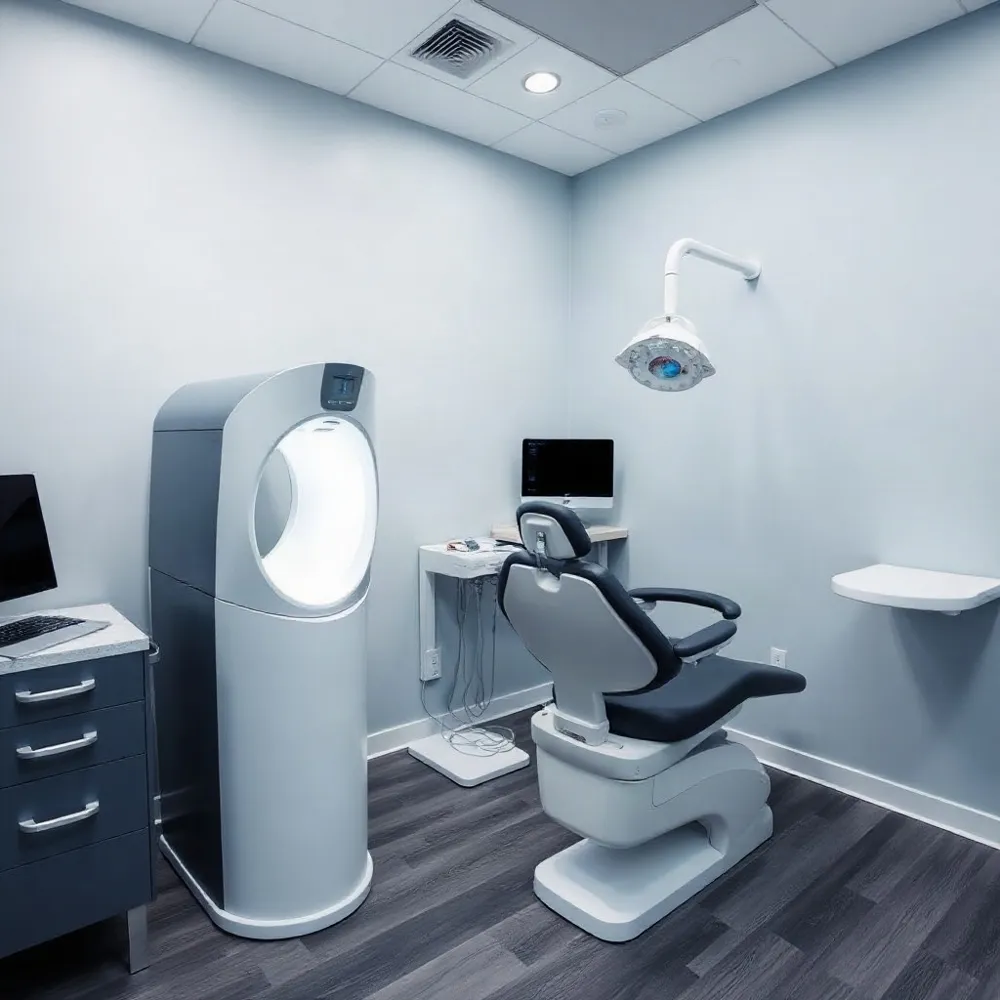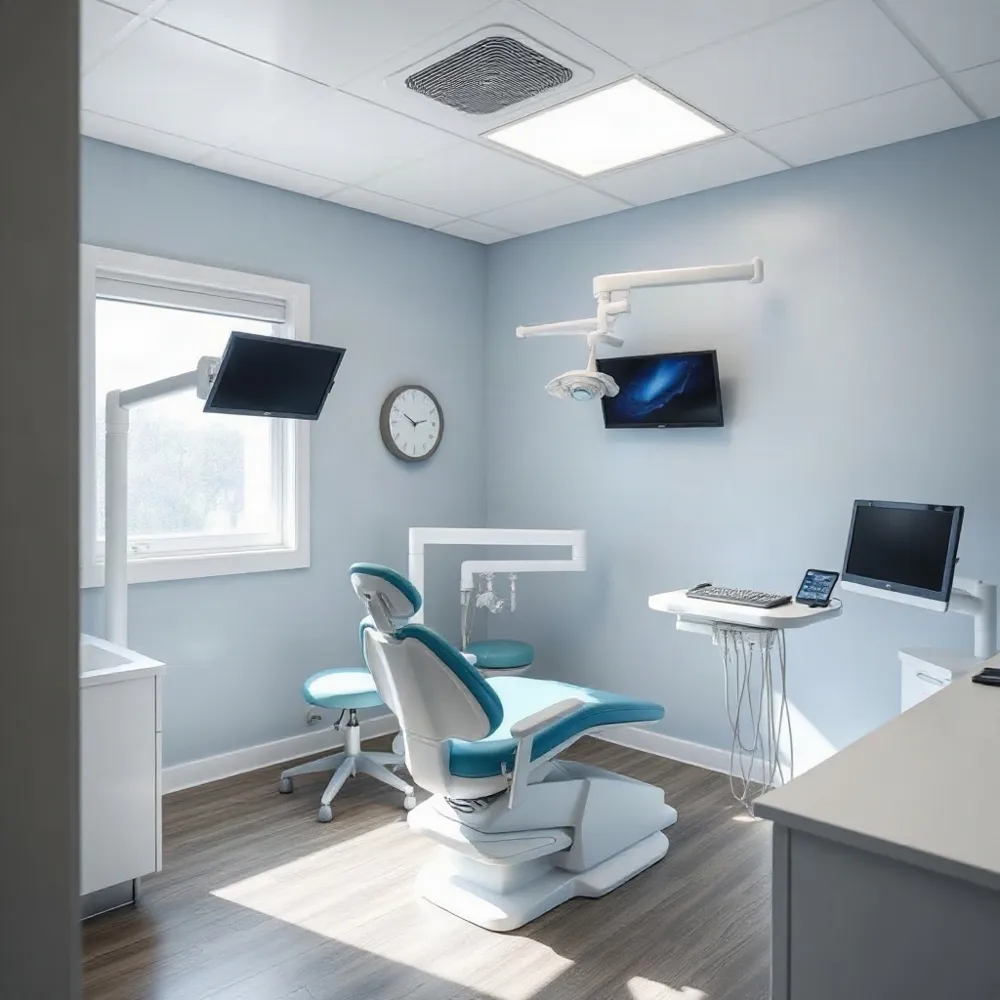
A More Comfortable Visit
Feeling nervous about dental care is common. For some people, it is mild unease; for others, it can be intense fear that makes appointments feel difficult. Dental anxiety may involve physical signs such as a racing heartbeat or trouble sleeping before a visit, and it can affect people of any age. UT Dentistry describes how anxiety can vary in intensity and affect people differently.
A more comfortable appointment starts with a conversation. Tell the dental team what worries you, whether it is a past experience, a sound, or uncertainty about what will happen. You can also ask questions and agree on a signal for requesting a pause. At Veenstra Family Dental in Midland Park, care is family-focused, with a welcoming approach for patients across ages.
Comfort needs differ from person to person, and what helps one patient may not suit another. Simple options such as slow breathing or listening to music may make a visit feel more manageable. The goal is to work with the dental team on an approach that feels appropriate for you, rather than letting worry prevent you from seeking care.
Understanding Dental Anxiety
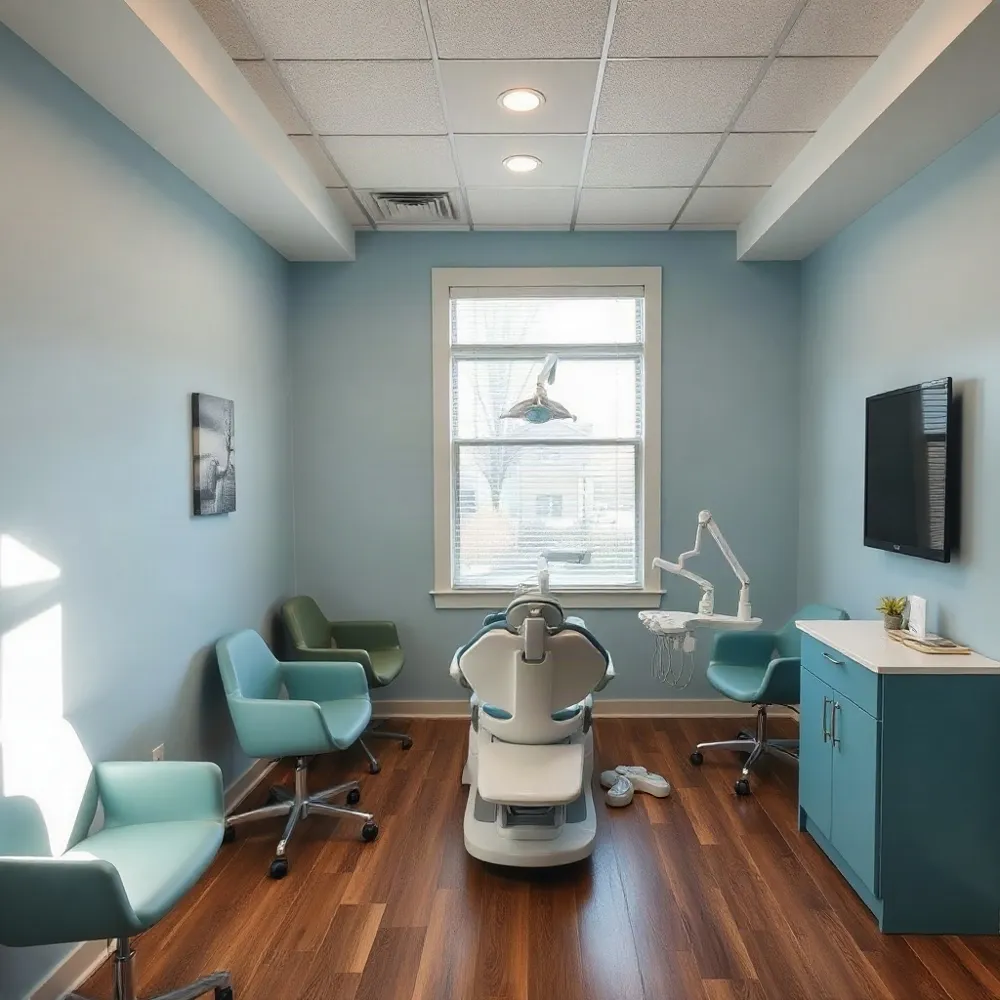 Dental anxiety is fear, stress, or apprehension connected with dental care. It can range from mild nervousness before a visit to intense fear that makes it hard to seek treatment, and it can affect people of any age. Estimates of how common it is vary with the definition used, but health guidance describes it as widespread. UT Dentistry notes that anxiety can involve both emotional and physical reactions.
Triggers differ from person to person. A painful or upsetting past experience, needles, drills, unfamiliar sounds or smells, and worries about pain can all contribute. Some people feel especially vulnerable when reclining or uneasy because they cannot easily see what is happening or feel in control. Anxiety may also be connected to broader mental health concerns or past trauma.
The response may show up as tension or panic, a racing heartbeat, sweating, nausea, or difficulty sleeping before an appointment. These reactions are not a personal failing. At Veenstra Family Dental, care is provided in a welcoming, family-focused setting, where patients can share what worries them and discuss support suited to their needs.
Putting off visits may allow oral-health concerns to worsen and make later care more difficult. Telling the dental team about anxiety is a practical first step: name specific triggers, describe what has helped before, and ask questions about what to expect. Veenstra Family Dental serves patients across ages, so families can discuss individual comfort concerns with the team rather than assuming everyone needs the same approach. Better Health Channel guidance on dental anxiety also recommends discussing specific triggers with a dentist.
Preparing for a Calmer Appointment
 A little planning can make an appointment feel more manageable. When you book, or before treatment begins, tell the dental team what worries you. Mention past experiences and specific sounds or sensations that may be uncomfortable. Sharing these details gives the team a chance to understand your needs and discuss a personalized approach.
At Veenstra Family Dental, care is provided for patients of all ages in a welcoming, family-focused setting. Letting the team know what helps you feel comfortable can guide how they communicate with you and approach your visit. You can also [read more about preparing for a calmer appointment](./creating-a-relaxing-atmosphere-in-our-office#prepare-for-a-calmer-appointment).
Choose a time when you expect to feel rested and unhurried, and allow yourself enough time to arrive without rushing. Before the visit, try breathing slowly and deeply for a few moments. Relaxation and open communication are among the approaches recommended for managing dental anxiety by UT Dentistry.
Ask what to expect during treatment and whether the dentist can explain each step as it happens. You can also agree on a hand or finger signal to request a pause. Having a clear way to ask for a break may help you feel more involved and in control.
If music or another distraction might help, ask whether headphones or other options are permitted during your visit. Comfort measures vary by practice and appointment, so it is best to check in advance. A few simple preparations can help you and the dental team work together toward a visit that feels more comfortable.
Returning After a Long Break
If it has been years since your last dental visit, you do not need to apologize for the gap. Feeling embarrassed about your teeth or unsure what a dentist may find can make reaching out harder, but the dental team’s role is to understand your needs and provide care, not judge you. Cleveland Clinic’s guidance on dental fear recommends telling the dentist what is worrying you so you can discuss ways to make a visit more manageable.
A first appointment after a long break can begin with conversation. Tell the office what feels difficult, whether that is anxiety, cost concerns, or something about your smile, and ask what to expect. At Veenstra Family Dental, a family-focused practice in Midland Park, NJ, care is centered on patients across ages, with a welcoming atmosphere for discussing concerns.
The visit can help you understand your oral health, ask questions, and review possible next steps. If treatment is recommended, ask the dentist to explain the options and how care might be prioritized. You can also share what would help you feel more at ease; open communication about dental anxiety can help the team understand your preferences.
Avoiding care can allow dental problems to worsen, which may make returning feel even more daunting, as Better Health Channel explains. You do not have to solve everything at once. Contacting a dental office and taking the next step at a pace you can manage can help you move toward care.
Personalized Support for Every Age
 When anxiety feels intense, a patient and dentist can make a plan that respects the person’s pace. At Veenstra Family Dental, a family-focused practice in Midland Park, care is provided across ages, giving patients room to explain what feels difficult and discuss comfort needs.
A plan might include shorter or gradual visits, clear explanations before each step, a hand signal for requesting a pause, and calming strategies such as slow breathing or music. These approaches can make treatment feel more predictable and give patients a greater sense of control. UT Dentistry’s guidance on dental anxiety also encourages patients to share concerns with their dental team.
Sedation may be discussed when other supports are not enough, but it is not necessary for every anxious patient, and not every practice offers the same options. A dental provider should review medical history, current medications, treatment needs, and safety considerations before recommending an approach. Patients should also ask about any preparation, transportation, or recovery requirements.
Children often feel more secure when they know what to expect. A welcoming team can use simple, age-appropriate explanations, show an instrument before using it, invite questions, and offer small choices. Gentle praise, music or video distractions, and breaks when appropriate can help a child take part at a comfortable pace. These steps reflect the patient-centered support described in guidance on dental anxiety in children and adults.
Parents can reinforce that sense of safety by speaking calmly about dental care, avoiding frightening stories, and praising their child’s effort rather than demanding that they feel brave. Veenstra Family Dental’s family-focused care serves children as well as adults, so families can discuss a child’s worries with the dental team and ask what support may suit that visit.
Take the Next Step
Dental anxiety is understandable, and you do not need to feel embarrassed about asking for support. Sharing what worries you, whether it is a past experience, a particular sound, or uncertainty about treatment, gives the dental team a chance to listen and discuss what may help.
At Veenstra Family Dental, care is designed for patients of all ages, with a welcoming approach and modern dental techniques. Talk with the team about what feels manageable, such as discussing each step or agreeing on a signal for a pause. Together, you can plan a way to maintain your oral health at a pace that feels more comfortable. UT Dentistry’s guidance on dental anxiety also encourages patients to share concerns with their dental team.