Start With Your Family’s Needs
Moving to a new area is a good opportunity to find a trusted dental home: a practice your family can turn to for routine care, procedures, and urgent needs. The American Dental Association’s guidance on choosing a dentist recommends looking for a dentist who can support your family’s oral health over time.
A household’s needs may change as children grow and adults move through different life stages. Consider whether a practice can address the care your family needs, and whether its location, hours, and approach make visits manageable. Veenstra Family Dental in Midland Park offers family-focused care with modern techniques and a welcoming atmosphere.
As you compare options, look at qualifications, communication, comfort, available services, location, insurance participation, and expected costs. The right fit should help each family member feel heard and make it easier to maintain care.
Choose a Practice That Fits Your Family
 SECTION (Choose a Practice That Fits Your Family):
A family dentist may care for children, adults, and older relatives as their needs change. Check whether a practice provides the preventive and restorative services your household may need, and confirm details directly rather than assuming every office offers the same care. Veenstra Family Dental serves patients of different ages in a family-focused setting, so ask which services fit each family member.
Review the dentist’s education, experience, and commitment to continuing education. You can use your state dental board’s website to confirm an active license and check for public disciplinary information. Professional affiliations can offer additional context, but they are only one part of assessing a dentist’s qualifications.
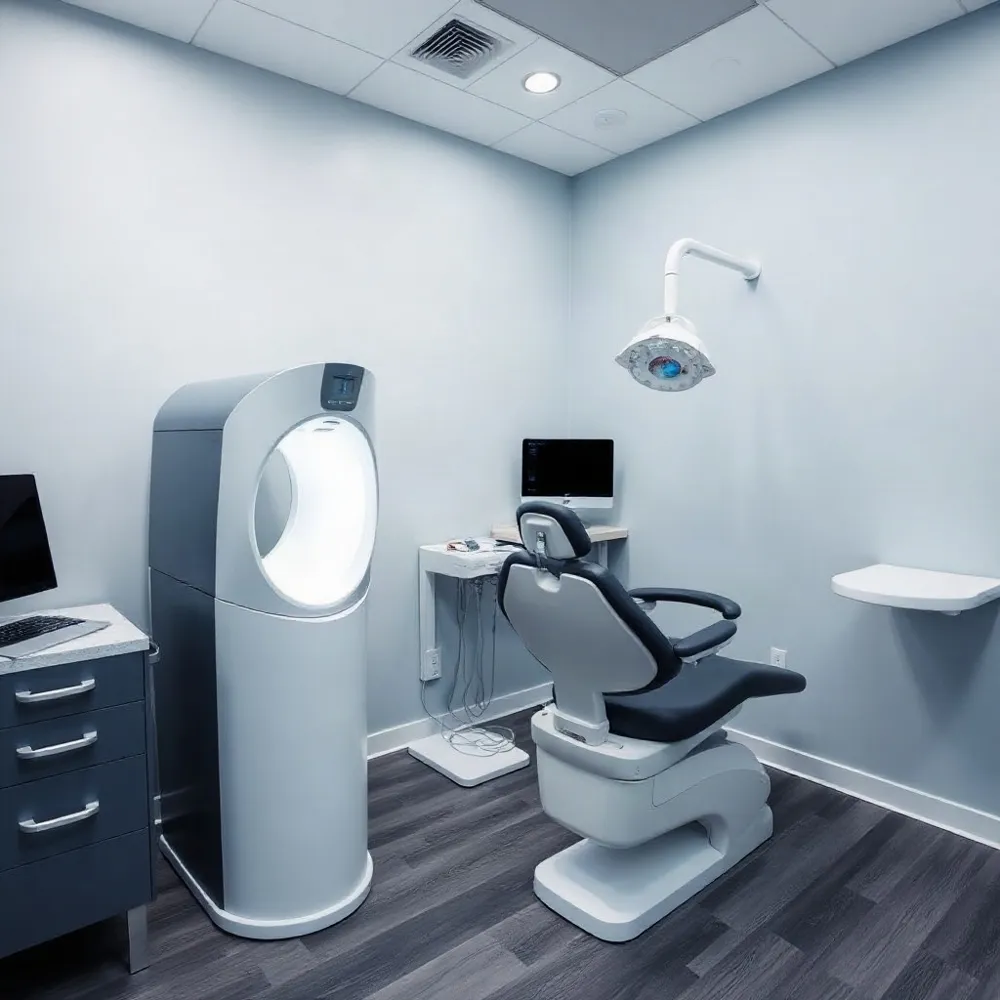
Ask what technology the practice uses and how it supports diagnosis, treatment, or patient comfort. Modern tools vary by office, so do not assume a practice offers a particular scanner, imaging system, or laser. Veenstra Family Dental describes its care as supported by advanced technology; a direct conversation can clarify which tools may be relevant to your family’s treatment.
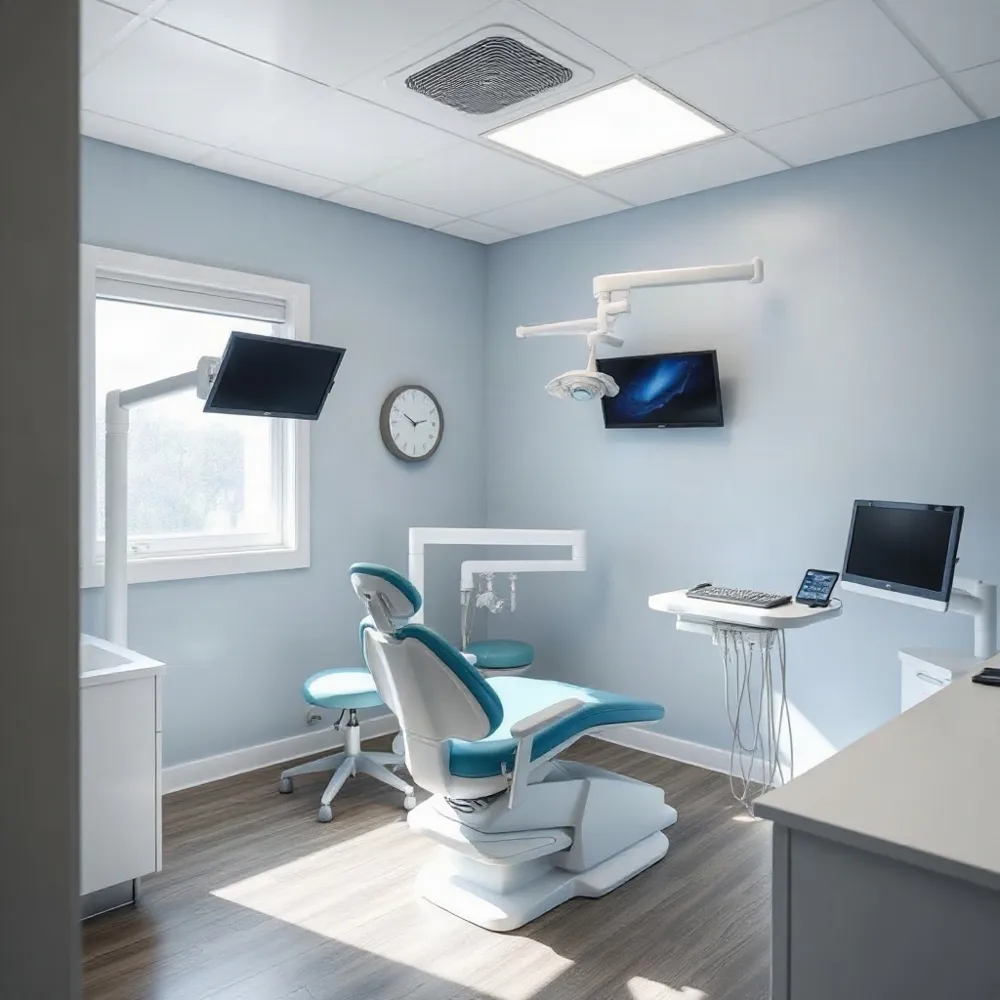
Notice whether the dentist listens, explains findings and treatment choices in plain language, and welcomes questions. A comfortable, attentive atmosphere can help children and patients who feel anxious. The American Dental Association’s guidance on choosing a dentist also recommends considering access, communication, and whether the office feels welcoming.
Location, office hours, appointment availability, and plans for emergencies outside regular hours affect how practical a practice will be. Recommendations from people you trust and online reviews can help you identify candidates, but experiences differ. A call, consultation, or visit gives your family a chance to assess the personal fit and ask about services, insurance, and costs before treatment.
Notice How the Practice Communicates
Notice How the Practice Communicates
A useful appointment should leave you with a clear understanding of your oral health and what happens next. If the dentist rushes, overlooks your health history or concerns, or explains a diagnosis in a way you cannot follow, pause and ask for clarification. The American Dental Association’s guidance on choosing a dentist encourages patients to share concerns and make sure their questions are answered.
Be cautious if you feel pressured to agree to costly or urgent treatment without a clear explanation. Ask what the treatment is intended to address, what alternatives are available, what risks come with each option, and what fees to expect. At Veenstra Family Dental in Midland Park, the practice’s family-focused approach and modern dental care should still be accompanied by clear, respectful answers to your questions.
Unclear billing, difficulty accessing your records, frequent provider changes, or repeated complaints about communication are reasons to ask more questions, not automatic proof that a practice is unsuitable. You can also read about how real-time communication can support patient comfort when evaluating whether a dental team listens and responds.
If an explanation still leaves you uncertain, request more detail or seek a second opinion before deciding. Respectful communication helps you understand your choices and take part in decisions about your care.
Make the First Visit a Useful Conversation
 A first appointment is a chance to see how the dentist works with you, not just to complete an examination. The American Dental Association’s guidance on choosing a dentist recommends preparing questions and bringing dental records when they may help explain your history or a specific concern.
Before you arrive, note your medications, relevant health conditions, previous dental experiences, worries, and goals. At Veenstra Family Dental, sharing those details helps the team understand what matters to you and shape the conversation around your needs.
What questions should I ask at my first appointment with a new dentist?
Ask what the examination shows about your teeth and gums, which preventive steps could help, and whether a concern needs treatment now or can be monitored. If treatment is recommended, ask about the available options, their benefits and drawbacks, and what recovery may involve. You can also explain any anxiety and ask how the team can make the visit more comfortable.
Find out how to reach the practice for guidance about an urgent dental concern, how digital images or scans may help explain findings, and whether your medical and dental history will be kept in your file. If cost questions arise, ask how to discuss estimates and payment options before treatment.
Notice whether the office feels welcoming, comfortable, and neat, and whether the dentist listens carefully and answers in a way you understand. A useful first visit should leave you with a clearer picture of your oral health and a chance to take part in decisions about care.
Confirm Insurance Before Treatment
 Start with your insurer’s online dentist directory or member services, searching with the exact plan and network name. Directories can be out of date, so confirm participation with the dental office before booking. The American Dental Association’s guidance on choosing a dentist also recommends checking network status and asking whether the office understands your benefits.
How can I find a dentist who accepts my dental insurance?
Ask whether the dentist is in-network for your specific plan and whether the office can submit claims on your behalf. Then contact your insurer to check eligibility, covered services, deductibles, and estimated out-of-pocket costs. Coverage can vary by plan and treatment, so request estimates from both the insurer and the practice before scheduling.
At Veenstra Family Dental in Midland Park, NJ, contact the practice directly to discuss insurance and billing details for your care. Do not assume participation based on a general insurer directory or the name of a plan.
Why might a dental practice not accept every insurance plan?
Networks differ in reimbursement rates, contract terms, and administrative requirements. A practice may choose to participate in a limited number of networks to support its services and care approach. That does not automatically mean it cannot treat patients with other coverage.
Some plans include out-of-network benefits, but the amount covered and your share of the cost may differ. Before treatment, ask the practice and insurer to review benefits, estimated charges, and claim submission. Confirming these details helps you make an informed decision without treating an estimate as a guarantee.
Ask How Digital Scans Are Billed
A digital scan may be included in the fee for a crown, bridge, or aligner treatment, or billed separately. The charge depends on the scan type, why it is needed, and the practice’s billing approach. At Veenstra Family Dental, patients can ask the team to explain how a scan fits into a proposed treatment plan before proceeding.
If billed separately, a scan may cost about $25 to $100, but this is only a possible range, not a standard price or guarantee. Insurance coverage varies by plan and procedure, so your out-of-pocket cost may differ. For background on how scan fees can be handled, see digital scan billing questions.
Before the appointment, ask what the scan is for, whether it is a separate charge, and what the estimated cost will be. The American Dental Association’s guidance on choosing a dentist also recommends asking about benefit-plan understanding and financial options for treatment.
Choose With Confidence
Choosing a family dentist means considering both professional qualifications and the relationship you can build over time. The American Dental Association recommends finding a dental home where your family can receive ongoing care and feel comfortable raising concerns (ADA guidance on choosing a dentist).
Before deciding, verify practical details, ask questions, and notice whether the team explains your options clearly and treats your family with respect. At Veenstra Family Dental in Midland Park, care is designed for patients of all ages, with modern techniques and a welcoming approach.