Listening in the Moment: A New Standard for Patient Comfort
The Power of Real-Time Feedback
Many dental practices collect feedback through post-visit surveys, but a growing number are discovering the power of real-time feedback. This approach focuses on making immediate adjustments during a patient's visit, based on their direct input, rather than waiting for a retrospective survey. It transforms a static experience into a dynamic conversation, where the patient's comfort is actively managed in the moment. Research shows that dental practices with robust patient feedback systems are 39% more likely to significantly improve the overall patient experience. This method directly improves patient satisfaction, boosts patient retention, and enhances staff performance by providing actionable insights as care is delivered.
At Veenstra Family Dental, this philosophy is a core part of the practice culture. The team's commitment to treating every patient like family means that understanding and addressing discomfort is a constant priority. Their approach is built on a foundation of respect, advanced technology, and deep-seated care for overall well-being. The goal is not just to treat teeth, but to create an environment where patients feel heard, respected, and genuinely comfortable throughout their entire visit.
A Culture of Immediate Response
The practice's real-time feedback system starts with a simple but powerful shift in mindset. Instead of relying solely on post-appointment surveys, the team is trained to encourage open dialogue during the visit. Staff members are skilled at asking open-ended questions like, "How are you feeling right now?" or "Is there anything we can do to make you more comfortable?" This proactive approach turns every interaction into an opportunity for immediate improvement.
For example, if a patient indicates that they feel cold or are uncomfortable with their head position, the dentist or hygienist can make an immediate adjustment. This kind of responsiveness is made possible by a well-coordinated team that shares information seamlessly. Before a patient even enters the treatment room, the team reviews their history and any notes from the front desk, ensuring everyone is prepared to meet their specific needs. This commitment to real-time communication is a natural extension of the practice's patient-centered approach, which respects each individual's pace and preferences.
Technology as a Partner in Comfort
Advanced technology plays a crucial role in implementing this real-time feedback system. The practice uses a patient communication platform that enables secure, two-way texting between patients and the clinical team. This allows patients to alert the office about discomfort before their visit or even during a procedure, if needed. For instance, a patient waiting in the reception area can send a quick text to let the front desk know they are feeling anxious, allowing the team to offer reassurance or adjust the schedule to minimize their wait.
During the appointment, the team can use intraoral scanners to provide instant visual feedback, showing patients exactly what they see. This demystifies the process and allows for immediate questions, reducing anxiety. The practice also uses digital forms that patients can complete from home, which streamlines the check-in process and gives the team more time to focus on personal interaction rather than paperwork. This blend of human touch and digital efficiency ensures that every moment in the chair is focused on the patient's well-being.
Action Based on Immediate Input
The effectiveness of this system is seen in how quickly the team can act on patient input. Common adjustments made in real-time include:
| Patient Input | Immediate Action | Expected Outcome |
|---|---|---|
| "I'm feeling a little anxious." | Offer a break, explain the next step, or adjust the pace. | Reduced anxiety and increased sense of control. |
| "The light is too bright." | Dim the overhead light or offer protective glasses. | Reduced sensory discomfort. |
| "My neck is starting to hurt." | Adjust the chair position or offer a neck support pillow. | Increased physical comfort and reduced fatigue. |
| "I can feel some pressure." | Pause, re-administer anesthetic, or adjust technique. | Pain-free procedure and increased trust. |
| "I don't understand what's next." | Stop and provide a simple, jargon-free explanation. | Reduced confusion and increased cooperation. |
This table illustrates just a few ways that real-time feedback translates into immediate, tangible improvements in the patient experience. By responding to these cues, the team validates the patient's feelings and builds a powerful sense of trust.
Closing the Loop: From Feedback to Improvement
The practice doesn't stop with in-the-moment adjustments. All feedback, whether collected through two-way messaging, informal conversation, or post-visit surveys, is reviewed in regular team meetings. This ensures that patterns are identified and addressed at a systemic level. For example, if several patients mention that the waiting room temperature is too cool, the team can adjust the thermostat for everyone. If a particular procedure is consistently causing discomfort, the team can discuss and refine their technique.
This continuous improvement cycle reinforces the message that every piece of feedback is valued. When patients see that their input has led to a tangible change, they feel a deeper sense of loyalty and are more likely to share their honest thoughts in the future. This creates a positive feedback loop where the practice constantly evolves to meet the needs of its patients, leading to higher satisfaction, better treatment adherence, and a welcoming atmosphere that truly sets a new standard for patient comfort. By listening in the moment, the team at Veenstra Family Dental turns every visit into a collaborative, comfortable, and exceptionally caring experience.
The Why Behind Every Smile: The Power of Real-Time Communication
 Communication is the foundation of any successful relationship, and that is especially true between a dental provider and a patient. It is the tool that transforms a potentially stressful medical appointment into a collaborative, reassuring experience. At Veenstra Family Dental, our team understands that how we listen and speak is just as important as the clinical work we perform. This commitment to clear, real-time communication is why our patient reviews are 100% positive for providers who truly listen, answer questions, and explain conditions well.
Why is communication important in dentistry?
Communication is far more than a social nicety; it is a clinical necessity. Effective communication builds the essential trust that encourages patients to return for care and follow treatment plans. It directly reduces dental anxiety by demystifying procedures and giving patients a sense of control. When patients understand what is happening and why, they are more likely to feel calm and cooperative. By using simple, clear language, we empower patients to make informed decisions about their oral health. This approach also significantly lowers the risk of misunderstandings that can lead to complaints or legal issues.
The 5 Cs of Effective Dentist-Patient Communication
To ensure every interaction is valuable, research highlights the importance of the 5 Cs: Clear, Correct, Concise, Complete, and Cohesive. We apply these principles in every conversation. This means avoiding medical jargon like “benign” and instead using plain terms like “not cancer.” We deliver messages slowly and clearly, especially for patients who may feel anxious or have limited health literacy. This systematic approach ensures that information is not just delivered, but truly understood.
How Real-Time Feedback Shapes Our Care
Real-time communication is the cornerstone of improving patient comfort. Our team does not wait for a post-appointment survey to learn how a patient is feeling. During a procedure, a dentist might say, “I understand that many patients feel nervous about dental treatments. I will do my best to make you feel comfortable and address any concerns you may have.” This immediate verbal reassurance provides real-time feedback that allows us to adjust our care on the spot, whether that means taking a slower pace, offering a break, or explaining a specific sensation.
This approach is supported by a systematic review of feedback data, which identifies six key post-data collection activities for using feedback. These activities are grouped into three crucial themes:
- Make sense of the data: Benchmarking against past performance and comparing with historical data.
- Communicate and explain data: Disseminating findings, teaching the team, and interpreting the results.
- Plan for improvement: Discussing findings and creating a concrete plan for change.
At Veenstra Family Dental, this process is continuous. Our team reviews feedback from digital surveys, two-way messaging, and chairside conversations in regular meetings. For example, if a pattern of feedback shows that patients feel rushed during post-treatment instructions, we can immediately adjust our protocol to allocate more time for questions. This closed feedback loop ensures that patient comfort remains a top priority, and every adjustment is evidence-based.
What role does non-verbal communication play in a dental visit?
Words are only one part of the conversation. In fact, research suggests that approximately 93% of emotional communication is conveyed through non-verbal cues. This includes facial expressions (like a warm smile), body language (such as an open posture), and tone of voice. In a dental setting, these silent messages are incredibly powerful.
The Silent Language of Trust
Before a single word is spoken, a patient’s experience is shaped by the environment and the team’s demeanor. A clean, welcoming reception area, the calm movements of a hygienist, and a friendly greeting from the front desk all send a powerful message of care and professionalism. During treatment, our team uses positive body language—like leaning forward to show interest and maintaining good eye contact—to reassure patients. We avoid closed-off postures like crossed arms. These cues help build trust rapidly, which is essential for patients who arrive feeling anxious or vulnerable.
Creating a Welcoming Atmosphere
Non-verbal communication also extends to the physical practice. We ensure that our waiting area is not just comfortable but calming, with soft lighting and thoughtful design. This reduces the “fight or flight” response that many people associate with a dental visit. The way our staff moves through the office—calmly, purposefully, and with a smile—reinforces a sense of safety and control for the patient. This holistic approach to communication works in real-time, allowing us to perceive a patient's discomfort or anxiety and respond with empathy before they even have to ask for help.
Table: Real-Time Communication Strategies for Patient Comfort
| Communication Strategy | Application in Practice | Impact on Patient Comfort |
|---|---|---|
| The 5 Cs | Using simple language, avoiding jargon like "benign" and saying "not cancer". | Reduces confusion and anxiety, ensuring the patient fully understands their care plan. |
| Reassurance & Empathy | Verbally acknowledging anxiety and committing to patient comfort during a procedure. | Provides immediate emotional safety, making the patient feel seen and respected. |
| Non-Verbal Cues | Greeting with a smile, maintaining eye contact, and using an open, relaxed posture. | Builds instant trust and rapport, communicating care without words. |
| Post-Procedure Follow-Up | Sending a text or call within 24-48 hours to check on recovery and comfort. | Shows the patient that their well-being is a priority beyond the appointment, strengthening loyalty. |
| Feedback Integration | Using real-time chairside feedback and post-visit surveys to adjust care protocols. | Creates a responsive environment where the patient's voice directly shapes their experience. |
Turning Conversation Into Comfort: The Assistant's Secret
 The dental assistant's role extends far beyond handing instruments. Often, they are the first and most consistent point of contact during a procedure, making their conversation skills a powerful tool for reducing anxiety and building trust. The goal is to transform a clinical interaction into a personalized, reassuring experience.
How should a dental assistant converse with a patient to build rapport?
Building rapport begins the moment a patient is welcomed from the waiting room. A warm greeting, using the patient's name, combined with open body language—a genuine smile and direct eye contact—immediately sets a positive tone. This approach aligns with patient feedback for Dr. Veenstra's team, who are described as being "very friendly, informative" and "always smiling greeting you in a pleasant way." These small gestures signal that the patient is seen as a person, not just a case.
Once the patient is seated, the assistant can engage in light conversation. This is not just idle chatter; it is a strategic move to distract and relax. The initial question should be non-clinical, such as asking about their day, a hobby, or a recent event. This creates a connection before any clinical discussion begins. The assistant who "talked to me the whole time" to keep a child from being bored is a perfect example of real-time engagement that actively reduces anxiety by shifting focus away from the procedure.
Active listening is the next critical step. The assistant should listen intently to the patient's responses, showing genuine interest. This involves nodding, making affirming comments, and asking follow-up questions based on what the patient shares. For instance, if a patient mentions a recent vacation, the assistant can ask where they went or what the highlight was. This demonstrates that the assistant values the patient's world outside the dental chair. It is also essential to respond with empathy, especially when a patient expresses fear or discomfort. A simple statement like, "I understand that many patients feel nervous. We will take things slowly, and you can raise your hand anytime you need a break," offers reassurance and control.
Using simple, jargon-free language is another cornerstone of effective rapport. Explaining what will happen next in clear, everyday terms—for example, saying "I'm just going to take a quick picture of your teeth" instead of "I'll be taking a digital radiograph"—demystifies the process and reduces fear. The assistant should always check for understanding by asking, "Does that make sense?" or "Do you have any questions about that?"
A powerful technique is the use of personal notes. Dr. Veenstra's team utilizes a morning huddle to review patient details before any appointment. This huddle is not just about clinical needs; it includes personal information gathered from the initial phone call or previous visits, such as a patient's new baby, an upcoming trip, or a recent job change. When the assistant greets a patient by saying, "Congratulations on the new addition to your family!" it creates immediate, powerful rapport before any treatment begins. This personalized attention makes the patient feel valued and remembered.
Throughout the procedure, the assistant should continuously ask about comfort. Phrases like, "How is your head feeling in the chair?", "Is the light too bright?", or "Let me know if you need to sit up for a moment" keep the patient engaged in their own care. This constant check-in is a form of real-time feedback, allowing the assistant to make immediate adjustments that enhance comfort. It empowers the patient to be an active participant in their experience.
What are open-ended questions in a dental setting, and why use them?
Open-ended questions are inquiries that cannot be answered with a simple "yes" or "no." They begin with words like "why," "how," "tell me about," or "what are your thoughts on..." In a dental setting, they are invaluable for moving beyond superficial answers and uncovering a patient's true feelings, concerns, and motivations. For example, instead of asking "Are you feeling okay?", an assistant might ask, "How are you feeling about the procedure so far?" This invites a more detailed response.
Using open-ended questions builds deeper rapport because they show the assistant is genuinely interested in the patient's perspective. It encourages patients to share their anxieties, expectations, and even hidden objections. For instance, asking "What concerns do you have about the treatment we discussed?" can reveal a fear of pain, a financial worry, or a misunderstanding about the recovery process. This insight is crucial for tailoring communication and care.
These questions also foster collaboration. Asking "What are your goals for your smile?" or "Tell me what’s most important to you about this visit" engages the patient in their treatment plan. This patient-centered approach empowers them and increases their sense of control, directly reducing feelings of helplessness and anxiety. Ultimately, open-ended questions transform a one-sided clinical discussion into a meaningful dialogue. They are the key to understanding the person behind the patient, leading to higher satisfaction, better treatment acceptance, and a stronger, trust-based relationship that encourages long-term loyalty. The goal is not just to treat teeth, but to treat the whole person, and open-ended questions are the gateway to that understanding. The assistant who skillfully uses this technique ensures every patient feels heard, respected, and cared for as an individual. This compassionate approach, reinforced by consistent, genuine communication, is the true secret to turning a conversation into lasting comfort. It is a deliberate strategy that builds a practice where patients feel safe and valued, transforming every visit into a positive experience. The integration of this conversational technique with real-time comfort checks creates a seamless feedback loop that prioritizes the patient's emotional well-being every step of the way. This is the foundation of a practice that is not only clinically excellent but also deeply empathetic and patient-focused. The ultimate success of this approach is a loyal patient base that trusts the team with their care, knowing they will be treated with respect, understanding, and compassion from the moment they walk in the door. This consistent, high-quality interaction is what defines an outstanding patient experience and sets a practice apart in a competitive healthcare landscape. The dental assistant, armed with these conversational skills, becomes a key driver of patient comfort and practice growth. Their ability to build rapport through genuine connection is an invaluable asset that transforms a routine visit into a positive, relationship-building encounter. This commitment to personalized care is what truly makes a difference in a patient's life. Using open-ended questions and active listening techniques, the assistant creates a safe space for dialogue that empowers the patient and builds lasting trust. This approach is not just a skill but a mindset that places the patient's emotional comfort at the heart of every interaction, ensuring they feel heard, valued, and cared for throughout their entire treatment journey. The result is a practice environment where anxiety is minimized, communication is clear, and patients are eager to return for the care they know will be both excellent and compassionate. This is the foundation of a successful and fulfilling dental practice. The assistant's role as a communicator and comfort provider is central to this mission.
| Aspect of Care | Assistant’s Action | Patient Benefit |
|---|---|---|
| Initial Greeting | Warm, personal welcome by name with a smile and eye contact. | Instant feeling of being recognized and valued, reducing initial anxiety. |
| Building Trust | Light, personal conversation; using notes from morning huddle. | Establishes a human connection, showing genuine care beyond clinical needs. |
| Real-Time Comfort | Continuous, direct comfort checks throughout the procedure. | Patient feels in control; immediate adjustments reduce discomfort and fear. |
| Clarifying Communication | Using simple, jargon-free language to explain steps. | Prevents confusion and worry, increasing understanding and cooperation. |
| Uncovering Needs | Using open-ended questions to explore feelings and concerns. | Reveals hidden anxieties for personalized care and higher satisfaction. |
| Empathetic Listening | Active listening and affirming responses to patient’s words. | Patients feel heard and respected, which builds deep trust and loyalty. |
Gentler Words, Better Care: How We Communicate Treatment
How can dental professionals improve patient communication? Through active listening and empathy every visit.
Strong communication is the foundation of a comfortable dental visit. It’s a two-way process where professionals and patients share clear, correct, and complete information. Our team prioritizes this to build trust and ease anxiety from the first appointment. We aim to empower you with knowledge so you can make informed decisions about your oral health without confusion or stress.
Active listening starts with full attention. When we greet you, we maintain eye contact, lean in to show interest, and ask open-ended questions like “What brings you in today?” This ensures we understand your concerns—whether it’s a specific pain or general nervousness. We avoid rushing through appointments, taking breaks if needed so you can process information. The result is a review like the one from a patient who wrote, “Always takes extra time to listen. Very understanding & patient.”
Empathy is equally critical. Acknowledging dental fear helps reduce it. We often say, “I understand that many patients feel nervous about dental treatments. I will do my best to make you feel comfortable and address any concerns you may have.” This reassurance is supported by research showing verbal reassurance can significantly lower a patient’s distress, especially in children. Our team treats the whole person, not just the tooth.
How can we make dental language easier to understand?
We replace clinical jargon with simple, everyday terms. For example, we say “germ” instead of “bacteria/virus” and “not cancer” instead of “benign.” This helps you grasp the situation quickly. We also explain procedures step by step. If you’re getting a filling, we might say, “We’ll numb the area first so you won’t feel pain. Then I’ll clean out the decay and place a safe, tooth-colored material.” These clear explanations turn complex treatments into understandable steps.
Real-time feedback is woven into the conversation. During treatment, our team checks in frequently—“How are you feeling? Do you need a break?” This isn’t just polite; it’s a chance to adjust care instantly. For instance, if you indicate discomfort, we can change your position, adjust the temperature, or offer a short pause. This approach builds trust, as patients feel heard and respected throughout the procedure.
We also use visual aids to enhance understanding. Before your exam, we might show you an intraoral scan of your teeth, pointing out areas of concern. This allows us to explain conditions without abstract concepts. Printed handouts, models, and videotapes are also available to clarify treatment options or home care instructions. Research shows that using visual aids significantly increases patient understanding and cooperation while reducing stress.
During consultations, we ask open-ended questions like “What one thing could we have done to improve your visit?” after the appointment. However, we also integrate these questions into the visit itself. For example, a question such as “Was the treatment plan explained clearly? If not, what remained unclear?” can be asked chairside. This ensures any confusion is addressed immediately rather than later. Our goal is to avoid overwhelming you with information by focusing on the next immediate step.
A dental satisfaction questionnaire is a useful tool for gathering structured input. We can ask, “On a scale of 1–10, how comfortable were you during your procedure today?” This provides measurable data on your comfort. By asking these questions in real time, we can make quick adjustments—like offering more detailed explanations or a different numbing technique. This method is more effective than waiting until after the visit when the experience isn’t as fresh.
How do we build rapport and address anxiety?
Building rapport begins with a warm greeting, a smile, and using your name during the appointment. We avoid crossed arms or looking distracted. Positive body language—like sitting at or below your height—puts you at ease. We also make small talk to learn about your interests, which helps personalize care. For example, knowing you have a new grandchild or a big trip coming up allows us to connect on a human level.
Dental fear is common. We take it seriously. We explain potential discomfort honestly, saying, “You may feel some pressure, but it shouldn’t be painful. Let me know if you need to stop.” This transparency reduces the feeling of helplessness that often accompanies anxiety. We also use techniques like the “tell-show-do” method for children: we tell them what we’ll do using simple words, show them the instrument in a non-threatening way, and then proceed slowly. This method has proven effective in pediatric dentistry.
We also encourage questions. Creating an open, welcoming environment where you feel comfortable asking “Why?” or “What does that mean?” is vital. We believe no question is unimportant. This bidirectional communication builds trust and ensures you leave feeling confident about your care plan.
Honest transparency extends to costs and treatment options. We explain insurance benefits, payment plans, and what your out-of-pocket expenses may be before any procedure begins. This prevents surprises and helps you make financial decisions without stress. By being upfront, we build long-term trust.
How can we provide clear post-treatment instructions?
After treatment, providing clear instructions is crucial. We explain procedure details, anesthesia effects, recovery challenges, dietary recommendations, and medication schedules. Research shows instructions are most effective when given in multiple formats. We provide verbal explanations reinforced with written pamphlets or digital resources sent to your phone. This ensures you remember important steps.
Follow-up is another form of real-time feedback. We often make proactive check-in calls within 24–48 hours after an appointment. This allows you to ask questions about discomfort or recovery, and it shows that we care about your well-being. A simple phone call can prevent misunderstandings and strengthen the patient-dentist relationship.
We also leverage technology for communication. Secure two-way texting enables you to send images or videos of healing progress or ask quick questions. This reduces the need for unnecessary trips to the office while keeping you connected. Our patient portal also allows you to submit feedback or questions at your convenience. This continuous loop of communication ensures your comfort is monitored even after you leave.
What role do satisfaction surveys play in real-time feedback?
Surveys are a powerful tool when used proactively. Instead of viewing them only as post-visit evaluations, we integrate them into the appointment. For example, at the checkout kiosk, you might see a quick question: “How comfortable did you feel today?” This immediate input helps us address issues before you leave. Anonymous options encourage honest responses, especially about anxiety or discomfort you might hesitate to mention directly.
We also use the results to train our team. If a survey reveals that a patient felt confused about aftercare instructions, we refine how we explain those steps. This commitment to continuous improvement is backed by studies showing that practices with robust feedback systems are significantly more likely to have a big impact on the overall patient experience.
By combining gentler language, active listening, empathy, and real-time feedback, we turn every visit into a partnership. Your comfort is our priority, and it starts with how we communicate.
| Communication Approach | How We Implement It | Benefit to You |
|---|---|---|
| Active listening | Eye contact, open-ended questions, taking time | Feeling heard and understood |
| Empathy and reassurance | Validating fears, offering breaks | Reduced dental anxiety |
| Jargon-free language | Using “germ” instead of “bacteria/virus” | Clear understanding of your health |
| Visual aids | Intraoral scans, handouts, models | Better comprehension of treatment options |
| Real-time checking | Frequent check-ins during procedures | Immediate comfort adjustments |
| Honest transparency | Explaining costs, risks, and alternatives | Informed decisions and trust |
| Post-treatment follow-up | Phone calls, secure messaging | Reinforced care, fewer complications |
| Real-time surveys | Chairside questions, checkout kiosks | Instant feedback drives improvements |
| Patient portal integration | Two-way texting, digital resources | Convenient access and support at home |
| Staff training from feedback | Team discussions of survey results | Continuously improved patient experience |
From Patient Voices to Practice Choices: How Feedback Drives Quality
How can patient feedback be used to improve dental practice quality?
Patient experience feedback is collected systematically to measure health care quality, covering both relational (interpersonal) and functional (how care is delivered) aspects. At Veenstra Family Dental, this feedback is a cornerstone of quality improvement.
A systematic review identified six post-data collection activities for using feedback: benchmarking, comparing with historical data, follow-up data collection, dissemination of findings, teaching and interpreting results, and discussion of findings and planning for improvement. These activities are categorized into three themes: Make sense of the data, Communicate and explain data, and Plan for improvement.
The practice collects patient feedback through multiple channels: online questionnaires, automated post-visit surveys sent within 24-48 hours, in-office feedback kiosks, and monitoring online reviews. A study found that 77.1% of patients rated staff as excellent and 72.2% said they trusted their dentist—insights only captured through structured feedback.
Once collected, data is aggregated from surveys, kiosks, and reviews and reviewed in team meetings. This helps identify trends related to wait times, comfort during procedures, or communication clarity. The Relias article emphasizes that implementing changes based on feedback and communicating those improvements back to patients builds trust and shows that their input is valued.
Systematic Collection and Analysis
The process begins with defining what to measure. For example, a practice might set SMART objectives, such as increasing patient satisfaction scores by 15% over six months or reducing wait times by 20% based on feedback. Effective feedback questions include:
- "On a scale of 1-10, how comfortable were you during your procedure today?"
- "What one thing could we have done to improve your visit?"
- "How likely are you to recommend our practice to friends or family?"
- "Was the treatment plan explained clearly? If not, what remained unclear?"
Automated post-visit surveys capture feedback while the experience is fresh, and they tend to have the highest response rates. In-office kiosks allow patients to share immediate impressions before leaving, especially about staff and facilities. The team then summarizes the data, uses statistical models to represent it, and runs sentiment analysis to detect emotional tones.
From Data to Action
To turn feedback into quality improvements, the team prioritizes the most pressing complaints, especially those detrimental to the practice's reputation. They create action plans with responsibilities and deadlines, then communicate changes to patients via email newsletters or in-office signage.
Implementing changes might involve:
- Adjusting scheduling processes to reduce wait times
- Providing staff training on communication skills or chairside manner
- Enhancing comfort measures such as offering VR sedation or adjusting room temperature
- Improving billing transparency by verifying insurance beforehand and providing clear cost estimates
Staff are involved in implementing changes through regular meetings where patient complaints are shared and ways to improve healthcare quality are discussed. Staff members praised in feedback are commended to show appreciation and encourage others.
Tracking Success with Key Metrics
The practice tracks key performance indicators (KPIs) to monitor the impact of changes:
| Metric | Description | Example Goal/Context |
|---|---|---|
| Net Promoter Score (NPS) | Measures likelihood to recommend | Track trends over time |
| Patient Satisfaction Score | Overall satisfaction rating | Increase by 15% in six months |
| Average Wait Time | Time from arrival to treatment | Reduce by 20% over next quarter |
| Issue Resolution Rate | % of problems resolved | Track per patient complaint |
| Patient Retention Rate | % of returning patients | Improve by 10% annually |
| Online Rating Improvements | Average star rating on Google/Yelp | Target 4.5+ stars consistently |
Integrating Feedback into Practice Culture
A key step is making feedback analysis a regular part of practice management. At Veenstra Family Dental, the team uses a patient communication platform that includes tools like automated appointment reminders, two-way texting, and digital intake forms. These allow patients to share comfort concerns during their visit.
The system enables staff to send customized follow-up messages after procedures to check on recovery and comfort. Secure two-way messaging lets patients report post-procedure discomfort or ask questions directly to the clinical team. The feedback data is reviewed regularly at team meetings to inform training and process improvements.
This ensures that patient comfort remains a top priority and that adjustments to care protocols are evidence-based. The practice tracks reduction in no-shows and cancellations partly due to improved patient comfort and engagement from the feedback loop. When patients feel their feedback is acted upon, they are more likely to keep appointments and trust the care team.
Communicating Improvements Back to Patients
After implementing changes, it's essential to let patients know how their feedback made a difference. This can be done through:
- Newsletters or social media posts highlighting changes made
- In-office signage explaining new procedures
- Personalized follow-up calls or messages
- Success stories where patient feedback led to improvements
Sharing these stories motivates staff and reassures patients that their feedback is valued. It creates a positive cycle: patients feel heard, provide more honest feedback, and the practice continues to improve.
Investing in patient experience can lead to financial gains, as satisfied patients are more likely to return and refer others, boosting revenue and reputation. The cost of acquiring a new patient is 25 times more than retaining an existing one, making retention crucial for long-term success. Ultimately, using feedback to refine both relational and functional aspects of care directly enhances the patient experience and clinical outcomes.
Real-Time Tools: From Virtual Check-In to Virtual Reality
Beyond the Waiting Room: How Virtual Check-In Eases Anxiety
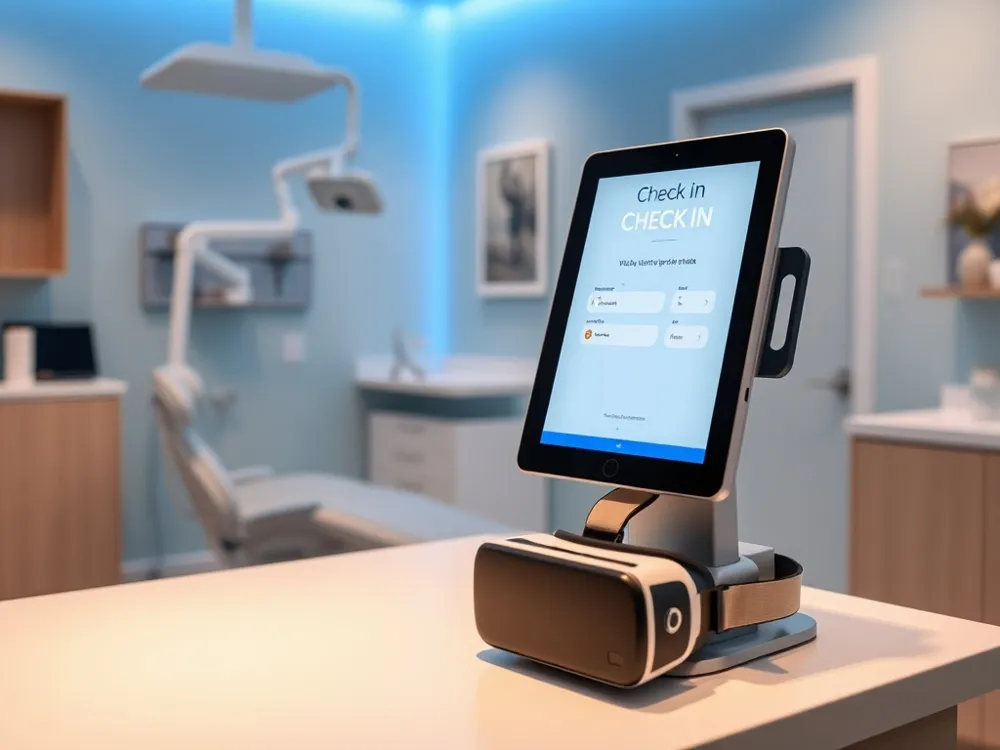
The journey to a comfortable dental visit begins before a patient ever sets foot in the treatment room. Veenstra Family Dental utilizes virtual check-in technology to transform the arrival experience. Instead of sitting in a busy reception area, patients can check in remotely from their vehicle, completing necessary forms and providing health information before they even enter the office. This process dramatically reduces time spent in the waiting room, a common source of patient anxiety. For patients who may already be nervous, the ability to bypass a crowded lobby and move directly to a clean, calm treatment space helps lower stress levels from the very start. The practice reinforces this with automated appointment reminders through text and email, keeping patients informed and prepared, which further reduces the chance of unexpected delays.
Staying Connected: Two-Way Messaging for Post-Procedure Comfort
Real-time feedback does not stop once a procedure ends. Veenstra Family Dental leverages secure two-way messaging to check on patients after their visit. A patient who has just received a filling or crown can send a quick message to the clinical team about any sensitivity, discomfort, or questions. This direct line of communication provides reassurance and allows the dentist to offer immediate guidance—whether that means adjusting a home care routine or scheduling a follow-up. The practice also uses automated follow-up messages to ask specific questions about pain levels, recovery, and overall satisfaction. This proactive approach shows patients that their comfort matters long after they leave the chair, and it provides the team with actionable, real-time data to refine their care approach for each individual.
Immersive Escape: Virtual Reality Sedation in Action
For patients who experience significant dental anxiety, Veenstra Family Dental offers a non-pharmacological solution: virtual reality (VR) sedation. This technology uses an immersive headset to transport the patient into a calming digital environment—a serene beach, a quiet forest, or a guided meditation journey. VR works as a cognitive distraction technique, engaging the patient’s visual and auditory senses so completely that the brain has fewer resources available to process pain signals or anxiety. Studies show that patients using VR during procedures report lower perceived pain, lower anxiety scores, and even reduced physiological stress markers like heart rate and blood pressure. Pediatric patients, in particular, respond well to VR, as it turns a potentially frightening experience into an interactive adventure, often reducing the need for behavioral management techniques. For the dentist, this means a more relaxed patient who needs less verbal reassurance, allowing for a smoother, more efficient procedure.
Seeing is Believing: Using Technology for Immediate Feedback
The feedback loop at Veenstra Family Dental is strengthened by advanced diagnostic tools that engage patients directly. When a patient sees their own intraoral scan or digital X-ray on a screen, they can immediately point out areas of concern or discomfort. This real-time visual communication helps the dentist explain findings clearly, and the patient can respond with precise feedback: “That spot feels sensitive,” or “Can you show me what you’re looking at?” This collaborative process empowers patients and makes them active participants in their care. It also allows the clinical team to adjust treatment on the fly—for example, modifying the angle of the scan or pausing to address a sharp edge on a restoration. By integrating modern tools like digital X-rays and intraoral cameras into every visit, the practice creates a transparent, patient-centered environment where comfort and understanding are constantly evaluated and improved.
Fitting into Your Schedule: Extended Hours as a Response to Feedback
Veenstra Family Dental also demonstrates its commitment to patient comfort through structural changes based on feedback. Recognizing that long waits and inconvenient appointment times are major sources of frustration, the practice offers extended evening hours and Saturday appointments. This flexibility allows patients to schedule care around work, school, and family commitments, reducing the stress of rushing to an appointment or missing time from a job. The practice’s team regularly reviews scheduling data and patient comments to ensure that appointment slots are optimized for minimal wait times. By acting on this feedback, Veenstra Family Dental shows that it values not only the clinical outcome but also the practical comfort of its patients’ daily lives.
| Technology | How It Works | Patient Comfort Benefit | Real-Time Feedback Integration |
|---|---|---|---|
| Virtual Check-In | Patients check in remotely from their vehicle, complete digital forms before entering. | Reduces waiting room anxiety, minimizes time spent in crowded spaces. | System provides immediate data on arrival, allowing staff to prepare and adjust room readiness. |
| Automated Reminders | Text or email appointment reminders sent before the visit. | Ensures patients are informed and prepared, reducing no-shows. | Software tracks response rates, identifying who needs additional communication. |
| Two-Way Messaging | Secure platform for post-procedure check-ins and questions. | Offers immediate reassurance for recovery concerns; allows quick guidance. | Clinical team receives real-time symptom reports to adjust care plans. |
| Virtual Reality Sedation | Immersive headset provides calming digital environments during treatment. | Reduces pain perception and anxiety through cognitive distraction. | Patient can signal discomfort; VR environment can be changed instantly to improve relaxation. |
| Intraoral Scanners & Digital X-Rays | High-resolution 3D imaging displayed on a screen in real time. | Patients see their own mouth, enabling direct feedback on comfort and treatment understanding. | Allows immediate patient input on findings, improving communication and adjustments. |
| Extended Evening & Saturday Hours | Appointment slots available outside traditional business hours. | Reduces scheduling stress and accommodates work and family commitments. | Feedback data on preferred times and wait times is used to refine the schedule. |
The Proof Is in the Reviews: Real Patients, Real Comfort
What are examples of positive feedback from dental patients?
For a dental practice, patient feedback is the most authentic measure of success. At Veenstra Family Dental, the reviews consistently highlight the factors that build lasting patient comfort and trust. One long-term patient shared, "We have been clients of Dr. Veenstra for many years. Never disappointed! Great office in every way." Another new patient praised their experience: "Excellent experience as a new patient. Very friendly, informative staff. Hygienist was careful, thorough, and knowledgeable." These testimonials illustrate the real-world impact of a practice committed to compassionate, personalized care.
Beyond specific praise for the Veenstra team, common threads in positive dental reviews across the industry emphasize what patients value most. They frequently mention a gentle, informative hygienist who explains each step, pain-free numbing that alleviates long-standing anxiety, and the convenience of same-day scheduling for emergencies. Patients also appreciate short wait times, a clean and welcoming environment, and feeling heard during their visit. This collection of positive experiences directly supports the practice's goal of creating a comfortable and trusting atmosphere for every patient.
The practice actively invites and monitors this feedback to ensure continuous improvement. After each visit, patients are encouraged to share their experience through QR codes on thank-you cards and post-visit text message links. The team regularly monitors Google and Yelp reviews, responding thoughtfully to both praise and constructive criticism. This real-time feedback loop demonstrates that the practice values every patient's voice.
The Importance of Patient Reviews in Today's Digital World
In an era where 84% of people trust online reviews as much as personal recommendations, and 90% use them to evaluate physicians, a dental practice's online reputation is paramount. Positive reviews are today's word-of-mouth, directly influencing new patient decisions. When a practice consistently earns praise for its gentle care, clear communication, and welcoming environment, it builds a powerful digital presence that attracts and reassures new families.
| Review Focus | Patient Feedback Example | What It Reveals |
|---|---|---|
| Gentle & Thorough Care | "Hygienist was careful, thorough, and knowledgeable." | Demonstrates the practice's commitment to a pain-free and informative experience. |
| Friendly & Professional Team | "Always a very friendly experience from the moment entering the office until we're walking out." | Highlights a consistent, welcoming atmosphere created by the entire staff. |
| Clear Communication | "Dr. Veenstra was professional and friendly." | Shows that the dentist takes time to explain procedures and answer questions, easing anxiety. |
| Overall Satisfaction | "Never disappointed! Great office in every way." | Reflects a high level of trust and long-term patient loyalty. |
Translating Feedback into Action for Patient Comfort
Collecting reviews is only the first step. The true value lies in how the practice uses this information to enhance patient comfort. When feedback reveals a common appreciation for a gentle touch, the team reinforces that technique. If a patient mentions feeling anxious, the practice can proactively offer a calming environment, detailed explanations, or even distraction tools like virtual reality during their next visit. By acting on the data from patient feedback, the practice demonstrates a genuine commitment to making every visit better than the last.
This cycle—collecting feedback, analyzing it, and implementing changes—builds an ever-improving patient experience. When patients see their suggestions lead to real improvements, they feel heard and valued. This strengthens the patient-dentist relationship, encourages return visits, and fuels positive word-of-mouth referrals. In essence, the collective voice of the practice's patients becomes a driving force for delivering exceptional, personalized, and comfortable dental care.
A Culture of Continuous Listening: Our Commitment to You
A Continuous Cycle of Improvement, Not a One-Time Project
At Veenstra Family Dental, implementing real-time feedback is not a project with a finish line—it is a core part of how we operate. Our philosophy, as Dr. Eric Veenstra expresses it, is that “everyone in the office cares deeply for our patients’ health as well as their overall well-being. It’s not just about treating teeth, but about treating people.” This belief drives us to treat every piece of feedback as a valuable opportunity to grow and adapt. Our team meets regularly to review the data we collect, from comfort ratings during a procedure to comments about our waiting room environment. These discussions lead to tangible adjustments: a dental assistant might learn to check in more frequently on a patient’s temperature and positioning, or we might refine our follow-up timing to ensure a post-treatment call arrives when it is most reassuring. By making real-time feedback a permanent part of our weekly rhythm, we ensure that patient comfort is not an afterthought, but the central focus of our daily practice.
Turning Your Voice into Action: From Data to Protocol Changes
We understand that trust is built when patients see their input leading to real change. When our team identifies a trend in feedback—such as a desire for clearer explanations of treatment steps—we move quickly and deliberately. This might involve revising how we explain a procedure chairside, using visual aids like intraoral scans to show what we are doing, or creating a new handout that breaks down post-treatment care into simple steps. We also use the feedback to refine our approach to billing transparency and scheduling flexibility. Every change we make, whether large or small, is rooted in what you tell us. We then communicate these improvements back to our patients through newsletters, in-office signage, and one-on-one conversations, closing the loop and showing that every voice matters.
Tracking What Matters: Real Metrics for Real Results
To ensure our feedback system is effective, we track several key performance indicators (KPIs) that directly reflect patient comfort and loyalty. The national average for patient retention in dentistry is approximately 41%, a figure we aim to surpass by consistently acting on your feedback. We monitor our Net Promoter Score (NPS), which measures how likely you are to recommend our practice to family and friends. We also track average wait times, response rates to our post-visit surveys, and the ratio of positive to negative feedback. This data is not just numbers on a dashboard—it is our roadmap for continuous improvement. For example, if a pattern of longer wait times appears, we can analyze patient flow and adjust scheduling to minimize delays. By keeping a close eye on these metrics, we can make evidence-based decisions that enhance your comfort at every stage of your visit.
The Value of a Strong Relationship: Financial and Relational ROI
The benefits of a robust feedback culture extend far beyond patient satisfaction. When you feel heard and valued, you are more likely to return for routine check-ups, accept recommended treatment plans, and refer friends and family. This is the relational return on investment (ROI) that sustains and grows our practice. The financial ROI is equally compelling: it costs significantly more to acquire a new patient than to retain an existing one, and positive online reviews—sparked by great experiences—attract new patients to our door. Every piece of feedback helps us refine our services, reducing inefficiencies and improving the overall patient journey. This not only boosts our practice’s reputation but also creates a positive cycle where better care leads to higher satisfaction, which in turn fuels more growth.
A Lasting Invitation: Your Voice Shapes Every Visit
We invite you to be an active partner in your care. Whether you are in the treatment chair, at the front desk, or at home after your visit, your voice can help shape a better experience for you and for every patient who walks through our doors. You can share your thoughts through our short post-visit surveys, speak directly with a team member during your appointment, or simply let us know what would make you more comfortable. Our commitment is to listen, to learn, and to evolve—not just for one visit, but for every appointment you entrust to us. At Veenstra Family Dental, real-time feedback is how we turn your experience into the foundation of ours. We look forward to hearing from you.
| Key Performance Indicator | What It Measures | How It Improves Your Comfort and Care |
|---|---|---|
| Patient Retention Rate | Percentage of patients who return for care | Indicates overall satisfaction and trust in the practice. |
| Net Promoter Score (NPS) | Likelihood of recommending our practice | Reflects the strength of our patient relationships. |
| Average Wait Time | Time from arrival to treatment start | Identifies scheduling bottlenecks to reduce frustration. |
| Positive-to-Negative Feedback Ratio | Balance of favorable and critical reviews | Highlights areas of excellence and opportunities for growth. |
| Post-Visit Survey Response Rate | Percentage of patients who complete feedback surveys | Measures engagement and ensures we hear a representative voice. |
We’re All Ears – Every Step of the Way
Active Listening from the Very First Call
Real-time feedback at Veenstra Family Dental doesn't start in the chair—it begins the moment you call or check in online. The front desk team is trained to pick up on hints of anxiety, special needs, or time constraints, and they immediately note these details so every subsequent interaction is tailored to your comfort. Virtual check-in options are available through modern practice management software, allowing you to complete forms and arrive with minimal waiting—addressing one of the most common sources of pre-procedure stress.
Chairside Conversations That Shape Your Care
During your visit, the focus shifts to the present moment. The dental team uses human connection—active listening, genuine empathy, and open body language—to invite your real-time input. Hygienists and doctors ask clear, reassuring questions: “How does the pressure feel?” “Would you like a break?” or “Is there anything about the noise or light that bothers you?” Your answers prompt immediate adjustments—from slower explanation of the procedure to repositioning the chair or lowering music volume.
Technology That Listens and Responds
Digital tools reinforce human attentiveness. After your appointment, an automated email or text message—sent within 24 hours—invites you to rate your comfort, clarity of communication, and overall satisfaction through a short, mobile-friendly survey. Two-way secure messaging allows you to report post-treatment soreness or ask follow-up questions, and staff respond promptly with reassurance or schedule adjustments when needed.
For high-anxiety patients, headsets offering calming audiovisual content help create a relaxing mental environment. This technology works alongside real-time feedback: if a patient mentions feeling tense during a cleaning, the assistant can offer a soothing virtual experience for the next step. The family-friendly environment also benefits from this approach—children frequently feel less nervous when they can watch familiar content while the dentist works.
Post-Visit Check-Ins That Build Trust
The feedback loop closes with a personal follow-up. Within 48 hours of complex procedures, a team member may call to check on recovery. These calls, guided by a standardized but warm script, uncover concerns that might not surface in automated surveys—like trouble eating or difficulty following home care instructions. The information is added to your digital record, so future visits start with a full picture of your experience.
Using Insights to Evolve Our Practice
All feedback—positive and negative—is compiled into a secure dashboard and reviewed at team meetings. Patterns guide training: if multiple patients mention unclear billing explanations, administrative staff learn new ways to communicate costs. If a hygienist is consistently praised for gentleness, that technique becomes a model for others. Even smaller insights, like comments about waiting room temperature or preferred reading material, lead to tangible changes.
The Invitation to Shape Your Journey
Every survey response, online review, and casual conversation helps Veenstra Family Dental refine what we do best—making you comfortable. When we act on your input, we communicate the change through newsletters, social media, or in-person mentions, proving that your voice matters.
Feedback Touchpoints at Veenstra Family Dental
At Veenstra Family Dental, feedback is collected and acted upon throughout your entire visit. The table below summarizes the key touchpoints, methods, and their direct impact on your comfort.
| Touchpoint | Method | Impact on Comfort |
|---|---|---|
| Scheduling | Virtual check-in, two-way texting | Minimizes wait time, reduces anxiety |
| Arrival | Digital forms, pre-appointment notes | Streamlines onboarding, allows personal greeting |
| During procedure | Chairside conversation, VR headsets | Immediate adjustments (positioning, noise, temperature) |
| Post-appointment | Automated surveys (24-hour), follow-up calls (48-hour) | Allows aftercare questions, catches hidden discomfort |
| Online | Reviews, social media monitoring | Builds trust, demonstrates responsiveness |
| Continuous | Team meeting review of data | Informs training, improves protocols over time |
A Conversation, Not a Monologue
The best dental care is a partnership. By weaving feedback into every step—from the first call and digital intake to the final follow-up—we prove that your experience shapes our practice. The commitment is ongoing: we will continue to evolve based on your input, ensuring that Veenstra Family Dental remains a place where every patient feels heard, respected, and comfortable.