A Modern Approach to Dental Impressions
A dental impression records the shape of the teeth and nearby oral structures so a dental professional can plan or create a restoration or appliance. For some procedures, an intraoral scanner can capture this information without a tray filled with impression material. Instead, it builds a three-dimensional image that can be reviewed on a screen.
The choice is not simply about replacing an older method with newer technology. Comfort matters, but so does capturing the detail required for treatment and making the process manageable for each patient. A small study of children found comparable measurements with digital scanning and conventional impressions, while reporting greater comfort with scanning; its results may not apply to every patient or procedure (study of digital and conventional impressions).
This article explains how intraoral scanning works, where it may help, and where it has limitations. It also covers questions about fees and insurance. The right method depends on the procedure, the patient’s needs, and the dental professional’s assessment. Veenstra Family Dental serves patients of all ages in a welcoming, family-focused practice, but the information here does not establish which scanning equipment or workflow the office offers.
What Digital Impressions Record
 What Digital Impressions Record:
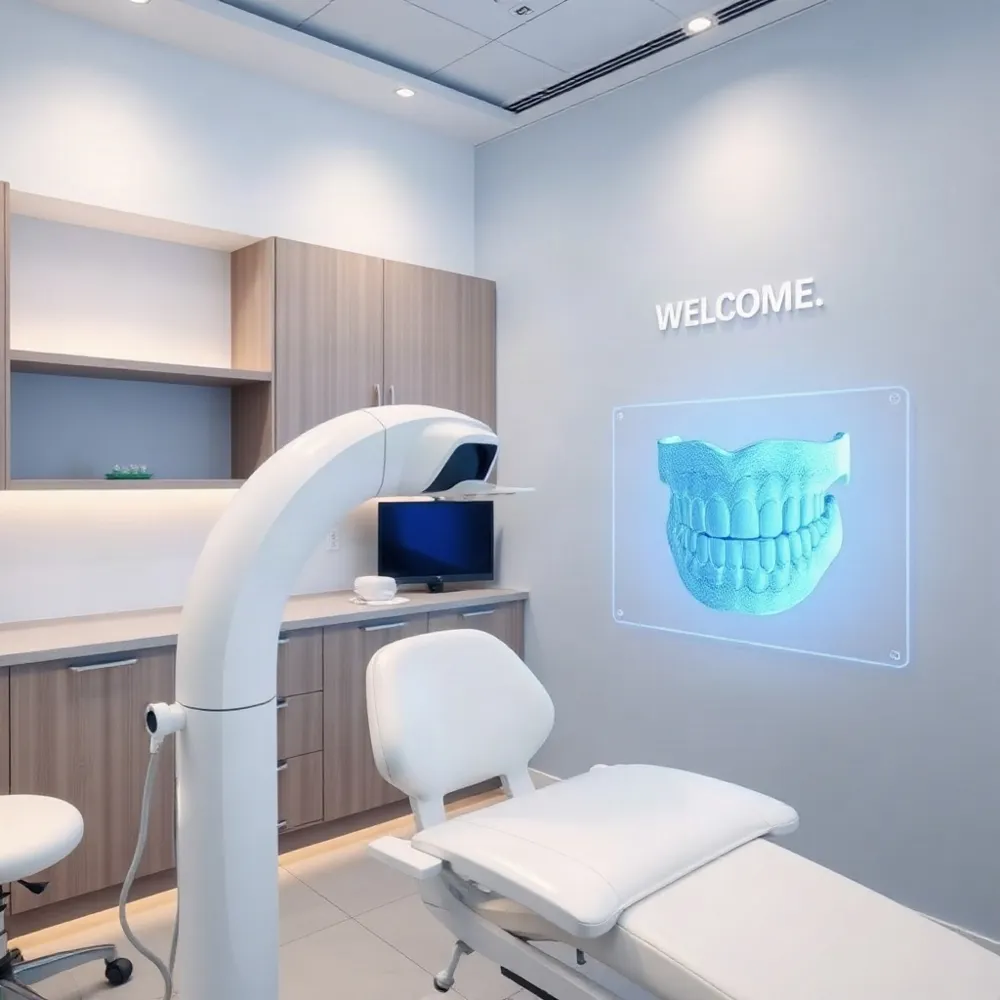
A digital dental impression is a three-dimensional image of the teeth and gums. A dentist guides a small handheld intraoral scanner around the mouth to capture the areas needed for care, and software displays the resulting model on a computer or tablet. This digital model gives the dental team a visual record to review.
Unlike a physical mold, which is made by placing a tray of impression material over the teeth, a digital impression records oral surfaces as scan data. The model can help plan restorations such as crowns and bridges, as well as orthodontic appliances such as clear aligners. A digital impression is one way to gather information for treatment, not a guarantee that every procedure can or should use a scanner.
Research reviews describe digital impressions as having accuracy comparable to conventional methods overall, while noting that results depend on the procedure and scanning conditions (2025 review of digital impression-making). At Veenstra Family Dental, care is provided in a family-focused practice in Midland Park, where the dentist can explain which impression method fits the patient and the treatment being considered.
How Intraoral Scanning Works
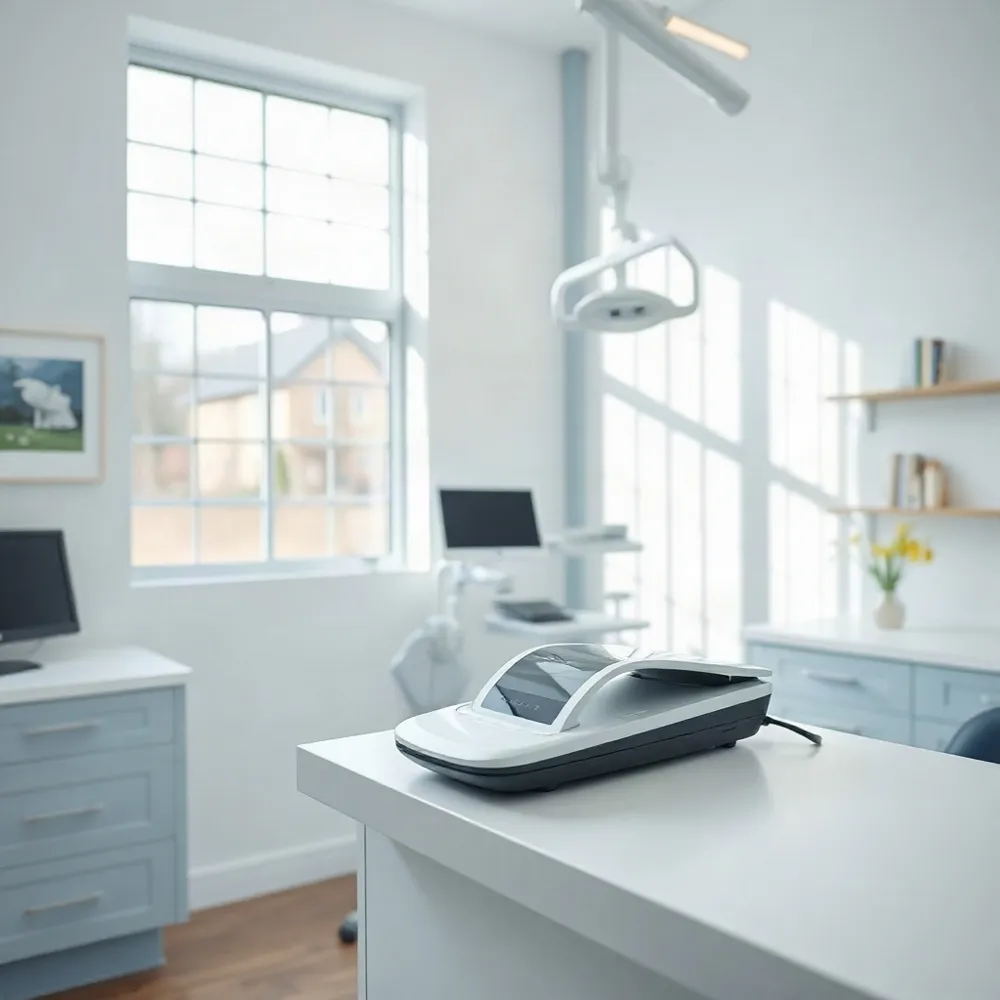
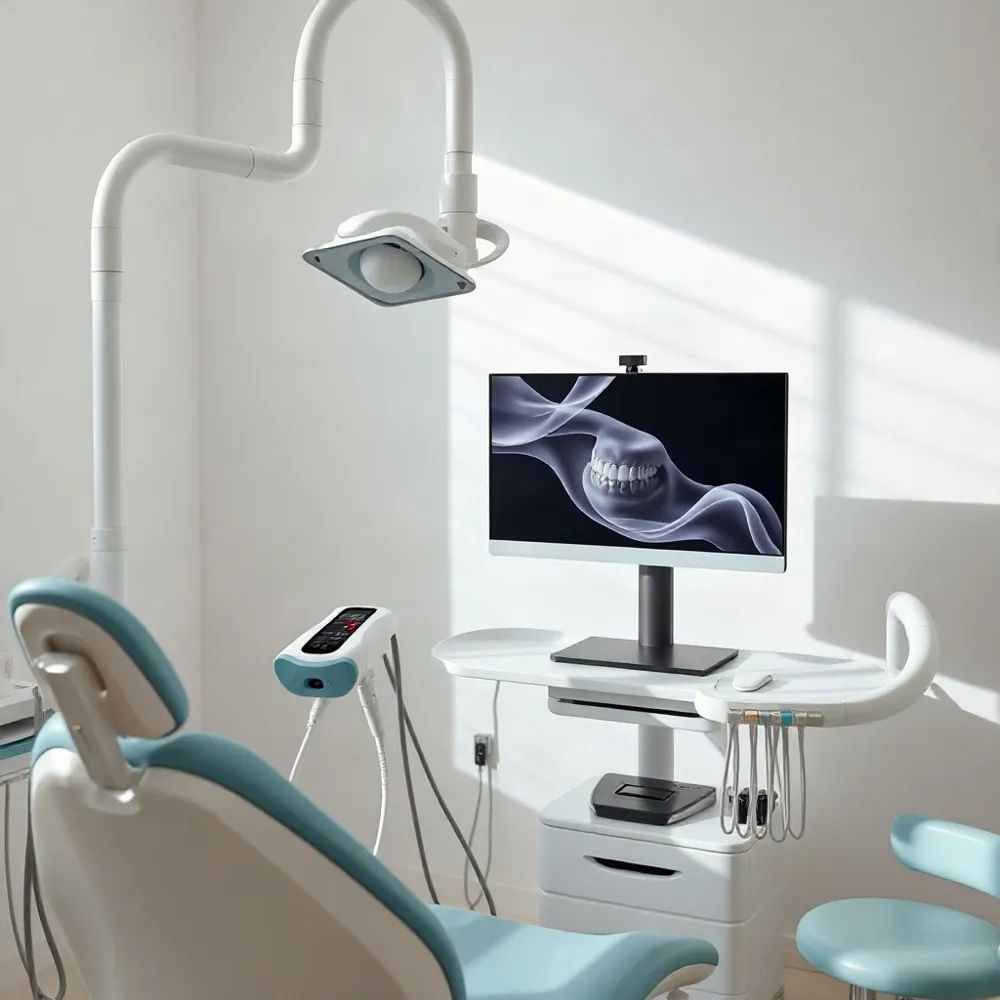 An intraoral scanner is a small handheld device that uses light and imaging sensors to record the surfaces of the teeth and nearby gums. As the dental professional guides it around the mouth, the scanner captures images from different angles. This process does not use X-rays; it records surface detail for a digital impression.
Software aligns the images and combines them into a three-dimensional model, adding detail as the scan progresses. The model can update on a screen during the appointment, so the dental team can see which areas have been recorded. Intraoral scanners use optical capture and software processing to create these digital models.
The clinician checks the model for gaps or unclear areas and can scan those spots again before the digital impression is used. This immediate review helps the team assess whether the available information is complete, though it does not replace a clinical examination.
Once reviewed, the digital impression may support treatment planning or provide information for designing a restoration, such as a crown, or an appliance. The dental team considers the scan alongside the patient’s needs and the planned treatment. At Veenstra Family Dental, modern technology is part of care delivered in a family-focused practice, with treatment decisions tailored to each patient.
The time required varies with the area being scanned, the case, the equipment, the scanning technique, and the operator’s experience. The dental team can explain what to expect during the appointment and address questions as the scan is taken.
Potential Benefits for Patients
 For patients who find impression trays uncomfortable, an intraoral scan may offer a gentler experience. It avoids placing a tray filled with impression material in the mouth, so there is no material taste or texture to tolerate and less bulk that might trigger gagging. Comfort is personal, though, and scanning is not guaranteed to feel easier for everyone. You can read more about how digital scanning may affect patient comfort.
A scan appears on screen as it is captured, allowing the dental team to check whether the image includes the needed areas. If a small section is unclear, the clinician may be able to rescan that area rather than start over. An incomplete scan may still need to be repeated.
The digital model can help the dentist explain what they see and how it relates to a proposed treatment. Seeing the image may make it easier to follow the discussion and ask questions. The scan file can also be sent electronically to a dental laboratory or used in treatment planning, which may simplify communication, though it does not guarantee faster treatment or fewer visits.
A randomized crossover study involving 23 children aged 8–12 found that participants reported greater comfort and lower pain and gag-reflex scores with scanning than with alginate impressions. The results describe this group and do not predict every patient’s experience (study findings). At Veenstra Family Dental, a family-focused practice serving patients of all ages, the appropriate method can be discussed in light of your comfort and the procedure planned.
Accuracy Depends on the Case
Digital impressions can provide detailed three-dimensional models and have shown accuracy comparable to conventional impressions in many studied situations. A clinical review describes results as dependent on the procedure and scanning conditions, rather than uniform across every type of treatment. Research review of digital impressions
For crowns, bridges, and aligners, a clear scan can give the dental team useful information for planning. Accuracy depends on the scanner, the area being recorded, and the clinician’s technique. Moisture, movement, and limited access to back teeth or narrow spaces can make details harder to capture.
A scan is not accepted simply because it appears on screen. The dental professional checks whether it shows the details needed for the planned treatment and may rescan an unclear area. At Veenstra Family Dental, care is tailored to the patient and procedure, with modern techniques considered alongside a professional assessment.
Scanning software helps display and review captured surfaces, but it does not replace an examination or clinical judgment. The clinician considers the scan alongside the patient’s needs and the treatment plan. If a digital scan does not capture enough detail, a conventional impression may be the more suitable option.
The choice is therefore based on the case, not on an assumption that one method is always more accurate. Research in children, for example, found broadly comparable measurements between digital scanning and alginate impressions, while also noting that results may not apply to every patient or scanner. Study of digital and conventional impressions in children
Digital and Traditional Methods
A traditional impression uses a tray filled with pliable material, pressed against the teeth and gums to make a physical mold. With a digital impression, a handheld intraoral scanner records the mouth’s surfaces and software assembles them into a three-dimensional model.
The main difference patients may notice is the feel of the process. Scanning avoids holding a loaded tray in the mouth, which some people find unpleasant or gag-inducing. A clinical study involving children reported greater comfort with scanning than with alginate impressions, but its findings do not establish that every patient will prefer it. Comfort can vary with the person, the procedure, and the condition of the mouth. The study describes those limits.
Digital scans can be checked on screen during the appointment, so the clinician can see whether the necessary areas have been captured and rescan a spot if needed. The file can then be sent electronically to a dental laboratory. A physical impression instead needs to be handled and transported, and any problems may become apparent later in the process. These workflow differences do not guarantee a shorter treatment or fewer visits.
Neither approach is best for every situation. Research reviews describe digital impressions as broadly comparable to conventional methods in many settings, while noting that results depend on the case and scanning conditions. A review of digital impression-making also recognizes a continuing role for conventional techniques. Veenstra Family Dental’s family-focused care in Midland Park includes considering each patient’s needs and the requirements of the planned treatment when discussing an appropriate method.
When Scanning May Be Challenging
Digital impressions are not the right fit for every treatment. Saliva, movement, limited access to parts of the mouth, or complex tooth and gum contours can make it harder to capture a complete, clear scan. Deep areas near the gumline may also be difficult to record when tissue is moving or irritated. A review of digital impression research describes these factors as reasons results can vary by case and scanning conditions.
The response depends on what the scan is meant to capture. A dental team may rescan a small area, repeat the scan, or choose a conventional impression if that method is better suited to the clinical details. Neither approach is error-free, and a scan that looks complete on screen still needs professional review. Research on digital impression-making discusses both the benefits of immediate review and the factors that can affect scan quality.
Scanning equipment also requires training, and clinicians may need time and practice to use it effectively. These are practice-level considerations, not evidence of which devices or workflows a particular office uses. At Veenstra Family Dental, care is centered on professional judgment and the needs of patients of all ages, so the appropriate method should be discussed in light of the planned treatment.
If you have concerns about gagging, discomfort, or the time involved, tell your dentist before the impression is taken. The dentist can explain the recommended method, why it fits your case, and what you are likely to experience. For background on how scan suitability can vary, see this overview of digital scans as a distinct tool.
Understanding Fees and Insurance
Does insurance cover digital dental impressions, and will a scan add to treatment costs? Coverage usually depends on the dental procedure that requires an impression and the benefits in your plan. A plan may cover treatment such as a crown or aligner without listing the digital scan as a separate service.
Billing practices vary among procedures, dental offices, and insurers. Some practices include scanning in the overall treatment fee, while some insurance plans may treat digital and traditional impressions differently. So it is best not to assume that a scan is either separately covered or automatically included.
Before treatment, ask the Veenstra Family Dental team whether the planned scan carries an additional charge and request an estimate of your expected out-of-pocket costs. The team can explain how the impression relates to your treatment plan, but your insurer can confirm how your specific benefits apply.
Contact your insurance provider to check coverage, deductibles, and any limits or exclusions. Confirming those details before care can help you understand the likely cost and avoid relying on general price estimates that may not reflect your procedure, plan, or dental office.
Choose the Method That Fits Your Care
Digital impressions offer a tray-free way to capture a visual model of the teeth, which may help support treatment planning. Comfort and suitability vary by patient and procedure, so the best option depends on individual needs.
Ask your dental professional which method is recommended and whether any costs apply. At Veenstra Family Dental, care is centered on each patient, with a welcoming approach for families and people of all ages. A conversation can help you feel informed and comfortable with the plan.