Embracing Advanced Dental Technology at Veenstra Family Dental
For years, the standard approach to capturing dental impressions involved bulky metal trays and messy, foul-tasting putty that often triggered a gag reflex. At veenstradental.com, we have moved beyond these traditional methods, choosing to prioritize patient comfort and clinical precision by integrating advanced digital tools into our daily workflow.
At the heart of our practice is the intraoral scanner, a handheld digital imaging device that captures thousands of images per minute to create an accurate three-dimensional model of your teeth and gums. Unlike the analog techniques still used by many traditional clinics, this technology avoids the risks of material distortion, such as shrinkage or expansion, that can lead to poorly fitting restorations.
Our commitment to compassionate, high-tech care means we focus on making every visit faster and more transparent for patients of all ages. By digitizing the impression process, we eliminate the wait times associated with shipping physical molds to external labs and provide an interactive experience where you can view your own dental anatomy on a screen in real-time. This modern approach ensures that your experience at veenstradental.com is not only efficient but also grounded in the latest innovations in digital dentistry.
Understanding Digital Impressions and Advanced Scanning Technology
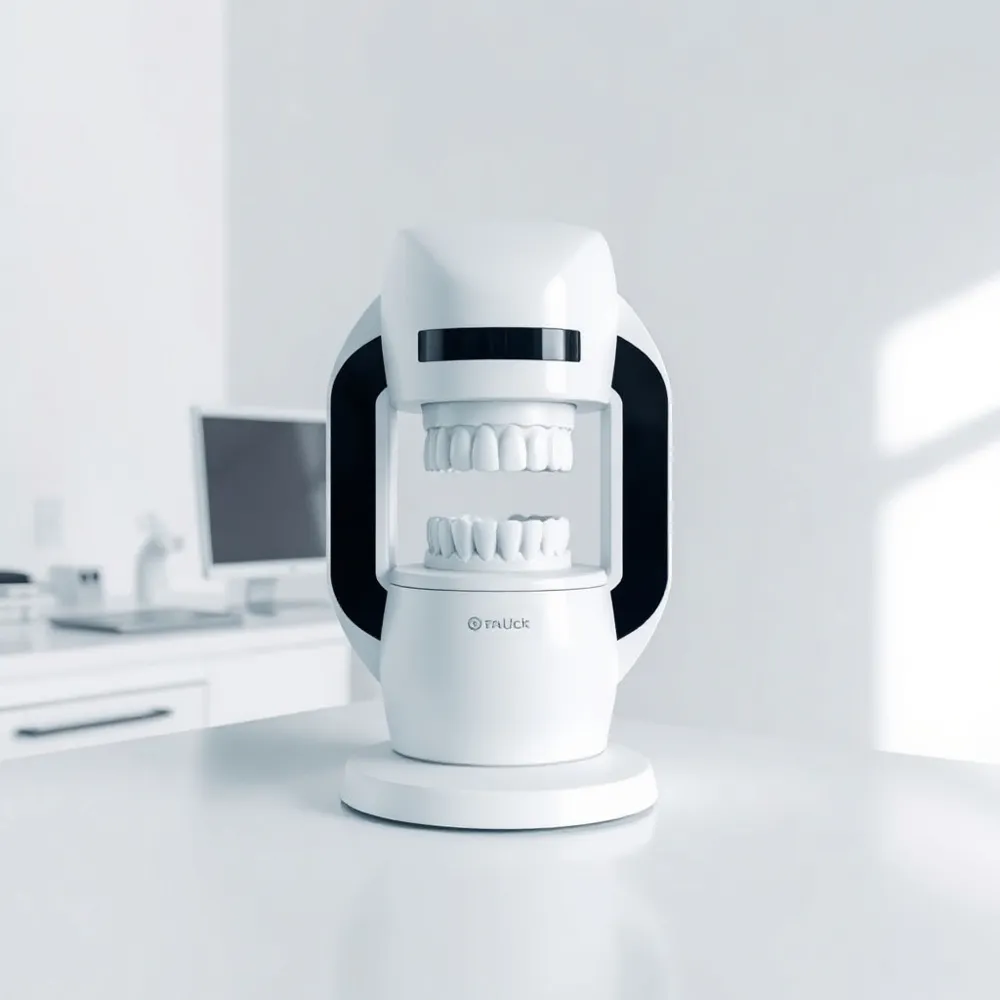 Digital impressions represent a sophisticated evolution in dental care, replacing traditional, uncomfortable trays and putty with precision imaging. At Veenstra Family Dental, we utilize intraoral scanners to capture highly accurate 3D models of your teeth and gums, providing a comfortable and efficient experience compared to conventional physical molds.
What are digital impressions and how do they work?
Digital impressions are a modern alternative to traditional molds. Instead of the goopy, uncomfortable trays used in conventional dentistry, your dentist uses an intraoral scanner to capture highly accurate 3D images of your teeth and gums, creating a digital model for treatment planning. These handheld devices employ optical sensors that capture thousands of images per minute, which software then stitches together into a comprehensive 3D virtual model. This process bypasses the limitations of older methods, such as material distortion or air bubbles, to deliver clinical accuracy.
The transition from physical materials to digital models streamlines the entire workflow. Studies show that computer-aided impression making is significantly faster than traditional methods, often reducing total procedure time by up to 23 minutes. Unlike manual impressions that often require costly and time-consuming retakes due to inaccuracies, our digital approach allows for immediate quality evaluation chairside. If a section requires additional detail, we can capture it instantly, ensuring your custom crown or appliance begins fabrication with the most precise data possible.
Beyond speed, this technology fosters a higher standard of care through transparency. Because the software generates a 3D model in real-time, you can view your dental anatomy on screen immediately, allowing our team to walk you through your treatment plan with visual clarity. By choosing dental technology, we ensure your experience at Veenstra Family Dental is defined by both clinical excellence and personal comfort.
Why Patients Prefer Digital Scanners Over Traditional Methods
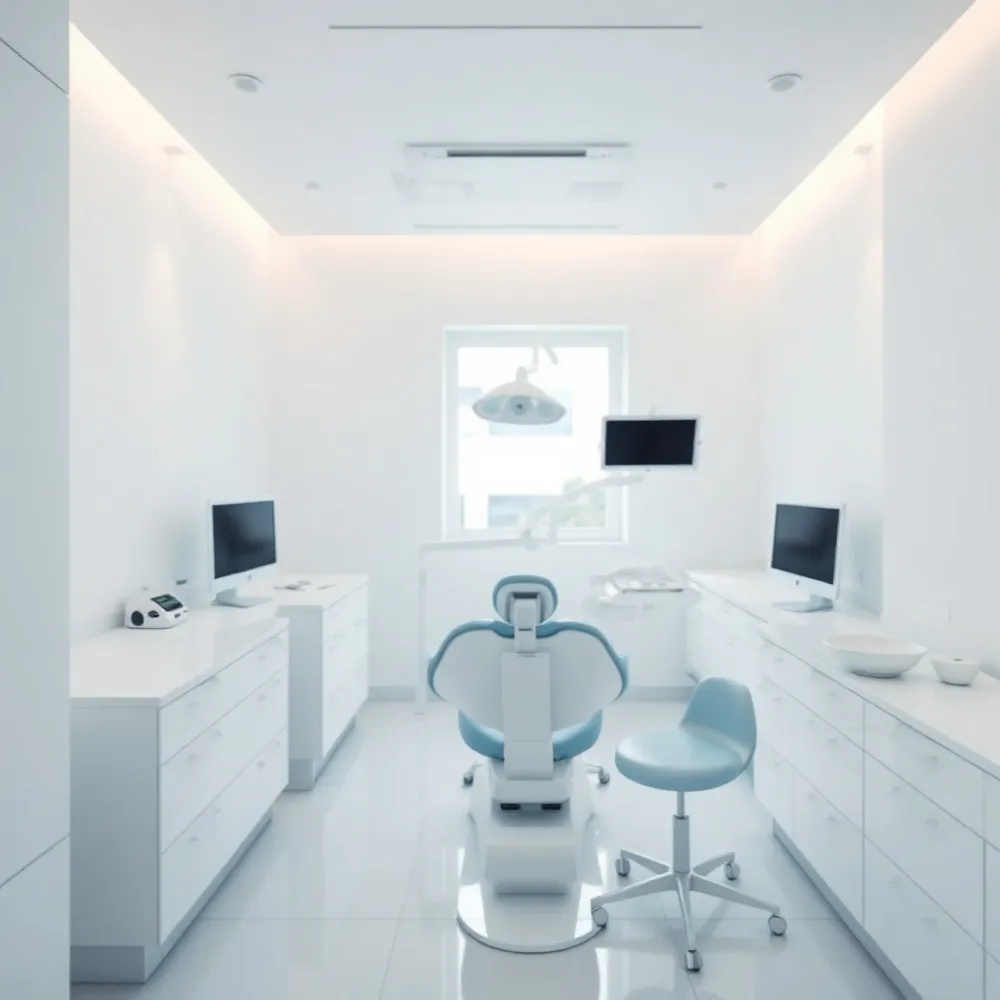 Moving beyond legacy impression materials represents a significant improvement for anyone who has struggled with the discomfort of dental visits. At Veenstra Family Dental, we prioritize your comfort by using digital scanners to replace traditional, bulky metal trays and foul-tasting impression putties. These modern tools completely eliminate the gag reflexes, breathing difficulties, and unpleasant tastes frequently associated with conventional methods.
Patient experience is a core measure of clinical success. A 2023 study found that patients rated the experience of intraoral scanning at an average of 9.0 out of 10 for comfort and effectiveness, whereas traditional impression methods scored significantly lower at 6.5 out of 10. By choosing this technology, patients escape the physical strain of sitting with trays while materials harden in their mouths.
Why is it considered better to use a digital scanner over traditional impression methods?
Digital scanners offer a significantly more comfortable and efficient experience for patients by eliminating the need for traditional, often bulky, impression trays and messy materials. This modern technology provides superior accuracy in capturing fine oral details, which helps prevent the errors often associated with conventional methods like material distortion or moisture interference. Because the scan is captured in real-time, we can ensure the precision of your dental replicas immediately, reducing the need for repeat visits or costly remakes. By opting for digital impressions, we prioritize your comfort while achieving the high-quality, reliable results necessary for your personalized dental appliances. This approach reflects our commitment to using the latest advancements to make your care at Veenstra Family Dental both seamless and effective.
Beyond physical comfort, digital scans foster meaningful transparency. Instead of waiting for a lab to pour stone models, you can view your own teeth in 3D on a chairside screen during your appointment. This real-time visualization allows us to explain your unique dental needs clearly, turning the impression process into an educational moment that increases confidence in your treatment plan.
Core Advantages of Intraoral Scanners in Modern Practices
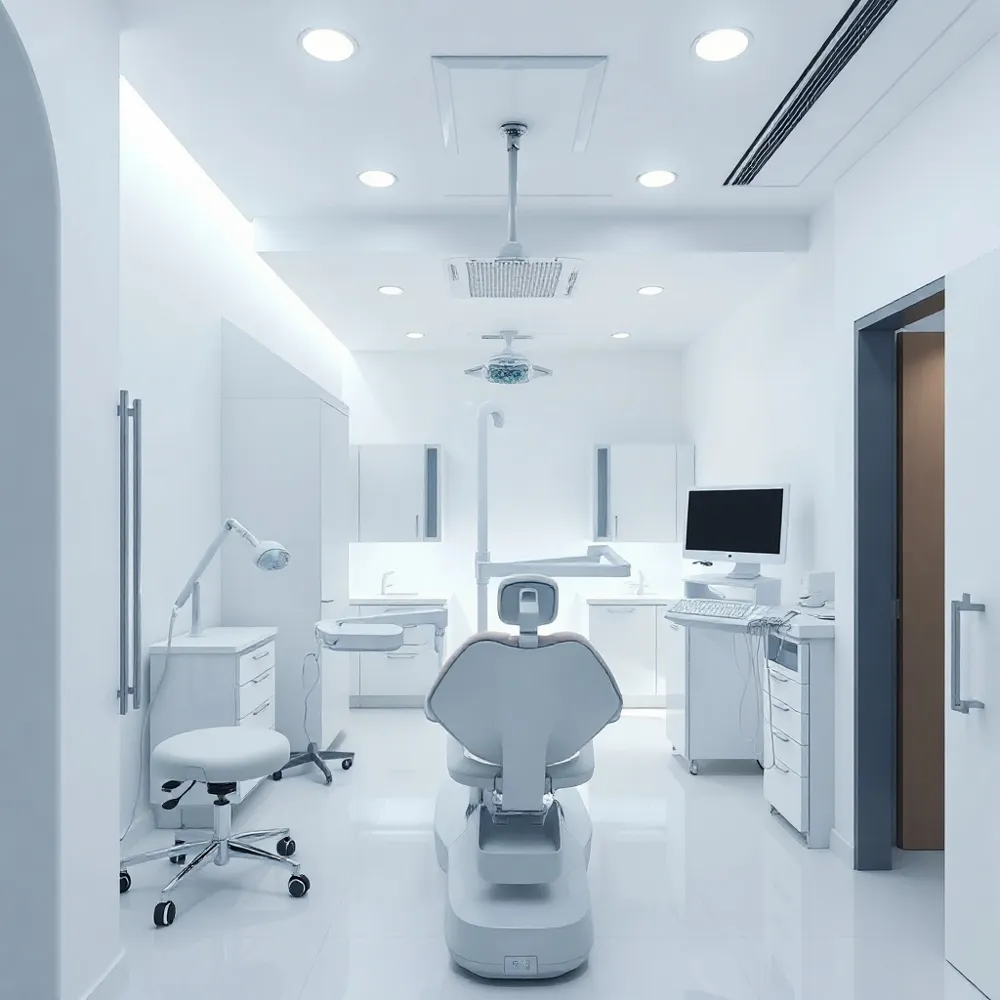 Modern intraoral scanners provide significantly higher accuracy and precision compared to traditional methods, leading to better-fitting restorations like crowns and implants. By replacing manual trays and messy impression materials with a quick digital scan, the process is far more comfortable and less anxiety-inducing for patients of all ages. At Veenstra Family Dental, these advanced systems optimize clinic workflows, allowing for faster turnaround times and seamless digital communication with dental laboratories. Furthermore, the immediate visual feedback on the screen allows our professional team to capture clear, detailed images in real-time, ensuring optimal clinical results. Embracing this modern technology reflects our commitment to providing a welcoming, state-of-the-art dental experience for your entire family.
Precision and Clinical Outcomes
Traditional impression materials are prone to distortion during setting, which can compromise the fit of a restoration. In contrast, digital scanning technology minimizes the risk of human error, leading to more accurate clinical outcomes. Research indicates that the shift to digital protocols allows for a 40% reduction in crown remakes due to margin issues, along with a 33% improvement in fit accuracy and a 27% reduction in errors related to high occlusion.
Efficiency and Laboratory Integration
The integration of digital impressions eliminates the traditional delays caused by physical shipping of plaster models. Clinical studies highlight that computer-aided impression making significantly reduces procedure times, sometimes by as much as 23 minutes, by removing the need for material prep and model casting. This efficiency extends to collaboration with dental labs, as files can be transmitted instantly and reviewed for quality before fabrication begins.
| Procedure Type | Digital Benefit | Clinical Outcome |
|---|---|---|
| Restorative | Higher Precision | Fewer margin remakes |
| Orthodontics | Enhanced Planning | Improved case acceptance |
| Implants | Faster Turnaround | Seamless lab exchange |
Safety and Precision in the Digital Dental Workflow
Intraoral scanners are exceptionally safe and do not expose patients to any form of ionizing radiation. Instead of using X-rays, these devices utilize advanced optical scanning technology, typically light-based sensors, to capture highly accurate three-dimensional images of your teeth and gums. Because there is no radiation involved, this technology eliminates the traditional safety concerns associated with diagnostic imaging. This modern, non-invasive approach allows us to create precise digital impressions comfortably while prioritizing your long-term health and well-being. At Veenstra Family Dental, we embrace these innovative techniques to ensure your visit is as safe, efficient, and pleasant as possible.
Achieving Accuracy Through Digital Precision
Beyond safety, the technical precision of digital scanning minimizes the human errors often associated with casting physical stone models. Traditional methods rely on materials that can expand, contract, or distort during the setting process as noted by research in Decisions in Dentistry. By replacing manual putty with electronic data, we ensure a higher level of dimensional accuracy for your restorations. While some legacy offices still depend on traditional manual impressions and plaster molds, Veenstrada Dental prioritizes the standard of digital captured data to ensure every crown or aligner fits with minimal adjustments needed.
A Sustainable Choice for Modern Dental Care
Digital dentistry is also a sustainable practice. Traditional impression techniques require significant quantities of single-use alginate, polyvinyl siloxane, and bulky plastic trays that generate consistent waste throughout a single shift. By transitioning to digital files, we eliminate this cumulative clinical waste. This shift not only improves our clinic's carbon footprint but also allows for instant laboratory collaboration. Files are sent electronically, bypassing the need for physical shipping, which further protects the environment while ensuring faster turnaround times for your personalized dental care.
Factors Ensuring Optimal Clinical Outcomes
Achieving the best results from a digital impression involves more than just the technology itself. Successfully capturing a precise image of your teeth requires a careful approach to the clinical environment. Controlling moisture and ensuring proper lighting are essential steps, since even a little saliva or a shadow can affect the optical sensors. At our practice, our team follows proven steps to manage these factors, so every scan provides a clear, accurate picture of your unique smile—designed to support your personalized care plan.
What factors influence the accuracy of an intraoral scan?
The accuracy of digital impressions depends on several elements that we carefully manage for your benefit, including the skill of our dental professionals, the sophistication of our imaging software, and the length of the dental arch being scanned. Research confirms that consistent results come from combining great technology with an expert clinician. While older methods can introduce variability from hand-mixing or tray placement, digital systems are reliable when maintained with regular calibration and updates. Our practice prioritizes these maintenance standards to support the reliability of every diagnostic model.
Equally important is the training of our team. Our dental assistants and hygienists are trained in specific scanning techniques to make even complex procedures feel quick and comfortable for patients of all ages. Our team uses advanced digital intra‑oral scanners to provide precise, restorative care that is both comfortable and tailored to you. This attention to detail helps us get it right the first time, so your visit is smooth and stress-free.
Transforming Your Care with Digital Dentistry
Digital scanning technology represents the future of dentistry by prioritizing precision and patient comfort. By moving away from manual methods, we provide a more transparent and efficient care experience. We invite you to veenstradental.com to see how our ongoing commitment to modern technology ensures high-quality outcomes for your entire family.