A Smile Designed Around You
Dentures replace missing teeth with custom-made appliances designed to support everyday activities such as chewing and speaking. They can also help restore the fullness of a smile, but the best result is personal, not one-size-fits-all.
Comfort and appearance are closely connected. A denture shaped to fit the mouth and align with the bite is less likely to shift or rub, while tooth shape, shade, and gum color can help it blend naturally with a person’s features. Materials and design choices also affect how the appliance feels and functions.
At Veenstra Family Dental, denture planning is part of a broader approach to personalized care, with full and partial dentures offered to address different needs. A dental professional can assess the gums, remaining teeth, health history, and preferences before discussing suitable options and appearance goals. Sharing what feels comfortable and what looks like you helps guide those decisions.
Choosing Among Denture Types
 The right denture depends on how many teeth are missing, which natural teeth remain, oral health, and personal preferences. At Veenstra Family Dental, full and partial dentures are part of the practice’s restorative care, with options discussed in light of each patient’s needs.
What types of dentures are available, and how do they differ?
Full dentures replace all teeth in the upper or lower arch and rest on the gums. Partial dentures fill spaces when some natural teeth remain; depending on the design, they may use clasps attached to those teeth for support. The choice between them starts with an examination of the mouth and the teeth that can remain.
Immediate dentures are placed around the time of tooth extraction, so a patient has replacement teeth while the gums heal. Because the gums and underlying bone change during healing, an immediate denture may need adjustments or replacement before a longer-term fit is settled.
Implant-retained dentures attach to dental implants to provide added stability, while remaining removable for cleaning. They are not suitable for everyone, so a dental professional must assess oral health and discuss whether implants fit the patient’s treatment goals. At Veenstra Family Dental, patients can also discuss the practice’s denture and partial denture services as part of that personalized conversation.
The Details Behind a Natural Look
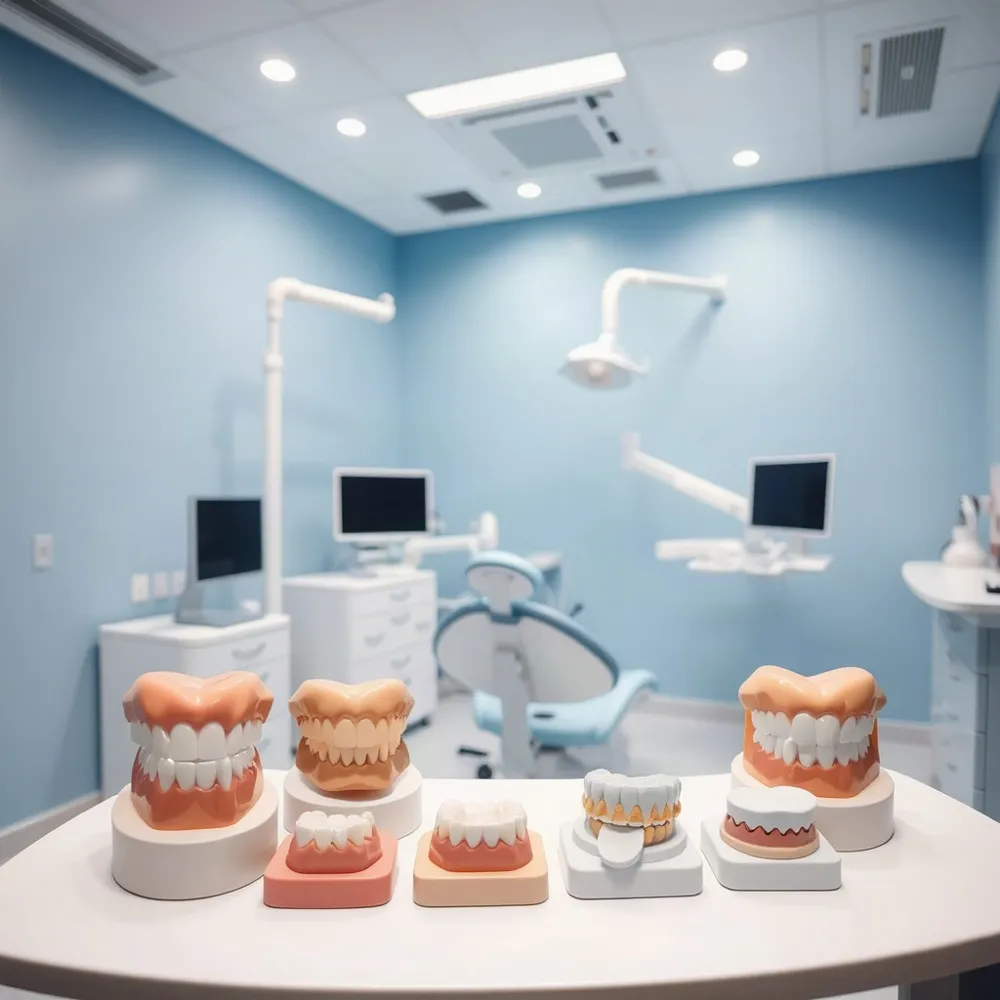 A natural-looking denture is shaped around the person wearing it, rather than designed to look perfectly uniform. Tooth size, shape, and shade can be chosen to complement facial features and the patient’s existing smile. A gum-colored base with subtle variation can also help it blend with surrounding tissue.
Materials and finishing influence how the teeth look in different light. Layered acrylic or porcelain can reflect light in ways that resemble natural enamel, while careful design can preserve small differences in tooth position and contour. These details guide the appearance, but no material or technique guarantees a particular aesthetic result.
Fit and bite alignment matter as much as appearance. A denture that sits securely and follows the contours of the mouth can look more natural while supporting clear speech and comfortable chewing. At Veenstra Family Dental, denture care is part of a personalized approach, with the design and fit considered in relation to the patient’s needs.
Patients can describe preferred tooth shades, shapes, or details they would like reflected in their smile. When the treatment process includes a try-in, they can review the proposed appearance and share feedback before the final denture is made. Follow-up appointments give the dental team an opportunity to assess fit and make adjustments as needed.
This attention to shape, shade, and individual character connects with the principles of natural smile design.
From Assessment to Final Fitting
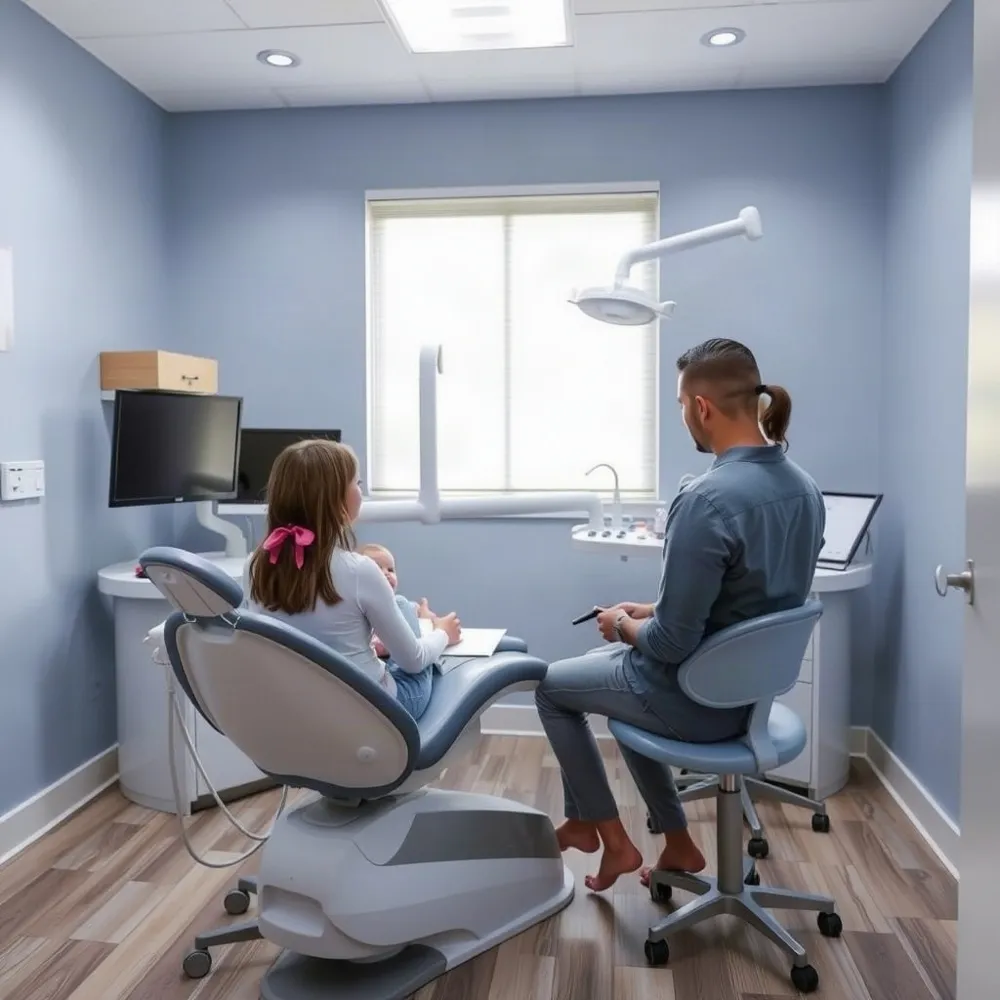 Getting dentures usually takes several visits, with each step helping shape an appliance around a patient’s oral health, goals, and daily needs. At Veenstra Family Dental, denture and partial denture care is personalized, so the dentist can discuss suitable options and the steps involved for the individual case.
The process begins with an examination of the gums, jaw, and any remaining teeth, along with a conversation about health history and treatment goals. If extractions or other treatment are needed, the dentist can explain how they may affect the plan and timing.
Impressions record the contours of the mouth and guide the denture’s shape. Depending on the practice and the case, they may be taken with traditional impression materials or a digital scanner. Records of how the upper and lower jaws meet also help establish the bite and tooth position.
When a try-in is part of treatment, it gives the patient and dentist a chance to review the proposed tooth arrangement, shade, appearance, and bite before the denture is fully processed. Patients can raise concerns at this stage, when changes may be easier to make.
At delivery, the dentist checks how the denture fits and feels, including whether it supports comfortable speaking and chewing. Small adjustments may be needed, and follow-up visits are a normal part of care. They allow the dentist to address sore spots or looseness and refine the fit as the patient adapts. Veenstra Family Dental also offers full and partial dentures fitted by its Midland Park dental team.
Timelines and the Adjustment Period
Conventional dentures often take several weeks to make. The process may include impressions, bite measurements, a try-in, and a final fitting, but a four-to-six-week estimate is not a promise. The number of visits, laboratory timing, and a patient’s treatment needs can all affect the schedule.
If teeth need to be removed first, healing can add time before conventional dentures are ready. Immediate dentures may be placed around the time of extraction, so a person has teeth during healing, but changes in the gums can mean they need adjustments or relining before a lasting fit is possible.
New dentures may feel unfamiliar at first. Mild soreness and temporary changes in speech or chewing can occur as the mouth adapts. Practicing speaking, starting with softer foods, and following the dentist’s guidance can help. Comfort often improves over several weeks, though each person’s adjustment period differs. Persistent pain, sore spots, looseness, or difficulty eating should be discussed with a dentist rather than dismissed as part of adapting. Learn more about what to expect during denture adjustment.
At Veenstra Family Dental, full and partial dentures are described as made for comfort and a natural look, with fitting by the Midland Park dental team. Follow-up can help determine whether an adjustment is needed as the mouth changes. Patients can review the practice’s denture and partial denture services and discuss an individual treatment timeline with their dentist.
Materials for Feel and Appearance
Denture materials affect weight, appearance, and how an appliance holds up, but no single option suits everyone. At Veenstra Family Dental, denture planning is part of personalized care, with material choices considered alongside a patient’s oral health and needs.
Acrylic resin is relatively lightweight and can be shaped and tinted to resemble gum tissue. Flexible resins may suit some designs and feel softer for some wearers, while metal frameworks are used in certain partial dentures to provide strength and support. The right fit depends on the appliance design and the patient’s mouth.
The teeth themselves may be made from acrylic or porcelain. Porcelain can offer a lifelike appearance and resist staining, but it may be more prone to chipping. Acrylic teeth can be adjusted more readily, though their wear characteristics differ. Appearance preferences, bite, expected use, and the teeth being replaced all matter when comparing these options.
A discussion with a dental professional can weigh these trade-offs against comfort, oral health, and durability goals. Veenstra Family Dental provides restorative care using a personalized approach, so material selection can be considered in the context of the patient’s overall treatment needs.
Regardless of material, a denture needs professional fit assessment. Changes in the mouth or pressure from an uneven fit can affect comfort, so follow-up care helps identify when adjustment or other maintenance may be appropriate. For further background on restorative material choices, see materials used in dental restorations.
Comfort, Fit, and Everyday Care
Even a well-made denture can feel different as your mouth adapts or changes. Paying attention to fit helps you know when everyday care is enough and when a dentist should take a closer look.
What are common signs that dentures do not fit properly, and how can the fit be improved?
Watch for dentures that slip while you eat or speak, rub or leave sore areas, click, make speech less clear, or make chewing difficult. Food repeatedly collecting beneath the denture can also signal a fit problem. If you notice discomfort or movement, contact a dental professional rather than trying to tolerate it.
Gums and jaw contours can change over time, and regular wear can affect how an appliance sits. Depending on its condition and your mouth, a dentist may adjust the denture, reline its inner surface to follow the current contours, or recommend replacement. Never file, repair, or reline dentures at home. These changes can damage the appliance or make pressure and bite problems worse.
At Veenstra Family Dental, full and partial dentures are fitted by dentists in Midland Park, with care planned around the patient’s needs. The practice’s denture and partial denture services provide a local point of contact for discussing fit concerns and possible next steps.
What can help make dentures more comfortable to wear?
While getting used to dentures, choose soft foods, cut meals into small pieces, and chew evenly on both sides. Reading aloud or practicing conversation can help speech feel more natural. Mild tenderness may occur during adaptation, but sharp, worsening, or persistent pain deserves professional assessment. Follow-up visits allow the dentist to check for pressure areas and tailor adjustments.
Should dentures be removed at night, and how should they be cared for?
Unless your dentist advises otherwise, remove dentures at night to give oral tissues a rest. Rinse them after meals and brush gently each day with a soft brush and denture cleanser. Clean your gums, tongue, cheeks, and any natural teeth, too. Store dentures in water or a soaking solution as directed, and avoid hot water and abrasive cleaners, which can damage or distort them. Handle them over a towel or a water-filled sink to reduce the risk of breakage.
Regular checkups help monitor the denture, oral tissues, and fit over time. Veenstra Family Dental also discusses denture maintenance and signs that may warrant professional advice, so changes such as slipping or sore gums are less likely to go unaddressed.
When Body Changes Affect Fit
Significant weight loss or gain may change facial contours or supporting tissues, which can affect how dentures fit for some people. The effect varies, and a change in weight does not automatically mean an adjustment is needed.
Weight change is only one possible influence. Gums and jaw tissues can also change over time, altering the shape that supports a denture. These changes may gradually make an appliance feel loose or less stable, even if it once fit comfortably. The effect of changing oral tissues on denture fit is also discussed in patient stories about changes in fit.
If your denture begins to slip, rub, or feel uncomfortable, arrange an evaluation rather than waiting for the problem to worsen. At Veenstra Family Dental, care is personalized, and the practice offers dentures and partial dentures fitted by its Midland Park dental team. A dentist can assess the fit and discuss whether an adjustment or replacement is appropriate.
Do not file, reshape, or repair a denture yourself. Home alterations can damage the appliance or affect how pressure is distributed, so changes should be assessed and made by a dental professional.
A Fit That Can Be Maintained
Comfort and a natural appearance are personal goals, shaped by the denture type, its design and fit, and the care it receives over time. What feels and looks right depends on your mouth, daily needs, and preferences.
At Veenstra Family Dental, care is described as personalized and professional. During a consultation, discuss how you want your dentures to function and look, along with material choices, the expected timeline, and plans for follow-up. These conversations help a dental professional assess which options suit your oral health and goals.
A denture may need adjustment as your mouth changes, so ask how to recognize fit problems and when to arrange a checkup. Ongoing professional guidance can help address comfort concerns and keep the appliance working as intended.