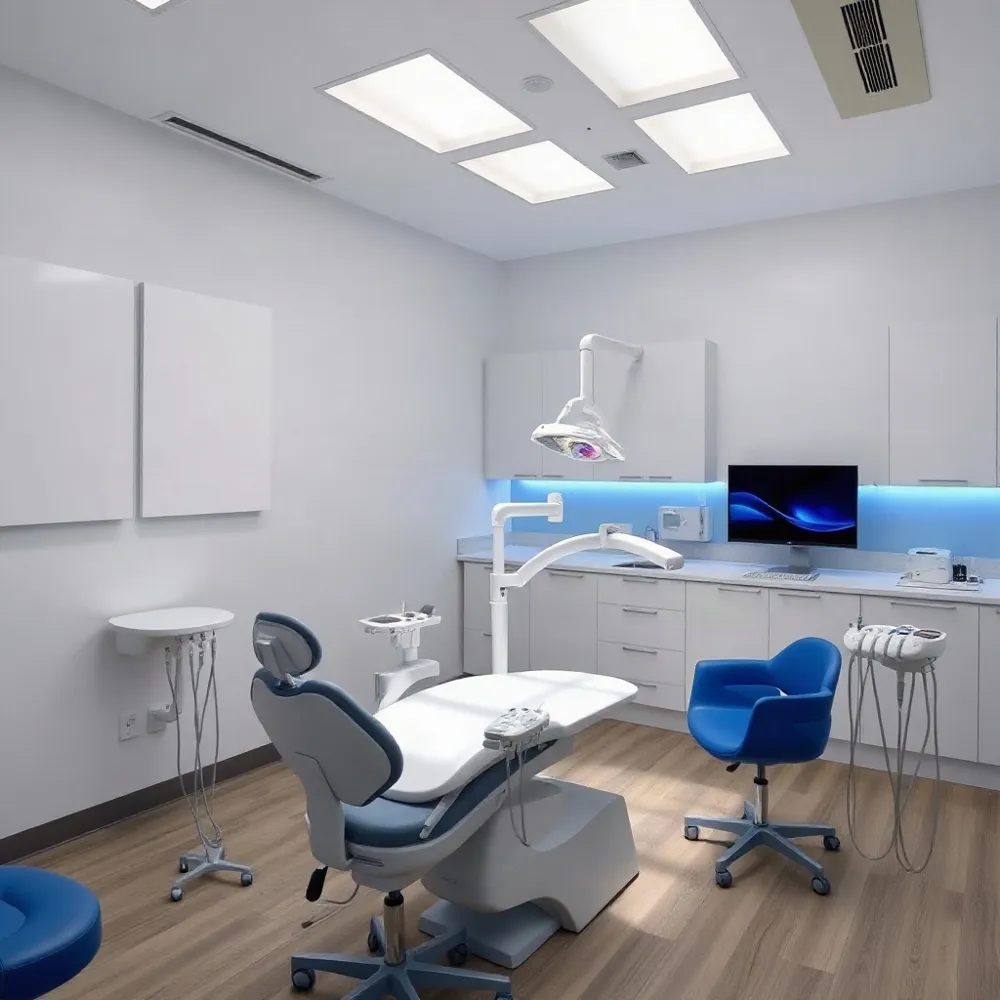
When Dental Problems Need Attention
A sudden tooth injury, severe pain, or bleeding in the mouth can be upsetting, especially when it is unclear what to do next. Staying calm and acting promptly can help protect the injured area while you arrange professional guidance.
This guide explains how to recognize symptoms that may need urgent attention, what temporary first-aid steps may help, and when to contact a dentist or seek emergency medical care. The American Dental Association’s dental emergency guidance recommends calling a dentist promptly and describing what happened in as much detail as possible.
Veenstra Family Dental provides family-focused dental care in Midland Park, with a welcoming approach for patients of different ages. Its specific emergency hours, response times, and urgent-care arrangements are not confirmed here, so contact the office directly for current guidance. For severe injuries or symptoms such as bleeding that will not stop, seek emergency care.
Recognizing a Dental Emergency
 Urgency depends on what happened and how severe the symptoms are. A dental emergency needs prompt professional attention to relieve severe pain, control bleeding, prevent infection, or protect a tooth from further damage. If you are unsure, calling a dental professional is a sensible first step.
Severe or persistent tooth pain, a knocked-out or badly cracked tooth, a tooth pushed partly out of place, and a painful lost filling or crown all warrant prompt dental advice. Swelling near a tooth may signal an abscess, while a mouth injury with bleeding that will not stop also needs urgent attention. The Cleveland Clinic’s guide to dental emergencies explains that the right response depends on the injury and its severity.
Call your dentist promptly, describe what happened and the symptoms, and ask where to seek care. Veenstra Family Dental offers family-focused care in Midland Park, and its team can provide professional guidance about your next step. The American Dental Association’s emergency guidance recommends contacting a dentist as soon as possible after a dental accident.
Some injuries call for emergency medical care rather than a dental appointment. Go to an emergency room for a serious facial or jaw injury, trouble breathing or swallowing, or bleeding that will not stop. If you cannot reach a dentist and symptoms are severe or worsening, seek urgent help rather than waiting.
First Steps Before Professional Care
 Once you have identified a possible emergency, contact your dental office promptly, even if it is nighttime or the weekend. Explain what happened, when it occurred, and what symptoms you have, then follow the team’s instructions. Many practices set aside time for urgent cases, but availability and response times vary.
If you are a patient at Veenstra Family Dental, call the office for guidance rather than assuming an appointment is available. The American Dental Association advises describing the problem in detail when calling about an emergency. If the office is closed, follow its recorded after-hours instructions. For serious facial or jaw injuries, bleeding that will not stop, or another potentially life-threatening problem, seek emergency medical care. ADA emergency treatment guidance explains the need to direct callers with life-threatening emergencies to 911 or a hospital emergency department.
For a knocked-out permanent tooth, pick it up by the crown, not the root. If possible, gently place it back in its socket without forcing it. Otherwise, keep it moist in milk or between the cheek and gums, and seek dental attention right away. Do not scrub the root or remove attached tissue. The American Dental Association’s guidance on dental emergencies describes these steps while you arrange care.
For a toothache, rinse with warm water and gently floss to clear trapped food. A cold compress against the outside of the cheek may help with swelling. Rinse a cracked tooth gently with warm water; for a minor lip or tongue injury, clean the area gently and apply a cold compress.
Do not put aspirin or another pain medicine directly on a tooth or gum, since it can injure the tissue. If something is stuck between teeth, try dental floss gently, not a sharp instrument. These are temporary steps, not a substitute for professional assessment.
Managing Severe Tooth Pain
 Severe or persistent tooth pain needs prompt dental assessment. Home care may ease discomfort while you arrange help, but it does not treat the cause. Call your dentist, describe your symptoms, and ask how soon you should be seen. For additional guidance on tooth pain and dental emergencies, the Cleveland Clinic advises contacting a dentist promptly.
Until then, rinse gently with warm water and floss carefully to dislodge trapped food. If your cheek is swollen, hold a cold compress against the outside of it. An over-the-counter pain reliever may help when taken as directed and when appropriate for you. Medication safety depends on your health conditions and other medicines, so ask a pharmacist or clinician if you are unsure. Never place aspirin or another pain medicine directly on a tooth or gum, as it can injure the tissue.
Choose soft foods and avoid items that are very hot, cold, or sugary if they worsen the pain. Keep the area clean with gentle brushing and flossing, but do not force floss into a painful spot. These steps are temporary, not a substitute for diagnosis and treatment. Veenstra Family Dental provides family-focused care in Midland Park, so patients can contact the practice for guidance and an assessment.
Facial swelling, fever or chills, or difficulty breathing or swallowing calls for urgent professional guidance. Trouble breathing or swallowing may require emergency medical care. Do not wait for home measures to work if these symptoms appear.
Choosing Where to Seek Care
For most problems involving a tooth, gums, or a restoration, contact a dentist first. This includes severe pain, a broken or knocked-out tooth, a lost crown or filling, and localized swelling. A dentist can assess the problem and advise on the next step. For patients in Midland Park, Veenstra Family Dental provides family-focused care for patients of all ages, using modern dental technology.
Urgent care may offer an initial medical assessment or help with a minor cut, but it generally cannot repair teeth with procedures such as fillings or crowns. A visit may stabilize symptoms while you arrange dental treatment. Cleveland Clinic guidance on where to seek care explains that most dental emergencies are treated in a dental office, while an emergency room can address serious injuries and provide some medicines.
Go to an emergency department for a serious facial or jaw injury, a suspected head injury, trouble breathing or swallowing, or bleeding that will not stop. If you are unsure which setting is appropriate, call your dentist for direction rather than waiting; the American Dental Association’s emergency treatment guidance also advises seeking emergency medical help for life-threatening situations.
When symptoms are unclear, describing what happened and what you are experiencing can help the dental team guide you. Veenstra Family Dental’s personalized, professional approach can help families identify an appropriate next step, while urgent medical symptoms should be directed to emergency services.
Finding Care Within Your Budget
If you need urgent dental care but have limited funds or no insurance, call a local dental office and explain both your symptoms and budget. Ask about the examination fee, payment arrangements, and whether treatment can be staged. Before treatment begins, request an estimate and clarify what it includes. You can also ask whether financing or discounts are available, without assuming that every office offers them.
Community health centers, dental schools, and charitable clinics may offer lower-cost services, though availability and eligibility vary. Calling 211 or checking 211.org may help you find local health resources. For practical guidance on discussing fees and payment options, see this guide to finding care within your budget.
Cost questions are reasonable, and a dental team can explain options before care when circumstances allow. Still, do not delay urgent help for severe facial swelling, uncontrolled bleeding, or trouble breathing or swallowing. Seek emergency medical care for these warning signs; the Cleveland Clinic’s dental emergency guidance explains when emergency-room care may be needed.
Prevention can reduce the chance of an injury and an unexpected expense. The American Dental Association recommends wearing a mouthguard during sports and recreational activities, avoiding chewing ice, popcorn kernels, and hard candy, and using scissors rather than teeth to cut objects. These steps are included in the ADA’s dental emergency guidance.
Act Promptly and Ask for Guidance
Home care can ease discomfort or protect an injured tooth while you arrange help, but it cannot diagnose or treat the cause. Contact a dentist promptly if symptoms are severe, persistent, or uncertain. For dangerous symptoms, such as trouble breathing, serious facial injury, or bleeding that will not stop, seek emergency medical care.
Veenstra Family Dental provides family-focused care in Midland Park, so patients of all ages can ask a dental professional about their next steps. Acting promptly and getting clear guidance can help protect your oral health and make a stressful situation feel more manageable.