Introduction: Preparing for Your First Dental Appointment
The Importance of Preparation for a Dental Visit
Preparing for your first dental appointment is essential to make the most of your visit. A well-prepared patient experience ensures efficient communication with your dental team and helps the dentist understand your oral health needs thoroughly.
Overview of Steps to Ensure a Smooth Appointment
Before your appointment, gather relevant documents such as your dental and medical history, insurance information, and a list of current medications including supplements. Completing new patient forms in advance and arriving early will ease the check-in process. Additionally, practicing good oral hygiene, avoiding sugary foods prior to your visit, and preparing questions or concerns about your dental health can help the dentist provide personalized care.
Setting Expectations for New Patients
Expect your initial visit to include a comprehensive examination, possibly with x-rays, and an assessment of your gum and oral health. Your dentist will discuss treatment options tailored to your needs and may schedule follow-ups for cleanings or further care. By understanding these steps, you can approach your appointment calmly and confidently, knowing it’s the first step toward a healthier smile.
Step-by-Step Guide to Scheduling Your First Dental Appointment
Researching and choosing the right dental practice
Start by looking for dental practices that fit your needs and preferences. Consider options like Veenstra Family Dental in Midland Park, NJ, known for compassionate, family-centered care and modern treatment options. Reading reviews, checking if the practice accepts your insurance, and understanding the services offered can help you make an informed decision. For additional tips, see Dentist Midland Park.
How to contact and communicate with the dental office
Once you select a dental office, call or use their online booking system if available. When calling, introduce yourself clearly and mention that you are a new patient. For example, say, "Hello, my name is [Your Name]. I'm calling to schedule a new patient appointment with Dr. [Dentist’s Name] on a day that works best for you." Many practices, including those like UCLA Dental Clinics New Patient Registration, offer multiple ways to schedule, including phone, email, or online portals.
Information to provide when scheduling
Be ready to share important personal information such as your full name, date of birth, contact number, email, and dental insurance details. Additionally, mention any specific concerns or reason for your visit to help the office allocate proper time and resources for your appointment. For preparation guidelines, consult Make a dentist appointment.
Clarification on costs and insurance coverage
Ask about the estimated cost of the initial exam, whether it includes X-rays, and if there are any discounts or in-house savings programs available for patients without insurance, similar to those at Midland Park Family Dentistry. Verify that your insurance plan is accepted to prevent surprises during billing.
Confirming the appointment details
Before ending your call or completing online registration, confirm the date and time of your appointment. Practice guidelines recommend arriving 15 minutes early to complete necessary paperwork and check in smoothly. Some offices send confirmation reminders by text or phone to help reduce no-shows and ease appointment day stress. See also Online Patient Self-Scheduling.
| Step | Action | Tip |
|---|---|---|
| Research | Identify local dental practices | Look for patient reviews and accepted insurance plans |
| Contact | Call or use online system | Clearly state you are a new patient |
| Provide Information | Share personal, insurance details | Mention reason for visit and any dental concerns |
| Clarify Costs | Ask about exam fees and insurance | Inquire about savings plans if uninsured |
| Confirm Appointment | Verify date, time, and location | Arrive early and prepare paperwork |
Essential Preparations Before Your Dental Visit
Confirming appointments and setting reminders
Confirm your dental appointment one or two days before your visit. Many practices send reminders via text or email to help you stay on schedule and reduce anxiety about the visit. Arriving 10 to 15 minutes early is beneficial for completing registration or updating health information. For strategies on improving scheduling and reminders, see Improve Patient Scheduling.
Completing new patient registration forms online or in person
If you are a new patient, fill out registration and medical history forms online beforehand if available. This saves time during your appointment and ensures your dental team has important health information from the start. Learn more at New Patient Appointment at Midland Park Family Dentistry.
Preparing lists of current medications and health conditions
Prepare a list of all prescription medications, over-the-counter drugs, vitamins, and supplements you are currently taking. Also, note any health conditions or recent changes since your last dental visit. This information helps your dentist provide safe and personalized care. Guidance on this is available in Preparing for a dental appointment.
Bringing insurance cards and photo ID
Bring your dental insurance card and a photo ID to streamline the insurance verification and check-in process. This is essential to confirm coverage and avoid delays. See Make a dentist appointment for advice on insurance and visit preparation.
Practicing good oral hygiene before the appointment
Brush and floss your teeth thoroughly before your visit. Keeping your teeth clean improves the accuracy of your dental examination and promotes early detection of potential issues. For detailed tips, check Routine dental checkups.
Tips on attire and comfort
Wear comfortable clothing to your appointment, and avoid heavy makeup or excessive jewelry that may interfere with dental examination or treatments. If you feel nervous or anxious, communicate this to your dentist so they can support you throughout your visit. More on managing dental anxiety and communication is found in Preparing for Your Dental Appointment.
| Preparation Step | Purpose | Helpful Tips |
|---|---|---|
| Confirm appointments | Ensure attendance and reduce no-shows | Use automated reminders via text or email (Improve Patient Scheduling) |
| Complete registration forms | Provide medical and dental history | Fill out online forms if offered (New Patient Appointment at Midland Park Family Dentistry) |
| Prepare medication list | Inform dentist for safe treatment | Include over-the-counter and supplements (Preparing for a dental appointment) |
| Bring insurance and ID | Insurance verification and patient ID check | Have cards ready at check-in (Make a dentist appointment) |
| Practice good oral hygiene | Allow clear assessment of oral health | Brush, floss, and avoid staining foods (Routine dental checkups) |
| Choose comfortable attire | Enhance comfort and ease during visit | Avoid heavy makeup and dress casually (Preparing for Your Dental Appointment) |
What to Bring and How to Organize Your Information for the Appointment
What should I bring to a dentist appointment?
Coming prepared for your dental visit helps the process go smoothly and ensures the dentist has all the information needed to provide the best care.
Essential Items to Bring:
- Valid photo ID (such as a driver's license)
- Dental insurance card
- List of current medications including prescriptions, over-the-counter drugs, vitamins, and supplements
- Updated medical and dental histories to inform your dentist of your overall health and any changes since your last visit
- Any recent dental X-rays from the past two years to avoid unnecessary imaging
- Contact information for your healthcare providers or guardians, if applicable
Organizing Your Information and Preparation:
- Prepare a list of questions or concerns you want to discuss during your appointment to maximize the time with your dentist.
- Practice good oral hygiene before your visit by brushing and flossing to ensure accurate evaluation.
- Arrive 10 to 15 minutes early to complete any necessary paperwork and check-in procedures comfortably.
- If you anticipate being late or need to reschedule, notify the dental office as soon as possible to avoid delays.
By following these guidelines and bringing all required documents and information, you optimize your dental visit and contribute to effective, personalized care.
For more detailed guidance, see Preparing for a Dental Appointment and Your First Dental Visit.
Scheduling with or without Dental Insurance: Navigating Costs and Payment Options
Guidelines for Scheduling a Dentist Appointment with or without Insurance
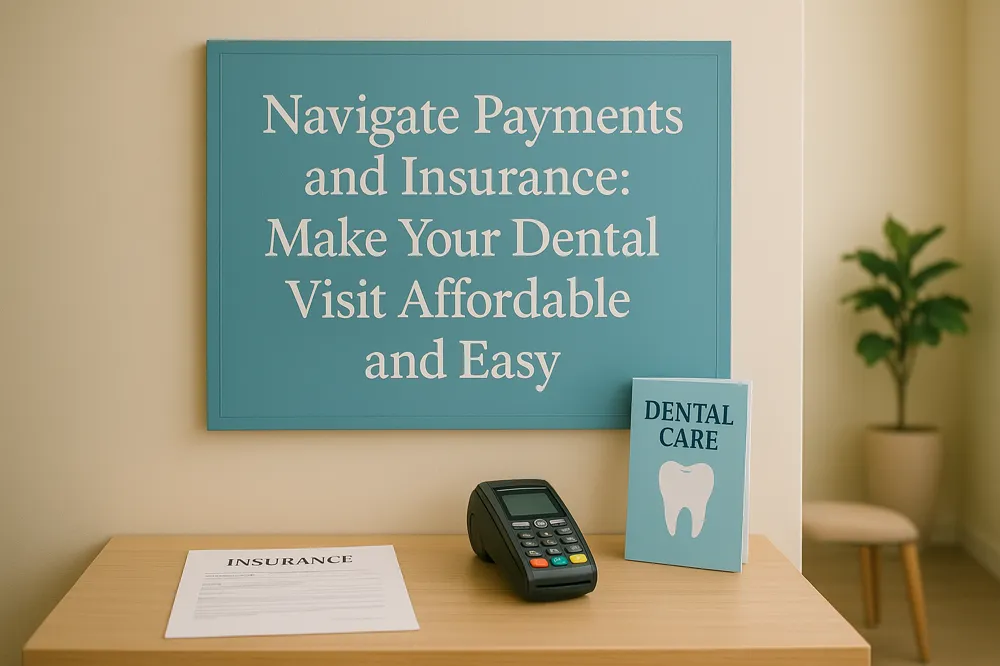
Scheduling a dental appointment can be simple with the right preparation. If you have dental insurance, bring your Dental Insurance Card and provide your details to the dental office early on. This allows the staff to verify your coverage and determine which procedures are included under your plan. Knowing your benefits ahead of time helps you avoid unexpected costs.
For patients without insurance, many dental practices offer alternatives to ease payment. Be sure to ask about available payment plans, discounts, or financing options such as interest-free monthly payments through programs like CareCredit. Some clinics also provide in-house savings plans that cover preventive care at a reduced cost. Learn more about New Patient Appointment at Midland Park Family Dentistry.
Understanding Costs and Payment Methods Before Your Visit
It's important to inquire about fees and accepted payment methods when booking your appointment. Confirming this information beforehand prevents surprises on the day of your visit. Practices often accept major credit cards, cash, checks, or insurance payments. If undergoing more complex treatments, discussing payment options upfront will help in planning your budget. For tips on how to Make a dentist appointment, including discussing insurance details and asking about dental costs, see this resource.
Benefits of Upfront Financial Communication
Open communication about costs with your dental provider ensures trust and clarity. If you have concerns about affordability, share them with the staff—they can suggest suitable solutions tailored to your financial situation.
Whether insured or uninsured, speaking candidly about payment helps you receive personalized care comfortably and confidently. Advance scheduling combined with these financial discussions promotes a seamless, stress-free dental experience. For additional advice on Improve Patient Scheduling and effective communication, see the linked materials.
Best Practices for Efficient and Effective Dental Appointment Scheduling
Utilizing Online Self-Scheduling Tools for Convenience
Online self-scheduling provides patients the flexibility to book appointments anytime, easing the workload on front-desk staff. Studies show about 26% of online bookings are for same or next day appointments, helping practices efficiently manage immediate patient needs. See more on Improve Patient Scheduling.
Implementing Automated Reminders to Reduce No-Shows
Automated reminders sent via text, email, or calls significantly improve patient attendance rates. They help patients remember their appointments and reduce the practice's costly no-shows. Learn about Automated Appointment Reminders.
Scheduling in Shorter Increments to Optimize Time
Using 10-minute appointment slots instead of the traditional 15 minutes allows for more accurate scheduling, minimizing downtime and making efficient use of clinic hours. Tips on Patient Scheduling Techniques may help.
Maintaining Waiting Lists for Last-Minute Openings
Keeping a dynamic waiting list makes it easier to fill cancellations quickly. Mass notification systems can alert patients instantly, reducing empty slots and increasing daily patient flow. Refer to Patient Waiting List Management for strategies.
Benefits of Scheduling Follow-Up Visits During Appointments
Booking follow-up appointments at the end of the current visit ensures continuity of care and maintains a steady appointment flow, benefiting both the patient and practice. Insights on Scheduling Follow-Up Visits Effectively are available.
Using Technology and Communication to Enhance Scheduling
Integrating tools like virtual dental consultations for appropriate consultations, social media engagement, and predictive analytics optimizes scheduling and addresses staff shortages while improving patient access and satisfaction. Explore Enhance Practice Revenue with Scheduling for more details.
Patient Education on Punctuality and Appointment Respect
Educating patients on the importance of arriving on time and respecting appointment schedules promotes reliability, reduces delays, and enhances overall office efficiency. Additional patient preparation tips can be found in Patient Scheduling Techniques and Preparing for a dental appointment.
| Practice Strategy | Benefit | Application Example |
|---|---|---|
| Online Self-Scheduling | Patient convenience and reduced staff workload | 24/7 online booking portals |
| Automated Reminders | Lower no-show rates | Text/email reminders 48 hours prior |
| Shorter Appointment Increments | More patients served, less downtime | 10-minute slots for check-ups |
| Waiting Lists | Efficient cancellation management | Instant mass notifications |
| Follow-Up Scheduling | Continuity and steady workflow | Book next visit before leaving |
| Technology Integration | Enhanced scheduling and care | Virtual consults and AI scheduling aids |
| Patient Education | Improved punctuality and flow | Informative reminders and office policies |
Additional Tips to Enhance Your Dental Appointment Experience

Arriving Early to Complete Paperwork and Reduce Stress
Arriving at your dental appointment about 15 minutes early allows you to complete any necessary paperwork and verify insurance information. This simple step helps reduce anxiety and ensures your visit starts smoothly. For more details, see Arriving Early for UCLA Dental Appointments.
Practicing Good Communication with Your Dental Provider
Being open and honest about your dental and medical history, current medications, and any concerns helps your dentist deliver personalized care. Prepare questions ahead of time to discuss your treatment options thoroughly. Check Effective Doctor Communication Tips and Communicating with Your Dentist Effectively for guidance.
Bringing a Family Member or Friend for Support if Needed
If you feel nervous or overwhelmed, bringing a trusted family member or friend can provide emotional support, assist with note-taking, and help you remember important information shared during the visit. See Support Person for Doctor Visit for more info.
Managing Dental Anxiety by Discussing Concerns Openly
Share any feelings of nervousness with your dental team. They are experienced in helping patients stay comfortable and can offer strategies to ease anxiety during procedures. For helpful tips, refer to Managing Dental Anxiety Before Appointment and dental anxiety management techniques.
Following Pre-Appointment Instructions like Fasting if Surgery Is Involved
If your appointment involves dental surgery requiring anesthesia, follow instructions such as fasting for at least five hours beforehand. Eating a protein-rich meal earlier helps maintain energy levels. Learn more about What to Eat Before a Dental Appointment and Avoid eating before dental surgery.
Planning for Follow-Up Care and Understanding Treatment Options
After your appointment, ensure you understand any recommended treatments and schedule follow-up visits as instructed. This proactive approach supports effective dental care and long-term oral health. Check Planning Follow-Up Care After Dental Treatment and Scheduling Routine Cleanings for more details.
Conclusion: Achieving a Smooth and Successful Dental Visit
Recap of Scheduling and Preparation Tips
Preparing for a dental appointment includes making a checklist of concerns, updating your medical history, and bringing all necessary documentation such as insurance cards and medication lists. Arriving early, confirming appointments, and practicing good oral hygiene can help facilitate a smooth visit.
Importance of Regular Visits
Maintaining regular dental visits at least every six months supports early detection of issues like cavities and gum disease. Consistent appointments allow timely treatment, which helps preserve your oral health and overall well-being.
Clear Communication and Proactive Planning
Effective communication with your dental team promotes personalized care. Be honest about your health history, ask questions, and express concerns. Planning ahead, including scheduling follow-ups and preparing for your visit, ensures a comfortable and efficient dental experience.