The Rise of Virtual Dental Consultations
What Are Virtual Dental Consultations?
Virtual dental consultations, also known as teledentistry, utilize digital communication tools like video conferencing, phone calls, and secure messaging to connect patients with licensed dentists remotely. This approach allows patients to receive professional dental advice and preliminary assessments without needing to visit a dental office in person.
How Do Virtual Consultations Work?
Patients start by scheduling an appointment online and may be asked to submit photos or videos of their oral concerns beforehand. During the live consultation, the dentist evaluates symptoms, discusses potential treatment options, and provides personalized recommendations. While hands-on procedures require in-office visits, many initial and follow-up assessments, preventive care discussions, and urgent consultations can be effectively managed virtually.
Benefits for Patients and Dental Providers
Virtual consultations enhance access to dental care, especially for those in rural areas, individuals with mobility challenges, or patients with busy schedules. They reduce travel time and costs, offer flexible scheduling, and help decrease dental anxiety by allowing patients to connect from the comfort of their homes. For dental providers, teledentistry improves operational efficiency by triaging cases, prioritizing urgent needs, and extending care reach beyond traditional office boundaries. Overall, it fosters a more personalized, convenient, and patient-centered dental experience.
How Virtual Consultations Enhance Accessibility and Convenience

How does virtual dental care improve accessibility for rural and underserved populations?
Virtual dental consultations break down geographical barriers, allowing patients in rural and underserved areas to connect with licensed dentists remotely. This access reduces the need for long travel to distant offices, enabling timely assessments, treatment planning, and follow-up care from home. Teledentistry platforms help integrate oral health with primary care services, crucial for communities facing provider shortages.
What are the benefits of having 24/7 availability for virtual dental care?
Virtual dental services provide round-the-clock access to dental professionals, which is especially valuable outside regular office hours. This availability allows patients to seek urgent advice promptly, preventing minor issues from worsening and reducing the reliance on emergency rooms that often lack dental specialists. Platforms like Delta Dental’s TeleDentistry.com ensure members receive care anytime, enhancing patient peace of mind.
How do virtual consultations help patients with mobility or scheduling challenges?
Patients who have difficulty traveling due to mobility issues or busy schedules benefit greatly from virtual consultations. Virtual visits can be conducted from any internet-enabled device, eliminating transportation barriers and time constraints. This convenience empowers patients to maintain consistent oral health care, receive professional advice, and build trust with their dental providers in a stress-free environment.
In what ways do virtual dental services reduce unnecessary emergency room visits?
By providing immediate professional dental advice at the first sign of problems, teledentistry helps patients avoid unnecessary trips to emergency rooms, which often lack appropriate dental care. Early virtual intervention can triage dental emergencies, offer treatment options, and issue prescriptions when needed, thus reducing the number of avoidable ER visits and promoting more effective use of healthcare resources.
How does a compassionate dental care approach benefit patients and families?
A compassionate dental care approach benefits patients and families by fostering trust and creating a comfortable environment, making dental visits less stressful. Virtual consultations continue this approach by allowing patients to engage in a familiar, convenient setting, reducing anxiety and encouraging proactive oral health management.
Modern Technologies Driving Virtual Dental Care and Diagnostics
What modern dental technologies are used in family dental practices?
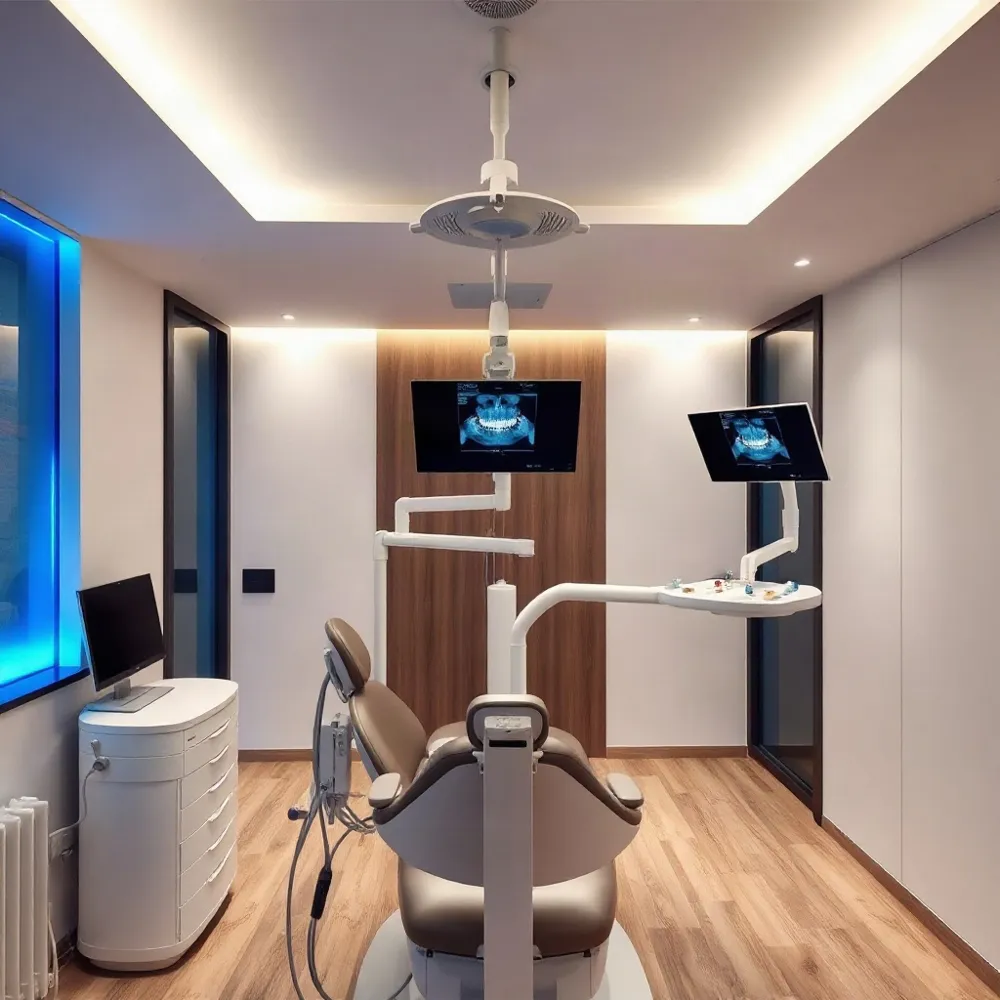
Modern family dental practices embrace a range of advanced technologies to enhance patient care and streamline diagnostics. Digital X-rays and 3D imaging offer detailed views of teeth, gums, and jaw structures while minimizing radiation exposure, promoting safer and more precise evaluations.
Intraoral cameras capture high-resolution images inside the mouth, which dentists use to detect issues and visually explain diagnoses to patients during both in-person and virtual dental consultations. These cameras play a vital role in teledentistry by providing clear visuals remotely.
computer-aided design and manufacturing (CAD/CAM) in dentistry technology enables in-office creation of dental restorations like crowns, enhancing treatment speed and customization.
Use of video conferencing and secure messaging
Teledentistry relies on secure, HIPAA-compliant video conferencing and messaging platforms to facilitate live consultations and asynchronous communication between patients and dental professionals. These technologies allow patients to access expert advice from home, increasing convenience and accessibility.
AI-powered diagnostics and imaging tools
Artificial intelligence (AI) augments virtual dental care by analyzing intraoral photos and dental imaging. AI-powered diagnostics in dentistry quickly detect early signs of cavities, gum disease, and other conditions, assisting dentists in remote evaluations and improving diagnostic accuracy.
Remote monitoring devices and smart oral health sensors
Smart oral health devices, including Bluetooth-enabled toothbrushes and wearable sensors, enable real-time monitoring of oral hygiene habits and oral health indicators. These tools provide personalized feedback and early warnings, empowering patients to maintain better oral care with professional guidance remotely.
Integration of 3D modeling and virtual treatment planning
Virtual treatment planning in dentistry leverages 3D modeling technology to design and simulate restorative and orthodontic procedures. Dentists can create precise treatment plans for braces, implants, and crowns remotely, enhancing customization and patient understanding while minimizing office visits.
These modern technologies collectively expand access, enhance personalized care, and improve the efficiency of dental services for families and individuals of all ages.
Services Suitable for Virtual Dental Consultations in Family Practices
What types of dental services are typically offered by family-focused dental practices?
Family dental practices typically offer a full range of services tailored to individuals of all ages, including preventive care like cleanings and exams, restorative treatments such as fillings and crowns, orthodontic services, pediatric dentistry, and urgent care for dental emergencies.
Types of dental services offered virtually
Many family dental services can be effectively initiated or supported through Problem-focused teledentistry evaluations. These include:
- Problem-focused evaluations for issues like small cavities, cracked or chipped teeth, and soft tissue lesions
- Follow-up care and treatment monitoring after procedures
- Oral hygiene coaching and preventive education
- Second opinions and treatment planning discussions
- Discussions regarding orthodontic options and cosmetic concerns
Managing non-emergency issues virtually
Virtual care primarily supports Non-emergency oral health care, allowing dentists to triage conditions remotely and recommend in-office visits only when necessary. This approach helps maintain continuity of care without compromising safety or requiring immediate office visits.
Use for initial consultations, follow-ups, and treatment planning
Teledentistry virtual consultations offer a convenient and timely platform for initial assessments where patients can share photos or videos, discuss symptoms, and receive personalized advice. They also facilitate follow-up appointments and collaborative treatment planning, improving patient engagement and adherence.
Limitations for hands-on procedures and emergency care
While virtual dental visits are invaluable for many situations, they cannot replace hands-on treatments like cleanings, fillings, crowns, or emergency interventions. In cases of severe pain, trauma, or infection, in-person care remains essential.
Advantages for pediatric and preventive dental care
Virtual care is especially beneficial for pediatric patients by providing oral health education and monitoring growth and development remotely. It also promotes preventive strategies to reduce future dental issues, making dental care more accessible and less stressful for children and families.
Virtual dental consultations empower family dental practices to deliver safe, patient-centered, and accessible care, enhancing overall oral health management across all ages.
Regulations, Insurance, and Patient Rights in Teledentistry

What Are the State Regulations and Licensure Requirements for Teledentistry?
Teledentistry regulation by state vary widely across US states. Most states allow both real-time video (synchronous) and store-and-forward (asynchronous) teledentistry services. Dentists must be licensed in the state where the patient is located, following state-specific laws. Some states also permit dental hygienists to provide teledentistry services. The American Dental Association teledentistry guidelines (ADA) supports state-based licensure over a federal system, ensuring dentists meet local regulatory standards.
How Does Insurance Coverage and Reimbursement Work for Teledentistry?
Insurance coverage for teledentistry is increasingly common. Many Medicaid programs reimburse teledentistry services at the same rate as in-person visits, including codes for virtual consultations. Delta Dental of Illinois virtual dental visits, for example, offers virtual dental visits covered by most PPO and Premier plans with no added cost, though coverage limitations may apply. Patients should confirm with their provider and inquire about possible copayments. Telehealth coverage expanded during the COVID-19 pandemic, driving broader acceptance.
What Patient Rights and Privacy Protections Apply Under HIPAA?
Teledentistry providers must comply with the Health Insurance Portability and Accountability Act (HIPAA in teledentistry), which safeguards the privacy and security of patient health information. Dentists are required to inform patients of their rights, including the right to know provider qualifications and how their data is managed. Virtual visits are conducted on secure, encrypted platforms to maintain confidentiality.
What Are the ADA Guidelines and Ethical Considerations for Teledentistry?
The American Dental Association teledentistry guidelines recommend that teledentistry care be consistent with in-person standards, ensuring accurate diagnosis and treatment planning based on adequate information. Dentists must maintain proper documentation and provide patients with summaries of services. Ethical practices include obtaining informed consent, respecting patient autonomy, and adhering to data privacy laws. The ADA opposes federal licensure mandates, emphasizing state oversight for quality and safety.
What Steps Should Patients Take to Engage in Virtual Dental Visits?
Patients typically start by contacting their dental office or insurer to verify eligibility for virtual visits. They must ensure their device (smartphone, tablet, or computer) has internet access and a working camera as described in teledentistry technology requirements. Completing necessary paperwork, including consent forms, is usually required before the visit. During the appointment, patients may upload photos or videos to assist evaluation. Understanding their rights as noted in patient rights in teledentistry and speaking openly with the dentist helps foster personalized care.
| Topic | Details | Additional Notes |
|---|---|---|
| State Regulations & Licensure | Vary by state; dentists licensed where patient is located | Includes hygienist scope differences |
| Insurance & Reimbursement | Expanding coverage; parity with in-person visits in most states | Check plan specifics and copayment info |
| Patient Rights & HIPAA | Privacy, informed consent, data security | Secure platforms required |
| ADA Guidelines & Ethics | Consistent care standards, documentation, informed consent | State-based licensure preferred |
| Patient Steps for Virtual Visits | Verify eligibility, prepare tech, complete forms, upload images | Promote clear communication |
Future Prospects and Patient Benefits of Virtual Dentistry
Expanding AI and Remote-Controlled Procedures
Advancements in artificial intelligence (AI) are shaping the future of Virtual dental consultations. AI-driven dental diagnostics and imaging tools improve remote assessments by analyzing photos and X-rays, allowing dentists to tailor treatment plans more effectively. Additionally, remote-controlled robotic procedures and augmented reality hold promise for expanding the scope of care delivered virtually, potentially enabling certain treatments to be performed under remote supervision.
Enhanced Patient Education and Engagement
Virtual dentistry platforms incorporate automated engagement tools such as chatbots and smart reminders. These innovations support personalized oral health coaching, reinforcing good hygiene practices and preventive care. Real-time interactions and educational content empower patients to take an active role in their dental health, improving treatment adherence and outcomes.
Cost-Effectiveness and Reduction of Travel-Related Expenses
By minimizing the need for in-person visits, Virtual dental care convenience reduces travel time and associated costs. This convenience not only alleviates the burden of missed work or school but also lowers long-term treatment expenses by enabling early diagnosis and timely intervention. Furthermore, virtual care has been shown to be cost-efficient for both patients and providers, offering economic benefits across the board.
Improved Access for Underserved Populations
Virtual dentistry overcomes geographic barriers, providing dental care access to rural and underserved communities. Integrating oral health into primary care through virtual consultations ensures those in remote areas receive timely evaluations and treatment recommendations. This model also supports individuals with mobility challenges or limited transportation options, fostering equitable oral health services.
The Role of Virtual Consultations Post-Pandemic
The COVID-19 pandemic accelerated the adoption of Teledentistry during COVID-19, demonstrating its critical role in maintaining patient care during disruptions. Moving forward, Virtual dental consultations continue to complement traditional in-office visits by offering convenient, immediate access to dental professionals for consultations, follow-ups, and minor concerns. This hybrid care approach enhances patient comfort, safety, and overall dental health management.
Virtual Consultations: Shaping the Future of Family Dental Care
Embracing the Benefits and Technologies of Virtual Dental Consultations
Virtual consultations offer families convenient access to expert dental care through live video and image sharing. Technologies like AI-powered imaging and real-time video allow dentists to assess conditions such as cavities, chipped teeth, and gum issues remotely. This approach saves time, reduces travel, and improves access—especially important for busy families or those in remote areas.
Virtual Care Complementing In-Person Visits
While virtual consultations cannot replace hands-on procedures like cleanings or fillings, they complement traditional care by enabling early diagnosis, treatment planning, and follow-up monitoring. Dentists can guide families on oral hygiene, provide prescriptions when appropriate, and recommend in-office visits only when necessary.
A Welcoming Invitation for Families
Families are encouraged to embrace virtual dental consultations as a convenient, safe, and professional way to maintain and improve oral health. This hybrid model ensures personalized care tailored to every family member’s needs while fitting smoothly into today’s busy lifestyles.