Understanding Dental Anxiety and Its Impact
What is Dental Anxiety?
Dental anxiety is a common experience where individuals feel nervous or fearful about visiting the dentist. Studies show that between 50% and 80% of adults face some degree of dental anxiety. This response is a natural biological reaction, often activating the body's fight or flight system.
What Triggers Dental Anxiety?
Triggers can be both biological and psychological. Previous painful dental experiences, fear of loss of control, or concerns about personal space during treatment often contribute. Mental health conditions such as anxiety disorders or PTSD might also increase susceptibility to dental fear.
Impact of Avoiding Dental Care
Avoiding regular dental appointments due to anxiety can cause oral health to deteriorate. This often leads to more severe issues like tooth decay or gum disease that require complex treatments. Consequently, delay in care may result in increased discomfort, longer recovery times, and higher treatment costs.
Understanding dental anxiety's causes and consequences helps patients and professionals work together to create a supportive, calming dental experience tailored to individual needs.
Creating a Calm and Supportive Dental Environment
Use of Soothing Colors, Soft Lighting, and Calming Music
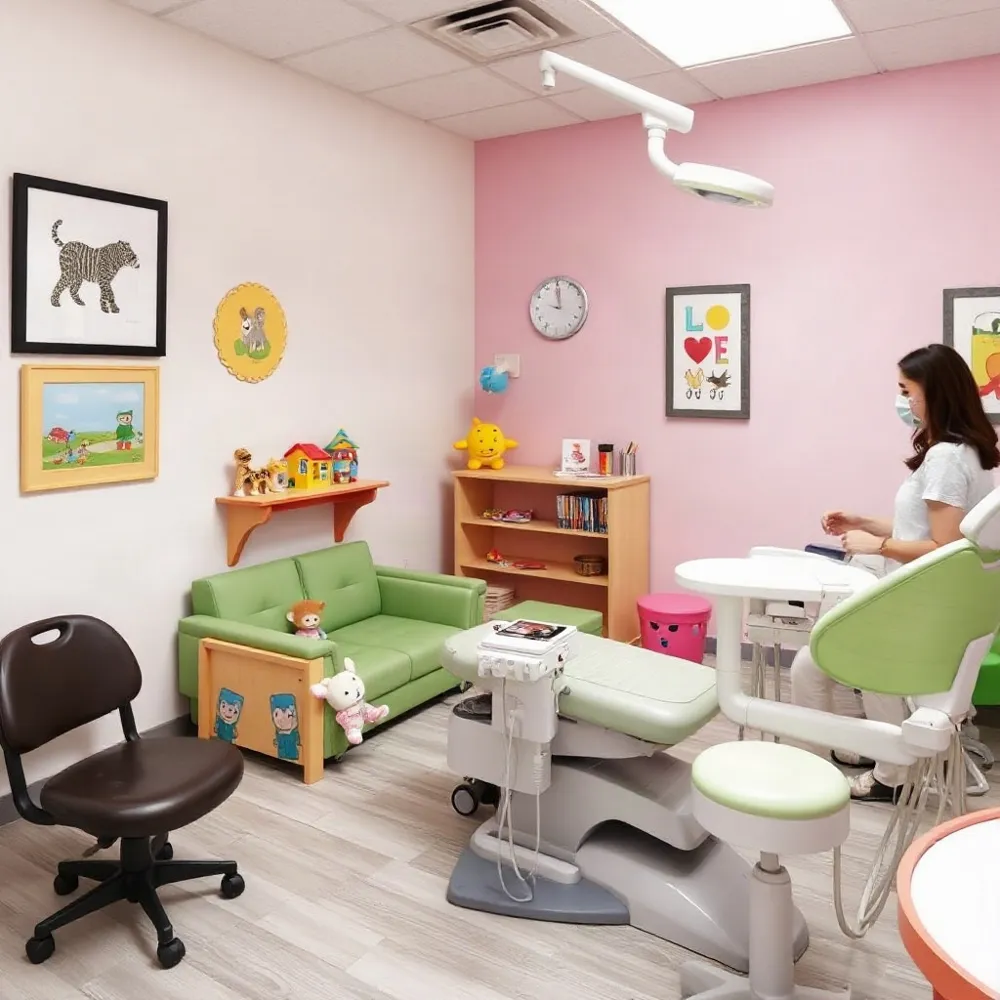
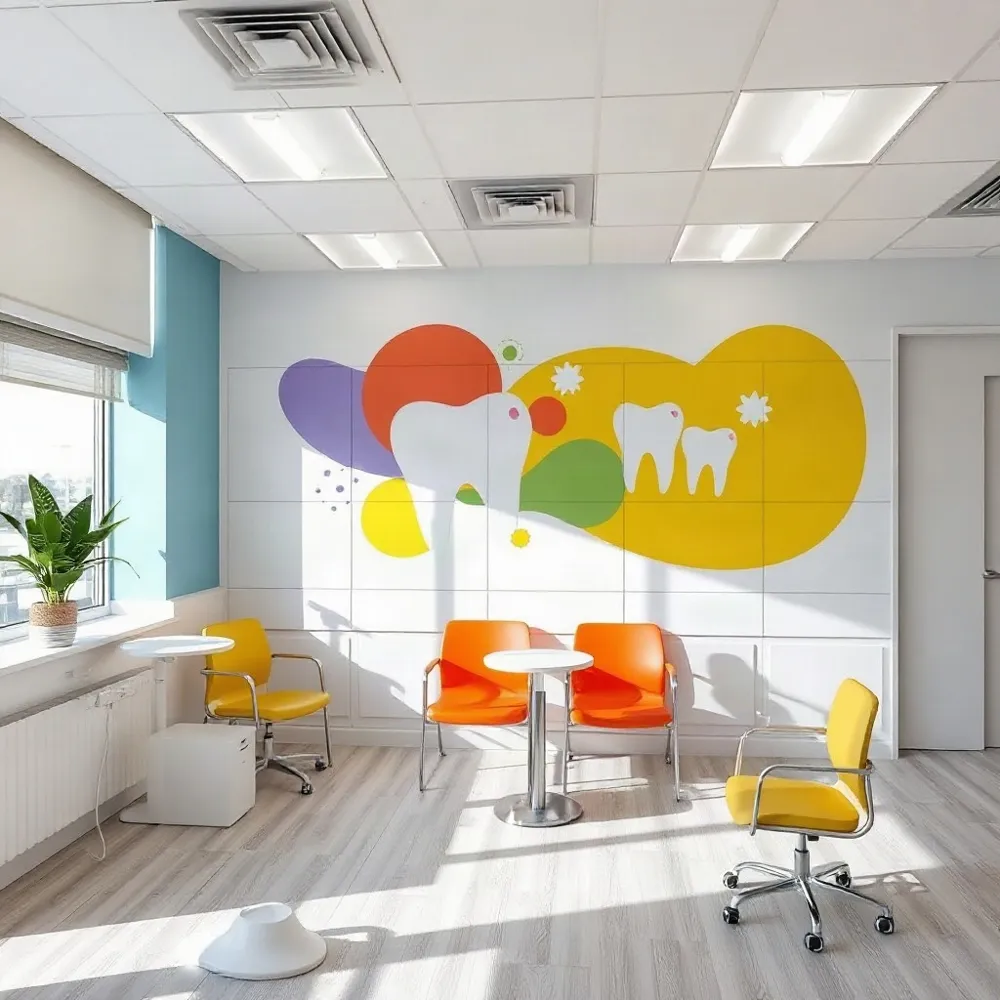
A Calming environment in dental offices starts with the environment. Soothing colors and soft lighting like gentle blues and greens help create a peaceful atmosphere. Soft lighting reduces harshness and glare, minimizing sensory stress. Playing calming music in dental offices further relaxes patients by diverting their focus from the procedure. These elements combine to create a space where patients feel safe and less anxious.
Importance of Compassionate and Trained Dental Staff
The presence of compassionate dental staff is crucial. Trained professionals who can recognize signs of anxiety take steps to ease patient fears through gentle communication and personalized dental care. Their kindness and patience help build trust and make patients feel valued, reducing the emotional burden often associated with dental visits.
Role of Trust and Open Communication in Reducing Anxiety
Open communication between patient and dentist is essential for reducing anxiety. Patients who feel comfortable discussing their fears and concerns experience less stress. Dentists can then tailor treatments to individual needs, offer Sedation options for dental anxiety if necessary, and establish signals for breaks during procedures. This openness fosters a partnership where patients regain a sense of control, helping them overcome fear.
Building Positive Patient-Dentist Relationships
Positive, trusting relationships form the foundation of a Comfortable dental environment. Dentists who listen and respond to patient needs encourage regular visits and better oral health. By consistently providing a Supportive dental environment, dental teams empower patients to face their dental care confidently and with less apprehension.
Why is compassionate dental care important?
Compassionate dental care addresses the emotional and psychological needs of patients, making them feel comfortable and valued. This approach fosters trust, encourages open communication, and results in more Personalized dental care. It transforms dental visits into positive experiences, promoting better oral health outcomes and strengthening long-term patient-provider relationships.
Effective Communication and Personalized Anxiety Management

Importance of Open Dialogue Between Patient and Dentist
Open, honest communication forms the foundation for managing dental anxiety effectively. When patients share their fears and past experiences with their dentist, it empowers the dental team to provide compassionate dental staff, tailored care. Understanding a patient’s concerns allows dentists to plan treatments with anxiety-reducing approaches and build trust, which is vital for a comfortable dental experience.
Use of Signals for Breaks and Discussing Fears Before Procedures
Discussing fears before treatment begins gives patients a sense of control and helps minimize uncertainty. Many dental teams encourage patients to establish simple signals, such as raising a hand, to request breaks during procedures. This nonverbal communication maintains safety and comfort without disrupting the flow of care, enabling anxious patients to feel supported and more relaxed as part of open communication in dental care.
Development of Personalized Anxiety Management Plans
Personalized plans consider the patient's unique triggers and coping preferences. These may include strategies such as sedation dentistry for anxiety, distraction techniques like listening to music, and relaxation exercises including breathing exercises for dental anxiety. Dentists often collaborate with patients to choose the most suitable options, fostering a supportive dental environment where anxiety can be better managed.
Role of Patient Education in Reducing Fear of Dental Procedures
Detailed explanations before and during dental visits alleviate the fear of the unknown. Educating patients about procedures, what sensations to expect, and the use of modern pain-reducing techniques demystifies treatment. This knowledge empowers patients, reduces anxiety, and promotes importance of regular dental visits, which is crucial because routine check-ups are generally recommended every six months. These visits help prevent dental problems and allow early detection of issues like cavities and gum disease.
Harnessing Technology and Sedation to Enhance Patient Comfort
How does Veenstra Family Dental incorporate advanced technology into their dental services?
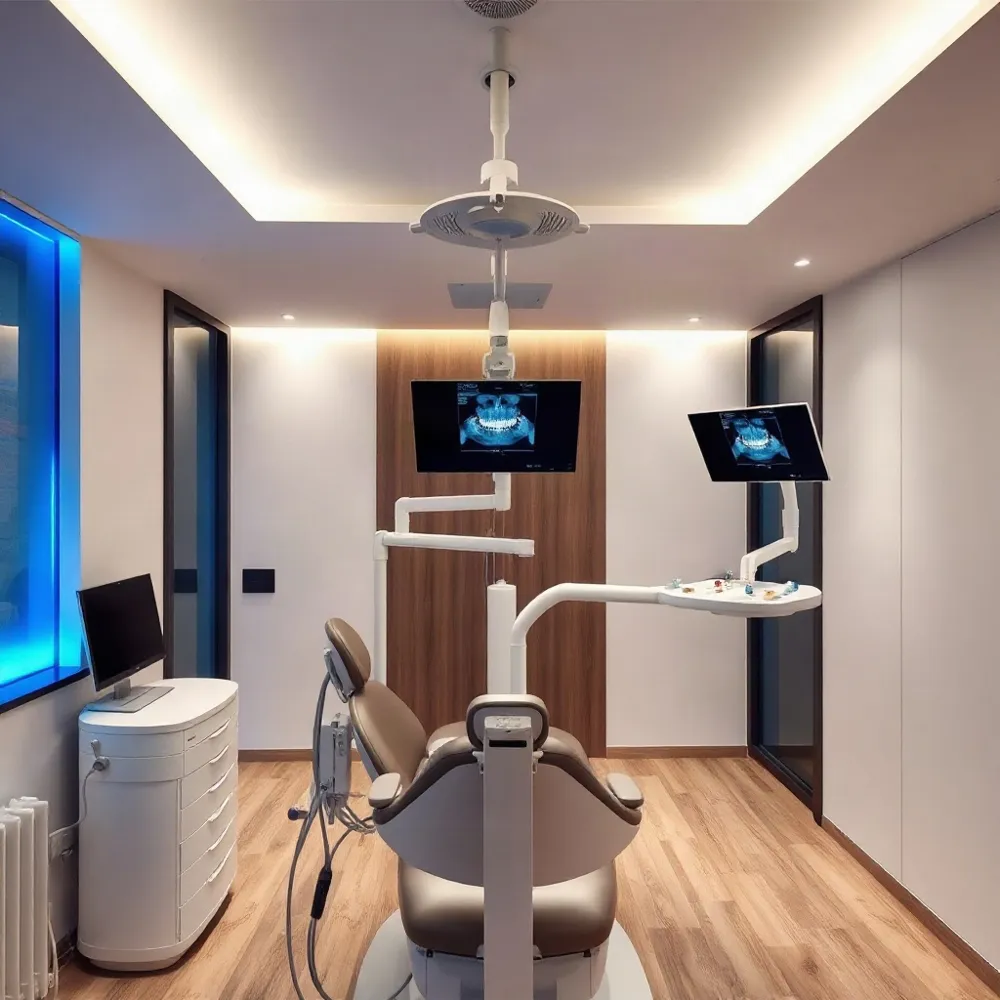
Veenstra Family Dental integrates advanced dental technologies to improve patient comfort and treatment outcomes. They use digital X-rays, including panoramic and 3D imaging, which reduce radiation exposure while allowing for accurate diagnoses and treatment planning, especially for implants and oral surgery. Intraoral cameras enable detailed visualization of the mouth, enhancing patient understanding and comfort.
Laser dentistry at Veenstra offers minimally invasive treatments that reduce pain, swelling, and bleeding compared to traditional methods. Digital impressions in dental care and CAD/CAM technology in dentistry facilitate precise, customized restorations without the discomfort of conventional molds. Oral CDX technology helps with early oral cancer detection, contributing to overall patient health. Digital photography is employed to aid cosmetic treatment planning and foster clear communication with patients and dental labs.
What sedation options are available to reduce dental anxiety and discomfort?
Dental sedation plays an essential role in managing dental anxiety and creating a calming environment in dental offices. Common sedation methods include:
- Nitrous oxide ("happy gas"): Provides relaxation while keeping patients awake and communicative.
- Oral anxiolytics: Medication taken prior to appointments to reduce anxiety.
- Conscious sedation (intravenous): Administered by trained professionals for deeper relaxation without general anesthesia.
For patients with severe anxiety, Veenstra Family Dental may refer individuals to specialized sedation clinics that offer tailored sedation options such as inhalation or intravenous sedation, helping patients undergo treatments comfortably and safely.
By combining technological advancements in dentistry with personalized sedation approaches, dental practices like Veenstra Family Dental ensure an efficient, comfortable dental environment that supports positive dental experiences for patients of all ages.
Strategies and Techniques to Manage Dental Anxiety During Visits
How can distraction techniques help reduce dental anxiety?
Distraction methods are effective tools to help patients manage anxiety during dental visits. Listening to music, watching videos, or engaging in light conversation can divert attention away from the procedure, making the experience less stressful. Many dental practices provide headphones or screens to support these distractions, creating a more comfortable environment for anxious patients (Distraction techniques in dental anxiety management, Distraction techniques for dental anxiety).
What breathing and mindfulness exercises are recommended to calm nerves?
Breathing exercises, such as the 3-4-5 breathing technique, activate the parasympathetic nervous system, promoting relaxation and calming nerves during dental procedures. This technique involves inhaling for 3 seconds, holding the breath for 4 seconds, and exhaling slowly for 5 seconds. Mindfulness practices like deep breathing and body scans help patients focus on calming sensations, reducing the physical symptoms of anxiety (Breathing exercises for calming nerves, Mindfulness exercises for dental anxiety.
How do signals improve communication during treatment?
Using simple signals, like raising a hand, allows patients to discreetly communicate discomfort or the need for a break without interrupting the flow of the treatment. This practice reassures patients, giving them a sense of control and easing anxiety (Effective communication with your dentist, Patient communication during dental visits.
How can positive imagery and relaxation techniques enhance patient comfort?
Guided imagery and muscle relaxation techniques help patients visualize peaceful, stress-free environments, reducing fears and creating a calming mental space. Combining these methods with a supportive dental team and a soothing office atmosphere contributes to a personalized and reassuring dental experience (Calming environment in dental offices, Relaxation techniques for dental visits).
Comprehensive Family-Focused Dental Care for Anxiety Reduction
What are the benefits of family-focused dental care?
Family-focused dental care provides personalized treatment plans tailored to the unique needs of every family member. This personalized dental care approach fosters strong relationships with a consistent dental team, which helps children feel more comfortable and reduces anxiety through positive early dental experiences. By consolidating care under one trusted practice, scheduling becomes simpler and more convenient, reducing stress associated with multiple appointments. This continuity supports early detection and timely intervention for dental issues while promoting lifelong healthy oral hygiene habits across generations.
What types of dental services are typically offered by a family dental practice?
Family dental practices offer a wide range of services that cater to patients of all ages. Preventive care includes exams, cleanings, fluoride treatments, and sealants to maintain oral health and prevent problems. Restorative treatments such as fillings, crowns, root canals, and extractions repair damaged teeth. Cosmetic services like teeth whitening, veneers, and Invisalign enhance smiles and boost confidence. Many family dentists provide special services including dental implants, dentures, and emergency care to address urgent dental needs promptly. These offerings emphasize advanced dental technologies and compassionate, advanced care that supports long-term oral health for the entire family.
How does early positive dental experience reduce lifelong dental fear?
Early experiences with a welcoming, patient-centered dental team help children develop trust and confidence during dental visits. Positive encounters reduce dental anxiety and anxiety, making future appointments less stressful. Family-focused care encourages a calming environment in dental offices with gentle communication and age-appropriate explanations. This foundation promotes regular dental visits as a normal part of health care, minimizing the development of dental phobias in adulthood.
How does consistent care with one trusted team improve the dental experience?
Receiving care from the same dental team fosters familiarity and trust, which are crucial for anxious patients. The team understands each patient's history, preferences, and anxiety triggers, allowing for tailored approaches that enhance comfort. Dental anxiety management techniques, such as using comforting amenities at Randallwood Dental, communication signals, and sedation options for dental anxiety, are more effectively implemented. Patients benefit from continuity in treatment planning, which supports their overall oral health journey with less stress and greater confidence.
Encouraging Ongoing Oral Health Through Compassion and Innovation
The Importance of Regular Visits and Personalized Care
Regular dental visits are essential for preventing dental diseases and maintaining overall oral health. Avoiding appointments due to anxiety can lead to worsening conditions that require more complex treatments later on. Personalized care, including tailored treatment plans and options for local anesthesia or sedation, ensures each patient receives care suited to their specific needs.
Compassionate Care Meets Advanced Technology
Dental practices today combine compassionate care with advanced technology to create a comfortable and effective treatment environment. Soft lighting, soothing colors, calming music, and modern diagnostic tools all work together to reduce discomfort and speed recovery. Trained dental teams foster trust and understanding, helping anxious patients feel safe and supported throughout their visit.
Open Communication and Anxiety Reduction Strategies
Patients are encouraged to share their fears and concerns openly with their dental team. This communication allows for customized anxiety management, including relaxation techniques, distraction methods like music, and sedation options when necessary. By embracing these strategies, patients can experience less stress and greater confidence, promoting a lifelong commitment to their oral health.