Comfort Begins With Understanding
A dental visit can feel different for everyone. Past experiences, uncertainty about treatment, or the sounds and sensations of care may leave a person uneasy. Recognizing those concerns without judgment is a first step toward a more reassuring appointment. Harvard Health recommends identifying specific triggers and discussing them with the dentist so the care team can plan accordingly.
Comfort is not only a matter of appearance. A welcoming atmosphere, clear explanations, and attention to individual preferences can work together to help patients feel respected and involved. The American Dental Association also emphasizes listening, kindness, and agreeing on ways patients can request a pause during treatment (ADA guidance on reducing anxiety).
At Veenstra Family Dental, family-focused care and modern techniques support patients across ages, while a compassionate approach helps make room for questions and personal needs. A calmer visit begins with understanding what matters to each patient, then shaping care around that conversation.
Create Calm Through Thoughtful Details
 Create Calm Through Thoughtful Details
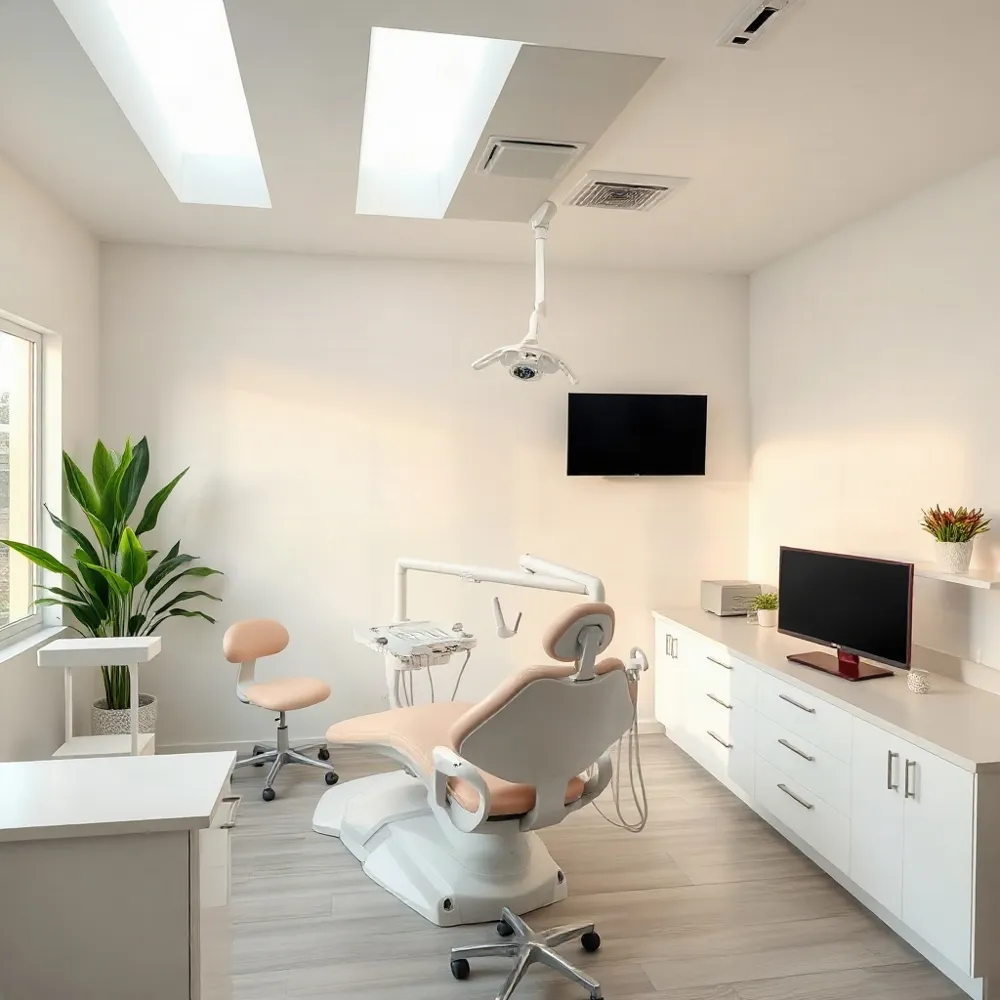
A calmer dental office does not depend on elaborate decor. Clean, organized shared spaces, comfortable seating, softer lighting, and thoughtful visual details can make reception and treatment areas feel less stark. These choices support the welcoming, patient-focused approach at Veenstra Family Dental, a family practice serving patients of all ages in Midland Park.
Sound matters, too. Conversations and equipment noise can make a space feel busy, so sound-absorbing materials or quiet background audio may help soften the atmosphere. Music should stay low enough for patients and the dental team to communicate easily. The American Dental Association’s suggestions for a more peaceful dental environment include relaxing music and calming images, alongside personal connection and attentive listening.
Small practical choices can also support comfort, but preferences differ. A visual detail that feels soothing to one person may distract another, and not every patient finds music calming. Rather than assuming a particular amenity will suit everyone, a dental team can listen to individual concerns and adapt where possible. Veenstra Family Dental’s focus on personalized care applies across ages and helps keep comfort part of the conversation.
The team’s well-being contributes to the atmosphere patients experience. Opportunities to pause, move, and stretch during the workday may help staff manage physical strain and stress. The ADA also recommends movement and stretching for dental professionals, and notes that a calm, attentive team can better listen and respond to patients.
Recognize Anxiety Without Judgment
 Dental anxiety can have many sources. A painful or uncomfortable past visit, fear of needles or pain, and feeling vulnerable or out of control in the chair may all contribute. Some people also worry about being judged for their oral health, or feel anxious after hearing others’ stories.
The experience is different for everyone. You might dread an appointment, have trouble sleeping beforehand, notice a racing heartbeat or sweating, or feel nauseated, shaky, or panicky. These reactions are not a personal failing. Harvard Health notes that dental fears can lead some people to postpone or avoid treatment.
At Veenstra Family Dental, care is family-focused and personalized for patients of all ages. You can tell the team what you are feeling without embarrassment, whether your concern comes from a past experience, family anxiety, or uncertainty about treatment. Sharing what feels difficult gives the dental team a chance to discuss ways to make your visit more comfortable. For more on recognizing and managing these feelings, see understanding and managing dental anxiety.
Build Trust Through Clear Communication
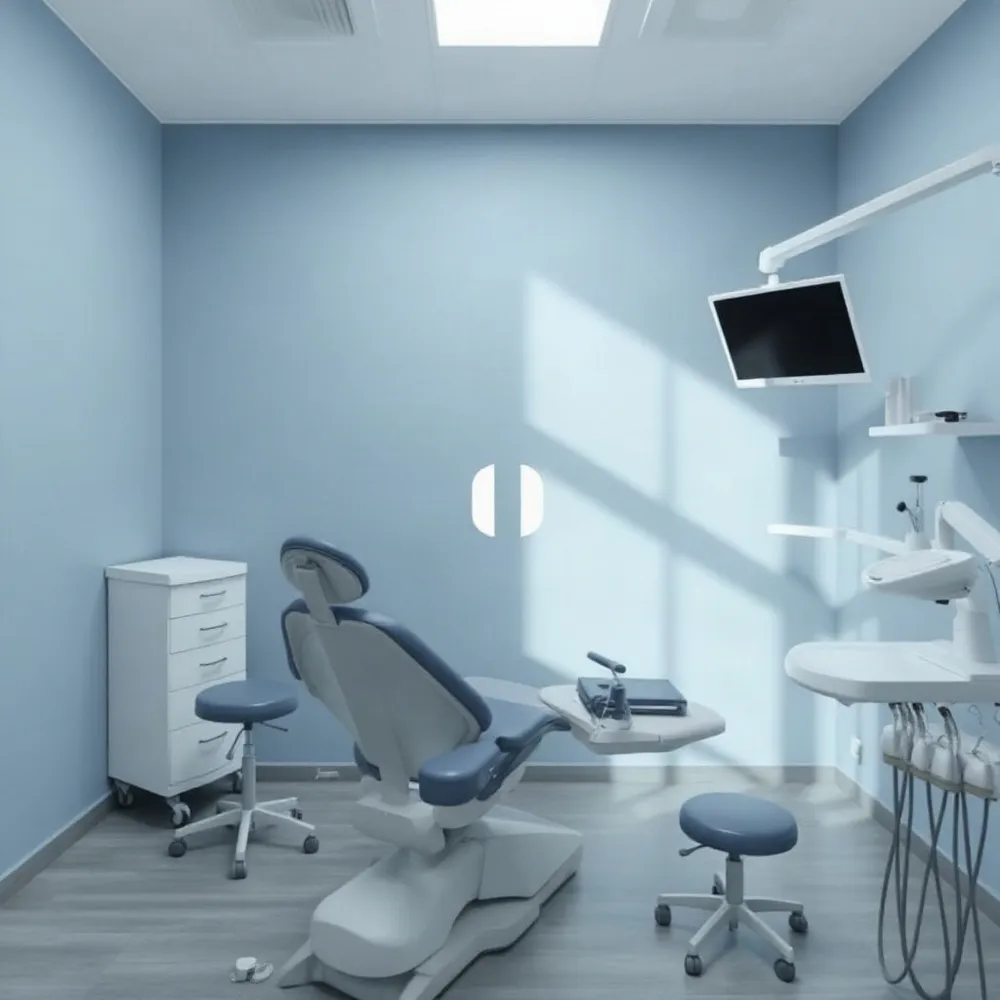 When patients know what to expect and feel listened to, the appointment can feel less uncertain. A calm conversation also gives the dental team a chance to understand what matters most to each person.
Patients can share past dental experiences, specific fears, or questions without worrying about being judged. The team can explain each treatment step in clear, specific language, then check in during the visit to make sure the patient feels comfortable continuing.
Agreeing on a hand signal for a pause gives patients a simple way to communicate when speaking is difficult. They can also ask for a break or a slower pace. The American Dental Association’s guidance on reducing anxiety during dental visits recommends discussing pauses in advance and meeting patients’ fears with kindness.
For some people, a brief introductory visit may help make the setting feel more familiar before treatment begins, if that suits their needs. At Veenstra Family Dental, a personalized, welcoming approach for patients of all ages means making space for questions and adapting communication to the person, rather than assuming everyone needs the same reassurance.
Prepare for a Calmer Appointment
A little planning can make the trip to the dentist feel less rushed. When booking, tell the team what concerns you and mention any particular sounds, sensations, or steps that worry you. This gives them a chance to discuss ways to tailor the visit. You can also prepare for a calmer appointment by writing down questions, planning your route, allowing extra time, getting enough rest, and wearing comfortable clothing.
At the appointment, ask the dental team to explain what to expect before treatment begins and to check in as they go. Agree on a hand signal, such as raising your hand, that means you need a pause. The American Dental Association’s suggestions for easing appointment stress include discussing breaks with patients in advance.
Slow, steady breathing may help you settle. Music through headphones can also be an option if the practice permits it and it does not interfere with communication. Ask your dentist which comfort measures suit your needs and planned treatment. At Veenstra Family Dental, care is provided in a family-focused practice, with modern techniques and attention to individual needs.
Can the 3-3-3 rule help with dental anxiety?
It may help some people feel more grounded, but it is a coping strategy, not a guaranteed solution. Name three things you can see, notice three things you can hear, then move three parts of your body. You might try it while waiting, or ask whether it is practical during treatment. If anxiety is severe or keeps you from getting care, tell your dentist and ask about additional support.
Adapt Care for Children and Adults
Anxiety can have different triggers, so the dental team can start by asking what concerns each patient and listening without judgment. At Veenstra Family Dental, family-focused care serves patients of different ages, allowing the team to consider individual concerns, treatment needs, and preferences rather than relying on one approach.
For children, age-appropriate explanations and an unhurried pace can make unfamiliar sights and sounds easier to manage. A caregiver’s presence may also help when the child finds it reassuring. Adults may prefer a clear explanation of what to expect, time to ask questions, and an agreed signal, such as raising a hand, to request a pause. The American Dental Association’s guidance on reducing anxiety supports discussing pauses and listening to patients’ concerns.
A welcoming setting and suitable comfort strategies can support a sense of control, but preferences differ. Some patients may value a pause signal or a distraction, while others feel calmer when the team explains each step. Veenstra Family Dental emphasizes modern, compassionate care; the team can listen to feedback and adapt its approach over time.
Patients can also share specific fears before or during an appointment. Harvard Health’s advice on dental anxiety recommends identifying concerns and discussing them with a dentist so the care team can consider suitable comfort measures.
Find More Support When Needed
Can I take medication to manage anxiety before dental treatment?
Medication may be an option, but do not take anything specifically for a dental visit without first consulting your dentist and a qualified healthcare professional. They can review your health conditions, current medications, and planned treatment, then explain whether an option is appropriate and how to use it safely. Ask about instructions for eating or drinking and whether you will need someone to accompany you or drive you home. Harvard Health describes medication as one possible approach, with choices depending on a patient’s health. You can also discuss sedation and medication options with your dental team.
What should I do if my dental anxiety is severe or keeps me from getting care?
Tell the dental team what feels difficult, even if you have postponed care for a long time. At Veenstra Family Dental, care is personalized for patients across ages, so you can ask about a gradual plan, comfort options, and whether a conversation or brief visit could be a low-pressure first step. Agree on a way to pause or signal when you need support.
If fear continues to prevent care or causes intense distress, a qualified mental health professional may help. Ask whether cognitive behavioral therapy or gradual exposure could suit you. A dental team and mental health professional can help you consider next steps without judgment.
Take One Manageable Step
A more comfortable dental visit can grow from small, thoughtful choices: a welcoming setting, respectful communication, and care shaped around your needs. No single approach suits everyone, so telling the dental team what worries you can help them discuss options that fit.
Choose one practical first step, such as calling ahead to explain a concern or asking what to expect during treatment. At Veenstra Family Dental, care for patients of all ages is grounded in a welcoming atmosphere and modern techniques. Sharing what would help you feel more at ease can start a useful conversation.