A Common Fear That Deserves Compassion
If the thought of sitting in a dental chair makes your heart race, you are in good company. A landmark study in the Journal of the American Dental Association found that 72.6% of American adults experience dental fear, with more than 1 in 5 avoiding necessary care altogether. Fear of the dentist is not weakness — it is a clinically recognized condition, one that many people live with.
The good news is that dental anxiety is treatable. With the right support, patients can move from avoidance to regular care, protecting both their oral health and overall well-being. A compassionate dental team understands this and treats every nervous patient with patience, not judgment.
At Veenstra Family Dental in Midland Park, NJ, the approach starts with listening. Whether you need gentle reassurance or a full sedation plan, the team works alongside you to build trust and comfort from your very first visit. You do not have to face your fear alone.
Understanding Dental Anxiety and Its Effects
 Dental anxiety is a physical or emotional response to a perceived threat related to dental care, often triggered by the idea of a painful injection or procedure. For some, this unease escalates into dental phobia, an irrational and overwhelming fear that meets clinical criteria for a recognized anxiety disorder. A study from the Journal of the American Dental Association found that 72.6% of American adults experience some level of dental fear, with more than 21% avoiding necessary care because of it.
What Causes Dental Anxiety and Phobia?
The causes are a mix of biological, psychological, and learned factors. On a biological level, the mouth is a sensitive and vulnerable area, so the "fight-or-flight" response can activate in the dental chair, especially when a patient feels a lack of control. Underlying conditions such as generalized anxiety disorder or PTSD also increase risk. An individual's own genetic makeup may influence their sensitivity to pain, including dental pain, as noted in research on dental anxiety.
Past negative experiences are a primary psychological driver. A traumatic dental episode, especially when it occurs in childhood, can leave a lasting impact that carries into adulthood. A person may remember a procedure that was too long, too painful, or caused damage, creating a learned fear that makes them reluctant to return. Negative portrayals in movies and television, while not a direct cause of phobia, do little to reassure worried patients and can reinforce fears for younger audiences.
The Cycle of Avoidance and Its Consequences
When fear leads to delaying or canceling appointments, a damaging cycle begins. The condition worsens, requiring more complex and expensive treatments down the line. This often forces patients into emergency care, where the urgency and lack of preparation confirm their worst fears, deepening the anxiety. According to Harvard Health, this avoidance can spiral into worsening oral health, increased pain, and even connections to broader health issues such as periodontitis in people with type 2 diabetes.
Recognizing these symptoms and understanding that anxiety is a common, treatable condition is the first step toward breaking the cycle. At Veenstra Family Dental, the team is trained to listen without judgment, offer personalized comfort measures, and tailor a management plan that helps patients feel safe and in control again.
Gentle Care and Modern Technology for Comfort
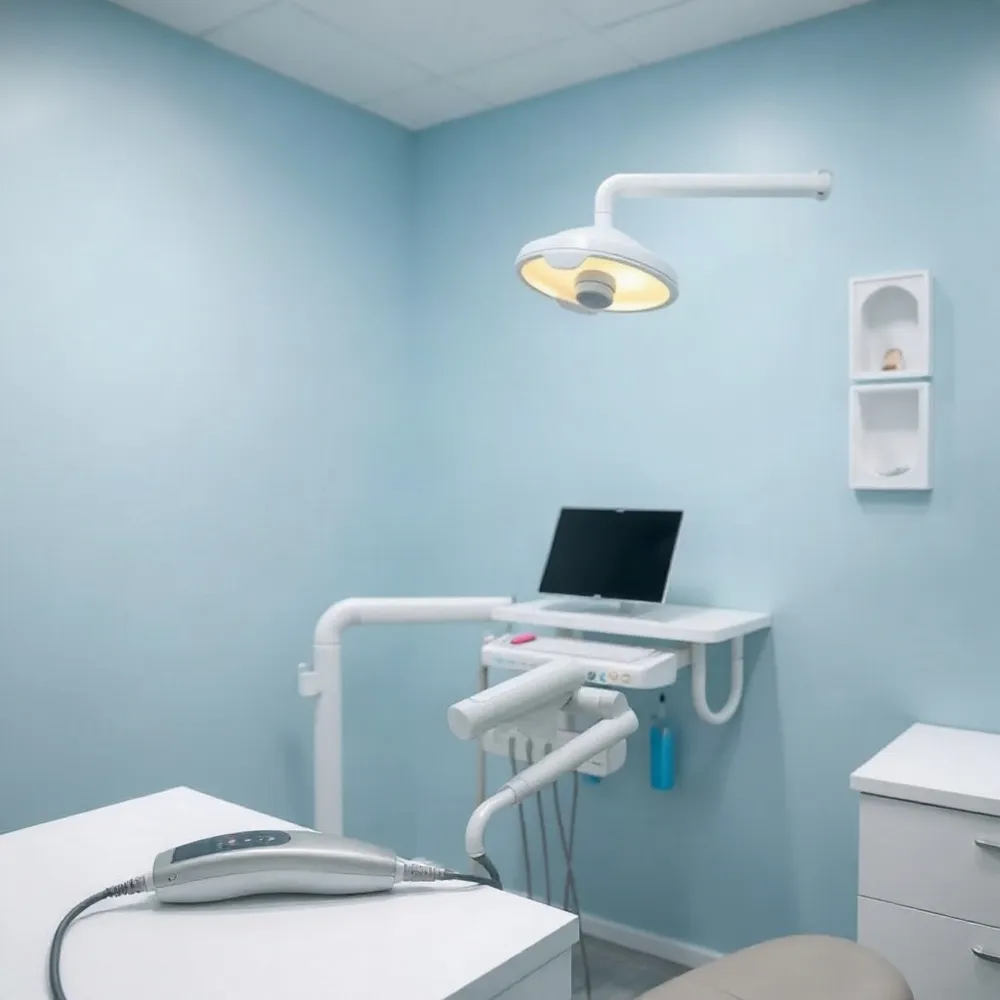 For many people, the sounds, sensations, and loss of control associated with a dental visit are the root of their anxiety. Modern practices address this by combining gentle care techniques with advanced technology to create a more comfortable experience. These approaches ensure that patients feel heard, in control, and at ease from the moment they walk in.
Established Protocols for Anxiety Reduction
A cornerstone of compassionate care is the tell-show-do technique. The dentist first tells the patient what will happen, then shows them the instrument or steps on a model, and finally does the procedure. This demystifies the process and removes the fear of the unknown. A patient-controlled hand signal (like raising a hand) gives the patient the power to pause the procedure at any time, providing a crucial sense of control.
Topical numbing gel is often applied before an injection to minimize initial discomfort. These steps, combined with a calm and reassuring environment, form the foundation of an anxiety-free visit.
Technology That Transforms the Experience
Advancements in dental equipment have dramatically reduced common patient stressors. Quiet electric handpieces have largely replaced the high-pitched whine of traditional drills, significantly reducing auditory anxiety. Digital intraoral scanning eliminates the need for messy, gag-inducing impression materials by creating a 3D model of the teeth with a small camera.
For procedures like crowns, same-day CAD/CAM technology allows the restoration to be designed and milled in the office during a single visit. This not only saves time but also eliminates the need for temporary crowns and a second appointment, reducing the overall treatment burden for anxious patients.
Sedation and Medication Options Explained
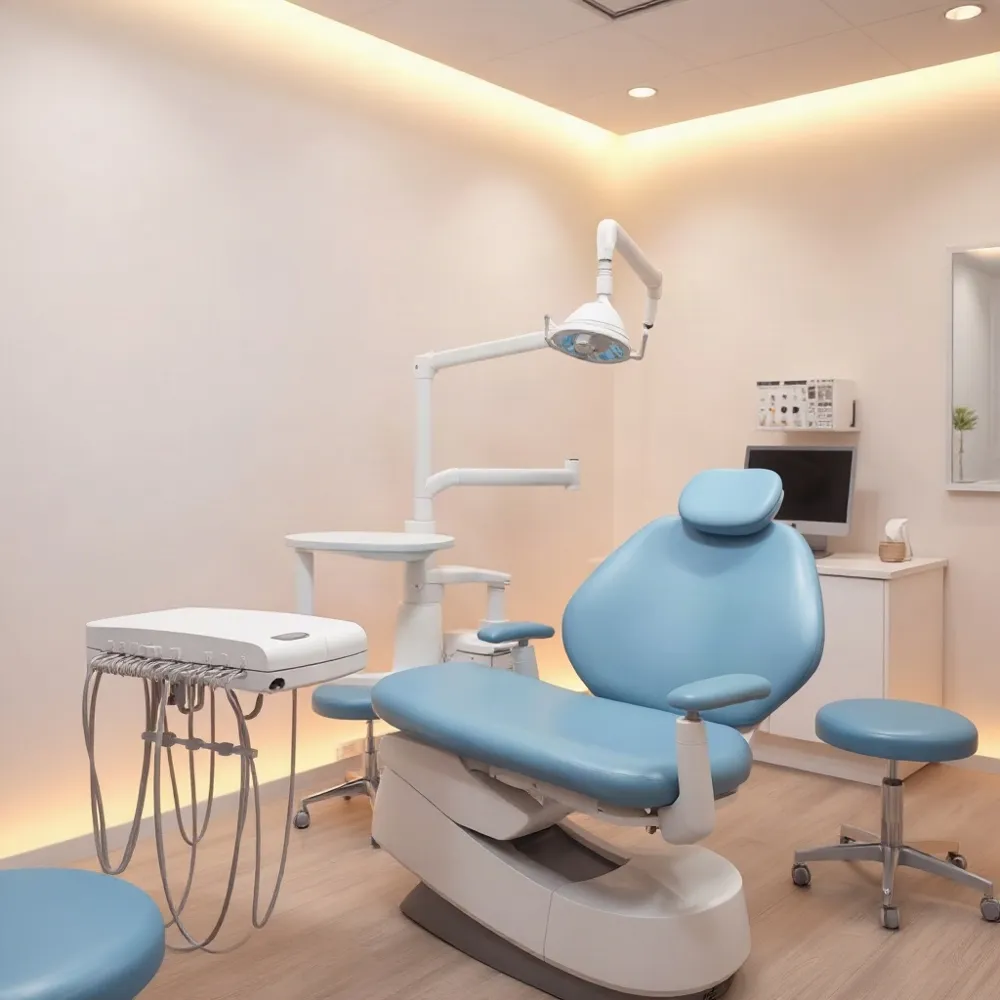 For many patients, knowing that medical options exist to manage fear can be the first step toward scheduling a needed appointment. Dental sedation and anti-anxiety medications are safe, well-established tools that allow people with moderate to severe dental anxiety to receive the care they need without distress.
Nitrous Oxide (Laughing Gas)
Nitrous oxide, often called laughing gas, is the most common form of sedation in dentistry. It is a sweet-smelling gas mixed with oxygen that helps patients relax while they remain completely conscious. According to Better Health Victoria, the gas takes effect within a few minutes and wears off quickly once the mask is removed, allowing patients to talk to their dentist and drive themselves home after the procedure. It leaves no memory loss or lingering drowsiness, making it an ideal first-line option for many anxious patients.
Oral Conscious Sedation
Oral conscious sedation involves taking a prescribed pill, such as temazepam or diazepam (Valium), about an hour before the dental visit. A 2024 Harvard Health article notes that these benzodiazepines produce a deeper state of relaxation than nitrous oxide. Because the effects last longer and cause drowsiness, patients must arrange for a chaperone to drive them home. Dental teams review the patient's full medical history before prescribing to ensure safety.
Getting More Done in One Visit
A practical benefit of sedation is that patients remain relaxed for longer periods, allowing the dentist to complete multiple treatments in a single appointment. For a person who has been avoiding care for years, this can mean addressing several problems at once and reducing the total number of visits needed to restore their oral health. At Veenstra Family Dental, we discuss all available sedation and medication options during your initial consultation to match the right level of support to your specific needs.
The Veenstra Family Dental Difference
 A family dentist treats patients of all ages, from young children to seniors, while a general dentist typically focuses on patients with permanent teeth. This distinction matters: a family practice can care for everyone in a household, building long-term relationships and trust under one roof.
Veenstra Family Dental brings this philosophy to life in Midland Park, NJ. The practice is home to Dr. Eric Veenstra (practicing since 2007), Dr. Noah Ruitenberg, and Dr. Rachel Hudspeth, who together provide comprehensive care for toddlers, teens, adults, and seniors. Their state-of-the-art 1,900-square-foot office, opened in December 2016, features six operatories with A-dec 511 chairs and electric handpieces, an open-concept sterilization area visible to patients, and a dedicated Kids' Corner.
Patient feedback reflects this commitment. On Healthgrades, Dr. Eric Veenstra holds a 5.0-star rating from 255 reviews, with 100% of patients agreeing that he explains conditions well, listens to concerns, and provides a friendly, unhurried environment. Routine comments note the low wait times and easy scheduling. For anxious patients, knowing that the team communicates clearly and treats every visit with patience can make all the difference.
Your First Step: A Guide for Nervous Patients
 If the thought of a dental exam has kept you away for months or years, know that you are not alone. A significant portion of adults experience some level of dental fear, and taking the first step back into care is a courageous act of self-care. The most effective way to start is by sharing your concerns with the dental team before anything else happens.
When you call to book your appointment, mention your anxiety. Many practices are accustomed to this and will help you make choices that reduce stress before you arrive. Scheduling in the morning is a well-recommended strategy; it reduces the time you spend thinking about the appointment and often means shorter wait times, as the schedule is less likely to have accumulated delays. At Veenstra Family Dental, we can arrange a morning slot to limit the time between waking and your visit.
Bringing a trusted friend or family member to the appointment can provide significant emotional support. They can sit with you in the waiting room and offer a hand to hold during treatment. Research on managing dental fear consistently suggests that the presence of a support person who does not share your anxiety helps patients feel safer and more in control.
During the visit, you have tools available to maintain control. A stop signal, such as raising your left hand, is a non-verbal way to tell the dentist to pause immediately. If the chair's horizontal position feels intimidating, ask for a more upright placement. Your dentist will also use local anesthesia (preceded by a numbing gel) to ensure the injection and procedure are as comfortable as possible, as outlined in clinical guides for managing dental pain.
These steps are not just about getting through a single visit. Regular check-ups are essential for catching problems early, which means simpler, less invasive treatments. Avoiding care can create a cycle where small issues become emergencies. Addressing your anxiety now allows you to maintain better health and avoid the more complex procedures that often follow long gaps in care.
Embrace a Fear-Free Future with Veenstra Family Dental
Acknowledging dental anxiety is the first step, but finding a team that responds with compassion is what makes lasting change possible. By combining gentle communication with modern technology and flexible sedation options, dental care no longer has to be a source of dread.
At Veenstra Family Dental, every patient is treated as an individual with unique concerns. From the first phone call to the final check-up, the team focuses on creating a calm, supportive atmosphere where you feel heard and in control.
The fear that has kept you away is understood, and there is a clear path forward. Take the next step by scheduling a consultation with the team and discovering how personalized, anxiety-free care can restore both your smile and your peace of mind.