Introduction to Sedation Dentistry and Patient Comfort
What Is Sedation Dentistry?
Sedation dentistry uses medications to help patients relax during dental procedures. It is designed to reduce stress, fear, and physical discomfort, making dental care accessible and comfortable for everyone, including those with dental anxiety or sensitive gag reflexes.
Enhancing Patient Comfort
By calming the mind and reducing pain perception, sedation dentistry greatly improves patient comfort. Patients often remain awake but relaxed, and many experience little to no memory of the procedure, which helps reduce future anxiety.
Common Sedation Methods
- Nitrous Oxide (Laughing Gas): Quick-acting, mild sedation with rapid recovery.
- Oral Sedation: Pill form; induces relaxation and drowsiness.
- IV Sedation: Deep sedation, often used for complex procedures, where patients may sleep through the treatment.
Managing Dental Anxiety
Dental anxiety is common and can prevent individuals from seeking care. Sedation techniques provide a safe, effective way to overcome this fear, allowing for efficient treatment in a calm, supportive environment.
Types of Sedation Dentistry and Their Role in Comfort Enhancement

What Different Sedation Options Are Available in Dentistry?
[Sedation dentistry] includes several options designed to improve patient comfort during dental treatments. The most common types are:
- [Nitrous Oxide] (laughing gas): Inhaled through a mask, it acts quickly to reduce anxiety with minimal sedation. Patients remain conscious and recover rapidly, often able to drive after treatment.
- [Oral Sedation]: Involves taking a prescribed pill about an hour before the procedure, inducing relaxation and drowsiness. Patients stay conscious but may feel very sleepy, and post-treatment driving is not advised.
- [Intravenous (IV) Sedation]: Delivers sedatives directly into the bloodstream for a deeper, controlled level of sedation. Patients often experience little memory of the procedure and may fall asleep during it.
- [General Anesthesia]: Used for complex or lengthy procedures or for patients with severe anxiety or special needs, leading to complete unconsciousness under professional monitoring.
How Do Sedation Levels Affect Patient Awareness and Comfort?
Each sedation type varies in the depth of consciousness:
- [Nitrous oxide] provides mild sedation, keeping patients awake but relaxed.
- [Oral sedation] creates moderate sedation, where patients are conscious but calm and may doze off.
- [IV sedation] induces deep sedation, often leading to partial or full sleep and amnesia of the procedure.
- [General anesthesia] results in total unconsciousness.
This graded approach allows dental professionals to tailor sedation to individual patient needs.
Which Sedation Option Is Best Based on Anxiety and Procedure Complexity?
Patient anxiety and the dental procedure's demands guide sedation choice:
- Mild anxiety or minor treatments benefit from [nitrous oxide's] quick calming effects and fast recovery.
- Moderate anxiety or longer procedures often require [oral sedation] for deeper relaxation.
- Severe anxiety, complex or lengthy dental work, and cases needing patient immobility are suited to [IV sedation].
- [General anesthesia] is reserved for highly invasive procedures or when other sedations are insufficient.
What Safety Measures Are Essential Before Administering Sedation?
Safety is paramount in [sedation dentistry]. Before sedation, thorough medical evaluation is conducted, including:
- Reviewing medical history and current medications to avoid contraindications, especially [medications to avoid before sedation].
- Advising patients to follow [pre-sedation fasting guidelines] by avoiding eating or drinking for six hours prior to oral or IV sedation.
- Identifying any potential drug interactions, especially with NSAIDs or anticoagulants.
- Arranging transportation, as patients should not drive for at least 24 hours after sedation.
- Monitoring vital signs throughout the procedure by trained professionals.
These protocols ensure sedation is administered safely, enhancing comfort without compromising patient health.
Sedation Dentistry for Managing Dental Anxiety and Special Needs Patients
How Does Sedation Alleviate Anxiety and Dental Phobia?
Sedation dentistry offers a calming solution for patients experiencing Dental anxiety relief or phobia by slowing brain activity and reducing both stress and pain perception. Techniques like Nitrous oxide sedation, Oral conscious sedation, and IV sedation explained keep patients relaxed and sometimes partially asleep, allowing them to remain comfortable throughout dental procedures. This approach helps many patients who would otherwise avoid dental care due to fear.
What Are the Benefits for Patients with Sensitive Gag Reflex or Low Pain Tolerance?
Sedation dentistry is especially helpful for patients with a sensitive gag reflex or low pain tolerance. By minimizing discomfort and anxiety, sedation reduces Managing gag reflex during dental work and allows dental professionals to perform treatments more effectively. Patients often report less sensitivity to pain during and after procedures, which supports a smoother and more tolerable dental experience.
How Does Sedation Improve Cooperation in Patients with Special Needs or Severe Anxiety?
For individuals with special needs or those suffering from severe Managing dental anxiety, Sedation dentistry benefits enable easier cooperation and relaxation. The calming effects help reduce involuntary movements or stress responses, making complex treatments safer and more efficient. This personalized sedation approach ensures patients feel secure and supported, facilitating successful dental care even for those who traditionally find visits challenging.
What Is the Impact on Reducing Multiple Appointments and Procedure Duration?
Sedation allows many procedures to be combined into a single visit by keeping patients calm and still for longer periods. This reduces the need for multiple dental appointments, saving time and decreasing overall treatment-related stress. By enhancing both Focus On Patient Comfort and clinician efficiency, sedation dentistry benefits streamline care plans, especially for extensive or complex dental work.
How Does Compassionate Dental Care Enhance Patient Experience?
Compassionate dental care profoundly improves the Increasing Patient Comfort in Dentistry. Through open, empathetic communication and patient education, dental teams build trust and ease fears. Creating a welcoming environment with calming elements like soft music, pleasant scents, and comfortable dental experience helps patients relax. Employing modern technology and minimally invasive techniques further reduces discomfort. Amenities such as anxiety-reducing distractions contribute to a more pleasant visit. This patient-centered care practices approach encourages regular dental care and fosters lasting positive relationships between patients and providers.
Pre-Procedure Preparation and Post-Sedation Care to Maximize Comfort and Safety

Importance of Medical History Review and Medication Management
A thorough review of your medical history is vital before sedation dentistry. This helps dental professionals identify any conditions or medications that could affect sedation safety. Certain drugs, especially NSAIDs and anticoagulants, may need to be avoided. Sharing complete health information enables personalized sedation tailored to your needs, ensuring both comfort and safety throughout your dental procedure. Learn more about medications to avoid before sedation.
Pre-Procedure Instructions Including Fasting and Medication Avoidance
To prepare for sedation, patients are usually advised not to eat or drink for at least six hours before the appointment. This fasting helps reduce risks such as nausea during the procedure. Also, patients may need to stop specific medications temporarily; your dentist will provide clear guidance on which drugs to avoid. Review pre-sedation fasting guidelines and pre-procedure instructions for sedation dentistry for detailed recommendations.
Need for Arranging Transportation After Sedation
After receiving sedation—particularly oral or IV sedation—patients should arrange for a trusted person to drive them home. Due to lingering effects, driving or operating heavy machinery within 24 hours is unsafe. Nitrous oxide is an exception, as its effects wear off quickly, allowing patients to resume normal activities sooner. Understand recovery times after sedation and the effects of nitrous oxide.
Post-Sedation Care Tips Such as Hydration, Avoiding Alcohol, and Resting
Following your dental procedure, staying hydrated is important to aid recovery. Avoid alcohol and strenuous activities for at least 24 hours to prevent interactions and prolong sedation effects. Adhering to prescribed pain management instructions supports comfort during the healing phase. Resting helps your body recover from sedation and dental treatment. For guidance, see post-sedation care instructions and post-operative care in sedation dentistry.
Recovery Times for Different Sedation Methods
Recovery varies by sedation type. Nitrous oxide effects typically wear off within 15 to 30 minutes, allowing patients to regain full alertness quickly. Oral sedation and IV sedation involve deeper relaxation, with sedation effects potentially lasting up to 24 hours. Understanding recovery timelines helps patients plan post-treatment care and activities accordingly. Explore more about recovery times after sedation and IV sedation advantages.
If you want to learn more about how sedation dentistry preparation and aftercare contribute to a smoother experience, consultation for sedation dentistry will provide personalized guidance tailored to your health and procedure needs.
Complementary Comfort Measures in Modern Dental Practices
Creating Calming Environments and Reducing Sensory Stressors
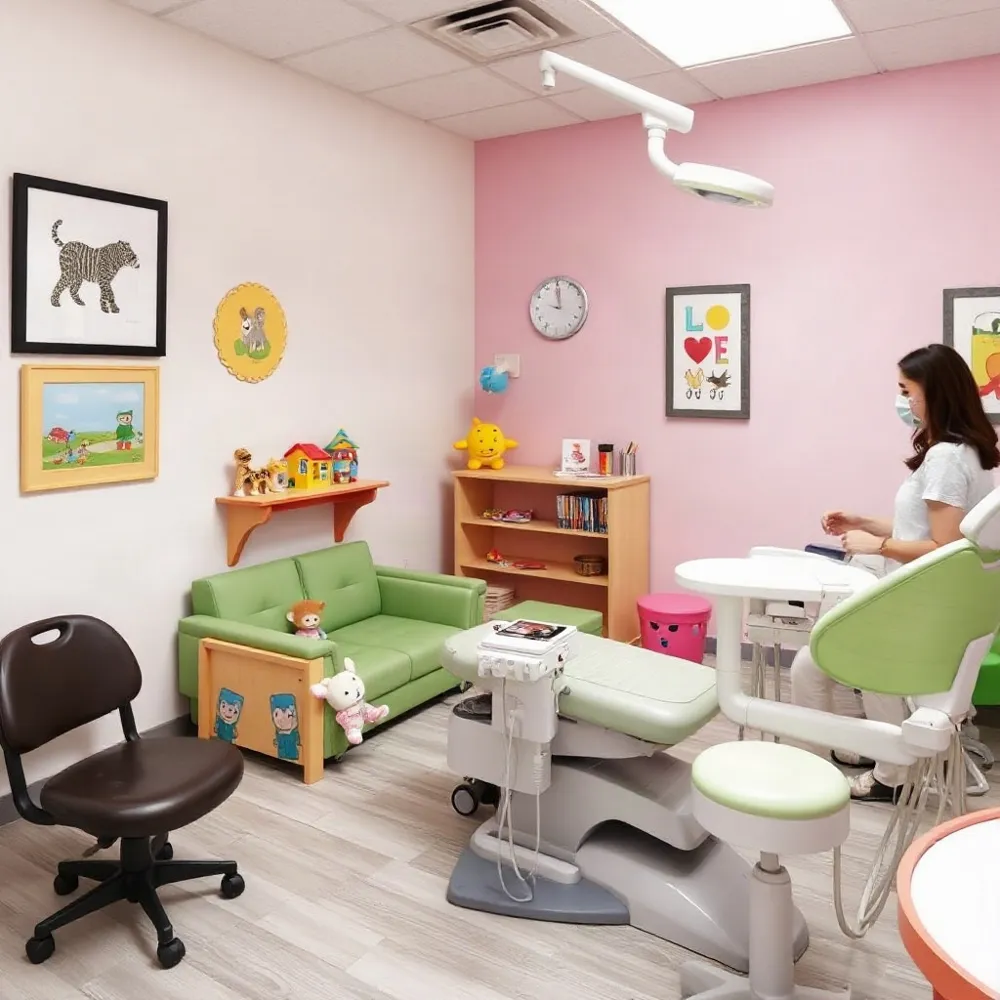
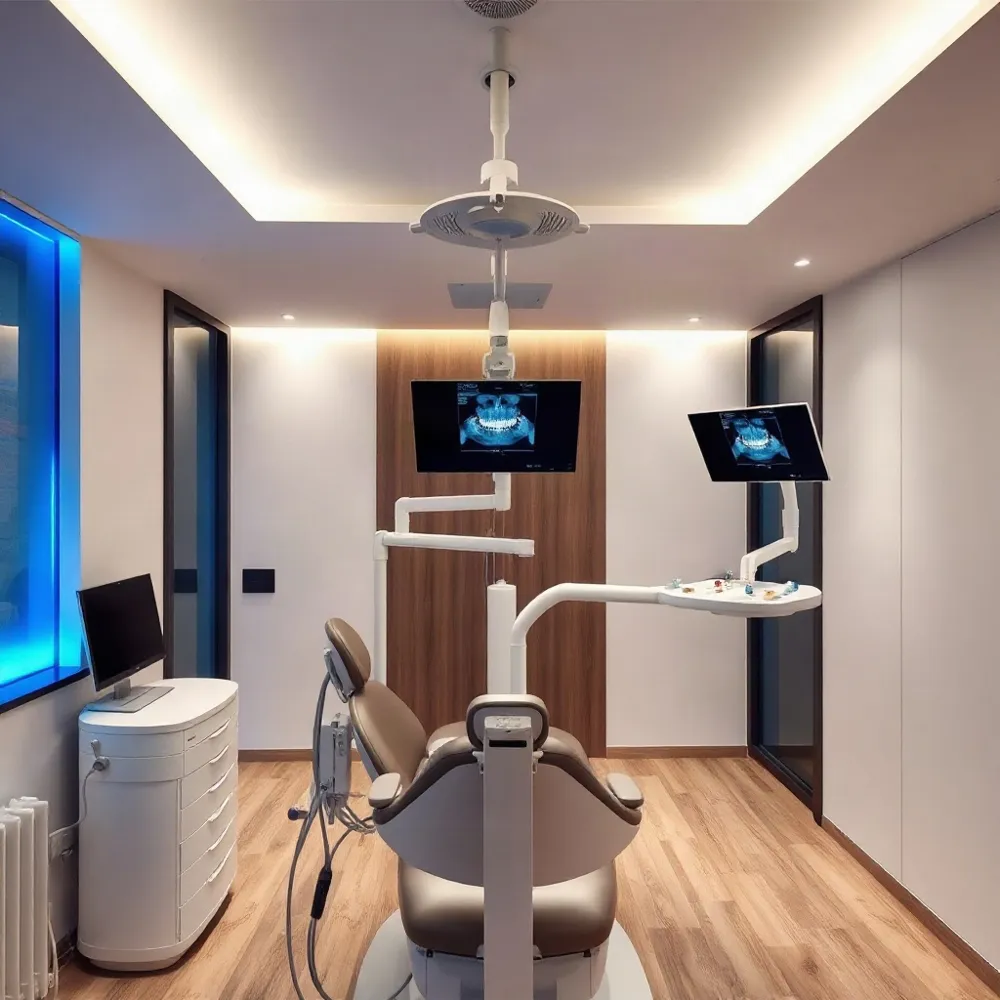
Modern dental practices emphasize creating a calm and welcoming atmosphere to reduce patient anxiety. This often includes soothing color schemes in dentistry, ambient lighting in dentistry, comfortable waiting areas, and relaxing background music for patient comfort. Such environments help patients feel more at ease even before treatment begins. Additionally, discreet delivery systems in dentistry hide intimidating dental tools, reducing visual stress.
Use of Ergonomic Dental Chairs and Accessories
Patient comfort during procedures is enhanced by ergonomic dental chairs and accessories designed with lumbar support, plush cushioning, and adjustable headrests. Accessories like knee pillows promote better circulation and reduce pressure during longer treatments, accommodating a variety of patient needs and physical conditions, including arthritis or back pain.
Application of Topical Anesthetics to Reduce Discomfort
Topical anesthetics, such as strawberry-flavored gels with quick onset, are applied to sensitive areas to minimize discomfort before injections or cleanings. These easy-to-use gels also help reduce patient apprehension, allowing smoother procedures and improving overall experience.
Communication and Patient Education to Reduce Anxiety
Clear, empathetic communication plays a crucial role in alleviating fears. Explaining procedures in simple terms, answering questions thoroughly, and building trust help patients feel more confident. Effective communication with dental patients and transparency in dental procedures empower patients and reduce uncertainty.
Innovative Relaxation Techniques Integrated into Dental Care
Dental teams now incorporate progressive relaxation techniques in dental care like guided breathing exercises, mindfulness meditation, and stress-management strategies. These techniques complement sedation dentistry for patient comfort and environmental adjustments to promote complete relaxation during appointments.
What role does preventive dental care play in long-term oral health?
Preventive dental care is essential for sustaining oral health over time. By enabling early detection of issues such as cavities, gum disease, or oral cancers, it prevents progression to more serious conditions. Regular professional cleanings, exams, fluoride treatments, and sealants, paired with good home care habits and healthy lifestyle choices, maintain strong teeth and gums. Insurance often supports preventive services fully, encouraging continued care. Ultimately, prevention not only protects smiles but also contributes to importance of oral health care and overall health and well-being.
How Sedation Dentistry Advances Comprehensive Family Dental Care
Integration of sedation with family-focused dental treatments
Family-focused dental practices provide care tailored to all ages, promoting comfort and continuity of treatment within a familiar setting. Incorporating Sedation Dentistry into these practices helps reduce anxiety and discomfort for patients, from children to seniors. Sedation techniques such as nitrous oxide, oral sedation, or IV sedation enable patients to undergo various dental procedures calmly, allowing family members to receive care tailored to their needs in one trusted location.
Benefits of sedation for complex procedures such as implants, root canals, and restorative work
Complex dental treatments like implants, root canals, and major restorative work often require longer appointments and can provoke anxiety or physical discomfort. Sedation dentistry effectively minimizes this stress and pain perception, allowing patients to remain relaxed and still during treatment. This approach not only improves patient comfort but also helps dentists perform procedures with greater efficiency and precision, benefiting patients who face more invasive or prolonged dental work.
Streamlining multiple treatments in one visit to improve patient convenience
Sedation dentistry allows multiple dental procedures to be completed in a single visit by enhancing patient tolerance for longer appointments. This reduces the number of visits required, saving time and easing scheduling for busy families. By alleviating anxiety and physical discomfort, sedation supports comprehensive care delivery in fewer sessions, improving overall dental care accessibility and adherence.
Supporting sustained oral health through less anxious and more accessible dental care
Many individuals avoid necessary dental visits due to fear or past negative experiences. Sedation dentistry breaks this barrier, especially within a family practice setting, by facilitating painless and stress-free visits. This encourages regular checkups and timely treatment, which are critical to preventing progression of dental diseases. Reliable sedation options tailored to patient comfort promote ongoing engagement with dental care, leading to better long-term oral health outcomes for the whole family.
Importance of personalized sedation plans for safety and comfort
Personalizing sedation plans is essential to ensure safety and maximize comfort. Dentists assess medical history, anxiety levels, and the nature of the procedure to select appropriate sedation methods. Pre-treatment consultation includes reviewing medications to avoid before sedation, pre-sedation fasting guidelines, and arranging transportation if needed. Such individualized planning ensures that patients receive sedation suitable for their health and treatment, maintaining safety standards while enhancing the dental experience.
What are the benefits of choosing a family-focused dental practice for all dental needs?
Choosing a family-focused dental practice offers numerous advantages, including the convenience of scheduling appointments for all family members at the same time and the ease of receiving a wide range of dental services under one roof. It fosters a trusting relationship with the same provider over time, which can ease dental anxiety and lead to better oral health outcomes. Such practices emphasize preventive care and early detection of dental issues like cavities, misalignment, and gum disease, reducing long-term healthcare costs. They also play a key role in educating patients of all ages about proper oral hygiene, diet, and overall oral health, promoting lifelong healthy habits. Overall, a family dental practice ensures comprehensive, personalized, and consistent care that adapts to each family member’s changing needs at every stage of life.
Conclusion: Prioritizing Comfort and Care Through Sedation Dentistry
Sedation dentistry plays an essential role in making dental visits more comfortable and less stressful for many patients. By easing anxiety, reducing pain perception, and allowing multiple treatments in one session, it transforms dental care into a more accessible and manageable experience.
Discussing sedation options openly with your dental provider is important. Tailored approaches—from nitrous oxide to IV sedation—can meet your individual needs and ensure safety throughout the procedure. This conversation helps build trust and ensures a personalized treatment plan.
When sedation is combined with compassionate care, clear communication, and modern dental technology, it significantly enhances patient comfort. These elements work together to create a calm, supportive environment that fosters relaxation and cooperation.
Ultimately, sedation dentistry not only improves immediate comfort but also encourages regular dental visits. Sustained oral health and overall well-being benefit tremendously when patients can receive the care they need without fear or discomfort.