
Learning Beyond Dental School
Dental school provides a foundation, but learning continues as research, materials, and clinical methods develop. Continuing education gives dental professionals opportunities to refine existing skills and consider advances in dental and medical science. Temple University’s Kornberg School of Dentistry describes these aims as part of its continuing education programs.
For patients, ongoing learning matters when it informs thoughtful conversations about care. Veenstra Family Dental describes its approach as modern and compassionate, with attention to patients of all ages. That focus does not mean every new technique suits every person; recommendations should reflect an individual’s needs, health history, and preferences.
Professional education requirements also vary by license and state. New Jersey dentists, hygienists, and dental assistants have different continuing-education requirements, so clinicians must check the rules that apply to their roles and renewal periods. Patients can ask why a treatment is recommended, what alternatives may be appropriate, and how a plan supports their oral health.
How Continuing Education Can Benefit Care
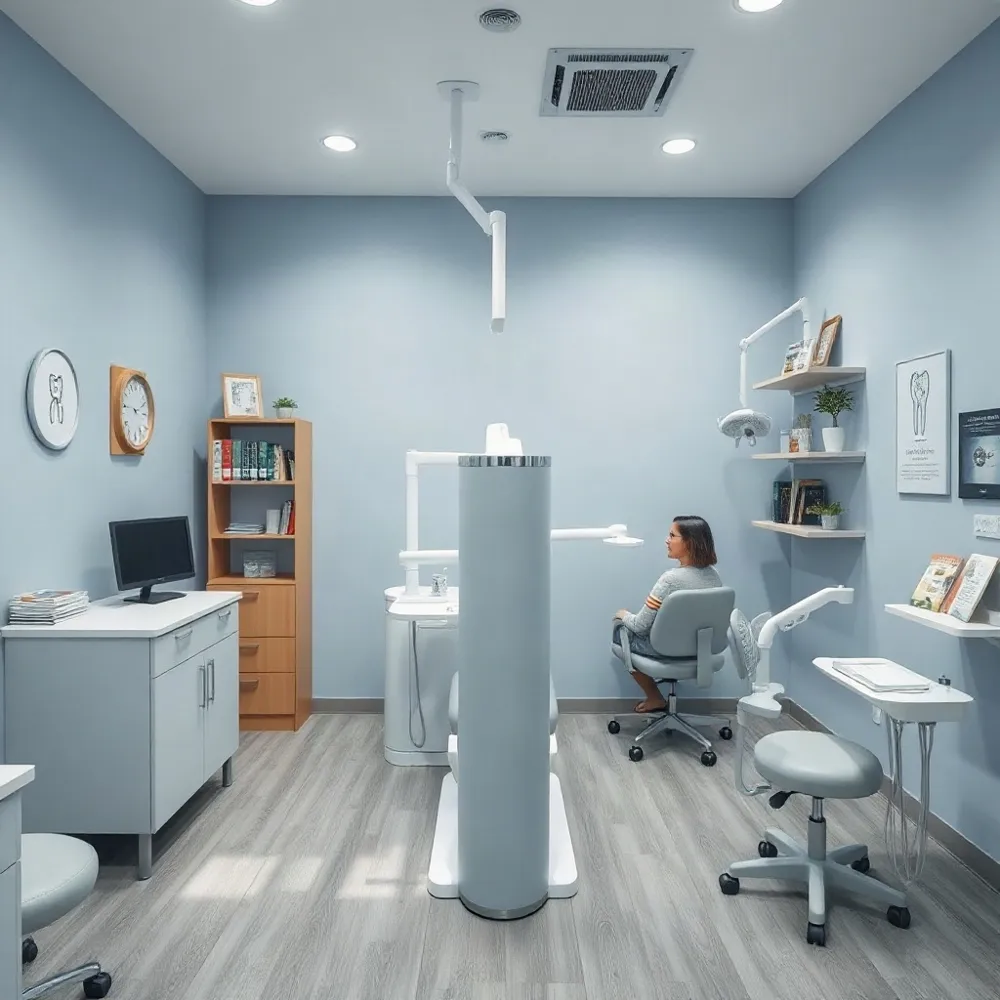 Dental research, techniques, technology, and patient needs change over time. Continuing education gives dentists a way to build on their foundational training, refresh clinical skills, and consider how new knowledge may apply in practice. Temple University’s Kornberg School of Dentistry describes continuing education as a way to refine skills and learn about advances in dental and medical science.
Training may help clinicians understand modern tools and updated approaches, then weigh the available evidence when making care decisions. The goal is not to use every new technique with every patient. Rather, current knowledge can help a dentist explain suitable options and tailor recommendations to a person’s health, preferences, and circumstances.
Courses may also strengthen skills in restorative care, diagnosis, and treatment planning. Practice-focused learning can help clinicians think through procedures and workflows, while discussion with colleagues can offer fresh perspectives. These are potential benefits of continuing education generally, not verified outcomes or claims about specific training at Veenstra Family Dental.
At Veenstra Family Dental, care is described as personalized and supported by modern technology for patients across ages. Those practice features do not establish which courses individual clinicians have completed. Patients interested in a provider’s training can ask about experience relevant to their needs. For more on how ongoing learning supports dental teams, see how dental professionals keep learning.
Continuing education can also support professional development and help clinicians stay aware of applicable practice requirements. Its value lies in applying relevant learning thoughtfully, with each patient’s needs guiding care.
New Jersey Renewal Requirements
 New Jersey sets continuing-education rules by license type and renewal period. Dentists with active licenses must certify 40 hours for each two-year period, including 10 hours in mandated subjects, according to the Rutgers School of Dental Medicine guidance.
For dentists, the required topics cover practical CPR, pharmacology and internal medicine, infection prevention and control, professional ethics and New Jersey dental law, and prescription opioid drugs. The hours are not interchangeable: the rules assign specific amounts to each subject, so licensees should check that a course meets the requirement before enrolling.
Requirements also vary across the dental team. Rutgers lists 20 hours every two years for hygienists and 10 for registered dental assistants, with mandated topics and amounts that differ from the dentist requirements. The New Jersey license-renewal guidance can help frame why course planning matters, but licensees should verify the rules for their own role and renewal cycle with the state Board.
Course eligibility and format matter as well as the total hours. Some distance-learning courses count toward a limited share of the requirement, while hands-on CPR must meet the applicable practical-training standard. Licensees are responsible for keeping evidence of course completion and should retain it in case the Board requests documentation.
These state requirements describe professional licensing, not the training history of any particular dental office. At Veenstra Family Dental in Midland Park, patients can ask their care team about relevant experience or treatment options; this section does not claim that staff have completed specific courses or hold particular credentials.
Credits, Records, and License Renewal
 Patients often ask how their dental team stays current with the latest techniques and standards of care. The answer lies in continuing education (CE), which ensures every professional is up-to-date on modern, personalized dentistry. The validity of CE credits varies by state, reflecting the specific requirements for license renewal and the commitment to high-quality, local care.
For example, Texas dentists typically renew their licenses every two years, while in Illinois the cycle is three years. Because requirements can evolve, dental professionals always verify the current rules with their state board. This diligence ensures that their learning is directly applicable to the care they provide to patients of all ages.
This means that courses taken outside the required window might not apply to the current renewal period. To help professionals stay focused on recent advancements, some states allow a limited carry-forward of credits. New Jersey, for instance, lets dentists carry up to seven extra credits into the next cycle. This system supports continuous learning and ensures that the techniques used in your care are current and effective. Rutgers School of Dental Medicine’s New Jersey renewal guidance provides more details on these requirements.
Dental professionals maintain careful records of their coursework, including certificates and test documentation, to demonstrate their commitment to ongoing education. For example, New Jersey requires dentists to retain these records for two full renewal cycles. This careful recordkeeping is a hallmark of a professional, well-organized practice that prioritizes quality and accountability.
For patients, this commitment to continuing education means their dental team is constantly learning about the latest techniques and technologies to provide personalized, professional care for every age group. At Veenstra Family Dental, staying current with CE is a core part of our welcoming, modern practice. We encourage patients to ask their dental team about the specific training and advancements that shape their care, reinforcing the trust and transparency that define a great dental home.
When Required Credits Are Missing
What can happen if a dentist does not complete required continuing education credits? The answer depends on the state, license type, and rules in force. In New Jersey, dentists are responsible for keeping records of completed education and providing evidence if the Board requests it. Rutgers’ New Jersey dental renewal guidance summarizes those requirements.
If required hours are missing, a dentist may have difficulty renewing an active license and may be unable to practice until eligible. An audit can also reveal a shortfall when course records are incomplete or a course does not meet the Board’s criteria. Licensing boards may impose further consequences under their own rules, so no single penalty applies to every dentist or situation.
Dental professionals should confirm current requirements with the relevant licensing board and keep certificates, course details, and hour totals organized. Patients who have questions about how a dental team keeps its knowledge current can also read about how our dental team stays up to date.
What Patients Mean by Two Years
The phrase “two-year rule” does not describe one universal dental requirement. It may refer to an office’s process for patients returning after a long gap, or to a dental insurance plan’s coverage limits. It is separate from the continuing-education rules that apply to dental professionals.
After a lengthy gap, a dental office may ask you to update your medical history and complete an exam. The dentist may also recommend X-rays if they are needed to assess your current oral health. Insurance plans set their own frequency limits, which can affect whether a service, such as treatment on the same tooth, is covered again within a particular period. These policies vary, so the phrase alone does not tell you what your plan covers.
If it has been about two years since your last visit, you can arrange an appointment without worry. At Veenstra Family Dental, care is tailored to each patient, so the dentist can assess your needs and discuss an appropriate plan rather than assume the same treatment is right for everyone.
Before your visit, ask your dental office whether it has a policy for returning patients and check with your insurer about coverage limits for the services you may need. The two-year rule can mean different things, so confirming both policies is the clearest way to know what to expect.
Ask About Your Care
Continuing education can help dental professionals build on their training and bring current knowledge into practice, as described by Temple University’s Kornberg School of Dentistry.
At Veenstra Family Dental, patients of all ages can ask questions about a recommended treatment, share relevant dental history, and discuss insurance coverage with the team. Open conversation helps the team understand individual needs and explain care options clearly.
If something is unclear, ask before treatment begins. Understanding the reasons for a recommendation and what to expect can help you make informed decisions about your oral health.