A Profession That Keeps Learning
Dentistry changes as research, techniques, and technology develop. Continuing education helps dental professionals assess new information and keep their knowledge current. The American Dental Association’s continuing education programs include online courses, live webinars, and hands-on workshops, giving learners different ways to study.
For patients, ongoing learning matters because care is personal. New evidence or tools may help a dental team consider options that fit someone’s needs, comfort, and health history. Technology can inform those decisions, but it does not replace a dentist’s clinical judgment or a conversation about what is appropriate.
A 2023 editorial on technology in dental care describes how developments such as digital imaging and intraoral scanning may affect diagnosis and patient experience, while emphasizing the need for professionals to stay informed (research editorial). These are general observations, not proof that a particular practice uses every tool discussed.
Veenstra Family Dental describes its approach as modern, compassionate care for patients of all ages. The available information does not specify which courses, training programs, or equipment its team uses, so patients should ask the practice about particular technologies or professional learning when those details matter to their care.
Ways Dental Professionals Keep Learning
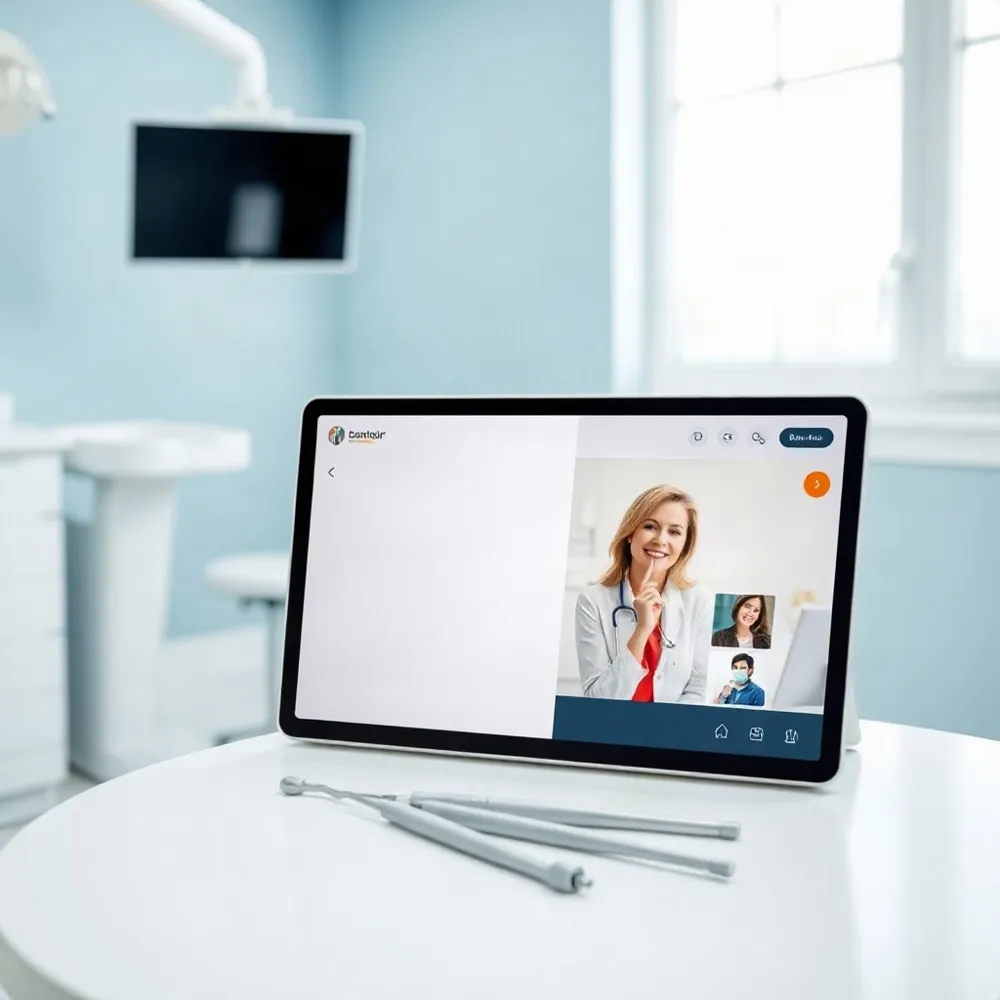 Dental teams can stay current through continuing education that fits different schedules and learning preferences. The American Dental Association (ADA) offers on-demand online courses, live webinars, and in-person workshops and seminars, giving professionals a choice between flexible study and real-time instruction.
Self-paced courses can be useful when work and family schedules make fixed class times difficult. Webinars let participants learn remotely and hear instruction live, while workshops and seminars offer hands-on practice that can help build practical skills. The ADA describes these formats as part of its continuing education offerings.
Course subjects extend beyond clinical techniques to practice operations and emerging issues. The ADA catalog includes topics such as 3-D printing workflows, sedation complications, and sensory-sensitive dentistry. Learning about new approaches can help professionals assess their relevance, but each treatment decision still depends on a patient's needs and the clinician's judgment.
Learning can also involve the whole office, not only clinicians. ADA resources include a Patient Service Coordinator Program for onboarding and developing administrative staff, along with training opportunities intended for broader dental teams. Its team education and practice resources also address areas such as communication and coordination.
These programs are examples of resources available to dental professionals, not evidence that a particular practice or staff member has completed them. At Veenstra Family Dental, ongoing education is part of the practice's stated commitment to keeping its team current, while its family-focused care serves patients across ages.
Learning Supports Thoughtful Patient Care
 Ongoing education can help dental professionals keep current with research and techniques, then consider how that knowledge may inform diagnosis and treatment planning. A 2023 editorial describes how technology education and hands-on experience can help prepare dental professionals to assess new approaches in care (research on technology in dental care). Learning matters most when clinicians weigh evidence alongside a patient’s health, goals, and circumstances.
Patient needs are not identical. A child may need explanations suited to their age, while an adult may have different comfort concerns or treatment priorities. Professional development can address these conversations as well as clinical subjects. The American Dental Association’s continuing education includes topics such as sensory-sensitive dentistry, offering a way for dental professionals to study patient-care considerations alongside clinical knowledge (ADA continuing education).
Learning about communication and infection prevention can also help a practice team share information and coordinate its work. The ADA provides resources on keeping office teams informed, staff education, and OSHA training. These materials are general resources, not evidence that a particular practice or team has completed specific training.
For a family-focused practice such as Veenstra Family Dental in Midland Park, NJ, welcoming care means considering each person’s needs across ages and listening to their questions. Education can support informed, individualized care, but it does not guarantee a particular result. The supplied information does not verify specific training or procedures at Veenstra Family Dental, so patients can ask their dental team how recommendations fit their needs.
Technology Requires Informed Choices
 Dental technology continues to develop, but a new device is not automatically the right choice for every practice or patient. The team at Veenstra Family Dental focuses on modern, personalized care, with recommendations shaped by each patient’s needs rather than novelty alone. As a 2023 editorial on technology in dental care explains, new tools can offer potential benefits while still requiring thoughtful clinical judgment.
Digital X-rays use sensors to capture images that can be viewed promptly on a computer. The editorial reports that, compared with traditional film X-rays, they avoid film processing and expose patients to lower radiation doses. Intraoral scanners offer another alternative to conventional impressions by capturing digital images of the dental arch, which may support patient comfort and treatment planning.
Digital treatment-planning tools can help clinicians view oral and facial structures in greater detail as they consider possible approaches. Three-dimensional printing can produce customized restorations, including crowns and bridges, from models of a patient’s teeth. Lasers are also used in some procedures, such as removing decay or reshaping gums, and may be less invasive in certain applications. These are general possibilities described in the editorial, not guaranteed outcomes for every patient.
The research describes developments across dental care; it does not confirm which specific devices or methods Veenstra Family Dental uses. Patients can ask their dentist why a particular tool is being considered, what alternatives are available, and how the choice relates to their oral health. That conversation helps keep technology in its proper role: supporting professional judgment and care tailored to the individual.
Team Learning and Practice Coordination
Professional learning includes more than clinical education. Staff development and everyday information-sharing help a dental team coordinate its work, from welcoming patients to explaining care and handling office procedures.
The American Dental Association’s team resources offer examples of learning for different roles: self-paced courses, an augmented-reality course for dental assistants, and a Patient Service Coordinator Program. The ADA also provides guidance on dental insurance and understanding Explanation of Benefits statements, topics that can help administrative staff answer patient questions clearly.
Communication matters alongside training. The ADA shares ideas for keeping office teams informed, while Dr. Tom Giacobbi has described involving staff in developing practice systems as a way to support consistent operations and patient care. Clear communication, shared goals, and agreed-upon processes are practical principles for team cohesion, not assumptions about how any particular practice works. Veenstra Family Dental serves patients of all ages in a family-focused setting, where clear coordination can help make care feel more personal and welcoming.
New Jersey dental licensees also have continuing-education obligations and must maintain records of completed activities. Requirements differ by license type, so professionals should confirm current rules and documentation expectations with the New Jersey Board of Dentistry.
Learning With Patients in Mind
Continuing education helps dental professionals assess new information and consider whether it may be useful for a patient’s care. Research on dental technology describes potential benefits, while also underscoring the value of professional judgment in applying new tools and techniques research on technology in dental care.
Patients can take part in these decisions, too. Ask why a technique or technology is being recommended, what alternatives may be appropriate, and how the recommendation fits your needs and preferences. Clear answers can help make treatment discussions more personal and informed.