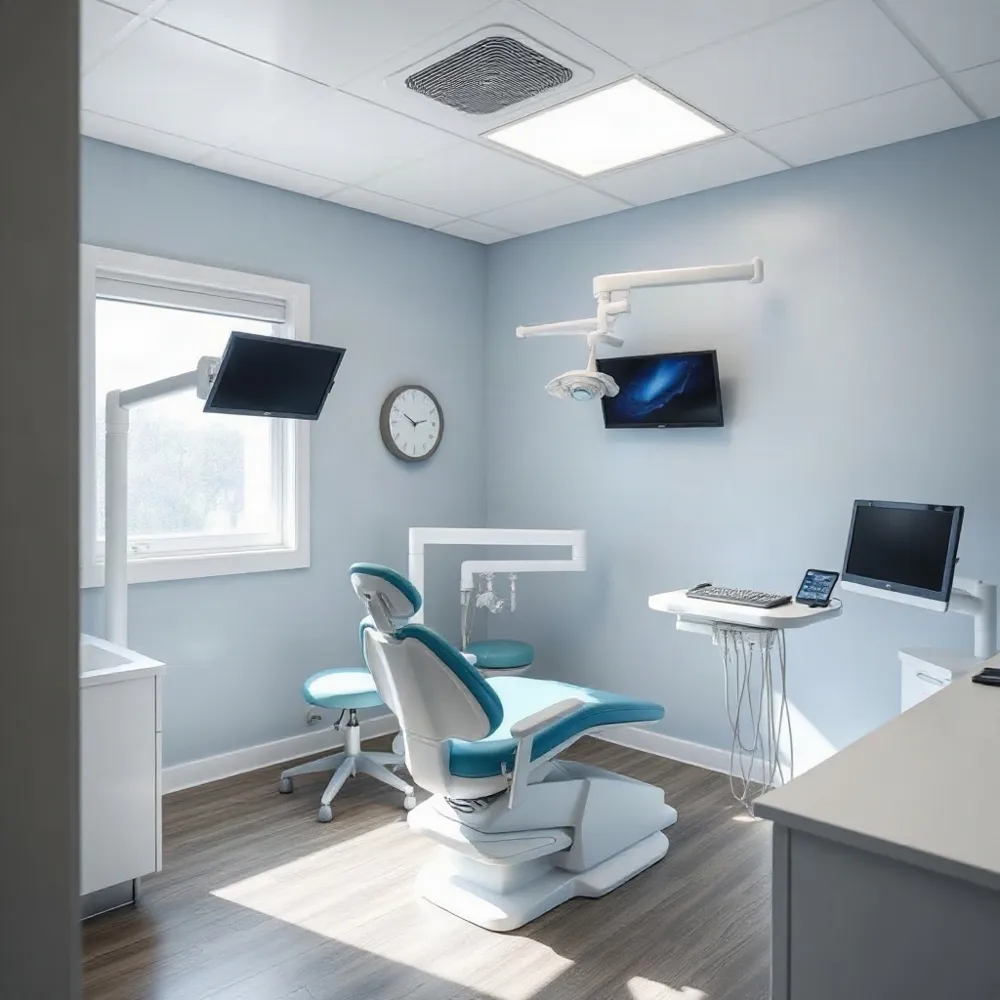
A Thorough Starting Point
A comprehensive dental exam gives the dentist a detailed view of your oral health, beyond a quick check for visible cavities. The visit may include reviewing your health and dental history, examining your teeth and gums, and deciding whether imaging or other checks are appropriate. A dental exam can help identify concerns and provide guidance on caring for your teeth and gums, as MedlinePlus explains.
For new patients, the assessment can establish a starting point for future care. At Veenstra Family Dental, care is tailored to patients across ages, and the examination is based on individual needs rather than a fixed set of services.
You can mention symptoms, health concerns, or dental anxiety, and ask about anything you would like clarified. The dentist should explain findings and discuss appropriate next steps, so you can take part in decisions about your care.
What the Examination Covers
 A comprehensive dental examination starts with a conversation about your health and dental history. Your dentist may ask about medical conditions, medications, allergies, previous dental work, current symptoms, and habits such as diet or tobacco use. This context helps the dental team understand your needs and plan appropriate care.
What happens during a comprehensive dental examination?
The dentist examines your teeth, gums, bite, jaw, and the soft tissues of your mouth. They may check for decay, gum concerns, signs of oral cancer, and changes in fillings, crowns, or bridges. Gum measurements can help assess periodontal health, while looking at how your teeth meet and your jaw moves may reveal wear or signs of grinding. At Veenstra Family Dental, a new-patient visit may include digital X-rays and an oral cancer screening. X-rays are recommended when they can provide useful information about areas that are not visible during a visual exam. MedlinePlus explains that dental X-rays can reveal concerns such as hidden cavities or bone loss. Your dentist will explain findings and discuss possible next steps.
How is an examination different from a cleaning?
An examination evaluates your oral health and identifies concerns. A professional cleaning removes plaque and tartar, often through scaling and polishing. They serve different purposes, though they may be scheduled during the same visit. A cleaning is not automatically included with every comprehensive examination, so ask the practice what your appointment covers.
What is a limited dental examination?
A limited examination focuses on a particular problem, such as tooth pain, swelling, or a damaged tooth. A comprehensive exam takes a wider view, reviewing relevant history and assessing several areas of oral health. Your dentist can help determine which type of visit suits your concern.
Screening the Mouth and Soft Tissues
 An oral cancer screening looks for warning signs in the mouth and nearby tissues. It does not determine whether a person has cancer, since suspicious tissue needs further evaluation to make a diagnosis. Many dentists include a screening as part of a dental exam, though what is included can vary by practice.
What can a dentist check for during an oral cancer screening?
The dentist may inspect the lips, cheeks, gums, tongue, and the roof and floor of the mouth, and may also look at the throat and tonsils. They may gently feel the jaw and neck for unusual lumps or bumps. Areas of concern can include persistent sores, red or white patches, thickened tissue, or other changes. Mayo Clinic’s overview of oral cancer screening explains that a visual exam can identify lesions but cannot confirm cancer.
At Veenstra Family Dental, an oral cancer screening is part of a personalized examination, with the dentist considering each patient’s needs and concerns. If an area looks unusual, the dentist may recommend monitoring it, referring the patient to a specialist, or arranging further evaluation such as a biopsy.
Can a dentist detect oral cancer, and can you check for warning signs at home?
A dentist can screen for changes that may need attention, but screening alone cannot diagnose cancer. You can notice changes at home, such as a sore that does not heal, a persistent patch, a lump, ongoing pain or numbness, or difficulty swallowing. Tell a healthcare professional about persistent changes rather than waiting for your next appointment. Home checks can help you notice changes, but they do not replace professional screening.
Many dentists include screening during an examination, but insurance coverage varies by plan, particularly if additional testing is recommended. Ask the dental office what the visit includes, then confirm benefits and possible out-of-pocket costs with your insurer.
Imaging and Individualized Timing
 Dental X-rays can show concerns that a visual exam may not reveal, such as hidden decay, infection, or changes in the jawbone. They are not automatically needed at every visit. At Veenstra Family Dental, modern dental care is guided by each patient’s needs, and the dentist can recommend imaging based on your history, current oral health, and the question the images need to answer. Dental X-rays can add information that helps guide an assessment.
How often are dental X-rays needed?
There is no single interval that suits everyone. Your dentist considers your dental history and current diagnostic needs before recommending images. MedlinePlus explains that X-rays may be used when appropriate and that a dentist can advise how often they are needed. Ask why imaging is recommended and when it may be useful again.
How often should adults have dental examinations and cleanings?
About every six months is a common starting point for adult exams and cleanings, but the right schedule depends on oral health, history, and risk. A comprehensive exam gives the dentist a broader assessment, while routine visits help monitor changes and maintain oral health. Veenstra Family Dental provides care for patients across ages, with visit timing discussed according to individual needs.
Does everyone need a dental checkup every six months?
No. Some people need more frequent visits because of gum disease, recurring cavities, dry mouth, or changes in health or medication. Others may be advised to come less often. Contact a dentist about new pain, swelling, or another concern instead of waiting for a scheduled checkup.
Planning the Visit and Its Cost
How long does a comprehensive dental examination take?
The time depends on your oral health, the scope of the assessment, any imaging, and how much discussion is needed afterward. A new-patient visit or one involving additional evaluation may take longer. When scheduling with Veenstra Family Dental, ask how much time to allow and whether a cleaning is included. The practice describes its care as personalized, so appointment length should reflect the services planned rather than a fixed promise.
An exam and cleaning are distinct parts of dental care, though they may be arranged for the same visit. MedlinePlus explains what a dental exam may include, including an examination, cleaning, and X-rays when appropriate. Confirm which services are planned so you can allow enough time.
How much does a comprehensive dental examination cost, and what factors affect the price?
There is no single price that applies to every comprehensive exam. The fee depends on the services provided, the practice’s fees, and your insurance benefits. Ask the office for an estimate that separates the examination, imaging, cleaning, or any additional testing. Then check your plan documents or contact your insurer to confirm coverage, deductibles, copayments, and possible out-of-pocket costs. An estimate can help you plan, but your coverage depends on your specific plan.
Preparing for a Comfortable Appointment
A little preparation can help your dental team understand your needs and make good use of the visit. Bring an updated medication list, relevant medical and dental history, and prior dental records if you have them. At Veenstra Family Dental, sharing this background can help the team tailor care for patients of different ages and health needs.
Make a note of any symptoms or questions you want to discuss, including tooth pain, sensitivity, bleeding gums, or jaw discomfort. Mention changes in your health or medications, too. If you feel anxious about dental care, let the team know before or when you arrive so they can respond to your concerns. MedlinePlus also advises patients to tell the dentist about dental anxiety and relevant health conditions: guidance on preparing for a dental exam.
If you are unsure what to bring or whether you need to prepare in a particular way, contact the office beforehand. You can also ask what the appointment is expected to include and raise any concerns that might affect your comfort. Clear communication helps the team focus the visit on the information and care most relevant to you.
Understanding Findings and Next Steps
After the examination, the dentist should explain what they observed in clear, everyday language. At Veenstra Family Dental, reviewing a patient’s history alongside examination findings supports care shaped around their needs, rather than a one-size-fits-all recommendation.
Ask what a finding means, why a test or treatment is being suggested, and whether there are reasonable alternatives. You can also ask what may happen if you wait, what the anticipated cost is, and whether your insurance plan may cover the service. Coverage varies, so confirm details with your insurer or dental office.
Finding a concern early can give you and your dentist an opportunity to discuss care before it becomes more serious, though it cannot guarantee a particular result. MedlinePlus notes that a dental exam can identify problems and help patients understand treatment options.
The next step might be a preventive measure, a treatment appointment, further assessment, or simply continued monitoring. Recommendations should reflect the patient’s oral health, medical circumstances, age, and preferences. Veenstra Family Dental provides family-focused care for patients of different ages, with the dentist available to explain findings and discuss a suitable plan.
A Visit Built Around Your Needs
A comprehensive exam brings together a careful assessment, appropriate diagnostic tools, and a conversation about your oral health. The goal is to understand what is happening now and what may deserve attention, not to assume every patient needs the same care.
At Veenstra Family Dental, care is family-focused and shaped around patients of different ages. Share relevant health information, mention concerns, and ask questions about any finding or recommendation. You and your dentist can discuss suitable next steps and decide when to return based on your health and dental history.
A welcoming visit starts with an open conversation. When you understand your options, you can make informed choices about your care.