Introduction: Redefining the Dental Visit
Acknowledging a Common Experience
Many people feel a sense of nervousness before a dental appointment. This is a normal, common reaction that triggers the body's natural fight-or-flight response. Fears about pain, the sounds of instruments, past uncomfortable experiences, or simply feeling out of control are all valid and understandable sources of anxiety. Recognizing that these feelings are widespread is the first step in addressing them, allowing individuals and families to approach dental care with greater understanding and self-compassion.
The Shift to Patient-Centered Care
Modern dentistry is transforming to meet these concerns head-on. The focus has moved toward a patient-centered approach, where the experience is built around your comfort, needs, and preferences. This means moving away from a purely clinical environment to one that prioritizes relaxation, clear communication, and emotional well-being. The goal of today's family-focused practice is not just to treat teeth, but to create an atmosphere where every member of your family—from toddlers to seniors—feels respected, heard, and at ease.
Our Promise to You
This article is designed to guide you through this new landscape of comfortable, compassionate dental care. We will explore actionable steps and practical insights that you can use to create a positive and stress-free experience. From open communication with your dental team to modern technologies that minimize discomfort, you will find strategies to help everyone look forward to maintaining a healthy, confident smile.
Overview of Modern Dental Comfort Pillars
| Communication Focus | Environmental Elements | Technological Advances | Personalized Strategies |
|---|---|---|---|
| Discuss fears openly with your dentist | Calming office design & amenities | Digital X-rays with low radiation | Schedule appointments at low-stress times |
| Use pre-agreed hand signals during care | Soothing music & noise-canceling headphones | Laser dentistry for quieter procedures | Practice deep breathing techniques |
| Request clear explanations of all procedures | Comfort items like blankets from home | Intraoral scanners instead of messy impressions | Explore sedation options if needed |
| Receive visual aids for better understanding | Welcoming, family-friendly waiting areas | CAD/CAM for same-day restorations | Bring personal distractions like music |
| Engage in follow-up communication after visits | Ergonomic, comfortable dental chairs | Teledentistry for remote consultations | Read patient testimonials to build trust |
Building a Foundation of Trust: Open Communication is Key
Building a Foundation of Trust: Open Communication is Key
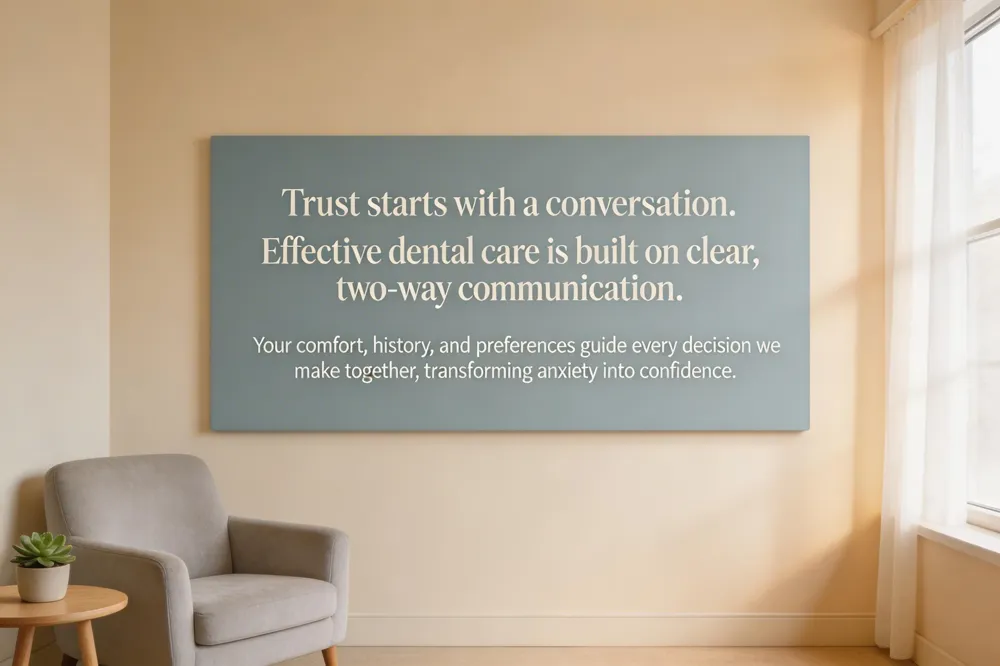
Effective dental care is built on a partnership between you and your dental team, starting with clear, two-way communication1. This process, involving active listening to patient concerns and explaining in simple terms, directly reduces fear by eliminating unknowns and building mutual respect. A patient-centered approach means your comfort, history, and preferences guide every decision12.
How We Create a Supportive Environment
Our team is trained in active listening and empathy, recognizing that anxiety is a common, valid feeling3. We take time to understand your concerns without judgment. This supportive environment is enhanced by our welcoming office design, which uses calming colors and comfortable seating to help you feel at ease from the moment you arrive45.
Practical Strategies for Your Visit
You play an active role in your comfort. We encourage you to talk to your dentist about your fears, whether about pain, sounds, or past experiences, at the start of your appointment. A highly effective strategy we use is agreeing on a simple hand signal for pausing treatment anytime you need a break. This gives you direct control during your care6.
The Dentist's Role in Your Care
Before any procedure begins, we explain what will happen, how long it will take, and what sensations you might feel1. We use visual aids like digital X-rays with less radiation shown on chairside monitors so you can see what we see78. Our goal is to ensure you feel fully informed, heard, and in control throughout your visit, transforming anxiety into confidence5.
I haven't been to the dentist in many years and am scared to go. What should I do?
First, know that your feelings are completely normal and many people are in the same situation3. The most important step is to choose a compassionate dental practice that explicitly welcomes patients who haven't visited in years and understands dental anxiety. For your first appointment, look for a practice that offers a consultation first—not a cleaning or procedure—so you can discuss your fears and health history without pressure. Be honest with them about how long it's been and your specific worries; they are there to help, not judge9. Starting with this gentle approach allows you to rebuild trust at your own pace and begin restoring your oral health with supportive care.
What causes dental anxiety and how is it managed?
Dental anxiety, affecting a significant portion of adults, is commonly caused by fear of pain, negative past experiences, a feeling of loss of control in the dental chair, and even negative portrayals in media3. At Veenstra Family Dental, we manage it first by building a foundation of trust through compassionate, open communication with the dental team6. We offer a calm, modern environment and use techniques like "tell-show-do" to explain each step, putting you in control5. For many patients, starting with a simple, non-invasive cleaning helps build positive experiences. We also provide safe sedation options for dental procedures9, like nitrous oxide ("laughing gas"), to ensure comfort for those who need it, ensuring everyone can receive the essential care they deserve2.
| Communication Focus | Patient Action | Dental Team Action | Resulting Benefit |
|---|---|---|---|
| Voicing Fears | Share specific worries at appointment start6. | Listen actively, document concerns, adjust plan10. | Personalized care that addresses root causes of anxiety6. |
| Understanding Procedures | Ask questions about steps, duration, sensations1. | Explain using simple terms and visual aids like X-rays8. | Reduced fear of the unknown, increased sense of control7. |
| During Treatment | Use pre-agreed hand signal for pausing treatment6. | Acknowledge signal immediately, stop, check in6. | Patient feels safe, maintains autonomy during care6. |
| Building Long-Term Trust | Schedule regular check-ups, provide feedback11. | Follow up after visits, note personal details for future11. | Strong patient-dentist relationship, consistent comfort11. |
Crafting a Calm and Modern Environment
Soothing Physical Design
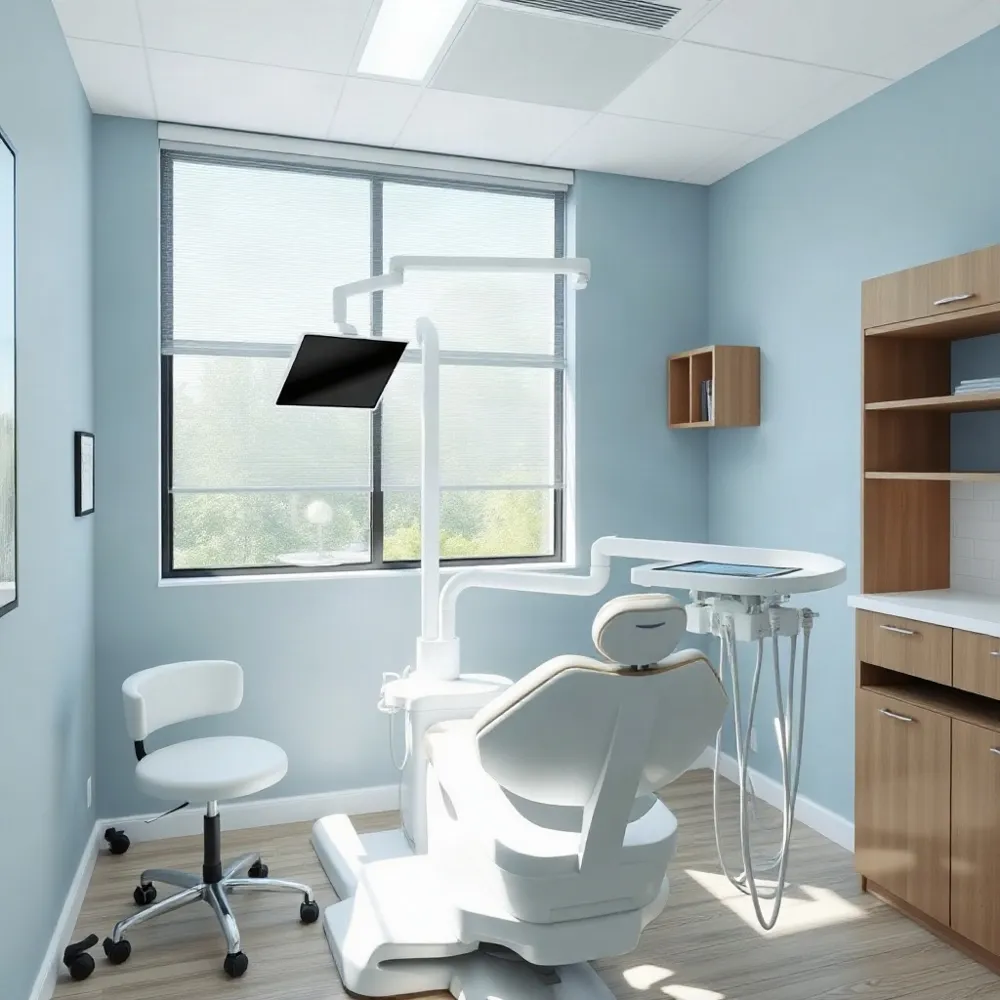
From the moment you enter, a modern dental office is intentionally designed to ease your mind. The waiting area often features calming colors, comfortable seating, and soft, ambient lighting to create a welcoming atmosphere distinct from a sterile clinical feel. These choices directly address common anxieties tied to the sounds and sights of dental equipment.
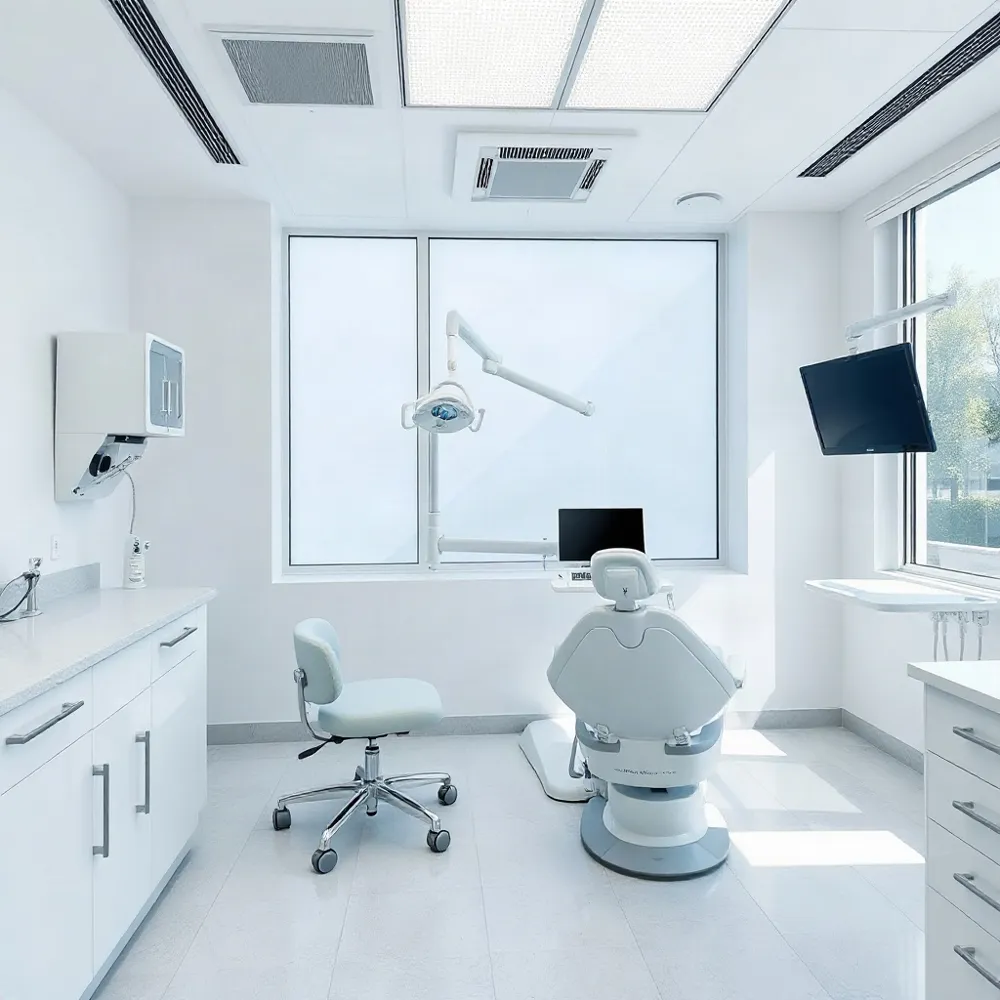
Examination and treatment rooms continue this theme of comfort. Today’s dental chairs are ergonomically designed with superior cushioning, adjustable positioning, and proper head support to reduce physical strain during longer visits. This thoughtful design helps you feel secure and relaxed while seated.
Comfort-Enhancing Amenities
Beyond the layout, specific amenities are offered to personalize your comfort and provide a sense of control. To help you relax, many practices provide:
- Noise-canceling headphones to block out procedural sounds.
- Weighted or soft blankets and neck pillows for coziness.
- Access to calming music, podcasts, or nature scenes on screens.
- Complimentary refreshments like water or coffee.
These items serve as effective distraction techniques for dental anxiety and can significantly lower stress levels, making the entire visit feel more manageable.
A Welcoming Atmosphere for All Ages
Creating a positive experience means catering to every family member. For adults, the goal is often a spa-like environment that promotes tranquility. For children, offices use playful designs with colorful decor, engaging themes, and activity areas to transform a potentially scary visit into an adventure. This family-focused dentistry for all ages approach helps build positive associations with dental care from an early age.
Respecting Your Time and Reducing Stress
Modern dental care understands that your time is valuable. Flexible scheduling for family dental visits, including extended hours and online booking through mobile apps, make it easier to find an appointment that fits your life without adding logistical stress. Efficient administrative processes, like digital check-ins and transparent communication about wait times, further minimize anxiety from the moment you schedule your visit.
| Design Element | Purpose | Examples of Implementation |
|---|---|---|
| Waiting Room | First impression, reduce anticipatory anxiety | Calming colors, comfy seats, soothing music, free Wi-Fi |
| Treatment Room | Enhance comfort during procedures | Ergonomic chairs, adjustable lighting, warm blankets |
| Amenities | Provide distraction & personal control | Headphones, stress balls, video screens, refreshments |
| Scheduling | Respect patient's busy lifestyle | Online booking, extended hours, family appointment blocks |
The Role of Advanced Technology in Comfortable Care
How Modern Technology Reduces Discomfort and Fear
Modern dental technology is fundamentally changing the patient experience by directly addressing common sources of anxiety and physical discomfort. The loud hum of a drill or the awkward sensation of traditional procedures can trigger significant stress. Today's innovative tools are designed to create a calmer, more comfortable visit from start to finish.
Digital X-rays offer a prime example. They capture images almost instantly using up to 90% less radiation than older film systems, a key digital X-rays radiation safety comparison traditional film. This means less time spent in the chair and enhanced safety, providing immediate peace of mind for both patients and families.
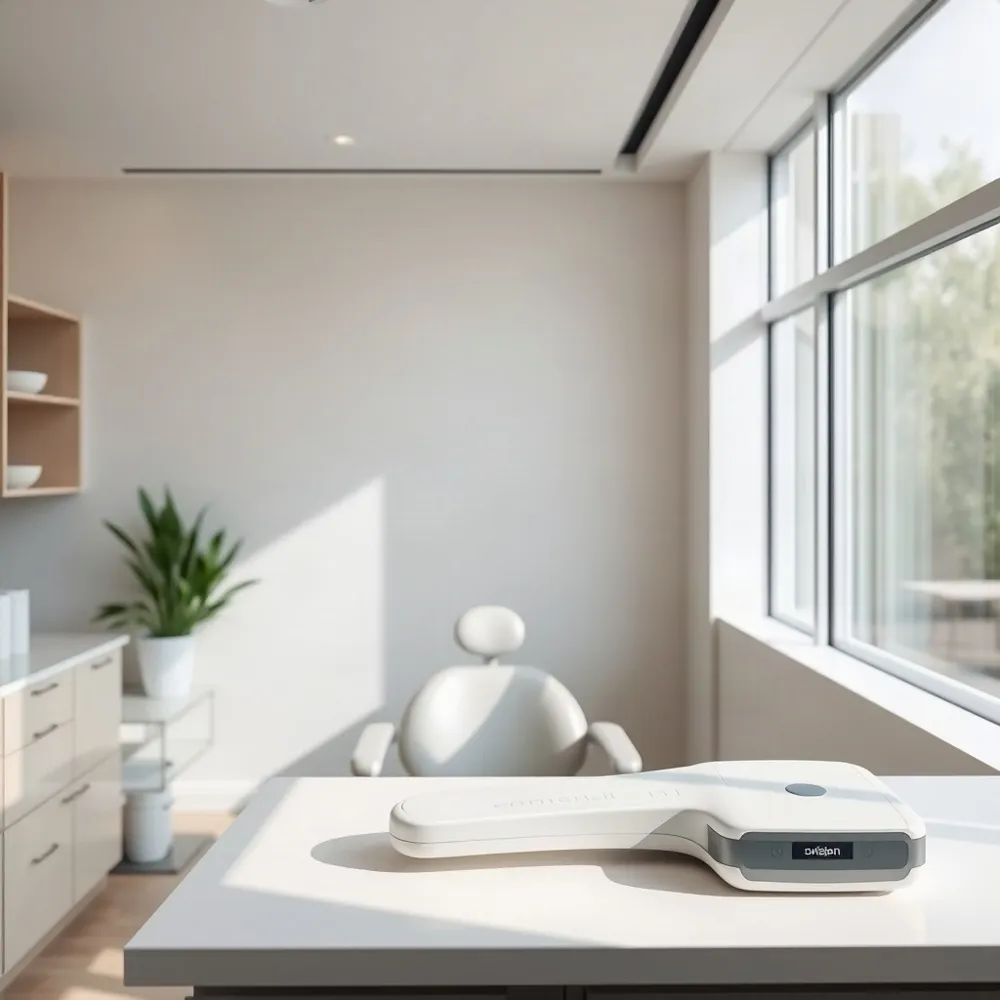
Intraoral scanners have revolutionized how dentists capture models of teeth and gums. Instead of using bulky, gooey impression trays that many find uncomfortable and gag-inducing, these handheld devices use light to quickly and painlessly create a highly accurate 3D digital model, reflecting how advances in dental technology make visits calmer and shorter.
Laser dentistry transforms procedures involving soft tissue and cavities. By using focused light energy instead of a traditional drill, treatments become quieter, often require less anesthesia, and typically result in less bleeding and faster healing, minimizing post-procedure soreness.
Technologies That Improve Communication and Patient Involvement
One of the most effective ways to reduce anxiety is by eliminating the 'fear of the unknown.' Modern technology empowers patients by making their own oral health visible and understandable.
Through chairside monitors, dentists can display real-time images from intraoral cameras or digital X-rays. Seeing a clear picture of a cavity or a developing issue helps demystify the procedure and allows for a collaborative discussion about treatment options, fostering open communication with the dental team.
Advanced 3D imaging systems, like Cone Beam Computed Tomography (CBCT), provide comprehensive views of the jawbone and teeth. This technology is invaluable for planning complex procedures like dental implants with precision, giving patients confidence in the treatment plan.
Visual aids and simulation software can show potential outcomes for cosmetic or restorative work, helping patients make informed decisions about their smiles. This transparency builds trust and ensures patients are active participants in their care, a core part of creating a positive dental experience.
Innovations That Streamline Treatment for Convenience
Beyond comfort, new technology also makes dental care more efficient and convenient, fitting seamlessly into busy family schedules. These innovations minimize chair time and reduce the number of required visits.
CAD/CAM (Computer-Aided Design/Manufacturing) technology is a standout. It allows dentists to design and fabricate dental restorations like crowns, veneers, and onlays right in the office. This means procedures that once required two appointments and a temporary crown can now often be completed in a single, comfortable visit thanks to CAD CAM technology same day dental crown fabrication.
Teledentistry expands access to professional care by enabling secure video consultations from home. It's perfect for initial assessments, follow-up questions, or minor concerns, especially for patients with mobility challenges or packed schedules.
Electronic health records (EHR) streamline communication and scheduling, reducing administrative wait times. This ensures your dental team has immediate access to your history, allowing for more personalized and efficient care during every visit.
| Technology | Key Feature | Direct Comfort & Experience Benefit |
|---|---|---|
| Digital X-rays | Instant, low-radiation imaging | Faster process, safer for patients, less chair time. |
| Intraoral Scanners | Digital 3D models, no physical trays | Eliminates gagging, messy impressions; more comfortable. |
| Laser Dentistry | Precise light energy, less noise | Often less anesthesia needed, quieter, faster healing. |
| Chairside Monitors | Real-time visual display | Improves understanding, reduces fear of the unknown. |
| CAD/CAM Systems | In-office crown fabrication | Enables same-day restorations, fewer appointments. |
| Teledentistry Platforms | Remote video consultations | Increases accessibility, reduces travel for simple visits. |
Personalized Care for Every Stage of Life
The Benefits of a Family-Focused Dental Practice
Choosing a family-focused dental practice means having a single, trusted provider for every household member. This approach builds long-term relationships where the dental team becomes familiar with your family's entire dental history. Such familiarity allows for highly personalized dental care strategies and makes coordinating appointments much easier for busy families.
A family dentist serves as a central health partner from a child's first tooth through the senior years. This continuity helps in tracking progress, identifying hereditary conditions, and ensuring consistent, high-quality care across generations. Having one practice for everyone simplifies scheduling with options like back-to-back appointments, minimizing disruptions to your daily routine.
Tailored Approaches for Pediatric, Adult, and Geriatric Patients
Family dentistry is built on understanding the unique needs of each age group. For children, visits are designed to be stress-free and educational. Practices often feature kid-friendly dental environments with playful decor, and dentists use gentle techniques to handle teething, cavities, and early orthodontic assessments. The goal is to create positive early experiences that reduce dental anxiety.
Adult care focuses on maintaining oral health through regular check-ups, cleanings, and treatments for issues like decay or gum disease. For older adults, care adapts to address age-related concerns such as dry mouth, gum recession, and tooth loss. Some practices even offer home visits or mobile services for seniors with mobility challenges, ensuring everyone receives compassionate, age-appropriate treatment.
Preventive Care and Education as a Foundation
Preventive dental care and education is the cornerstone of a lasting dental relationship. It involves regular professional cleanings, comprehensive oral health assessments, and early detection of potential issues. Education empowers every family member with the knowledge to maintain their smile.
Dentists provide personalized advice on proper brushing and flossing techniques, the impact of diet on oral health, and managing habits like teeth grinding. For instance, while the 3-3-3 rule for brushing teeth (brushing three times a day for three minutes and replacing your toothbrush every three months) is a detailed guideline, most professionals emphasize that brushing twice daily for two minutes with proper technique and daily flossing forms a solid foundation for health.
Convenience and Continuity of Care
The convenience of a family dental practice extends beyond flexible scheduling for family dental visits. It creates a consistent, comfortable environment where each visit feels familiar and safe. Staff trained in empathy and communication recognize signs of anxiety and proactively address fears, making appointments more relaxed for patients of all ages.
This model ensures that treatment plans are cohesive and adapted to each life stage—from fluoride treatments and sealants for children to restorative procedures for adults. By having one practice manage your family's oral health, you benefit from streamlined records, coordinated care, and a trusted team dedicated to your long-term well-being.
A Snapshot of Family Dental Care
| Age Group | Primary Focus | Common Treatments | Comfort & Approach |
|---|---|---|---|
| Children | Preventive education, early intervention | Cleanings, sealants, cavity care | Kid-friendly décor, gentle chairside manner, play areas |
| Adults | Maintenance, restorative care | Check-ups, fillings, implants | Ergonomic chairs, modern dental technology, clear communication |
| Seniors | Age-related condition management | Gum disease treatment, dentures, dry mouth solutions | Compassionate care, mobility accommodations |
Practical Strategies for Managing Anxiety
Harness the Power of Distraction
Distraction is a simple yet powerful short-term tool to shift your focus away from the sights and sounds of the dental environment. You can bring your own noise-canceling headphones to listen to calming music, a favorite podcast, or an audiobook. Many modern dental practices also provide entertainment options like TV screens or video systems. Engaging in light, casual conversation with your dental team can also serve as an effective distraction, helping to pass the time and ease tension.
Use Breathing to Activate Calm
Controlled breathing for dental appointments is a scientifically backed technique to calm the nervous system and reduce the physical symptoms of anxiety. A proven method is the 'three-four-five' technique. Breathe in slowly through your nose for a count of three. Hold your breath gently for a count of four. Then, exhale slowly through pursed lips for a count of five. This pattern helps activate your body's natural parasympathetic response, which promotes relaxation. For best results, focus on deep, diaphragmatic breathing where your belly expands, not your chest.
Prepare for Success Before Your Appointment
Your actions before arriving at the dental office can significantly influence your comfort. Consider scheduling your visit during a less stressful time, such as a mid-week morning, to avoid a busy waiting room and the rush of daily life. In the hours before your appointment, avoid caffeine and sugar before your dental visit that can increase jitteriness. Instead, opt for calming herbal tea. Bringing a personal comfort item from home—such as a small blanket, stress ball, or familiar item—can provide a sense of security and control in the clinical setting.
Explore Safe and Effective Sedation Options
For individuals with significant anxiety, various sedation methods offer a way to receive necessary care in a relaxed state. Options range from mild to moderate sedation and are tailored to individual needs and the complexity of the procedure. Nitrous oxide, or 'laughing gas,' is a commonly available option that helps you feel relaxed while remaining awake and responsive. For a deeper level of relaxation, oral conscious sedation involves taking a prescribed medication before your appointment. These methods are administered under careful monitoring and are considered safe and effective tools for managing dental anxiety.
| Strategy Category | Specific Technique | Key Benefit for Patients |
|---|---|---|
| Distraction | Headphones with music/podcasts | Shifts focus away from clinical sounds and environment |
| Distraction | Engaging with dental team | Provides a social connection and mental break from procedure |
| Relaxation | Three-four-five breathing | Activates body's natural calming nervous system response |
| Preparation | Scheduling at low-stress times | Reduces anticipatory anxiety from crowds or time pressure |
| Preparation | Bringing personal comfort items | Creates a familiar, secure anchor in the dental chair |
| Professional Care | Nitrous oxide sedation | Offers mild, adjustable relaxation during treatment |
| Professional Care | Oral conscious sedation | Provides deeper relaxation for patients with significant anxiety |
Conclusion: Your Comfort is Our Priority
Reiterating the Standard of Care
Pain-free and comfortable dental visits are now the established standard in modern dentistry. This shift reflects a broader commitment to patient-centered care, where your physical and emotional well-being during treatment is a primary concern. The goal is to transform necessary care from something to be endured into a manageable, and even positive, experience. This standard is upheld through a combination of empathetic communication, advanced pain management, and a consciously designed environment.
Achieving this standard is a collaborative effort between you and your dental team. It involves openly discussing your needs and utilizing the array of available comfort strategies. From topical anesthetics that minimize injection discomfort to sedation options that ease anxiety, the tools to create a calm visit are readily accessible. Modern practices are equipped to provide this level of care as a fundamental part of their service.
Taking the First Step
Choosing a dental practice that actively prioritizes your comfort is the most impactful decision you can make for your oral health. Look for a team that emphasizes clear, two-way communication and welcomes questions about procedures and options. A practice invested in modern technology, such as digital imaging and quieter treatment tools, demonstrates a commitment to efficient, gentle care. The atmosphere should feel welcoming from the moment you arrive, designed to ease rather than elevate stress.
We encourage you to schedule a consultation as a first step. Use this meeting to express any concerns and observe how the team responds. A practice dedicated to personalized comfort will listen intently, explain options clearly, and work with you to develop a care plan that respects your pace and preferences. This initial conversation sets the foundation for a trusting, long-term partnership.
An Empowering Outlook
Overcoming dental anxiety unlocks the path to sustained oral health and a positive, proactive relationship with dental care. Regular, comfortable visits allow for early detection of issues, preventing minor concerns from becoming complex procedures. This proactive approach saves time, discomfort, and expense in the long run. More importantly, it builds confidence, replacing fear with a sense of control and well-being.
Your comfort and health are intrinsically linked. By partnering with a dental team that makes your experience a priority, you invest in a lifetime of healthier smiles and greater peace of mind. Taking this step is an act of self-care that yields lasting benefits for your overall health and quality of life.
| Aspect of Care | How It Prioritizes Comfort | Patient Benefit |
|---|---|---|
| Communication | Open dialogue, clear explanations, agreed signals. | Reduces fear of the unknown, builds trust. |
| Technology | Digital tools, quiet equipment, precise lasers. | Faster, gentler procedures with less discomfort. |
| Environment | Calming design, amenities, relaxing music. | Creates a welcoming, low-stress atmosphere. |
| Pain Management | Topical anesthetics, sedation options, breaks. | Minimizes physical discomfort during treatment. |
| Personalization | Tailored plans, flexible scheduling, family focus. | Care adapts to individual needs and lifestyle. |
Footnotes
-
https://pmc.ncbi.nlm.nih.gov/articles/PMC11225999/ ↩ ↩2 ↩3 ↩4
-
https://dentistryatwindermere.com/its-time-for-pain-free-dental-visits/ ↩ ↩2
-
https://www.uab.edu/news/news-you-can-use/dental-anxiety-three-tips-and-techniques-for-a-calmer-trip-to-the-dentist ↩ ↩2 ↩3
-
https://buccalupdental.com/2023/04/21/6-ways-to-make-your-dental-office-feel-comfortable/ ↩
-
https://www.westsidefamilydentistry.net/post/transforming-visits-with-a-comfortable-dental-experience ↩ ↩2 ↩3
-
https://www.dentalateliers.com/articles/7-essential-steps-for-creating-a-comfortable-dental-visit-en ↩ ↩2 ↩3 ↩4 ↩5 ↩6 ↩7
-
https://smilelabny.com/modern-dental-technology-and-patient-comfort-explained/ ↩ ↩2
-
https://abcdds.com/the-role-of-technology-in-modern-dental-care/ ↩ ↩2
-
https://www.dentalassociates.com/blog/7-ways-calm-dental-anxiety-and-fear-dentist ↩ ↩2
-
https://www.junipersvcs.com/creating-exceptional-patient-experiences-in-dentistry-the-fundamental-principles/ ↩
-
https://www.dentalintel.com/blog-posts/the-5-best-ways-to-create-a-personalized-patient-experience-at-your-dental-practice ↩ ↩2 ↩3