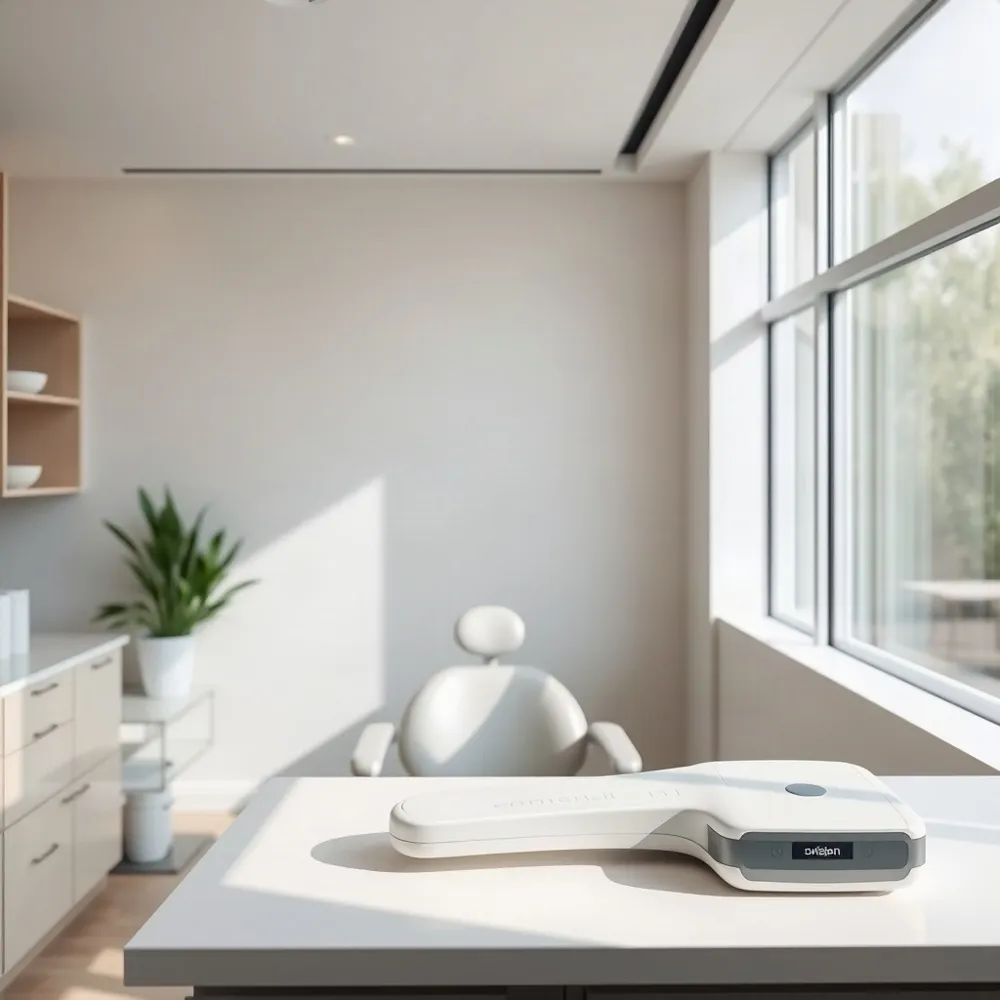
Beyond the Drill: How Technology is Transforming Dental Visits and Your Smile
From Dreaded Appointments to Comfortable Care
Gone are the days when a dental visit was synonymous with discomfort, loud drills, and lengthy procedures. For many, the very thought of sitting in a dental chair evoked anxiety. Today, a quiet revolution is reshaping the patient experience. Modern dental practices are increasingly technology-driven environments where care is faster, more precise, and significantly more comfortable. This shift moves dentistry from a reactive model—fixing problems—to a proactive, predictable, and personalized approach focused on your long-term oral health and the beauty of your smile.
Six Breakthroughs Enhancing Every Smile
The core of this transformation lies in a suite of advanced technologies. These are not just tools for dentists; they are direct benefits for you, the patient. They work together to minimize guesswork, reduce treatment time, alleviate discomfort, and deliver stunning, natural-looking results. From the initial scan to the final restoration, every step is enhanced. We will explore six specific advancements that are fundamentally changing what it means to visit the dentist and how you achieve a healthy, confident smile.
1. The Digital Impression: Goodbye Gooey Molds
One of the most immediate improvements patients notice is the replacement of traditional impression materials. Instead of uncomfortable trays filled with putty that can trigger gag reflexes, dentists now use intraoral scanners. These handheld devices use light or lasers to quickly capture a highly accurate, three-dimensional digital model of your teeth and gums.
This digital impression is instantly available on a screen, allowing you and your dentist to view it together. The benefits are clear: a more comfortable experience, no messy materials, and a vastly more precise blueprint for any crowns, bridges, aligners, or implants you may need. This accuracy translates to restorations that fit better right from the start, reducing the need for adjustments and repeat visits.
2. Precision Planning with 3D Imaging and AI
Diagnosis and treatment planning have entered a new era of clarity. Cone Beam Computed Tomography (CBCT) provides a detailed 3D view of your jawbone, teeth roots, nerves, and sinuses—all from a single, quick scan. This is invaluable for complex procedures like dental implant placement, as it allows your dentist to virtually plan the surgery with millimeter precision, avoiding critical structures and selecting the ideal implant size.
Augmenting this is Artificial Intelligence (AI). AI software can analyze X-rays and 3D scans to identify subtle, early signs of cavities, bone loss, or other issues that might escape the human eye. This powerful combination of 3D imaging and AI enables earlier intervention, more accurate diagnoses, and highly personalized treatment plans tailored to your unique anatomy, leading to safer procedures and better long-term outcomes.
3. Minimally Invasive Laser Dentistry
Laser technology has introduced a gentler, more precise alternative to the traditional dental drill for many procedures. Dental lasers use focused light energy to treat soft tissues (gums) and, in some cases, hard tissues (tooth enamel). For procedures like gum contouring, treating gum disease, or removing decay, lasers offer significant patient benefits.
They often minimize or eliminate the need for anesthesia, reduce bleeding and swelling, and promote faster healing. Because they are so precise, lasers help preserve more of your healthy tooth structure during cavity preparation. The result is a treatment experience with less discomfort, quicker recovery, and a focus on conserving your natural smile.
4. Same-Day Smiles with CAD/CAM and 3D Printing
The wait for a permanent crown or bridge used to take weeks, requiring a temporary restoration and a second appointment. Computer-Aided Design and Computer-Aided Manufacturing (CAD/CAM) technology, often paired with in-office 3D printers, has changed that. Using your digital scan, your dentist can design your restoration on a computer.
That design is then sent to a milling machine or 3D printer right in the office to fabricate your crown, bridge, or other appliance from a block of high-strength ceramic or resin. This process can often be completed in about an hour, meaning you can walk out with your final, custom-made restoration in a single visit. It’s the ultimate in convenience, combining speed with exceptional fit and aesthetic quality.
5. Guided, Predictable Implant Surgery
Replacing missing teeth with dental implants is a sophisticated procedure that benefits immensely from digital planning. Guided implant surgery takes the 3D scan of your jaw and uses software to plan the exact position, angle, and depth for the implant. This virtual plan is then used to create a custom surgical guide—a clear, flexible template that fits over your teeth and gums.
During surgery, this guide ensures the implant is placed exactly as planned through a small, precise opening. This minimally invasive technique improves accuracy, reduces surgery time, lowers the risk of complications, and enhances the long-term success and aesthetic outcome of your implant, helping you regain a fully functional and natural-looking smile with confidence.
6. Empowering Your Home Care with Smart Technology
The technological transformation extends beyond the dental chair into your daily routine. Smart oral hygiene devices, like interactive electric toothbrushes and AI-powered home scanners, provide real-time feedback on your brushing technique, coverage, and pressure. They can alert you to areas you might be missing and even detect early signs of plaque buildup or gum inflammation.
This data can often be shared with your dental team via apps, allowing for more personalized oral health coaching. These tools empower you to take an active role in maintaining your smile between check-ups, turning daily care into an informed, preventive practice that supports the work done during your professional visits.
| Technology | Primary Patient Benefit | Common Applications |
|---|---|---|
| Intraoral Scanners | Eliminates uncomfortable physical molds; provides precise digital models. | Crowns, bridges, aligners, implant planning. |
| 3D Imaging (CBCT) & AI | Enables precise, safe surgical planning; allows for early problem detection. | Implant placement, complex extractions, early cavity detection. |
| Dental Lasers | Reduces need for anesthesia; minimizes bleeding and speeds healing. | Gum contouring, decay removal, treating periodontal disease. |
| CAD/CAM & 3D Printing | Allows for same-day restorations in a single visit. | Crowns, veneers, bridges, night guards, surgical guides. |
| Guided Implant Surgery | Increases implant placement accuracy for predictable, long-lasting results. | Single tooth replacement, full-arch implant solutions. |
| Smart Home Technology | Provides personalized feedback to improve daily oral hygiene habits. | Interactive toothbrushes, AI-powered home oral scanners. |
Key Facts: Digital Dentistry and Modern Dental Technologies
- Digital intraoral scanning has largely replaced messy putty molds, improving patient comfort and reducing the need for remakes by up to 90 percent.
- Cone Beam Computed Tomography (CBCT) provides detailed 3D images for surgical planning with up to 98% less radiation than traditional medical CT scans.
- CAD/CAM systems and in-office 3D printing enable the creation of crowns, bridges, and other restorations in a single dental appointment.
- Artificial Intelligence (AI) enhances diagnostic accuracy, improving early detection of conditions like decay and bone loss by up to 95%.
- Laser dentistry offers a gentler, minimally invasive alternative to drills and scalpels, often reducing or eliminating the need for anesthesia.
- Guided implant surgery uses digital plans and 3D-printed surgical guides to place implants with extreme precision, improving success rates to over 95%.
- Digital Smile Design (DSD) allows patients to visualize and approve the aesthetic outcome of cosmetic procedures before any treatment begins.
- Advanced implant and restoration materials include biocompatible titanium alloys and aesthetically superior, metal-free zirconia ceramics.
- Connected technologies like teledentistry and smart toothbrushes empower patients with remote care access and real-time feedback on home hygiene.
- The integration of digital scanning, AI diagnostics, and in-office fabrication creates a seamless workflow focused on precision, comfort, and personalized care.
1. The End of Messy Impressions: Precision with Digital Scanning and 3D Imaging
Farewell to the Gag Reflex and Putty Molds
For decades, dental visits were synonymous with the uncomfortable experience of biting into gooey, cold impression material. This traditional method often triggered a gag reflex, was messy, and could be imprecise. Today, dental technology has rendered those trays of putty virtually obsolete, replacing them with a patient-friendly and highly accurate alternative: digital intraoral scanning.
These handheld scanners are small, often the size of an electric toothbrush. They are gently moved around your mouth, capturing thousands of detailed images per second. The process is fast, clean, and comfortable. There is no unpleasant taste or texture, making it a much better experience for patients of all ages, especially those with dental anxiety or a sensitive gag reflex. The American Dental Association (ADA) notes that digital impressions can reduce the need for remakes by up to 90 percent.
Creating a Perfect Digital Twin of Your Mouth
As the scanner glides over your teeth and gums, powerful software instantly stitches the images together to create a highly accurate three-dimensional (3D) digital model. This model is a precise virtual replica of your unique dental anatomy, right down to the smallest details of your bite. Unlike physical impressions, which can distort or shrink, the digital file is perfect and permanent.
This digital 'twin' serves as the foundation for designing a wide range of dental work. Whether you need a crown, a bridge, a set of dentures, or clear aligners like Invisalign, the restoration is custom-designed from this exact model. The result is a better-fitting, more comfortable, and longer-lasting appliance. Digital dentistry workflows eliminate the guesswork and potential errors from manual processes, leading to restorations that blend seamlessly with your natural smile.
The Power of 3D Vision with Cone Beam CT Imaging
While intraoral scanners create detailed models of your teeth and soft tissues, another technology provides an even deeper look for complex procedures. Cone Beam Computed Tomography (CBCT) is a specialized type of 3D imaging that provides a comprehensive view of your jawbone, tooth roots, nerve pathways, and sinuses.
Think of it as a 3D X-ray. A CBCT scan takes hundreds of images from different angles in a single rotation, which a computer then assembles into a detailed 3D model. This is invaluable for planning treatments like dental implants, complex extractions (such as wisdom teeth), and orthodontics. Dentists can visualize bone density, identify the ideal placement for an implant to avoid nerves, and see structures that are completely hidden in a standard 2D X-ray.
Importantly, CBCT scans use significantly less radiation than traditional medical CT scans, with studies reporting reductions of up to 98% for dental applications. This makes it a safer diagnostic tool while providing a level of detail essential for precise and predictable outcomes.
A Better Experience From Start to Finish
Adopting digital scanning and 3D imaging fundamentally improves the patient experience in several tangible ways. The most immediate benefit is comfort; the elimination of gag-inducing physical molds is a major relief. Appointments are often faster, as the scanning process takes just minutes compared to the setting time of traditional impressions.
Fewer remakes mean fewer visits. When restorations are designed from a perfect digital model, they are far more likely to fit correctly the first time, saving you from the inconvenience of additional appointments for adjustments. This precision also translates to better long-term oral health, as well-fitting crowns and bridges are easier to keep clean and are less likely to cause issues.
Finally, this technology dramatically improves communication. During your consultation, your dentist can display the 3D model of your mouth on a screen. You can see exactly what they see, from a cavity forming between teeth to the planned position of a future implant. This visual aid helps you understand your diagnosis and treatment options more clearly, empowering you to make confident, informed decisions about your oral health care.
| Technology | Primary Function | Key Patient Benefit |
|---|---|---|
| Intraoral Scanner | Creates a 3D digital model of teeth and gums | Eliminates uncomfortable physical impressions and ensures precise, well-fitting restorations |
| CAD/CAM Software | Designs crowns, bridges, and other appliances from the digital scan | Enables single-visit restorations, reducing wait times and the need for temporary appliances |
| Cone Beam CT (CBCT) | Provides detailed 3D images of bone, nerves, and sinuses | Allows for safer, more predictable planning of implants and complex surgical procedures |
| Digital Smile Design (DSD) | Simulates cosmetic treatment outcomes on a digital model | Lets patients preview and approve their new smile before any treatment begins |
2. One-Visit Smiles: CAD/CAM and Chairside 3D Printing
CAD/CAM: The Core of Same-Day Dentistry
Computer-Aided Design and Computer-Aided Manufacturing (CAD/CAM) has reshaped restorative dentistry. The process begins with an intraoral scanner capturing a highly accurate digital impression of the prepared tooth and surrounding teeth, eliminating the need for traditional, often uncomfortable, physical molds. Using specialized software, your dentist then designs a precise virtual model of the required restoration—be it a crown, bridge, inlay, or onlay. This digital design is sent directly to an in-office milling machine, which sculpts the final piece from a solid block of durable, aesthetically-pleasing ceramic, such as zirconia or porcelain. This entire workflow—from scan to a finished restoration ready for placement—often happens during a single dental appointment.
The materials used, like zirconia, are celebrated for their strength, biocompatibility, and ability to be tinted to match the natural translucency and color of your existing teeth. This digital design and milling process is highly accurate, leading to restorations that fit exceptionally well with your natural bite. For a dental practice, CAD/CAM technology streamlines workflows, reduces the need for temporary restorations, and allows for greater control over the quality and timeline of your care. It represents a significant leap from traditional methods, which required sending impressions to an external lab and waiting weeks for the final product to be returned.
Expanding Possibilities with In-Office 3D Printing
While CAD/CAM milling is excellent for solid ceramic restorations, chairside 3D printing technology complements it by enabling the additive fabrication of a wider array of dental appliances. A 3D printer builds objects layer by layer from a liquid resin that is cured with light. This process is used not only to create precise anatomical models and surgical guides for implant placement but is increasingly capable of producing the final restorations themselves, including permanent crowns, bridges, and full or partial dentures.
Innovative dental labs and forward-thinking practices now utilize advanced 3D printing resins that offer enhanced biocompatibility, strength, and lifelike aesthetics. The ability to 3D print a custom, multi-tooth bridge or a precise-fitting denture in the office dramatically expands treatment options and speeds. This technology is ideal for producing complex geometries that might be challenging for milling machines and for creating highly personalized appliances tailored perfectly to your unique oral anatomy. The synergy between digital scanning, CAD design, and 3D printing creates a powerful, all-digital workflow for comprehensive restorative care.
The Single-Appointment Breakthrough
The most transformative patient benefit of these integrated digital technologies is the consolidation of care. Historically, receiving a custom crown or bridge involved at least two visits over several weeks: one for preparation and a temporary restoration, and a second for fitting the permanent one made off-site. Now, with CAD/CAM and advanced chairside 3D printing, what was a multi-step, multi-week process can frequently be completed in a single, extended visit.
This breakthrough fundamentally changes the patient experience. You can walk into the office with a damaged or decayed tooth and leave the same day with a permanent, beautifully matched restoration securely in place. There is no need to manage a fragile temporary crown, schedule a follow-up appointment weeks later, or experience the uncertainty of a multi-visit process. This efficiency is not just about convenience; it also reduces the overall treatment time for your oral health issue, allowing you to return to normal function and confidence much faster.
Tangible Benefits for Patients
The advantages of this one-visit approach extend far beyond simple time savings. The precision of digital impressions and computer-designed restorations typically results in a superior fit compared to those made from traditional physical molds. A better-fitting crown or bridge enhances comfort, improves your bite's functionality, and can contribute to the long-term health of the surrounding tooth and gum tissue.
Eliminating the need for a temporary restoration is another major benefit. Temporary crowns can be prone to coming loose, feeling rough, or even breaking, requiring an unscheduled visit for repair. By receiving your final, permanent restoration immediately, you avoid these potential hassles entirely. Furthermore, the advanced ceramic and composite materials used are exceptionally strong and durable, designed to withstand the forces of chewing for many years while blending seamlessly with your natural smile. The entire process emphasizes a comfortable, predictable, and patient-centered experience, aligning with the goal of providing modern, advanced dental care.
| Technology | Primary Function | Common Applications | Key Patient Benefit |
|---|---|---|---|
| CAD/CAM Systems | Digital design & subtractive milling | Crowns, bridges, veneers, inlays/onlays | Single-visit, strong ceramic restorations |
| Chairside 3D Printers | Additive, layer-by-layer fabrication | Crowns, bridges, dentures, models, surgical guides | Custom, complex appliances made in-office |
| Intraoral Scanners | Capture digital impressions | Replaces physical molds for all designs | Comfort, speed, and high accuracy |
| Advanced Ceramics (e.g., Zirconia) | Material for restorations | Used in both milling and printing workflows | Strength, biocompatibility, natural aesthetics |
3. The Digital Dentist's Assistant: Artificial Intelligence in Diagnostics and Planning
The Digital Dentist's Assistant: Artificial Intelligence in Diagnostics and Planning
Artificial Intelligence (AI) is transforming dental care from a reactive practice into a proactive, data-driven science. In modern dental clinics, AI acts as a powerful digital assistant, analyzing complex information to support dentists in making more accurate and timely decisions. It does not replace the clinician's expertise but enhances it by processing vast amounts of data with remarkable speed and consistency. This partnership between human judgment and machine analysis is setting a new standard for precision in oral healthcare.
A primary application of AI is in the analysis of dental images. Sophisticated algorithms examine digital X-rays, Cone Beam CT (CBCT) scans, and intraoral images at a pixel level. They are trained to identify subtle patterns and early signs of disease that might be difficult to detect during a routine visual exam. Research indicates these AI diagnostic tools can improve detection accuracy by up to 95%. By flagging potential concerns such as minute cavities, early bone loss, or gingival inflammation, AI helps dentists catch problems at their most manageable stages.
This capability for early intervention is a significant leap forward in preventive care. For instance, some advanced intraoral scanners now have integrated AI that can detect caries in its very early stages during a scan. This allows for conservative treatment options that preserve more of the natural tooth structure. Similarly, AI models are proving effective in diagnosing conditions like vertical tooth fractures and even assessing early indicators of oral cancer from tissue images. This leads to fewer missed diagnoses and creates opportunities for treatment before issues become painful or require more complex procedures.
Beyond diagnosis, AI plays a crucial role in crafting personalized dental treatment plans. The technology can synthesize a patient's unique data—including medical history, genetic predispositions, lifestyle factors, and detailed imaging—to predict how different treatments may perform over time. For example, in implantology, AI can analyze bone density and anatomical structures to suggest the optimal implant size, position, and angle for long-term success. This data-driven approach moves away from a one-size-fits-all model, allowing for care that is tailored to an individual's specific oral health landscape.
The integration of AI extends into the design and planning phases of restorative work. In CAD/CAM (Computer-Aided Design/Computer-Aided Manufacturing) software, AI algorithms can now automate significant portions of restoration design. For a dental crown, AI can instantly propose a design that perfectly matches the patient's natural tooth contours and ensures correct occlusion with opposing teeth. This automation, trained on millions of successful cases, speeds up the process, reduces human error, and results in restorations that require fewer adjustments and offer a more comfortable, natural feel.
For patients, the benefits of AI-driven dentistry are tangible and impactful. The most direct advantage is the potential for earlier and more accurate problem detection, which often translates to simpler, less invasive, and more cost-effective treatments. With AI-assisted planning, patients can have greater confidence in the predictability of their treatment outcomes, whether it's a simple filling or a full smile makeover. Ultimately, this technology facilitates a more personalized care journey, where decisions are informed by comprehensive data analysis, leading to improved long-term oral health and satisfaction.
The following table summarizes the key roles and impacts of AI in modern dentistry:
| Application Area | Primary Function | Direct Patient Benefit |
|---|---|---|
| Image Analysis | Analyzes X-rays & scans for early decay, bone loss, disease. | Enables early, conservative treatment; reduces missed diagnoses. |
| Treatment Planning | Uses patient data to predict outcomes and personalize plans. | Leads to more predictable, successful results tailored to the individual. |
| Restoration Design | Automates design of crowns, bridges, and other prosthetics. | Ensures better fit and comfort; often reduces chair time and visits. |
| Intraoral Scanning | Provides real-time diagnostic feedback during scans (e.g., caries). | Allows for immediate discussion and planning during the appointment. |
4. A Gentler Approach: Minimally Invasive Laser Dentistry
What is laser dentistry and what procedures can it perform?
Laser dentistry is a modern dental technique that uses a highly focused beam of light energy to perform a wide range of treatments. This precise tool can be used for both soft tissue (gums) and hard tissue (teeth) procedures. Common applications include removing tooth decay for cavity treatment, reshaping gum tissue for cosmetic or health reasons, treating gum disease by removing infected tissue, performing minor surgeries like laser frenectomy for tongue tie to correct a tongue-tie, and laser teeth whitening. The laser's versatility makes it a valuable asset for providing comprehensive, gentle care with minimal discomfort.
How does laser dentistry differ from traditional dental tools?
The experience with laser dentistry is markedly different from traditional methods that use mechanical drills and scalpels. Traditional drills create vibrations, pressure, and often require more removal of healthy tooth structure. Scalpels can cause more bleeding and require sutures. In contrast, a dental laser operates with exceptional precision and efficiency in modern dentistry, targeting only the unhealthy or intended tissue while largely preserving the surrounding area. It is a truly minimally invasive dental procedure, often described by patients as a gentler, quieter, and more comfortable alternative to conventional tools.
What are the main benefits for patients choosing laser treatment?
Patients choosing laser dentistry enjoy several significant advantages that enhance comfort and recovery. A major benefit is the frequent reduction or complete elimination of the need for anesthetic injections, as many laser procedures cause minimal discomfort. The laser's nature also promotes better healing outcomes; it sterilizes the area as it works, leading to a lower risk of infection. Patients typically experience less bleeding and minimal pain during and after treatment. Furthermore, recovery times are often faster, reducing recovery time by up to 50 percent, allowing for a quicker return to normal daily activities compared to traditional surgical methods.
| Benefit | How It Manifests | Typical Patient Experience |
|---|---|---|
| Reduced Discomfort | Often less need for local anesthesia. | More comfortable procedure, fewer needles. |
| Minimal Bleeding | Laser cauterizes blood vessels as it cuts. | Cleaner surgical site, less post-op bleeding. |
| Faster Healing | Promotes clotting and reduces tissue trauma. | Quicker recovery, less downtime after treatment. |
| Lower Infection Risk | Laser energy has sterilizing properties. | Increased safety and peace of mind. |
| Enhanced Precision | Targets decay or disease with accuracy. | Preserves more healthy tooth and gum structure. |
Are there specific conditions where laser dentistry is particularly useful?
Laser dentistry is exceptionally effective for managing gum disease, as it can precisely remove infected tissue while promoting the regeneration of healthy gums. It is also the preferred method for soft tissue procedures like laser frenectomy for tongue tie, especially for infants with tongue-tie, as it allows for a nearly bloodless procedure without sutures. Beyond specific treatments, the laser's quiet operation and gentle approach play a significant role in reducing patient anxiety. The absence of the traditional drill's sound and vibration helps create a calmer, more relaxed experience for patients of all ages, supporting a welcoming and stress-free dental care visit.
| Procedure Category | Common Laser Applications | Key Advantage Over Traditional Method |
|---|---|---|
| Cavity Treatment | Removing decay, preparing tooth for filling. | Often anesthesia-free, more tooth structure preserved. |
| Gum Therapy | Treating gingivitis, periodontitis, contouring gums. | Less bleeding, faster healing, promotes tissue health. |
| Oral Surgery | Frenectomies, biopsy removal, crown lengthening. | Minimally invasive, reduced sutures, precise cuts. |
| Cosmetic Procedures | Teeth whitening, gum line reshaping. | Efficient, comfortable, enhances aesthetic results. |
5. Predictable Perfection: Guided Implant Surgery and Advanced Materials
How does guided implant surgery work?
Guided implant surgery is a highly precise, digitally planned approach to placing dental implants. The process begins with advanced 3D imaging, typically using Cone Beam Computed Tomography (CBCT). This scan provides a detailed, three-dimensional view of the patient's jawbone, nerves, and sinuses. Dentists then use specialized software to virtually plan the entire procedure on a computer. They determine the ideal implant size, the optimal angle for placement, and the exact depth required.
This digital plan is used to create a custom surgical guide. This guide is a thin, transparent plastic template that fits snugly over the patient's teeth and gums. During surgery, the dentist uses this guide to place the implant at the pre-determined location, angle, and depth. The guide acts like a stencil or a GPS for the drill, ensuring the implant goes exactly where it was planned.
What is the role of robotics in implant placement?
Some advanced guided surgery systems incorporate robotic assistance to enhance precision even further. These systems use a robotic arm that is programmed with the patient's digital surgical plan. During the procedure, the robotic arm guides the dentist's hand or the surgical instruments. It can adjust in real-time to any subtle patient movement, ensuring the drill stays on the exact pre-planned path.
This technology minimizes human error and variability. It allows for extremely accurate placement, which is crucial for complex cases or when placing multiple implants close together. Robotic systems represent the cutting edge of surgical precision, aiming for consistent, optimal outcomes with every procedure.
What are the advanced materials used for modern dental implants?
Today's implants are made from materials engineered for strength, durability, and compatibility with the human body. The two primary categories are:
- Titanium and Titanium Alloys: These have been the gold standard for decades due to their exceptional strength, light weight, and excellent biocompatibility. Titanium has a unique ability to fuse directly with living bone in a process called osseointegration, creating a stable foundation for the new tooth.
- Zirconia: This is a metal-free, ceramic material that has gained significant popularity. Zirconia implants are prized for their superior aesthetics, as they are naturally white and prevent any grayish discoloration from showing through the gums. They are also highly biocompatible and hypoallergenic, making them an excellent choice for patients with metal sensitivities.
Both materials can be treated with nanotechnology or special surface modifications to further improve their integration with bone and promote faster healing.
What are the patient benefits of these advanced technologies?
The combination of guided surgery and advanced materials offers significant advantages for patient safety, comfort, and outcomes.
| Benefit Category | How It Helps Patients | Key Technology Enabler |
|---|---|---|
| Safety & Precision | Virtual planning helps avoid critical structures like nerves and sinuses. Surgical guides ensure implants are placed exactly as planned. | 3D CBCT imaging for dental implant planning, digital planning software, custom surgical guides. |
| Success & Longevity | Precise placement in optimal bone promotes strong osseointegration. Advanced materials are strong and integrate well with tissue. | Guided implant surgery protocols, titanium alloys, zirconia ceramics. |
| Comfort & Recovery | Minimally invasive technique causes less tissue trauma. Accurate placement reduces post-operative swelling and discomfort. | Flattened surgical guides, smaller incisions, robotic precision. |
| Aesthetics & Function | Implants are placed for ideal support of the final crown. Zirconia offers a natural, tooth-colored base. | Digital smile design integration, metal-free zirconia options. |
Patients experience procedures that are often quicker and more comfortable than traditional methods. The high predictability leads to excellent success rates, often cited as over 95%. Furthermore, the final result is not just functional but aesthetically pleasing, with restorations that look, feel, and function like natural teeth.
6. From Preview to Reality: Digital Smile Design and the Connected Patient Experience
Digital Smile Design (DSD): Visualizing Your Future Smile
Digital Smile Design (DSD) is a patient-focused technology that transforms cosmetic dental planning. This process uses advanced software, digital scans from an intraoral scanner, and facial photographs to create a customized, three-dimensional preview of your potential new smile. This preview allows you and your dentist to discuss and modify the expected outcomes before any treatment begins. It ensures the final result aligns with your aesthetic goals, leading to greater satisfaction with procedures like veneers or crowns. The ability to visualize the result beforehand builds confidence and ensures the plan is truly personalized.
Empowering You Through Technology
Digital Smile Design is a key part of a broader movement towards technology-driven patient empowerment in dentistry. These tools extend beyond the dental chair, helping you take an active role in your oral health. Key innovations include teledentistry for convenient remote consultations and follow-ups, smart toothbrushes that provide real-time feedback on your brushing technique, and AI-enhanced at-home oral scanners for early detection of potential issues like cavities or gum inflammation. These resources work together to give you greater insight and control over your dental care.
Bridging Visits with Continuous Care
The combination of Digital Smile Design, at-home monitoring, and virtual consultations creates a connected care experience. These technologies effectively bridge the time between your regular dental check-ups. By enabling easy communication and early problem detection, they support a preventive care model. This seamless integration helps ensure minor concerns are addressed promptly, often preventing the need for more complex treatments later. It fosters a continuous partnership between you and your dental care team, centered on long-term wellness.
Key Benefits for Your Dental Health Journey
These connected technologies offer significant, tangible benefits:
- Informed Decisions and Confidence: DSD allows you to be an active participant in planning cosmetic procedures. Seeing a preview of your smile helps you make informed choices and feel confident about the final aesthetic result.
- Improved Access and Convenience: Teledentistry makes professional advice more accessible, especially for initial consultations, post-op check-ins, or for those with busy schedules or mobility challenges. It reduces the need for unnecessary travel and time off.
- Proactive, Daily Health Management: Smart devices encourage better daily habits. Smart toothbrushes can improve brushing effectiveness by up to 50%, while at-home scanners help you monitor for early signs of trouble, empowering you to take action sooner.
- Enhanced Communication and Preventive Care: These tools open new channels for sharing information with your dentist, whether it's scan data from home or a virtual check-in. This collaborative approach leads to more personalized care and a stronger focus on preventing issues before they develop.
Overview of Connected Dental Technologies for Patient Empowerment
| Technology | Primary Function | Key Patient Benefit |
|---|---|---|
| Digital Smile Design (DSD) | Creates 3D preview of cosmetic results | Visualize and approve smile changes before treatment |
| Teledentistry Platforms | Enables remote video consultations | Convenient access to care and follow-ups from home |
| AI-Enhanced At-Home Scanners | Scans teeth and gums for early issues | Enables early detection and data sharing with dentist |
| Smart Toothbrushes | Tracks brushing habits with real-time feedback | Improves daily hygiene technique and consistency |
| Patient Portals & Apps | Provides records, reminders, and education | Central hub for health info and appointment management |
Digital Dentistry Demystified: Your Questions Answered
What are the general benefits of digital dentistry?
The primary advantage of moving to a digital workflow is improved precision. Advanced tools like intraoral scanners and 3D imaging capture a detailed view of your mouth, leading to restorations that fit better and more predictable treatment outcomes. This high level of accuracy helps ensure the long-term success of procedures like crowns, bridges, and dental implants.
This approach also enhances patient comfort significantly. The process often replaces uncomfortable, traditional putty impressions with quick, non-invasive digital scans. For many patients, this makes their appointments shorter and more pleasant.
Efficiency is another major benefit. With technologies such as Computer-Aided Design and Computer-Aided Manufacturing (CAD/CAM), your dentist can often design, mill, and place a custom crown during a single visit. This eliminates the need for temporary restorations and a follow-up appointment, saving you time.
Finally, digital dentistry fosters clearer communication between you and your dental team. With detailed digital images, you can better visualize and understand your oral health conditions and proposed treatments, helping you make confident, informed decisions about your care.
Understanding the Core Pillars of Digital Dentistry
At its foundation, digital dentistry is built on a few core principles that work together to transform your experience from diagnosis to final treatment.
Enhanced Imaging and Diagnostics
The journey begins with detailed views of your mouth that were once impossible. 3D Cone Beam Computed Tomography (CBCT) provides a complete three-dimensional map of your teeth, jawbone, nerves, and sinuses. This level of detail is crucial for safe planning of complex procedures like implant placement or wisdom tooth extraction.
Intraoral cameras and digital X-rays offer high-resolution images instantly with up to 90% less radiation than traditional methods. This allows for early detection of cavities, gum disease, or other concerns, often before they become painful or more costly to treat.
Streamlined Design and Fabrication
Once your digital impression is captured, specialized software is used to design your restoration with incredible accuracy. Artificial Intelligence (AI) can even assist by analyzing millions of successful cases to suggest optimal designs for a comfortable, natural bite.
This digital design is then sent to a milling machine or 3D printer. Advanced materials like high-strength zirconia or resins are used to fabricate crowns, bridges, dentures, and even orthodontic aligners, often right in the dental office.
Minimally Invasive Procedures
Digital tools often enable treatments that are gentler on your natural tooth structure. For example, laser dentistry can be used for precise cavity removal and gum reshaping, typically with less bleeding, reduced discomfort, and faster healing compared to traditional drills. This supports a philosophy of preserving as much healthy tissue as possible.
How Digital Dentistry Creates a Better Patient Experience
The integration of these technologies fundamentally changes what it feels like to visit the dentist, focusing on comfort, convenience, and clarity.
Comfort and Speed: The most immediate benefit many patients notice is the comfort and speed of digital scans over physical impressions, which can be messy and trigger the gag reflex. Procedures like same-day crowns significantly reduce the total time you spend in the dental chair.
Proactive and Preventive Care: Connected devices, like smart toothbrushes that provide real-time feedback, empower you to take better care of your oral health at home. AI-powered diagnostic tools can identify subtle signs of decay or disease early, allowing for simple, proactive interventions.
Personalized Treatment Planning: Every digital scan is unique to you. This data allows your dentist to create treatment plans tailored precisely to your anatomy, improving the fit, function, and aesthetics of any restorations or appliances. You can even preview the expected outcome of cosmetic procedures with Digital Smile Design before any work begins.
Improved Collaboration and Access: Digital files can be securely shared with specialists or dental labs in seconds, ensuring everyone involved in your care is working from the same accurate information. Technologies like teledentistry also offer remote consultations, making it easier to get preliminary advice or follow-up care.
How Technology Integrates into a Modern Practice
When a dental practice invests in this technology, it demonstrates a commitment to providing the highest standard of care. This investment in advanced tools is done to ensure better outcomes for you. The digital workflow creates a seamless link from your initial consultation through to the completion of your treatment, all while fostering a welcoming and transparent atmosphere for patients of all ages.
| Aspect of Care | Traditional Method | Digital Dentistry | Patient Benefit |
|---|---|---|---|
| Impressions | Physical putty molds | Intraoral scanner | No gagging, more comfort, faster |
| Imaging | 2D X-rays | 3D CBCT scans | Detailed anatomy views, safer planning |
| Restoration Fabrication | Sent to external lab, multiple visits | CAD/CAM in-office milling | Often single-visit crowns, less waiting |
| Diagnostics | Visual exam, manual analysis | AI image analysis | Earlier detection of subtle issues |
| Patient Communication | Verbal description, 2D photos | 3D digital models | Clearer understanding of conditions and treatments |
Staying Current: The Pulse of Modern Dental Care
What are the latest trends and breakthroughs shaping dental care today?
The landscape of dental care is continuously evolving, driven by technological innovation and a patient-centered philosophy. The prevailing trends in modern dentistry are characterized by a shift towards greater personalization, enhanced convenience, and improved comfort. These are not just new gadgets, but fundamental changes in how care is delivered.
A significant trend is the seamless integration of digital workflows. This encompasses everything from initial diagnosis to final restoration. Digital tools like advanced intraoral scanners with real-time feedback, 3D printing for custom dental appliances, and CAD/CAM technology work together to create efficient, accurate treatment paths. This digital integration directly translates to patient benefits such as fewer appointments, more precise fittings, and often, the ability to receive complex restorations in a single visit.
| Primary Trend | Key Technologies Involved | Direct Patient Benefit |
|---|---|---|
| Personalized Care | AI in dental diagnosis and treatment planning, Digital Smile Design (DSD), Genetic testing for periodontal and oral cancer risk | Treatments tailored to individual anatomy and risk factors, leading to better long-term outcomes. |
| Convenience & Speed | Teledentistry consultations for virtual dental visits, In-house production of dental restorations using 3D printing, CAD/CAM systems enabling single-visit restorations | Fewer office visits, faster treatment completion, and remote access to consultations. |
| Comfort & Minimally Invasive Care | Precision and comfort of laser gum reshaping and cavity treatment, Advances in sedation techniques, Guided implant surgery | Less pain, reduced bleeding, faster healing times, and reduced anxiety during procedures. |
| Predictable Outcomes | AI-driven personalized treatment planning, CBCT imaging for implants, precise implant placement using 3D-printed surgical guides | Higher success rates for procedures like implants and more accurate diagnosis of complex issues. |
How is Artificial Intelligence (AI) changing dental visits?
Artificial Intelligence is revolutionizing dentistry by acting as a powerful support tool for dentists. AI diagnostic tools for oral health detection analyze dental X-rays, CBCT scans, and intraoral images at an incredibly detailed level. This analysis helps identify subtle signs of cavities, gum disease, or other abnormalities that might be missed during a routine visual exam. The result is earlier, more accurate detection of problems, often before a patient experiences any discomfort.
Beyond diagnostics, AI plays a crucial role in personalizing treatment. By analyzing a patient's unique data—including medical history and detailed scan information—AI can help predict how different treatments will perform over time. This aids dentists in creating highly AI-driven personalized treatment planning that aim for the best possible long-term success and patient satisfaction.
What role does teledentistry play in modern dental care?
Teledentistry has emerged as a vital tool for improving access and convenience. Using secure video platforms, patients can have virtual dental visits with their dentist from home. This is ideal for discussing minor concerns, post-treatment follow-ups, or initial evaluations. It is particularly beneficial for patients with busy schedules, those in rural areas, or individuals with mobility challenges.
This technology empowers patients to take a more active role in their oral health between regular check-ups. It facilitates timely professional advice without the need for an in-person visit, making consistent care more accessible and helping to catch potential issues early.
How do digital smile design and 3D printing enhance cosmetic dentistry?
Digital Smile Design (DSD) is a transformative cosmetic tool. It allows dentists to create a digital 3D preview of a patient’s potential new smile. Patients can see the projected outcome of procedures like veneers or crowns on a screen, provide feedback, and make adjustments before any treatment begins. This process ensures that patient expectations are aligned with achievable results, leading to higher satisfaction.
3D printing revolutionizes creation of dental crowns, bridges, and dentures works hand-in-hand with this digital planning. Once a design is finalized, the data can be sent to an in-office 3D printer to create the restoration. This technology enables the production of custom crowns, bridges, dentures, and even surgical guides for implants with remarkable speed and precision. For patients, this often means receiving a permanent, perfectly fitted restoration in a single appointment, eliminating the wait and discomfort associated with temporary appliances.
Why are minimally invasive techniques like laser dentistry becoming the standard?
Minimally invasive dentistry prioritizes preserving healthy tooth structure and reducing patient discomfort. Laser dentistry uses focused light beams for accurate treatments with minimal discomfort. Lasers can be used for a variety of procedures, including treating gum disease, removing decay, and performing biopsies. Compared to traditional drills and scalpels, lasers typically cause less bleeding, minimize swelling, and reduce the need for anesthesia.
Patients benefit from faster healing times and often experience less post-procedure pain. This approach aligns with the overall trend towards making dental care a more comfortable and less anxiety-inducing experience. Similarly, techniques like air abrasion for cavity preparation follow this same principle of conserving healthy tooth material whenever possible.
How are dental implants and restorations becoming more advanced?
Tooth replacement technology has seen substantial advancements. The process for placing dental implants is now more precise and predictable than ever, thanks to computer-guided implant surgery. Using 3D imaging for dental implant planning, dentists can virtually plan the exact position, angle, and depth of an implant before surgery. A surgical guide is then 3D-printed to ensure the plan is executed accurately during the procedure, enhancing safety and success rates.
Furthermore, the materials used for implants and crowns have improved. New implant materials: zirconia and titanium alloys, a strong, tooth-colored ceramic, is a popular metal-free alternative that offers excellent aesthetics and biocompatibility. For crowns and bridges, new high-strength ceramics and resins can be milled or 3D-printed in-office, closely mimicking the translucency and strength of natural teeth for seamless, durable restorations.
Crafting Your Smile: The Digital Prosthodontics Process
How Digital Dentistry is Applied in Prosthodontics
Digital dentistry has fundamentally transformed prosthodontics, the dental specialty focused on restoring and replacing teeth. This modern approach replaces traditional, often cumbersome methods with a seamless digital dentistry workflow. The goal is to create dental prostheses—such as crowns, bridges, dentures, and implant-supported restorations—that are not only highly functional but also virtually indistinguishable from natural teeth.
This digital journey typically begins in the dental chair with an intraoral scanner. This handheld device captures highly accurate, three-dimensional digital impressions of your teeth and gums in a matter of minutes. It replaces the need for gooey, uncomfortable impression materials that can trigger gag reflexes. The resulting digital file is a precise virtual model of your unique oral anatomy.
The Core Technologies: Scanning, Design, and Fabrication
The captured digital scan is the foundation for the entire restorative process. This data is imported into specialized Computer-Aided Design (CAD) software. Here, a dental technician or dentist can design your custom restoration with incredible precision. They can digitally sculpt the crown, bridge framework, or denture base to match your exact specifications, ensuring optimal fit, bite alignment, and aesthetic contours.
Once the design is finalized, the digital file is sent to a fabrication unit. This is where Computer-Aided Manufacturing (CAM) takes over. Two primary methods are used:
- Milling: A precision milling machine carves the final restoration from a solid block of high-strength ceramic, composite resin, or zirconia.
- 3D Printing: A 3D printer builds the restoration layer by layer using liquid resin or other advanced materials that are cured with light.
For complex cases like full-arch implant replacements, the digital plan also includes 3D-printed surgical guides. These guides are used during surgery to ensure implants are placed at the exact planned position, angle, and depth, leading to greater predictability and success.
Visualizing the Result with Digital Smile Design
A particularly patient-centered aspect of digital prosthodontics is Digital Smile Design (DSD). This software allows the dental team to use your digital scans and facial photographs to create a preview of your proposed new smile. You can see a simulation of the final result on a screen before any treatment begins. This facilitates clear communication, allows for adjustments based on your preferences, and builds confidence in the treatment plan.
Benefits of the Digital Prosthodontics Workflow
Adopting a digital methodology offers significant advantages over traditional techniques for both patients and dental professionals.
For patients, the benefits are direct and impactful:
- Enhanced Comfort: No more unpleasant impression materials.
- Fewer Appointments: Many restorations, like crowns, can be designed and milled in-office, enabling same-day treatment.
- Superior Fit and Feel: Digitally crafted restorations offer exceptional accuracy, leading to better comfort and function.
- Predictable Aesthetics: The combination of precise design and high-quality materials results in natural-looking teeth.
- Informed Participation: Digital smile design allows you to be an active part of the planning process.
For the dental practice, digital workflows increase efficiency, reduce material waste, and improve communication with dental laboratories, ensuring you receive the highest quality restoration.
Materials and Applications in Modern Restorations
The digital process works with a variety of advanced materials, each chosen for its specific properties to ensure durability and a natural appearance.
| Restoration Type | Common Digital Materials | Key Properties & Patient Benefits |
|---|---|---|
| Crowns & Bridges | Zirconia, Lithium Disilicate, Composite Resins | High strength, excellent biocompatibility, tooth-like translucency for a natural look. |
| Veneers | Porcelain, Lithium Disilicate | Thin, strong shells that resist staining; customized for shape and shade. |
| Dentures (Full/Partial) | Acrylic Resins, Nylon Polymers | Lightweight, durable bases with precisely arranged artificial teeth for optimal fit. |
| Implant Restorations | Titanium, Zirconia, Ceramic | Biocompatible materials that fuse with bone; zirconia offers a metal-free, aesthetic option. |
| Surgical Guides | Biocompatible Resins | Sterilizable guides for accurate, minimally invasive implant placement surgery. |
The Patient Journey: From Scan to New Smile
Understanding the steps can make the process feel more familiar and comfortable. Here is what you can typically expect when receiving a digitally crafted restoration:
- Consultation and Digital Scan: Your dentist discusses your needs and goals. An intraoral scanner is used to create a digital model of your mouth.
- Preparation and Rescan: If needed, the tooth is gently prepared. The area is then rescanned to capture the final shape for the restoration.
- Digital Design and Preview: The dentist or technician designs your crown or bridge using CAD software. You may get to see a preview through smile design technology.
- In-Office or Lab Fabrication: The design file is sent to a milling machine or 3D printer. Many practices can create restorations in a single visit.
- Fitting and Adjustment: The final restoration is tried in your mouth. Digital precision often means minimal adjustments are needed before it is permanently cemented or attached.
Integrating Digital Prosthodontics with Overall Care
Digital prosthodontics does not exist in isolation. It integrates seamlessly with other modern dental technologies to provide comprehensive care. The 3D data from your intraoral scan can be used for orthodontic planning, sleep appliance design, or as a baseline for monitoring your oral health over time. This connected approach ensures all aspects of your treatment are coordinated and personalized.
| Technology | Role in Digital Prosthodontics | Primary Patient Benefit |
|---|---|---|
| Intraoral Scanner | Creates the initial 3D digital impression. | Eliminates uncomfortable traditional molds. |
| CAD Software | Used to digitally design the custom restoration. | Enables precise tailoring for perfect fit and bite. |
| CAM Milling / 3D Printing | Fabricates the final physical restoration. | Allows for efficient, same-day treatments in many cases. |
| Digital Smile Design (DSD) | Simulates the aesthetic outcome before treatment. | Lets patients visualize and approve their new smile. |
| Cone Beam CT (CBCT) | Provides 3D bone imaging for implant planning. | Ensures safe, accurate surgical placement of implants. |
A Brighter, Smarter Future for Your Smile
The Power of Integrated Technologies
Modern dental care is no longer defined by isolated tools, but by a cohesive digital ecosystem. The integration of advancements like AI diagnostics, 3D printing, and digital scanning creates a seamless patient journey. For example, an AI-powered intraoral scan can detect a microscopic cavity. This data instantly informs a 3D printer to fabricate a perfectly fitting, same-day restoration. This interconnected approach minimizes wait times, reduces the potential for human error, and delivers care with unprecedented coordination. The result is a streamlined experience that feels effortless and focused entirely on your well-being.
Tangible Benefits for Every Patient
These technological synergies translate directly into meaningful improvements in your dental visits and long-term health. The collective impact is profound:
- Reduced Anxiety and Discomfort: Techniques like laser dentistry and advanced sedation options minimize or eliminate pain. Digital impressions replace uncomfortable physical molds, and virtual reality can provide calming distraction during procedures.
- Faster, More Predictable Results: Guided implant surgery and in-office 3D printing often allow for treatments to be completed in a single visit. You spend less time in the dental chair and avoid multiple appointments.
- Enhanced Long-Term Health: AI analysis of scans can identify risks for decay or gum disease long before they become serious problems. This shift to predictive, preventive care helps preserve your natural teeth for a lifetime.
- Superior, Natural-Looking Aesthetics: Digital smile design lets you preview your new smile before treatment begins. Combined with high-strength, tooth-colored materials like zirconia, restorations are both durable and indistinguishable from natural teeth.
Aligning Technology with Compassionate Care
At its heart, these advancements empower a more compassionate, patient-centered approach. In a modern family practice, technology is not a replacement for human connection but a tool that enhances it. By handling complex planning and fabrication with digital precision, your dental team can devote more attention to listening to your concerns, explaining options clearly, and ensuring you feel comfortable and informed. This philosophy ensures that care is tailored not just to your clinical needs, but to your personal experience and goals, making dental visits positive for patients of all ages.
Your Role in a Modern Dental Experience
Embracing these technologies is a collaborative effort. You are encouraged to be an active participant in your oral health journey. During your next dental visit, consider asking your provider about the technologies available. Inquiring about digital scanning, the options for same-day restorations, or how they use imaging for preventive planning opens a dialogue about the most contemporary care paths. This proactive conversation ensures your treatment aligns with the latest standards for comfort, efficiency, and lasting health.
Modern Dental Technology: A Patient-Centric Overview
| Technology Category | Primary Patient Benefit | Common Clinical Applications | Impact on Care Experience |
|---|---|---|---|
| Digital Imaging & AI | Early, precise diagnosis | Caries detection, implant planning, oral cancer screening | Enables preventive care; reduces uncertainty and future complications. |
| CAD/CAM & 3D Printing | Faster, custom restorations | Same-day crowns, bridges, surgical guides, aligners | Minimizes visits; eliminates temporary appliances; offers perfect fit. |
| Laser Dentistry | Minimally invasive treatment | Cavity preparation, gum contouring, disease therapy | Reduces pain and bleeding; often eliminates need for anesthesia; speeds healing. |
| Digital Workflow | Streamlined, comfortable visits | Digital impressions, virtual smile design, guided surgery | Replaces uncomfortable molds; allows preview of results; enhances precision. |
| Advanced Materials | Durable, aesthetic results | Zirconia implants, porcelain restorations, biocompatible fillings | Provides strong, long-lasting, and natural-looking tooth replacements. |
| Anxiety & Pain Management | Calm, relaxed experience | Sedation dentistry, VR distraction, computer-assisted anesthesia | Makes dental care accessible for anxious patients; ensures comfort throughout. |