Introduction to Restorative Solutions in Family Dentistry
Overview of Restorative Dentistry
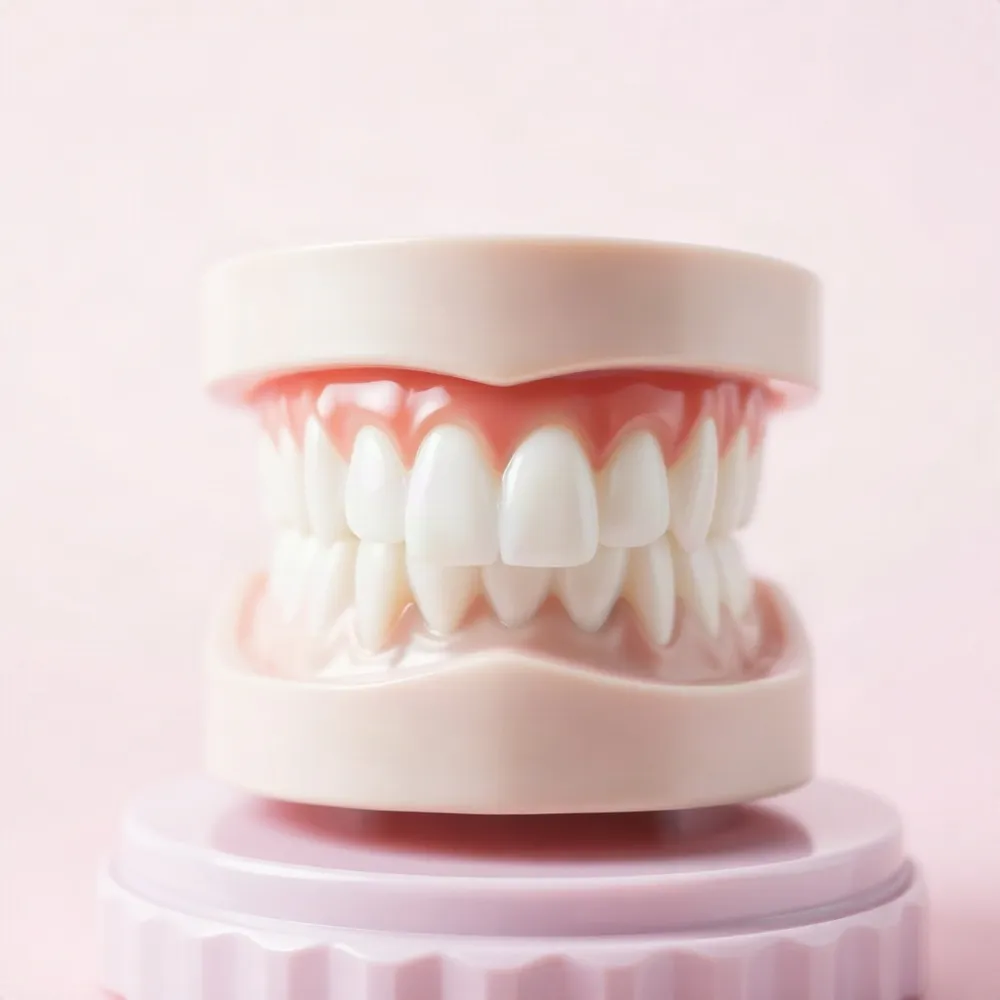
Restorative dentistry focuses on repairing or replacing teeth that are damaged, decayed, or missing, improving your oral health and restoring function. Common restorative treatments include crowns and bridges, fillings, implants, and dentures designed to help you chew, speak, and smile confidently.
Importance of Crowns and Bridges
Dental crowns are custom-made caps placed over weakened or damaged teeth to restore their strength, shape, size, and appearance. They protect and enhance natural teeth, especially after root canal therapy or large cavities. Bridges fill gaps left by missing teeth by anchoring artificial teeth to adjacent natural teeth or implants, preventing teeth from shifting and maintaining proper bite alignment.
Family-Focused Dental Care Benefits
Family dentistry ensures personalized care for all ages, emphasizing comfort and education for every family member. This approach focuses on creating a welcoming atmosphere and using modern techniques to meet each patient's unique needs, whether it’s protecting a child’s growing teeth or restoring an adult’s smile. Prioritizing preventive and restorative care supports lifelong oral health for the entire family.
Understanding Dental Crowns: Types, Uses, and Procedures

What are Dental Crowns and Their Function?
Dental crowns are custom-made caps that fully cover a damaged, weakened, or worn tooth. They restore the tooth's shape, size, strength, and appearance, enabling normal chewing function. Crowns also protect teeth after root canal therapy or when large cavities threaten tooth health.
What Materials Are Commonly Used for Dental Crowns?
Crowns can be made from a variety of materials:
- Porcelain: Offers excellent aesthetics and mimics natural tooth translucency.
- Zirconia: Highly durable and tooth-colored, suitable for front and back teeth.
- Metal: Such as gold and other alloys, known for strength and minimal enamel removal, ideal for molars.
- Porcelain-Fused-to-Metal (PFM): Combines strength of metal with porcelain’s natural look.
- Resin: Generally used for temporary crowns due to lower durability.
These materials for dental crowns are chosen based on durability and aesthetic needs.
When Are Dental Crowns Recommended?
Crowns are indicated for:
- Teeth with large cavities or severe decay
- Cracked or broken teeth
- Teeth treated with root canal therapy
- Misshaped or discolored teeth
- Restoration over dental implants as a protective cap
Guidance on when to choose dental crowns is essential for proper dental care.
How Are Crowns Used Alongside Other Restorations?
Crowns are often components of other dental treatments like bridges and implants. For bridges, crowns anchor artificial teeth (pontics) by covering the adjacent healthy teeth. In implant restorations, crowns are attached to the implant post to replace missing teeth.
Learn more about the function of crowns and bridges and their combined roles in dental restoration.
What Is the Procedure for Dental Crown Placement?
- Initial impression and shade selection
- Tooth preparation by removing enamel
- Taking a precise final impression
- Fitting a temporary crown while the permanent one is made
- Placement of the permanent crown ensuring fit and comfort
The detailed dental crown restoration steps explain the process thoroughly.
What Are Modern Advancements in Crown Technology?
Advances like CAD/CAM technology in dentistry enable same-day crowns. Dentists use digital impressions for dental restorations and in-office milling machines to create durable, well-fitted crowns often within a single visit, enhancing patient convenience and comfort.
Explore same-day dental crowns and the technology behind modern restorative solutions.
How to Maintain Dental Crowns for Longevity?
Proper oral hygiene—regular brushing, flossing, and dental visits—prolongs crown life. Avoiding hard foods and protective measures such as mouthguards during sports help prevent damage. If issues like looseness or cracks appear, contacting a dentist promptly is essential.
See care tips for crowns and bridges to understand maintenance better.
What Dental Services Are Commonly Offered by a Family-Focused Dental Practice?
Family dental practices provide comprehensive care tailored for all ages. They offer restorative treatments including crowns and bridges that repair and replace damaged or missing teeth, supporting overall oral health and function.
For professional services focused on restorative dentistry and dental practice development, explore options that help maintain and enhance your dental health.
Dental Bridges: Replacing Missing Teeth with Stability and Aesthetics
What Are Dental Bridges and Their Benefits?
Dental bridges are fixed dental restorations designed to replace one or more missing teeth, restoring the natural look and function of your smile. They help improve chewing, speaking, and maintain facial structure. Additionally, bridges prevent adjacent teeth from shifting, which can lead to bite problems and jaw pain.
What Types of Dental Bridges Are Available?
Four main types of types of dental bridges serve different patient needs:
- Traditional bridges: Most common; use crowns on healthy teeth on either side of the gap to anchor the bridge.
- Cantilever bridges: Supported on only one side; suitable when only one adjacent tooth is available.
- Maryland (resin-bonded) bridges: Use metal or porcelain wings bonded to the back of neighboring teeth, typically for front teeth with minimal alteration.
- Implant-supported bridges: Anchored on dental implants surgically placed into the jawbone, ideal for multiple missing teeth where implant placement is possible.
How Is a Dental Bridge Placed?
The bridge placement generally requires two to three visits:
- The supporting teeth (abutments) are prepared by reshaping and removing some enamel.
- Impressions of the teeth are taken to custom-fabricate the bridge, often using advanced technology like CAD/CAM dental crowns.
- A temporary bridge protects the area while the permanent bridge is made.
- At a subsequent visit, the permanent bridge is fitted, adjusted for comfort, and cemented in place.
Maryland bridges involve bonding with minimal preparation, while implant-supported bridges require surgical placement of implants and healing time before the bridge is attached. For a detailed dental bridge procedure guide, consider reviewing patient-focused dental care resources.
Tooth-Supported vs. Implant-Supported Bridges
Tooth-supported bridges rely on natural adjacent teeth for anchoring and are typically used when those teeth are healthy enough to support the restoration. Implant-supported bridges provide enhanced stability by anchoring directly to implants, preserving jawbone health, and often lasting longer but require surgery and longer treatment times.
Longevity, Risks, and Maintenance
With diligent oral hygiene, including brushing, flossing (using floss threaders), and regular dental checkups, dental bridges can last from 5 to 15 years. Avoiding hard or sticky foods helps protect the restoration.
Potential risks include damage to supporting teeth if oral health is compromised, and gum inflammation if cleanliness is not maintained. Patients should consult their dentist if the bridge feels loose, or if there is pain, sensitivity, or cracks. For more on care and maintenance of dental bridges, see dedicated resources.
When Are Bridges Recommended?
Dental bridges overview shows bridges are ideal for patients needing a fixed, natural-looking solution to replace one or more missing teeth, especially when dental implants are not an option. They play a crucial role in preventing the shifting of remaining teeth and preserving proper bite alignment, enhancing both oral health and aesthetics.
Family Dental Care and Restorative Services
Family-focused dental practices commonly offer restorative dentistry overview treatments such as dental bridges to address missing teeth, ensuring patients of all ages regain full oral function and maintain a confident smile.
Advancements in Technology Enhancing Restorative Dentistry
How does advanced technology improve the quality of dental care in modern practices?
Modern Restorative dental treatments has greatly benefited from the integration of advanced technology, which plays a crucial role in improving diagnostic accuracy and treatment precision. Digital imaging tools such as CBCT scans in dental implant placement (cone beam computed tomography) scans and intraoral cameras provide detailed, 3D views of teeth and surrounding tissues. This enhanced visualization allows dentists to identify problems early and tailor treatment plans to the individual needs of each patient.
Role of digital imaging, CBCT scans, and intraoral cameras
These imaging technologies capture comprehensive images quickly and with minimal discomfort. CBCT scans in dental implant placement reveal complex anatomical structures crucial for implant placement and Restorative dentistry overview. Intraoral cameras let dentists and patients view real-time images of the mouth, facilitating better understanding and communication about treatments.
CAD/CAM and CEREC technology enabling same-day crowns and precise restorations
CAD/CAM technology in dentistry (computer-aided design/computer-aided manufacturing) systems, including Same-day crowns using CEREC technology, revolutionize Dental crown procedure and bridge restorations by enabling dentists to design and fabricate custom restorations in a single visit. This advancement eliminates multiple appointments and temporary crowns, enhancing patient convenience and care quality.
Laser dentistry and minimally invasive techniques reducing discomfort and recovery time
Laser dentistry tools allow minimally invasive treatments that reduce bleeding, swelling, and discomfort. These techniques accelerate healing times and lower the risk of infection, making Restorative dental treatments more comfortable and less stressful for patients of all ages.
Impact of technology on patient outcomes and comfort
The combined effect of these technologies results in more accurate, efficient, and patient-friendly dental care. Patients experience shorter treatment durations, less discomfort, and better-fitting restorations that blend naturally. Overall, technology advances modern Restorative dentistry overview into a highly personalized and professional service focused on patient comfort and long-lasting oral health.
Compassion and Family-Oriented Care in Restorative Dentistry
What qualities define compassionate dental care?
Compassionate dental care is centered around creating a warm, welcoming environment where every patient feels valued and understood.
It involves empathetic staff who communicate openly and patiently, helping to reduce dental anxiety and fear.
This approach prioritizes patient comfort during restorative dentistry overview, enhancing the overall experience.
Such care builds trust, encourages honest dialogue, and supports personalized treatment planning tailored to each patient’s needs.
Why is family-oriented dental care important for long-term oral health?
Family-oriented care addresses the unique oral health needs of all ages, from young children to seniors, ensuring everyone receives appropriate preventive and restorative dentistry overview.
Having all family members cared for in the same practice promotes regular dental visits, fostering healthy habits and early detection of issues.
This continuity simplifies scheduling, provides consistent education, and strengthens the patient–dentist relationship.
Through comprehensive, holistic care plans, family dental practices can manage conditions that affect multiple generations.
Benefits of compassionate, family-focused restorative dentistry
- Creates a positive, supportive atmosphere that encourages patients to seek timely care
- Provides a trusted, familiar environment that reduces anxiety for both children and adults
- Enables coordinated treatment plans addressing individual and family-wide oral health goals
- Supports long-term oral health by fostering preventive care alongside restorative dentistry overview
Holistic approaches at family dental practices
These practices integrate modern Restorative Solutions Beyond Fillings with patient education and comfort strategies.
By treating each patient as part of a family system, dentists can tailor interventions that preserve oral health and enhance quality of life, guiding families through all stages of dental care with compassion and professionalism.
Caring for Your Crowns and Bridges: Ensuring Longevity and Oral Health

How Should You Care for Your Crowns and Bridges Daily?
Caring for crowns and bridges involves diligent daily routines to maintain oral health. Brushing twice a day with fluoride toothpaste helps remove plaque and food debris. Flossing is equally important; using floss threaders or interdental brushes can clean beneath the bridge and around crowns where standard floss cannot reach. For detailed guidance, see Care tips for crowns and bridges and Maintaining dental crowns.
Why Are Regular Dental Visits Important?
Regular visits to your dentist are crucial for professional cleanings, which help remove hardened plaque and tartar that brushing and flossing cannot eliminate. These check-ups also allow your dentist to inspect the integrity of your crowns and bridges, ensuring they remain secure and damage-free. Learn more from Signs to Visit the Dentist for Bridge Issues and When to see a dentist for crowns.
Which Foods Should You Avoid to Protect Your Dental Restorations?
To prevent damage, avoid hard and sticky foods such as nuts, hard candy, and chewing gum. These can chip or loosen crowns and bridges, compromising their function and longevity. For more information, visit Care for dental crowns and bridges and Avoiding damage to dental restorations.
What Signs Indicate You Should See a Dentist?
If you notice looseness, cracks, chips, pain when chewing, or sensitivity around your restoration, contact your dentist promptly. Early intervention can prevent further complications and may save your restoration. Refer to Signs to Visit the Dentist for Bridge Issues and When to see a dentist for crowns for details.
How Does Proper Maintenance Extend the Lifespan of Crowns and Bridges?
With good care, dental crowns and bridges can last 10 to 15 years, and sometimes up to 30 years. Maintaining excellent oral hygiene, avoiding damaging foods, and regular dental visits are key factors that contribute to this extended lifespan. Learn more about the Longevity of dental crowns and bridges and Lifespan of dental crowns.
Should You Use Protective Gear with Crowns and Bridges?
Wearing a mouthguard during sports or activities prone to dental injury is highly recommended. Protective gear helps shield your restorations from trauma that could lead to fractures or displacement. For guidance, see Protecting dental restorations and Care tips for crowns and bridges.
Maintaining crowns and bridges is an integral part of oral health. Consistent care and regular professional oversight ensure your smile remains healthy, functional, and aesthetically pleasing for many years.
Summary: Achieving Lasting Oral Health with Restorative Solutions
Recap of crowns and bridges benefits and procedures
Dental crowns and bridges are essential restorative treatments that repair damaged teeth and replace missing ones. Crowns protect and strengthen weakened teeth, while bridges fill gaps, preventing shifting and restoring smile confidence.
Role of technology and compassionate care in modern dentistry
Advanced technology like CAD/CAM and same-day crown milling enhances precision and patient comfort. Compassionate, personalized care ensures treatments fit each patient’s unique needs and lifestyle.
Encouragement to seek personalized restorative treatments
Patients are encouraged to consult dental professionals for customized restorative plans that improve oral health, function, and aesthetics.
Importance of maintenance and family dental care for long-term success
Consistent oral hygiene, regular check-ups, and healthy habits are vital to extending the lifespan of crowns and bridges, supporting lifelong dental wellness for all ages.