Introduction to Children's Oral Health
Early start to oral care is crucial for children's dental health.
Beginning dental hygiene even before the first tooth appears by gently cleaning a baby's gums sets the foundation for healthy habits. As teeth emerge, brushing should start promptly to protect against cavities and gum disease.
Benefits of good dental habits for children
Establishing proper care prevents common childhood issues like cavities, infections, and gum problems. Healthy teeth contribute to comfortable eating, clear speech, and positive social experiences, supporting overall wellbeing from infancy through adolescence.
Lifelong oral health begins in childhood
Regular brushing, flossing, balanced nutrition, and early dental visits foster strong enamel and healthy gums. Creating enjoyable routines and positive dental experiences encourages children to maintain these habits into adulthood, ensuring lasting oral wellness and confidence.
Starting Oral Care: From Baby Gums to First Teeth
When should oral care be started for a baby?
How to clean gums before teeth erupt
Brushing the first teeth with fluoride toothpaste
Avoiding harmful practices like bottle-feeding at bedtime
Parents should avoid letting babies fall asleep with bottles containing milk, juice, or any sugary liquids, as this can increase the risk of tooth decay. Limiting sugary drinks and snacks and discouraging sharing of utensils or cleaning pacifiers by mouth also helps reduce the oral bacteria that cause cavities.]
Timing and importance of the first dental visit
Starting baby oral care early with gentle gum cleaning, supervised brushing using fluoride toothpaste, and timely dental visits creates a solid foundation for a healthy smile that lasts a lifetime.
Essential Oral Hygiene Habits for Children
Daily Brushing and Flossing Routines
Good oral hygiene starts with brushing your child's teeth twice a day for two minutes each time. Use a soft-bristled toothbrush and teach your child to angle the brush at 45 degrees toward the gum line to effectively remove plaque. Once your child's teeth begin to touch, typically around age 2 to 3, begin flossing daily to clean between the teeth where a toothbrush can't reach.
Recommended Amounts of Fluoride Toothpaste by Age
For children under 3 years, use a smear or rice-grain-sized amount of fluoride toothpaste to prevent swallowing excess fluoride. Kids aged 3 and older should use a pea-sized amount. Supervision is important until around age 7 or 8 to ensure they spit out toothpaste and brush effectively without swallowing excess fluoride.
Supervision and Teaching Proper Techniques
Parents should supervise brushing until children develop good motor skills, usually by age 6 or 7. Demonstrating gentle circular brushing motions and covering all tooth surfaces helps establish effective habits. Flossing should be assisted until children can do it correctly by age 10. Supervising children's brushing and flossing and teaching proper techniques support healthy oral hygiene.
Limiting Sugary Foods and Drinks
Limiting sugary snacks, sticky candies, and sugary drinks such as soda and juice is essential to reduce cavity risk. Avoid giving infants juice or sweetened drinks in bottles, especially at bedtime, to prevent tooth decay. Encouraging a balanced diet rich in fruits, vegetables, dairy, and whole grains supports oral health. See more on diet and oral health in children.
Regular Dental Visits and Professional Preventive Care
Schedule your child's first dental visit within six months of the first tooth eruption or by their first birthday. Regular visits every six months help catch problems early and allow professional cleanings, fluoride treatments, and dental sealants, which prevent 33% to 80% of cavities in children. Creating a positive and welcoming dental environment encourages lifelong dental care.
| Habit | Description | Age Recommendation |
|---|---|---|
| Brushing | Twice daily for two minutes with fluoride toothpaste (Using Fluoride Toothpaste) | Start as soon as first tooth erupts |
| Flossing | Once daily when teeth touch, supervised until age 10 (When to start flossing) | Typically starts age 2 to 3 |
| Fluoride Toothpaste Amounts | Smear under 3; pea-sized 3 and older | Supervise until age 7-8 |
| Diet Control | Limit sugary snacks and drinks, avoid bedtime bottles (Limiting juice for babies | All ages |
| Dental Visits | First visit by age 1 or within 6 months of first tooth (Regular dental checkups for children | Regular 3-12 months thereafter |
Establishing Good Dental Habits: Guidance and Parental Role
How can oral hygiene be explained to a child effectively?
Explaining Nurturing Healthy Oral Habits to children is most effective when it is fun and hands-on. Parents and caregivers can engage kids with activities like making homemade toothpaste, creating flossing crafts, and building simple models that demonstrate brushing techniques. Educational tools such as coloring books, activity sheets, and short videos help reinforce the lessons in an enjoyable way.
Teaching children about fluoride’s role in strengthening enamel, the importance of healthy eating, and risks like vaping encourages understanding beyond daily habits. Emphasizing Regular Dental Visits for Children and preventive care like mouthguards integrates oral health into their routine.
Making brushing and flossing fun and engaging
To foster enthusiasm, use flavored or character-themed toothbrushes and toothpastes. Playing favorite songs, using Dental Timers for Brushing, or incorporating games during brushing creates a positive experience. Reward systems with praise, stickers, or non-food incentives motivate children to maintain Good dental habits for children.
Role modeling by parents
Children imitate adults; when parents brush and floss regularly in front of their kids, it encourages adoption of the same behaviors. Family brushing time can build routine and mutual encouragement. Parents acting as oral hygiene role models is key to instilling lifelong habits.
Using positive reinforcement and educational tools
Positive reinforcement such as verbal praise or small rewards helps build lasting habits. Books and digital media that explain oral care help children understand why these routines matter. Addressing fears and keeping experiences positive ensures children look forward to Dental Visits for Children.
Supervision duration and transition to independence
Parents should supervise brushing and flossing until children are about 6 to 10 years old, depending on the child’s skill level. Gradually allowing children to take responsibility ensures proper technique is maintained. Regular check-ins and guidance remain important to reinforce Proper brushing technique for kids.
Through patient guidance, fun engagement, and consistent support, parents can help my child develop good oral health habits that last a lifetime.
Recognizing and Addressing Poor Oral Hygiene in Children
What are the signs of poor oral hygiene?
Signs of poor oral hygiene in children include persistent bad breath and changes in gum appearance such as redness, swelling, or bleeding during brushing and flossing. These symptoms often signal inflammation or early gum disease. Early tooth decay may present as cavities or tooth sensitivity due to plaque buildup. Other warning signs include mouth sores, persistent white or red patches, and a coated tongue that looks creamy or fuzzy. For more details, see Oral Health Tips for Children.
Why is early detection through dental visits important?
Early dental visits, ideally by a child’s first birthday or within six months after the first tooth appears, are crucial for timely detection of oral health problems. Regular checkups enable dentists to identify early signs of decay and gum issues before they worsen. These visits also help children get comfortable with dental care, reducing anxiety and encouraging lifelong good oral habits. Learn more about First Dental Visit Timing and Early Dental Visits Benefits.
What preventive measures protect children's teeth?
Fluoride varnish and dental sealants are effective preventive treatments applied during dental visits. Fluoride varnish strengthens enamel and can reduce cavities in primary teeth by about one-third. Sealants provide a protective coating on back teeth and can prevent up to 80% of cavities in these vulnerable areas. Daily brushing with fluoride toothpaste and supervised flossing further help prevent plaque buildup. See Fluoride Varnish Benefits and Dental Sealants to Prevent Cavities.
How do diet and environmental factors impact oral health?
Diet plays a significant role; frequent consumption of sugary snacks and drinks increases the risk of cavities. Limiting sugary beverages and sticky sweets, especially between meals, helps protect teeth. Environmental factors like secondhand smoke also elevate the risk of dental problems by increasing cavity susceptibility and gum disease. Information on Limiting Sugary Snacks and Drinks and Impact of Secondhand Smoke on Cavities is available.
What role do dental professionals play in managing children’s oral health?
Dental professionals guide parents and children on proper oral hygiene techniques, dietary advice, and tailored preventive care. They perform regular exams, apply fluoride and sealants, and provide early intervention when issues arise. Establishing a trusting relationship with a skilled provider fosters a positive dental experience and supports long-term dental health in children. More insights can be found on Dental Care for Children and Establishing Lifelong Dental Habits.
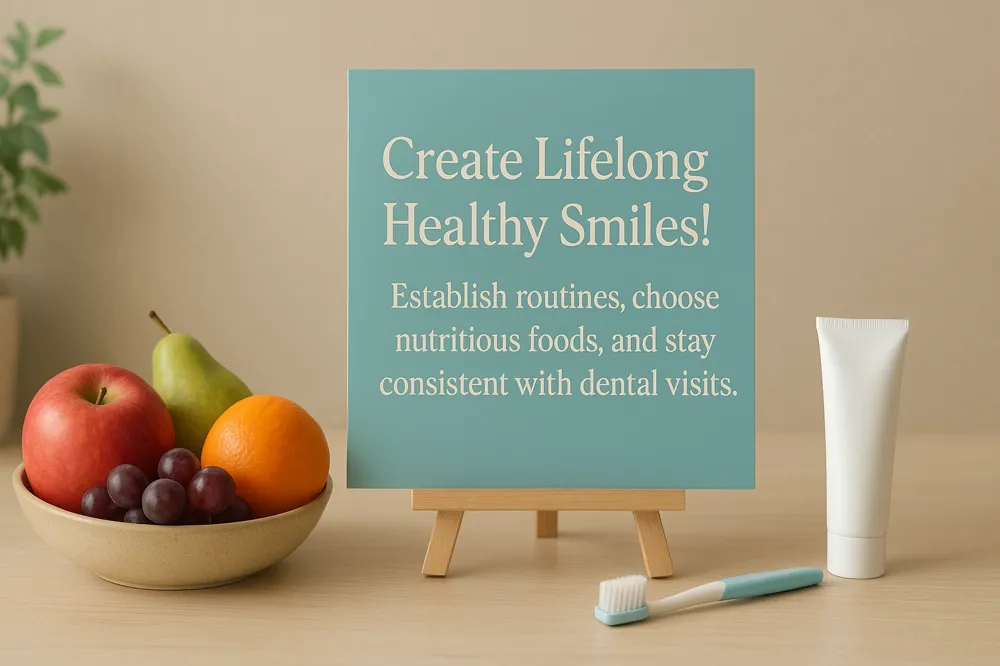
Creating Lifelong Healthy Smiles: The Importance of Routine and Diet
What is Good Oral Hygiene for Kids?
Good oral hygiene begins early, even before the first tooth appears. Gently cleaning infant gums with a damp cloth after feedings keeps the mouth fresh and prepares toddlers for brushing. Once teeth emerge, it is important to brush twice daily using fluoride toothpaste — a smear amount for children under 3 and a pea-sized amount for older kids.
Flossing should start as soon as teeth touch, usually around age 2 to 3, with parental help continuing until about age 10+. These routines remove plaque that causes cavities and gum disease.
Establishing Consistent Brushing and Flossing Routines
Encouraging children to brush thoroughly for two minutes twice a day builds lifelong habits. Using fun toothbrushes or playing songs can make brushing enjoyable and motivate kids.
Supervising their brushing and flossing ensures proper technique and helps prevent swallowing excess toothpaste.
Role of Nutrition in Oral Health
A balanced diet rich in fruits, vegetables, dairy products, and whole grains supports healthy teeth and gums. Limiting sugary snacks and sticky candies, especially outside mealtimes, reduces cavity risks. Offering water instead of juice or soda protects enamel by washing away food residues and maintaining saliva flow.
Importance of Fluoride Exposure Through Water and Products
Fluoride strengthens tooth enamel and reduces cavities. Many communities add fluoride to tap water, which benefits children’s teeth. Using fluoride toothpaste daily along with fluoride varnish or treatments at dental visits enhances protection against decay.
Regular Dental Visits Including Preventive Treatments
Children should begin dental visits by their first birthday or within six months of their first tooth eruption. Regular checkups every six months can include cleanings, X-rays, fluoride treatments, and dental sealants. Sealants protect the chewing surfaces of back teeth and can prevent 80% of cavities in those teeth.
Establishing these early habits and maintaining routine dental care encourage healthy smiles that last a lifetime and support overall wellness for children.
Conclusion: Nurturing a Lifetime of Healthy Smiles
Establishing lifelong oral health begins with early, consistent care.
Parents play a crucial role by starting dental habits before the first tooth appears, gently cleaning gums, and supervising brushing twice daily with fluoride toothpaste as teeth emerge. Introducing flossing when teeth touch deepens hygiene practices.
Regular dental visits are vital for early problem detection, professional cleanings, fluoride treatments, and sealants, contributing to cavity prevention and monitoring development.
Creating a positive, fun environment around dental care encourages children to embrace good routines confidently. Praise and rewards motivate ongoing attention to oral health.
Long-term, these efforts reduce cavity risks, support proper speech and nutrition, and enhance self-esteem. Establishing these foundations helps children enjoy a healthy smile and improved well-being throughout life.