Introduction to Comprehensive Family Dentistry
What is Family Dentistry?
Family dentistry offers a wide range of dental care services tailored to patients of all ages, from toddlers through seniors. It focuses on addressing oral health needs at every stage of life with personalized treatments designed for each developmental phase.
Importance of Dental Care Across All Ages
Maintaining good oral health is essential for overall wellness. Early childhood dental visits establish healthy habits, while adult and senior dental care prevent and manage conditions like cavities, gum disease, and tooth loss. Regular checkups and preventive care allow for early detection of oral health issues, fostering lifelong benefits.
Services Offered in Family Dentistry
Common services include routine exams, professional cleanings, fluoride treatments, sealants, fillings, crowns, bridges, root canals, extractions, orthodontics, cosmetic dentistry, and dental implants. These comprehensive options ensure patients have access to all necessary care in one trusted practice.
Modern Technology and Compassionate Care
Family dentists employ advanced technologies such as digital X-rays, laser dentistry, and 3D imaging to enhance diagnostic accuracy and treatment effectiveness. Alongside cutting-edge methods, compassionate care creates a welcoming environment that reduces patient anxiety and promotes trusting relationships for lasting oral health.
Preventive Dental Care for Every Life Stage

When should dental care begin for infants and children?
Dental care ideally begins before the first teeth emerge by gently cleaning the gums with a soft, damp cloth. Dental care for infants should start by age one, which helps detect problems early and encourages the development of healthy habits. This early start sets a foundation for lifelong oral health.
What preventive treatments help protect teeth at different ages?
Preventive strategies include fluoride treatments that reinforce tooth enamel against decay and dental sealants that protect molars' deep grooves from cavities. In addition to professional treatments, professional teeth cleanings remove plaque and tartar that cannot be eliminated through routine brushing, keeping teeth and gums healthy across all ages.
How should oral care adapt during teenage years?
Teenagers should be vigilant with oral hygiene, particularly when using braces or orthodontic appliances. Oral hygiene for teenagers with braces are essential, alongside minimizing sugary drinks and completely avoiding tobacco products. Monitoring wisdom teeth in teens is important during this period to prevent complications.
What are essential oral hygiene practices for adults?
Adults should commit to Daily oral hygiene habits like brushing twice daily with fluoride toothpaste and flossing regularly. Regular dental checkups every six months help manage and prevent issues such as gum disease and cavities. Adopting a healthy lifestyle, including a balanced diet and avoiding tobacco, further supports oral and overall health.
What special dental care do seniors require?
Seniors often experience challenges like dry mouth and receding gums. Special care includes Hydration and oral health for seniors, gentle daily oral hygiene routines, and consistent Regular dental check-ups for seniors to monitor gum health and screen for oral cancer. Prosthetic options like dentures or implants may be necessary to maintain oral function and quality of life.
By addressing these age-specific needs through Family dentistry Sacramento, personalized preventive care can promote strong, healthy smiles at every life stage.
Comprehensive Dental Treatments Spanning All Ages

What routine services are included in family dentistry?
Routine dental care is the foundation of Family dentistry Sacramento and includes Routine dental exams, Professional teeth cleanings, Fluoride treatments, and Dental sealants. These services help prevent cavities, detect early dental issues, and maintain healthy teeth and gums across all ages. Preventive dental care encourages good habits, reduces disease risk, and supports long-term oral health for toddlers, children, adults, and seniors alike.
Which restorative treatments address damaged or missing teeth?
Restorative dentistry offers solutions to repair and replace damaged or missing teeth, restoring function and smile appearance. Common treatments include Fillings and extractions for cavities, crowns to protect weak teeth, and bridges to span gaps. For significant tooth loss, dentures and Dental Implant Dentist Midland Park provide stable, natural-looking replacements. Full-mouth rehabilitation may be recommended for complex cases involving extensive dental damage or jaw issues.
How is cosmetic dentistry integrated into comprehensive family care?
Cosmetic dental procedures enhance the appearance of smiles while ensuring oral health is preserved. Popular options include Professional teeth cleanings, porcelain veneers to improve tooth shape and alignment, and smile makeovers tailored to individual goals. Family dentists integrate these treatments seamlessly with preventive and restorative care, promoting confidence at every age.
What orthodontic options are available across age groups?
Orthodontic care supports proper teeth alignment and bite function for both children and adults. Early orthodontic evaluations identify alignment issues, allowing timely intervention. Treatment choices include traditional braces and clear aligner options like Invisalign, which cater to various age groups and lifestyles. Orthodontic treatments help address crowding, spacing, and bite irregularities while contributing to oral health.
How do family dental practices handle emergencies and complex cases?
Family dental practices are equipped to manage urgent dental problems such as toothaches, injuries, and infections with prompt emergency exams and treatment. They also provide care for complex conditions including Gum disease management, Root canal treatments, TMJ disorders, and fabrication of customized mouthguards for teeth grinding or sports. These services ensure comprehensive, compassionate care that adapts to each patient's unique needs.
The Role of Advanced Technology and Personalized Care

What advanced technologies improve family dental care?
Modern family dentistry benefits significantly from advanced technologies such as laser dentistry for gum therapy, 3D digital imaging for dental care, Dental AI in dentistry, and guided implant surgery. These tools enhance diagnostic precision and treatment efficiency, allowing for clearer imaging and less invasive procedures that increase patient comfort.
How are dental implants utilized in family dentistry?
dental implants services, including mini dental implants and full arch dental restoration, serve as durable and comfortable options for replacing missing or damaged teeth. They are suitable for adults with sufficient bone structure and are tailored to individual needs, supporting both functional chewing and aesthetic appearance.
Why is personalized care important?
Personalized dental care involves designing treatment plans that consider each patient's age, developmental stage, and specific health goals. This approach ensures that treatments are effective and responsive to unique needs, making dental visits more positive and reducing anxiety, especially for younger or anxious patients.
How does technology support patient comfort and outcomes?
The integration of modern diagnostic tools and minimally invasive techniques reduces discomfort during procedures. These advancements improve treatment success and foster a trusting relationship between patients and the dental team, contributing to better long-term oral health outcomes such as those described in Building lasting patient relationships.
Building Lifelong Relationships for Sustained Oral Health

How do family dentists build trust across generations?
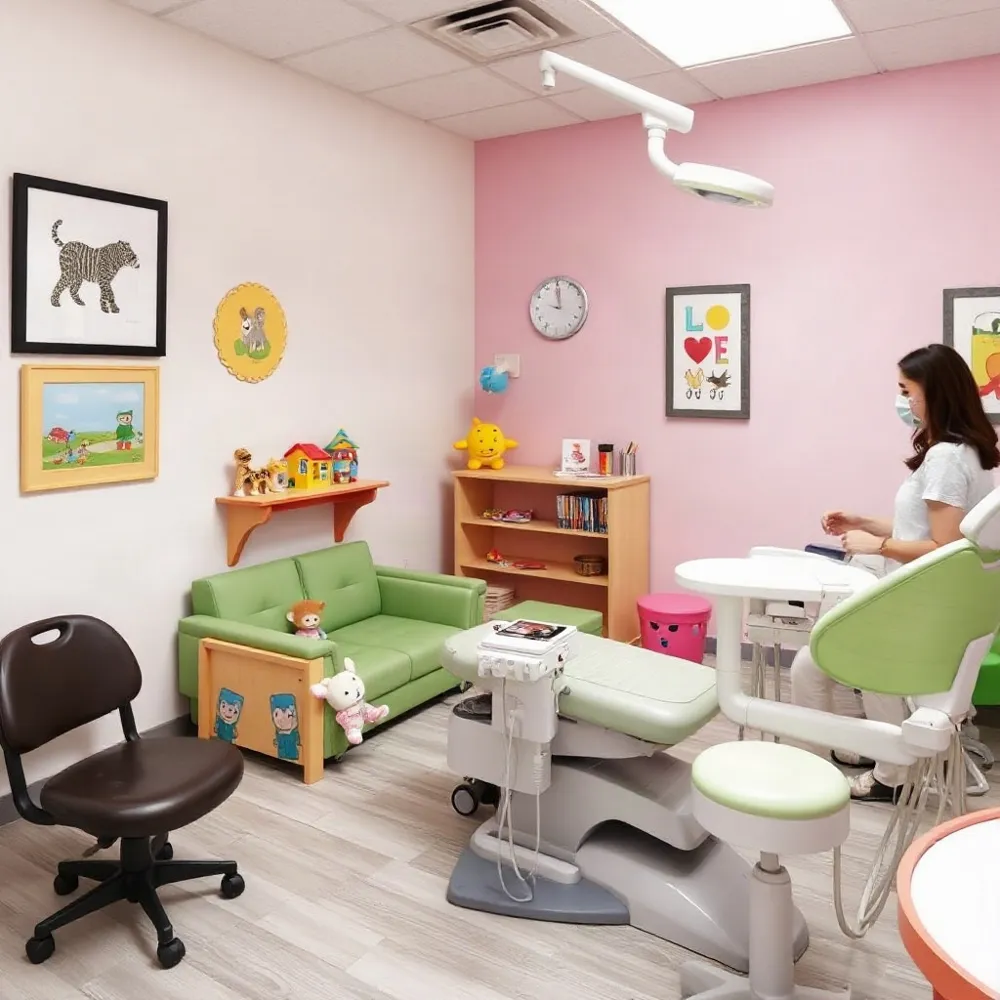
Family dentists cultivate trust through compassionate care and positive interactions designed to make patients of all ages comfortable. They use tailored approaches, especially for children, employing playful techniques and gentle communication to reduce dental anxiety. For adults, consistent, respectful care maintains confidence in the dental team’s expertise and compassion. Learn more about Family dentistry Sacramento and how they build trust across generations.
What role does patient education play?
Patient education is fundamental in family dentistry. Dentists continuously equip families with guidance on effective oral hygiene techniques, proper diet, and preventive care measures such as Fluoride treatments and Dental sealants. This ongoing education empowers patients to maintain oral health between visits and prevents dental problems from developing. For comprehensive insights, see Oral hygiene education as a core component of care.
Why is continuity of care beneficial?
Continuity of care offers numerous advantages; when patients see the same dentist across life stages, the provider gains a comprehensive understanding of their oral health history and needs. This familiarity facilitates early detection of issues and ensures treatment plans are consistent and personalized, leading to better long-term outcomes. Explore benefits of Lifelong dental care and Comprehensive dentistry services for more details.
How do community ties impact family dental practices?
Family dental practices that are deeply rooted in their communities, like Veenstra Family Dental with over 35 years of service, enjoy strong patient trust. Their engagement fosters a welcoming environment where personalized care is prioritized. Their reputation often reflects friendly, reliable service that benefits patients with accessible, compassionate dental care. Discover how community involvement boosts Building lasting patient relationships and patient-centered treatment.
Building lifelong patient relationships through trust, education, continuity, and community commitment is central to successful family dentistry, ensuring healthy smiles for generations. For more about Comprehensive Family Dental Care and Patient comfort in dental care, visit the linked resources.
Addressing Oral Health Challenges Across Age Groups

What are frequent dental problems encountered across different ages?
Dental issues such as tooth decay, gum disease, cavities, tooth sensitivity, and bad breath are common across all age groups. These concerns vary in their presentation but require tailored management depending on the patient’s stage of life. For example, children are more prone to childhood caries, while adults frequently encounter gum disease and tooth sensitivity.
How are age-related oral health challenges managed?
Managing oral health effectively means recognizing challenges specific to each life stage. For children, preventing early childhood caries through gentle cleaning, fluoride treatments, and dental sealants is essential. Teenagers need monitoring for orthodontic needs and the emergence of wisdom teeth which may call for timely intervention or removal.
Adults often face gum disease, which can be controlled via professional teeth cleanings, gum therapy, and maintaining excellent daily oral hygiene habits. Seniors confront unique issues like dry mouth—often a medication side effect—and an increased risk of oral cancer. Regular dental checkups for seniors and hydration strategies are crucial for this group.
What preventive measures reduce risk of these issues?
Prevention is the cornerstone of lifelong oral health. Routine regular dental checkups at least twice a year, professional teeth cleanings, fluoride treatments, and dental sealants play vital roles in preventing and mitigating dental diseases. Patient education tailored to age and individual risks fosters effective oral hygiene education.
By adopting these preventive and restorative strategies, dental professionals ensure that patients across all ages receive compassionate, comprehensive care that supports their oral health tips for adults and overall well-being.