Introduction to Comprehensive Family Dentistry
Understanding Family Dentistry
Family dentistry is a specialized field providing dental care to patients of all ages, from infants to seniors. This inclusive approach allows one dental practice to address the unique oral health needs of the entire family, making dental care more convenient and continuous.
Why Care for All Ages Matters
Maintaining oral health across all life stages is essential. Early dental visits help children build healthy habits and reduce anxiety, while adult and senior care focuses on prevention and management of more complex conditions like gum disease and tooth loss. Family dentistry supports lifelong oral health by adapting treatments according to developmental and age-related changes.
Common Services Offered
Family dentists offer a wide range of services including routine exams, professional cleanings, fluoride treatments, sealants, cavity fillings, extractions, root canals, orthodontics, gum disease management, and cosmetic procedures such as teeth whitening. Preventive care and patient education are central, helping families avoid future dental problems and maintain beautiful, healthy smiles.
The Pillars of Preventive Care for Every Age

What Preventive Dental Measures Are Recommended for Children, Adults, and Seniors?
Preventive dental care is essential across all ages, tailored to meet unique needs at each stage of life. For children, it includes Dental Check-ups and Cleanings for Children, professional cleanings, fluoride treatments, and Dental Sealants to protect against cavities and support healthy development. Teenagers may also benefit from Orthodontic Services and wisdom tooth monitoring.
Adults maintain oral health with regular exams and cleanings, fluoride applications, and early treatment of issues like gum disease. For seniors, preventive care extends to managing age-related conditions, emphasizing gum disease control and regular Oral Cancer Screenings to address higher risks.
Why Are Routine Checkups, Cleanings, Fluoride Treatments, and Sealants Important?
Routine dental visits every six months, as advised by the American Dental Association Dental Recommendations, play a critical role in maintaining oral health. During these visits, dentists conduct examinations and professional cleanings to remove plaque and detect early signs of problems.
Fluoride Treatments strengthen teeth by making them more resistant to decay, benefiting all age groups. Sealants, mainly used in children and teens, provide a protective barrier on chewing surfaces, preventing cavities and tooth misalignment.
How Do Patient Education and Early Intervention Support Lifelong Oral Health?
Family Dentistry emphasizes educating patients and their families on proper oral hygiene practices, such as effective brushing and flossing techniques, healthy dietary choices, and reducing sugary foods. This education fosters lifelong habits that prevent dental diseases.
Early intervention during routine dental visits enables prompt treatment of cavities, gum inflammation, or other conditions before they worsen, reducing the need for extensive procedures and promoting better oral health outcomes.
How Often Should Patients Visit the Dentist?
It is generally recommended to schedule dental Regular Dental Check-Ups and Cleanings twice yearly; however, individual frequency may vary based on personal risk factors such as history of cavities, gum disease, or systemic health conditions. Family dentists tailor visits to each patient's needs, ensuring personalized and effective care that supports preventive health throughout every life stage.
Comprehensive Services Tailored to Generations
Range of Treatments Offered in family dentistry
Family dentistry provides an extensive spectrum of dental services designed to cater to patients of all ages. These services encompass regular dental checkups, professional dental cleanings, X-rays, fluoride treatments, dental sealants, and oral health education aimed at preventing common issues like cavities and gum disease. The approach is comprehensive dental services, ensuring that each family member receives care tailored to their unique developmental stage and oral health needs.
Pediatric Care Including Anxiety Reduction and Special Services
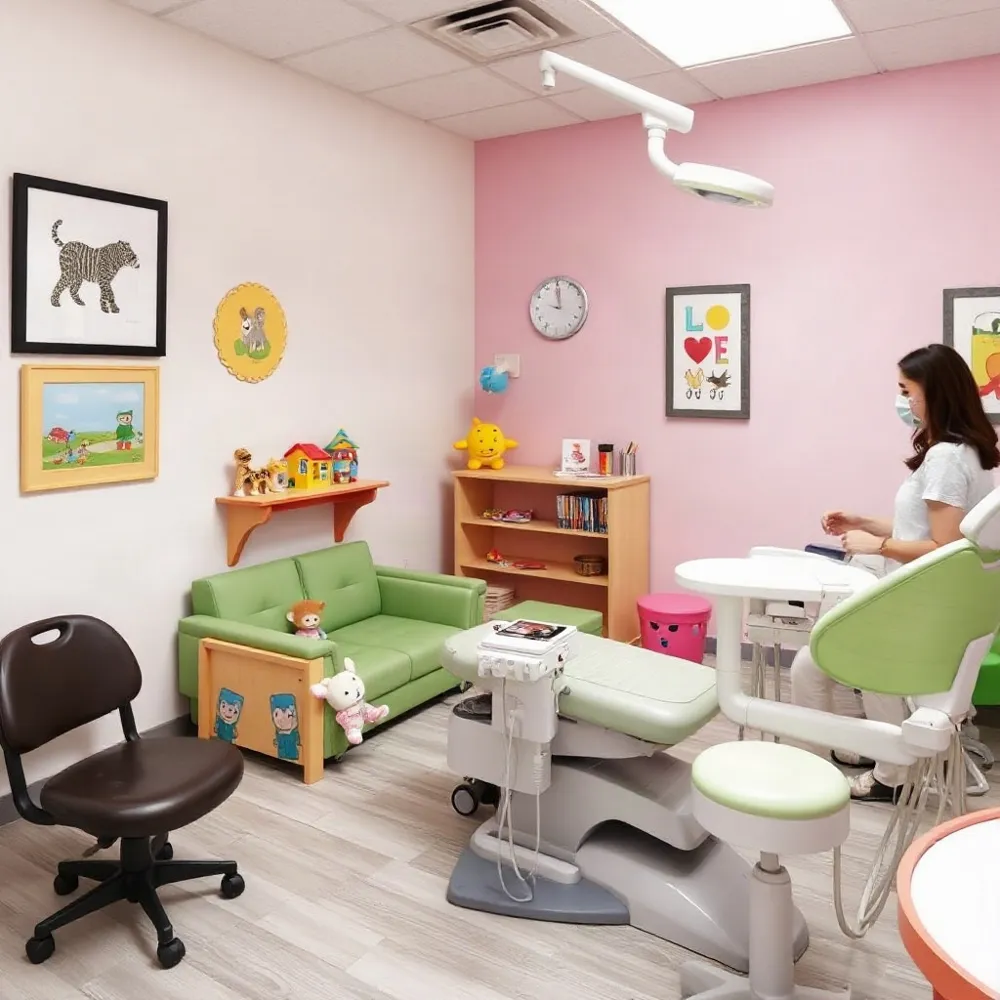
Early dental visits for children are crucial in establishing positive experiences for children and reducing anxiety related to dental care. Family-friendly dental services often create a welcoming atmosphere with child-friendly amenities, such as play areas, and offer sedation dentistry with laughing gas for anxious young patients. Preventive treatments for children include fluoride treatments and sealants to protect developing teeth, setting a foundation for lifelong oral health.
Adult Restorative and Cosmetic Treatments
Adults benefit from a wide array of restorative options including cavity fillings and root canal therapy, crowns, bridges, and dental implants and Invisalign to restore function and aesthetics after decay or injury. Cosmetic dentistry options such as teeth whitening services and porcelain veneers are also commonly offered to enhance smile appearance. Personalized dental care consider individual needs and preferences, with modern dental technology improving both comfort and outcomes.
Senior Dental Care Including Implants, Dentures, and Gum Disease Management
Senior dental care patients receive specialized care addressing age-related dental concerns. Treatments focus on preventing and managing gum disease treatment, restoring teeth with dentures and dental implants, and maintaining oral function and comfort. Regular screenings and preventative measures are emphasized to support overall health and quality of life.
Orthodontics and Emergency Dental Care
Orthodontic treatments such as braces and Invisalign are integrated within family dentistry to correct alignment issues from childhood through adulthood. Additionally, family dental practices offer emergency dental treatments to promptly address trauma, severe pain, or urgent dental problems, ensuring comprehensive care is accessible when it is most needed.
Building Lifelong Relationships and Trust
What are the advantages of continuity of care with a family dentist?
Continuity of care with a family dentist provides numerous benefits for patients of all ages. Having one trusted dental provider means your dental history is consistently monitored, allowing for early detection and personalized treatment of dental issues. This long-term relationship enhances tailored care that adapts with your changing dental needs—from childhood through senior years. It also simplifies scheduling appointments and managing dental records for the entire family, making dental care more convenient and efficient.
How does continuity of care reduce dental anxiety?
Familiarity with a family dentist and their team creates a welcoming environment that reduces dental anxiety, especially for children. When patients regularly visit the same dentist, they build trust over time, which lessens fear and stress associated with dental visits. Many family dental practices prioritize gentle care techniques and offer sedation options in pediatric dentistry to further comfort anxious patients. A stable, caring relationship encourages patients to seek timely care without hesitation.
What are personalized treatment plans across life stages?
Family dentists develop treatment plans that address the unique dental needs of each life stage. For young children, this may include fluoride treatments, dental sealants and cavity prevention. As patients grow, orthodontic care and wisdom tooth evaluations become important. Adults benefit from preventive cleanings, restorative treatments like fillings and crowns, and cosmetic options such as whitening. Senior dental care often focuses on managing gum disease, dentures, implants, and preserving natural teeth. Personalized care ensures optimal oral health throughout each phase of life.
How do family dentists promote oral health habits and diet?
Education is a cornerstone of family dentistry. Dentists teach proper oral hygiene techniques—brushing, flossing, and effective dental care routines—tailored to each age group. They also inform families about diet choices that support oral health, encouraging balanced eating while limiting sugary foods and drinks to prevent cavities. Parents are guided on how to set positive examples for children, fostering lifelong healthy habits. These educational efforts empower families to maintain strong oral health traditions across generations.
Technology and Accessibility in Modern Family Dentistry

How is advanced technology enhancing family dentistry?
Modern family dentistry practices integrate advanced technology to improve patient care and comfort. Digital X-rays, for instance, expose patients to up to 90% less radiation compared to traditional X-rays, making diagnostics safer. Additionally, CAD/CAM technology in dental crowns like CEREC® allows for single-visit dental crowns, significantly reducing treatment time and improving convenience.
What makes family dental care affordable?
Affordability remains a priority in family dentistry. Many practices accept most major dental insurance plans, including PPOs, which lower out-of-pocket expenses. Clinics often offer membership plans—for example, a Dental membership plan $200/year providing exams, cleanings, and discounts on treatments—helping families manage costs effectively. Flexible payment methods including cash and credit cards further enhance accessibility.
How do family dental offices accommodate busy families?
Family-friendly dental services environments are crucial. Many offices feature play areas for children and emphasize creating a welcoming atmosphere to ease dental anxiety. Flexible scheduling options like evening and Saturday hours accommodate diverse family routines, ensuring dental care fits comfortably into busy lives.
How do dental practices serve diverse communities?
To ensure accessibility, some practices provide bilingual services, for example, English and Spanish dental care, breaking language barriers and fostering better communication. Location convenience, free parking, and community-centered care reflect modern dentistry's commitment to inclusivity and accessibility for all family members.
Ensuring Oral Health as a Family Legacy
How Do Family Dentists Promote Intergenerational Oral Health?
Family dentists play a crucial role in fostering lifelong oral health habits across all ages. By serving patients from infancy through senior years, they provide continuous care tailored to each life stage. This continuity allows for early detection and prevention of dental issues such as cavities, gum disease, and misalignments that might otherwise persist within families.
Why Is Early Detection and Prevention Vital in Family Dentistry?
Regular dental visits to a family dentist enable prompt identification of potential oral health problems. Preventive treatments like fluoride applications and sealants in children help prevent decay. For adults and seniors, routine exams and cleanings manage gum health and detect conditions early, reducing the need for complicated interventions.
What Role Do Parents Have in Shaping Children’s Dental Habits?
Parents influence children by modeling good oral hygiene and reinforcing healthy routines. Family dentists educate families about proper brushing and flossing techniques, healthy diets low in sugar, and regular dental visits. Encouraging positive experiences and open communication about dental care helps reduce anxiety and instills long-term commitment to oral health.
How Does Family Dentistry Link Oral Health to Overall Well-being?
Oral health is integral to general health; infections or untreated dental problems can affect systemic conditions. Family dentists emphasize this holistic connection, promoting preventive care and educating families about nutrition and lifestyle choices that support both oral and overall wellness. Their comprehensive approach ensures that maintaining a healthy smile contributes to lifelong health and confidence.
Conclusion: The Vital Role of Family Dentistry in Lifelong Health
Comprehensive, Personalized Care for All Ages
Family dentistry offers tailored oral care for every family member, from young children to seniors. This approach ensures preventive, restorative, and cosmetic needs are met in one trusted place, with customized treatments that evolve through life stages.
Sustained Oral and Overall Health
By promoting regular check-ups, early problem detection, and education on healthy hygiene habits, family dentistry plays a crucial role in preventing dental diseases. Its continuous care model supports not only oral health but also contributes to overall wellness, making it an essential foundation for lifelong health.