Why a Multi‑Generational Dental Checklist Matters
Keeping every member of a household on the same oral‑health schedule creates an effect that benefits the whole family. When parents, teens, adults and seniors share a coordinated checklist, regular six‑month exams and cleanings become a routine rather than a surprise, allowing the dental team to spot signs of decay, gum disease or oral cancer before they require extensive treatment. Consistent fluoride varnish, sealants for children and periodontal screenings for adults are applied at the right age, while modern tools such as digital X‑rays and intra‑oral cameras give clinicians a view of hidden problems. A unified approach also reduces anxiety, builds trust in a office, and reinforces healthy habits that last a lifetime. By tracking each step on a sheet, families can celebrate milestones together and stay motivated toward smiles.
Understanding Dental Hygiene Across Cultures
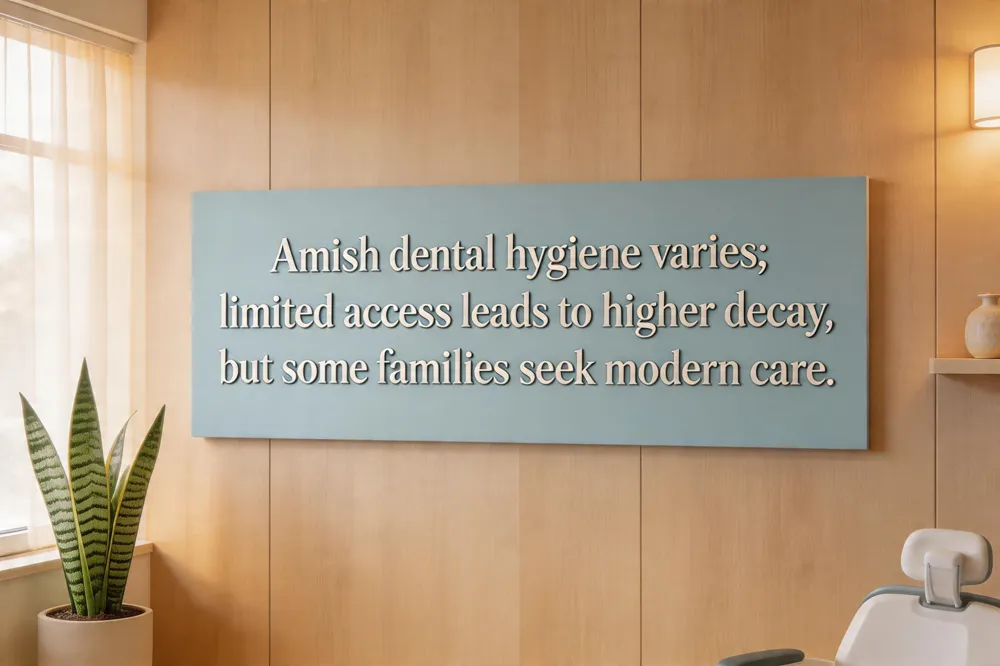 The Amish community does not have a uniform level of dental hygiene; it varies widely from family to family and region to region. Many Amish individuals have limited access to regular dental care because of distance, lack of insurance, and religious preferences, which often results in higher rates of untreated tooth decay and extractions. Studies of Amish children show that only about one‑third have seen a dentist in the past year, and a significant portion never receive professional care. However, an increasing number of Amish families are now seeking modern dental services and even orthodontic treatment, so some do maintain relatively healthy teeth. In short, while dental hygiene challenges are common among the Amish, it is inaccurate to assume that all Amish people have poor dental health.
Family‑focused dental practices can help bridge this gap by offering flexible scheduling, back‑to‑back appointments, and a welcoming atmosphere that respects cultural values. Modern preventive tools—fluoride varnish, sealants, digital imaging, and gentle sedation options—make routine cleanings and early detection of decay more comfortable and accessible for every generation, including those from underserved communities.
By coordinating care across ages, a family dentist can personalize oral‑health strategies, reinforce good habits through fun activities, and ensure that all members—children, adults, and seniors—receive the preventive care they need to keep their smiles healthy for life.
ADA Guidelines for Professional Cleanings
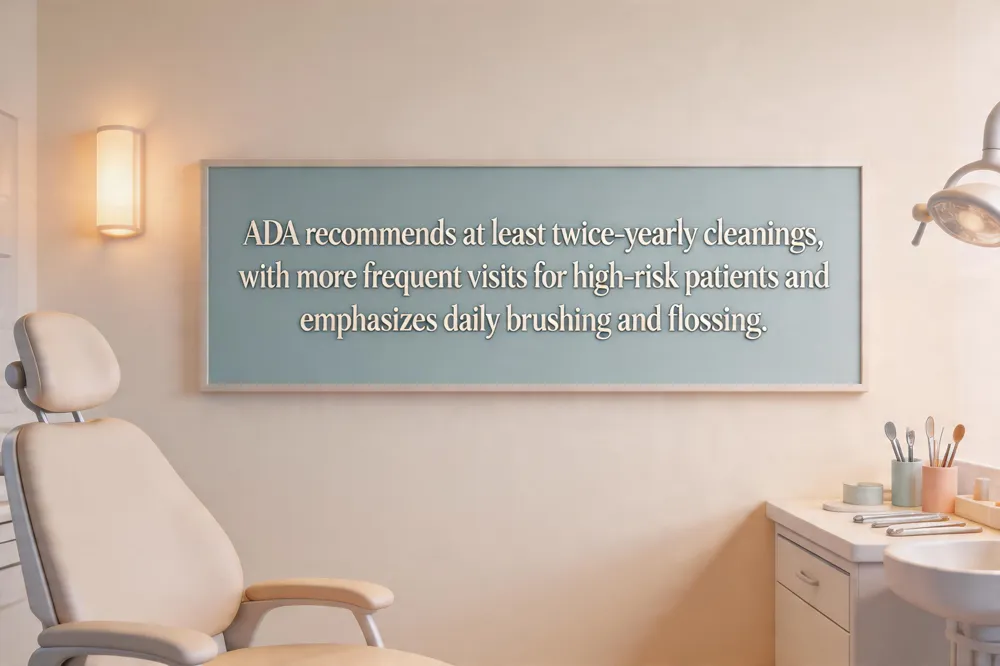 The American Dental Association (ADA) recommends that most patients receive a professional dental cleaning (prophylaxis) at least twice a year, typically during a routine exam and prophylaxis appointment. Your dentist may recommend more frequent cleanings—such as every three to four months—if you have a higher risk of cavities, gum disease, or other oral‑health concerns.
Cleaning frequency: Minimum twice‑yearly cleanings, with increased frequency for high‑risk individuals.
Risk‑based scheduling: Dental professionals assess factors such as age, medical history, medication use (e.g., causing xerostomia in seniors), oral‑hygiene habits, and disease history to customize recall intervals.
Home oral‑care reinforcement: The ADA emphasizes daily brushing twice a day for two minutes with fluoride toothpaste and daily flossing or interdental cleaning. Consistent home care helps maintain the benefits of professional cleanings and reduces the likelihood of cavities and periodontal disease.
Always discuss your individual risk factors with your dentist to tailor a cleaning schedule that supports lifelong oral health.
ADA Recommendations for Routine Dental Visits
 Regular dental visits form the backbone of lifelong oral health. Exam schedule: The American Dental Association (ADA) advises a comprehensive exam, professional cleaning (prophylaxis), and appropriate X‑rays at least twice a year—typically every six months. High‑risk patients (history of cavities, gum disease, smoking, diabetes, orthodontic appliances) may need more frequent appointments, while low‑risk individuals can extend the interval under a dentist’s guidance. Personalized risk assessment: At each visit the dentist reviews medical history, medication use, diet, and oral‑hygiene habits to tailor a preventive plan. This individualized approach determines the need for fluoride varnish, sealants, or more aggressive periodontal monitoring. Radiographic guidelines: Modern digital radiography is preferred for its low radiation dose. The ADA recommends using the minimum number of images needed for diagnosis—bite‑wing X‑rays for caries detection, panoramic or 3‑D scans when evaluating bone health or planning implants—while discontinuing routine lead aprons and thyroid collars. Adhering to these evidence‑based recommendations helps catch problems early, reduces treatment complexity, and supports a healthy smile for every family member.
Key Dental Pain Management Rules
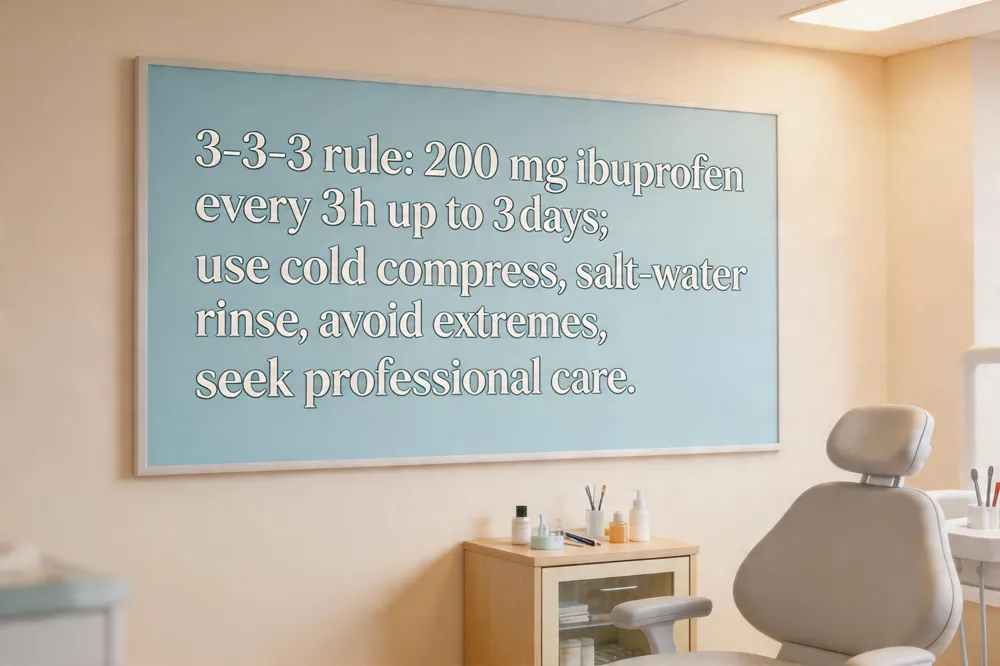 When dental discomfort strikes, following clear guidelines can help you stay comfortable while awaiting professional care. The widely‑cited 3‑3‑3 rule advises taking three 200‑mg tablets of ibuprofen every three hours, but no more than three days total. This schedule targets inflammation—the root cause of most tooth pain—while minimizing the risk of overdose. In addition to ibuprofen, pain control strategies include: using a cold compress on the cheek to reduce swelling, rinsing gently with a salt‑water solution to keep the area clean, and avoiding very hot or cold foods that can aggravate sensitive teeth. If you have medical conditions or take other medications, discuss alternatives such as acetaminophen or prescription analgesics with your dentist. Remember, over‑the‑counter pain relievers are a temporary measure; a prompt dental appointment is essential to address the underlying issue and prevent complications.
What Comprehensive Dental Care Means for Families
 Comprehensive dental care is a one‑stop, family‑focused approach that blends preventive, restorative, cosmetic, and surgical services under one roof. It begins with routine cleanings, fluoride treatments, sealants and X‑ray in, and oral‑cancer screenings that catch problems early for children, adults and seniors. When decay or damage is found, restorative options such as tooth‑colored fillings, same‑day CEREC crowns, or minimally invasive silver‑diamine fluoride can preserve natural teeth. Cosmetic choices—including professional whitening, veneers, and digital smile design—help families achieve confident smiles without multiple office trips. Surgical procedures, from simple extractions to implant placement and advanced periodontal therapy, are performed with modern imaging and gentle anesthesia to ensure comfort. By coordinating care across generations, a trusted family dentist creates personalized plans, uses the latest technology, and offers a warm, anxiety‑free environment that supports lifelong oral health for every household member.
Family‑Focused Oral Health Strategies
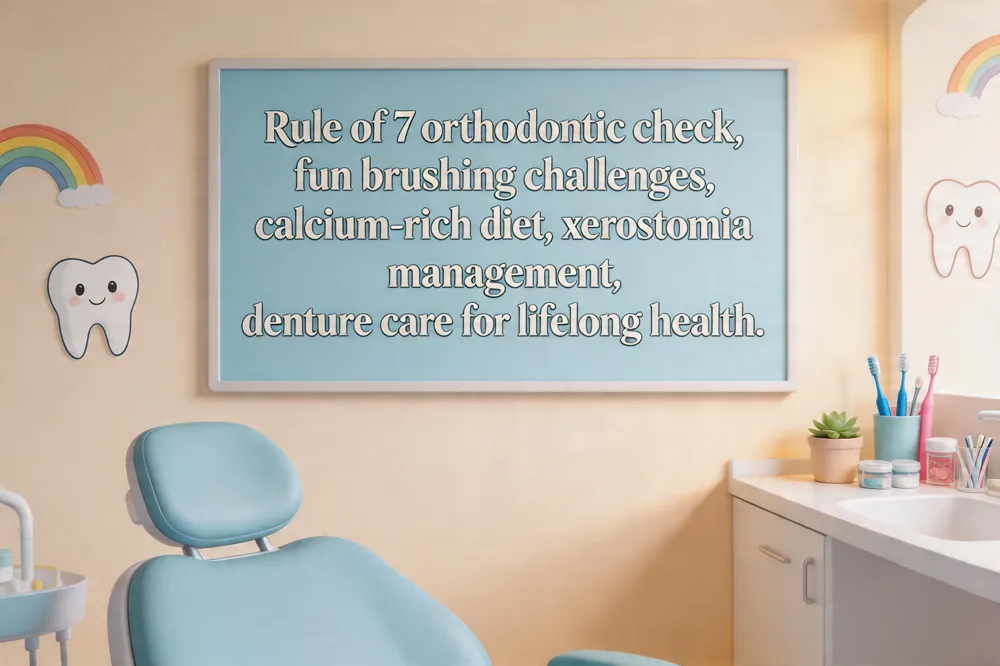 Q: What is the rule of 7 in dentistry? A: In dentistry, the rule of seven refers to the age when children should have their first orthodontic evaluation, around age 7. Early screening can identify bite problems and guide timely treatment, reducing later work.
Family dental activities—like a brushing‑challenge chart, a scavenger hunt for healthy snacks, or a sticker reward system—make oral care fun and reinforce good habits for kids and adults alike.
Nutrition for strong teeth emphasizes calcium‑rich foods such as cheese, yogurt, leafy greens and crunchy fruits and vegetables like apples and carrots that naturally clean surfaces. Limiting sugary drinks and snacks protects enamel for every generation.
Managing xerostomia in seniors involves staying well‑hydrated, using saliva substitutes and avoiding alcohol‑based rinses, which together lower decay risk.
Proper denture care and maintenance includes daily brushing of the denture, overnight soaking, and regular check‑ups to prevent irritation, infection, and gum disease. Our caring team guides every family member well. Ensuring smiles for generations ahead.
Putting the Checklist Into Practice
Coordinated scheduling lets families book back‑to‑back appointments for children, adults and seniors, reducing missed school or work days and keeping the household on a six‑month preventive rhythm. Our office greets every patient with a warm, child-friendlyfriendly environment and invites parents to share any anxiety, allergies or medication concerns so the dental team can tailor care for each generation. During each visit we reinforce oral‑health lessons—using colorful charts, floss‑pick demos and simple diet tips—so kids see brushing as a game while adults hear evidence‑based advice on gum disease, dry mouth and periodontal maintenance. After the exam we update the family’s oral‑health checklist, track fluoride varnish, sealant or denture needs, and adjust recall intervals, ensuring a personalized, adaptable plan that evolves with every age‑related change, and supports lifelong smiles for the whole family.