Introduction to Efficient Dental Scheduling
The Role of Scheduling in Dental Practices
Efficient scheduling is fundamental in dental care settings, directly impacting both patient satisfaction and the daily operations of the practice. By planning appointment times thoughtfully, dental offices can ensure smoother workflows, minimize wait times, and optimize resource use, including staff and treatment rooms.
How Scheduling Influences Patient Experience and Practice Efficiency
A well-structured schedule improves the overall patient experience by reducing wait times and providing timely access to care. It also eases the workload on the dental team, alleviating stress and creating a positive, organized clinical environment. This balance between patient comfort and operational efficiency supports sustained practice growth and high-quality care delivery.
Common Challenges Faced in Dental Scheduling
Dental scheduling frequently encounters obstacles such as no-shows, variable appointment lengths, and balancing preventive versus complex procedures. Additionally, accommodating patient preferences and integrating new technologies require adaptive scheduling methods, which can be challenging but necessary to meet modern patient expectations.
Together, recognizing the importance of efficient scheduling and addressing these common challenges paves the way for enhanced patient service and smooth practice functionality.
Fundamental Scheduling Principles and Time Management
What are best practices for general scheduling?
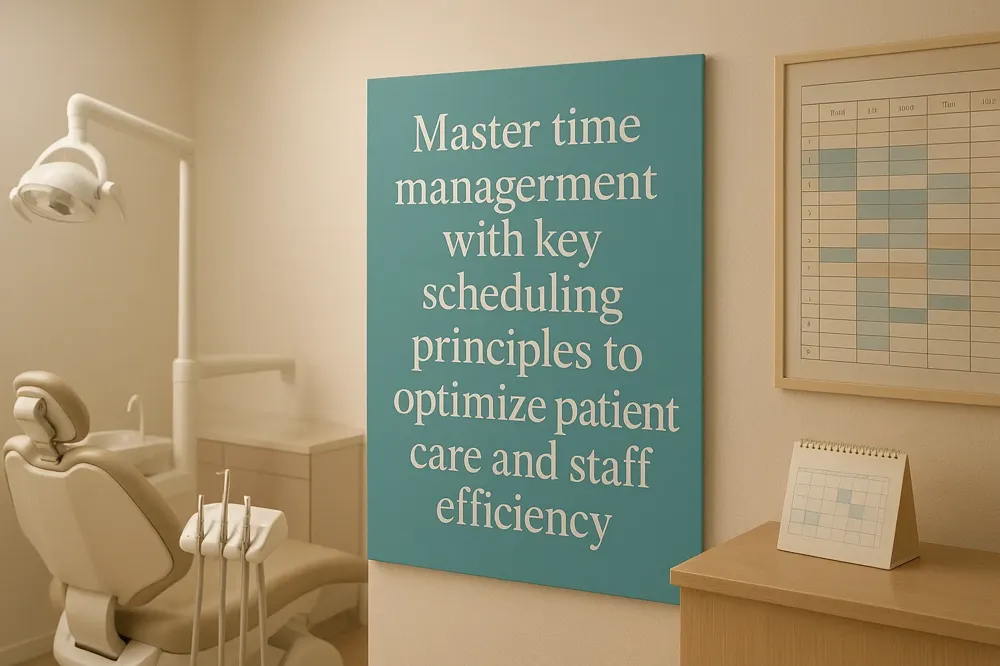
Effective dental practice scheduling hinges on thoughtful time management strategies that optimize both patient care and staff workflow. One foundational best practice is dividing the workday into manageable time blocks. This involves separating the day into segmented periods, often in 10- or 15-minute increments, tailored to different appointment types and procedural complexities (Dental scheduling efficiency tips, Dental appointment scheduling guidelines, Dental appointment scheduling).
Accurate estimation of appointment durations is crucial. By conducting routine time studies that consider procedure specifics and preparatory or cleanup activities, practices can allocate appropriate time slots to each service, helping avoid overbooking and minimizing patient wait times (Smart dental office scheduling tips, Optimizing dental practice scheduling).
Assigning specific tasks or patient appointments to these blocks ensures a balanced schedule where complex procedures receive sufficient time while shorter visits fill smaller gaps. This systematic allocation supports smoother daily operations and prevents scheduling conflicts among clinical and administrative teams (Appointment scheduling in dental practices, Effective dental scheduling.
Equally important is integrating buffer periods and breaks between appointments. Brief interludes allow for unforeseen delays, sterilization processes, and provide staff the opportunity to rest and prepare for subsequent patients. This reduces stress and maintains a consistent pace throughout the day, enhancing overall patient experience (Effective dental scheduling tips, Wave Scheduling Benefits).
Adhering to these scheduling fundamentals fosters a practice environment that is efficient, patient-centered, and conducive to high-quality dental care (Effective dental scheduling strategies, Dental scheduling best practices).
Practical Scheduling Approaches: Wave Scheduling and Time Blocking
What is Wave Scheduling and Why is it Useful?
Wave scheduling is a method where multiple patients are booked to arrive within the same time window, such as two patients scheduled on the hour and one on the half-hour. This approach helps accommodate the natural variability in appointment length, as dental procedures can range from quick cleanings to more complex treatments.
By allowing the dentist to start with whichever patient is ready first, wave scheduling reduces patient waiting times and optimizes provider utilization, effectively preventing bottlenecks caused by appointments that run shorter or longer than anticipated.
Strategic Time Blocking and Cluster Scheduling
Time blocking divides the day into segments dedicated to specific types of appointments. For example, mornings may reserve blocks for complex procedures like crowns or implants, while afternoons can focus on routine cleanings and check-ups.
Cluster scheduling groups similar appointment types together, minimizing transition times between different treatments and streamlining workflow. This supports better resource allocation and reduces room and staff downtime.
Balancing Appointment Types Within the Schedule
A well-designed schedule considers the complexity and duration of different appointments. New patient examinations and preventive visits, which often require more time, are scheduled with sufficient buffer, while shorter procedures are interspersed to maximize productivity without rushing care.
Practices may also schedule new patients during less busy times, such as late mornings, to fill gaps and ensure focused attention.
Easy Scheduling Practices for Dental Patients
Convenient options like online scheduling portals empower both new and returning patients to book appointments easily at any time. Automated appointment reminders via text or email reduce missed appointments by prompting patients ahead of their visits.
Scheduling follow-up visits during the current appointment streamlines continuity of care and patient adherence. Keeping a centralized and color-coded calendar facilitates clear communication among dental staff, aiding in efficient and personalized patient management.
Together, these approaches foster a patient-centered, efficient practice environment that supports high-quality dental care for all ages.
Leveraging Technology for Simplified Appointment Scheduling
How to make scheduling appointments easier?
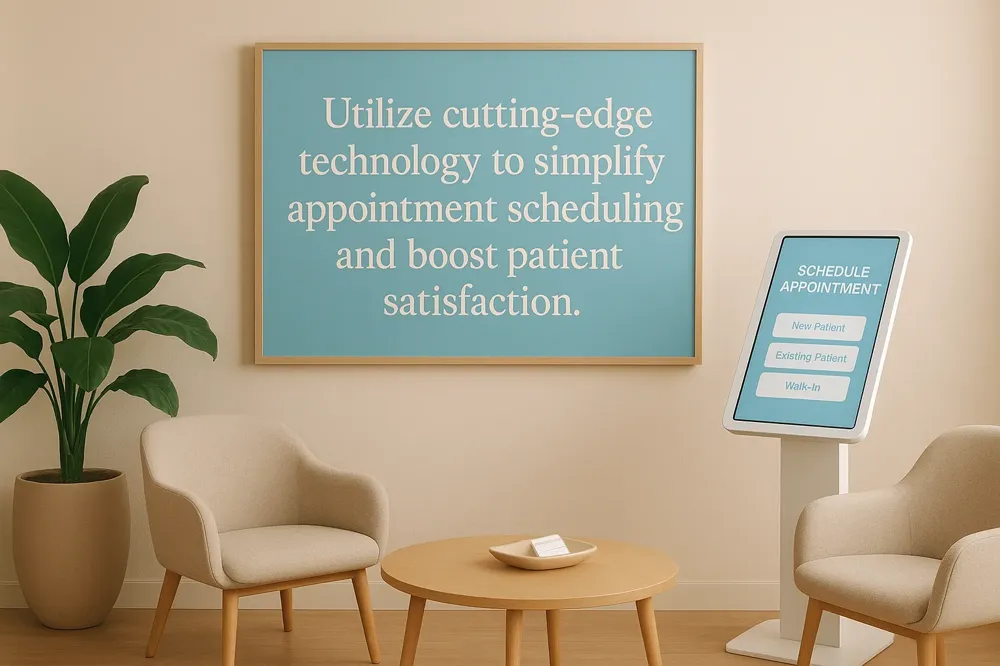
Scheduling dental appointments can be greatly simplified by adopting modern scheduling technology tools tailored for both patients and dental practice staff. Online self-scheduling platforms allow patients to conveniently book appointments anytime, without the need to call during office hours. These platforms typically sync with the practice's calendar, providing real-time availability, which helps avoid double-bookings and scheduling conflicts.
Online self-scheduling platforms
Patients value the flexibility to manage their own appointments through secure online dental scheduling portals. These platforms often include pre-filled patient information fields for fast booking and let patients choose appointment types and times that fit their schedule. This autonomy enhances patient satisfaction and reduces administrative workload.
Automated appointment reminders via email and text
Automated appointment reminders sent via email and SMS play a crucial role in reducing no-shows. These reminders can be scheduled at optimal intervals—immediately after booking, a few days prior, and the day before the appointment—prompting patients to confirm or reschedule as needed. Practices see markedly improved attendance and smoother daily workflows through this automation.
Integration of scheduling software with practice management systems
When scheduling tools are integrated with broader practice management software, the front desk staff gains access to comprehensive patient records, insurance details, and treatment plans. This integration streamlines workflows, facilitates billing accuracy, and enables proactive communication with patients, further improving scheduling efficiency.
Reducing no-shows and improving patient communication via automation
By combining self-scheduling with automated reminders, dental offices can significantly cut no-show rates. Automated messaging also allows patients to conveniently communicate changes, and real-time updates help staff adapt quickly. Such systems alleviate staff stress while creating a more patient-friendly, organized scheduling process.
By leveraging these technologies, dental practices can offer a more modern, seamless scheduling experience that suits today's patient expectations and enhances overall practice productivity and patient care.
Effective Scheduling Protocols to Optimize Patient Flow and Care
How to properly schedule dental appointments?
Scheduling dental appointments effectively is essential for providing personalized and efficient care for patients of all ages. The first step is to categorize dental procedures based on their complexity and typical duration. Routine hygiene appointments, simple check-ups, and quick restorative treatments should be assigned shorter slots, while complex procedures like crowns, root canals, and implants require longer, dedicated time blocks. This approach aligns with Dental appointment scheduling guidelines and Efficient dental scheduling.
Categorizing procedures for appropriate time allocation
Dental teams should analyze average procedure times, including preparation and wrap-up activities, to accurately allocate appointment lengths. This helps prevent rushed visits or extended wait times. Performing regular time studies ensures schedules align with actual clinical requirements, allowing for buffer time to handle unexpected delays. Best practices such as Strategic time blocking for dental procedures and Managing dental procedure times support optimal scheduling efficiency.
Modified wave and time-specified scheduling
Adopting scheduling models such as modified wave scheduling—where multiple patients are booked close together and seen in the order they arrive—or time-specified scheduling can optimize patient flow. These methods accommodate variability in appointment lengths and reduce bottlenecks by allowing flexibility within standardized time blocks.
Importance of reserving emergency slots
A critical component is reserving specific daily slots for emergency or urgent care patients. This ensures prompt attention without disrupting the overall schedule and supports a welcoming, responsive practice atmosphere, as discussed in Scheduling emergency appointments efficiently.
Overlapping tasks using multiple operatories and dental assistants
Exploiting multiple operatories and the skills of dental assistants enhances productivity. For example, while the dentist treats one patient, helper staff can prepare the next patient or complete necessary post-appointment tasks in other rooms. This overlapping maximizes operator time and reduces patient wait periods, in accordance with Using multiple exam rooms and dental assistants and Efficient dental scheduling practices.
Communicating cancellation policies and confirming appointments
Clear communication with patients about cancellation policies helps minimize no-shows and late cancellations. Practices should confirm appointments through personalized calls, texts, or automated appointment reminders, respecting patient preferences. Confirmations reduce scheduling gaps and demonstrate a patient-centric approach, as highlighted in Appointment confirmation best practices and Automated appointment reminders.
Implementing these protocols fosters a well-organized, efficient scheduling system, balancing patient needs with practice capabilities to create a professional, comfortable dental care experience, supported by Dental scheduling best practices and Effective scheduling in dental offices.
Strategies to Attract and Retain Patients Through Scheduling Efficiency
How can dental practices attract new patients?
Dental practices can draw in new patients by maintaining an informative and easy-to-navigate website featuring patient testimonials. Active engagement on social media platforms helps raise awareness and builds trust. Offering attractive promotions and flexible financing options makes dental care more accessible. Community involvement through sponsoring local events and educational outreach enhances visibility. Implementing dental patient referral strategies encourages satisfied patients to recommend the practice, while soliciting positive online reviews further strengthens reputation.
Why is scheduling convenience important for patient retention?
Convenient scheduling is a cornerstone of retaining patients. Offering flexible hours—including early mornings, evenings, and weekends—caters to diverse patient schedules. Simplified appointment booking through online platforms and patient self-scheduling empowers patients to manage visits at their convenience, reducing barriers. These strategies decrease no-shows and cancellations, fostering regular care compliance.
How do follow-up appointments and recall scheduling improve retention?
Booking follow-up visits during the current appointment ensures continuity of care and improves patient adherence to treatment plans. Utilizing practice management software to track recall appointments and proactively contacting patients who have not scheduled their next visit maintains engagement and prevents lapses in oral health maintenance.
What role do patient reminders and personalized communication play?
Automated reminders via text, email, and phone calls significantly reduce missed appointments. Personalized communication, such as thank-you messages, treatment updates, and educational materials, strengthens patient relationships and encourages ongoing commitment. Employing multiple communication channels respecting patient preferences enhances effectiveness.
Implementing these comprehensive scheduling strategies enables dental practices to attract new patients and build lasting relationships, ensuring efficient operations and improved oral health outcomes for all ages.
Patient Education and Routine Scheduling Guidelines for Optimal Oral Health
What is the 2-2-2 rule in dentistry?
The 2-2-2 rule in dentistry is a simple guideline to help patients maintain good dental hygiene and preserve oral health. It encourages brushing teeth twice daily for two minutes each time, ensuring all tooth surfaces are cleaned thoroughly. Additionally, it recommends visiting the dentist twice a year for professional cleanings and comprehensive exams. Following this routine helps prevent dental issues like cavities and gum disease, supporting long-term oral wellness. For more on Routine dental care, visit the linked resource.
What is the Rule of 7 in dentistry?
The Rule of 7 in dentistry is a developmental milestone guideline indicating that by age seven, most children have their permanent first molars and have lost many primary (baby) teeth. This stage marks an ideal time for an orthodontic evaluation to identify any bite or alignment concerns early. Addressing these issues during childhood enables interventions that promote optimal function and appearance, contributing to lifelong oral health. For tips on Scheduling family dental appointments and managing visits for children, see the linked information.
Importance of Routine Recall Visits
Routine recall appointments, typically every six months, are critical for ongoing dental wellness. These visits allow dental professionals to monitor oral health, perform cleanings, detect early signs of problems, and educate patients on care techniques. Scheduling regular recalls helps maintain a healthy smile and can reduce the need for complex treatments. Learn more about Recare Appointments and strategies for increasing recare compliance.
Educating Patients on Scheduling to Promote Compliance and Health
Effective patient education involves clear communication about the benefits of routine scheduling and oral care habits. Practices often encourage patients to schedule their next appointment before leaving the office to improve adherence. Providing resources about proper brushing, flossing, and the importance of recalls reinforces patient engagement. Personalized care approaches and convenient scheduling options foster positive experiences and promote consistent oral health maintenance for patients of all ages. Discover more about Effective Strategies to Encourage Dental Patients and Optimizing dental practice scheduling for enhancing patient compliance.