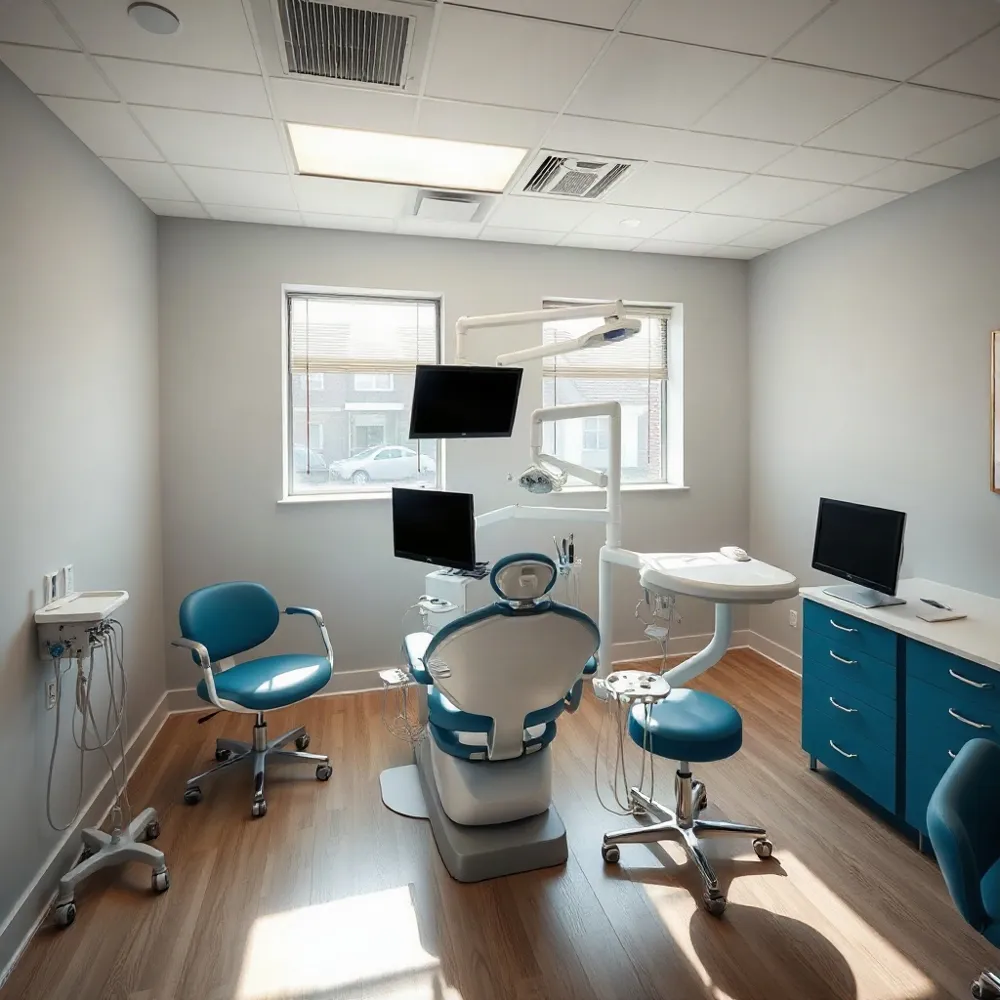
Introduction to Family Dentistry Services for Growing Children
Overview of Family Dentistry Tailored to Children’s Evolving Needs
Family dentistry provides comprehensive oral care for patients of all ages, with special attention to children’s unique dental needs. Family dentists are trained to support oral health from infancy through adolescence, offering preventive care, routine checkups, treatments, and early orthodontic evaluations. Their goal is to maintain healthy smiles throughout every stage of childhood while supporting comfortable, positive experiences.
Importance of Early Dental Care for Children
Early dental visits are essential, recommended by dental associations to occur within six months of the first tooth’s appearance or by the age of one. These visits help establish good oral hygiene habits, prevent tooth decay, and identify potential problems early. Routine biannual checkups, cleanings, fluoride treatments, and sealants play vital roles in protecting young teeth and fostering positive attitudes toward dental health.
How Dental Care Adapts as Children Grow
As children grow, dental care adapts to their developmental stages. For infants, care focuses on gum cleaning and monitoring first teeth. Preschoolers receive more extensive preventive care and guidance on brushing and flossing. During mixed dentition (ages 6-12), dentists monitor the transition from baby teeth to permanent teeth, conducting orthodontic screenings to detect alignment issues early. Adolescents may receive orthodontic treatments like braces or clear aligners, alongside continued preventive and restorative care, ensuring healthy smiles into adulthood.
Understanding the Roles: Family Dentist vs. Pediatric Dentist
What is the difference between a family dentist and a pediatric dentist?
Family dentistry in Riverside, CA and Pediatric Dentistry in Brentwood, CA both play important roles in dental care, but their training and focus differ significantly. Pediatric dentists undergo specialized education focused on children's unique oral health needs, child development, and behavior management. This training enables them to provide a welcoming, child-friendly environment that helps reduce dental anxiety and encourages positive attitudes toward dental care.
Family dentistry in Riverside, CA provide comprehensive dental care for patients of all ages—from children to seniors. They handle routine exams, cleanings, restorative treatments, and emergency care for the entire family. While family dentists are trained to treat children, Pediatric Dentistry in Brentwood, CA specialize in early dental interventions such as fluoride treatments and sealants, and guidance on oral hygiene and nutrition tailored to children's growth stages.
The specialized care pediatric dentists offer for children’s unique needs
Pediatric Dentistry in Brentwood, CA focus on prevention and early intervention to support healthy dental development. They monitor key stages like tooth eruption, mixed dentition, and orthodontic needs. Pediatric care includes managing habits like thumb sucking, providing pain-free treatment options, and offering guidance to parents on establishing good oral hygiene routines. These dentists also use kid-friendly technology and sedation options to ensure comfortable visits.
How family dentists serve the whole family including adults and seniors
Family dentistry in Riverside, CA offer a broad spectrum of services under one roof, catering to every family member's dental health. Beyond children’s care, they provide treatments for adults such as gum disease management, crowns, dentures, cosmetic procedures, and TMJ evaluations. Their comprehensive approach ensures convenience and continuity of care for families, with an emphasis on preventive checkups every six months to maintain long-term oral health.
| Role | Focus Area | Unique Features |
|---|---|---|
| Pediatric Dentist | Children's oral health | Specialized training, child-friendly care, early intervention, behavior management |
| Family Dentist | All ages (children to seniors) | Comprehensive care, restorative and cosmetic treatments, convenience for families |
This clear distinction helps families choose the right care path, ensuring personalized and professional dental services adapted to each patient's age and needs.
Stages of Dental Development in Children: From Infancy to Adolescence
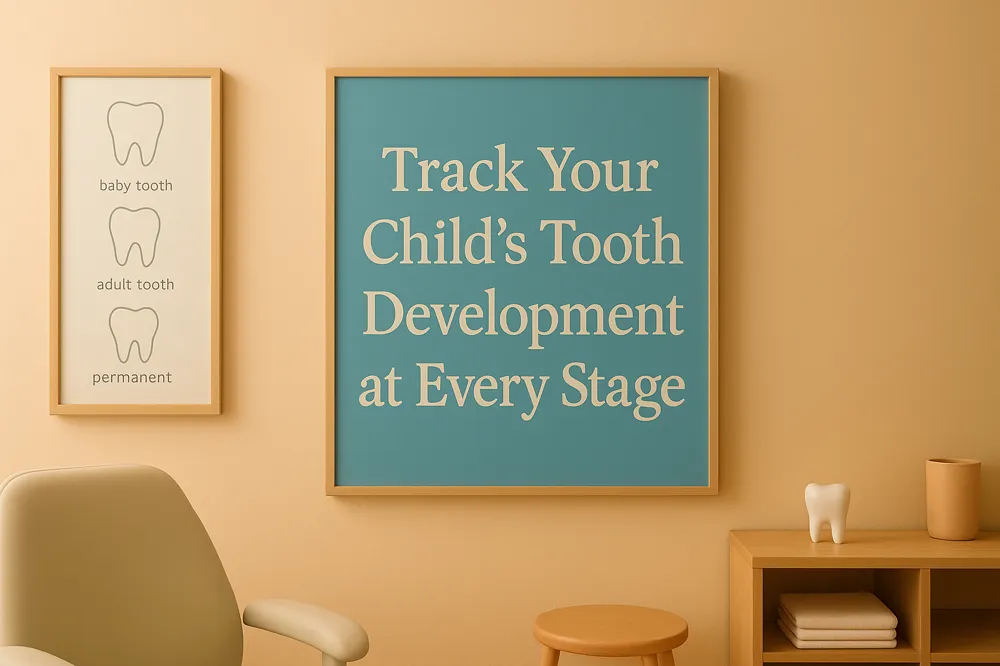
What is the typical baby tooth schedule for children?
Children usually start getting their baby teeth around six months of age. This process continues until about three years old, when most children have a full set of 20 primary teeth. These teeth are important as they help with chewing, speech development, and hold space for the permanent teeth that will follow. For more details, see childhood tooth development.
What teeth do children typically lose around the age of six years old?
Around age six, children begin losing their primary teeth, starting with the lower central incisors. These baby teeth gradually fall out between ages 6 and 12, allowing permanent teeth to emerge. This is a natural part of growth, with lateral incisors, canines, and molars following in sequence. Learn more about Baby teeth formation timeline.
What are the eruption dates of primary and permanent teeth in children?
Primary teeth typically erupt between 6 and 33 months, beginning with the mandibular central incisors. Permanent teeth start coming in around age six, beginning with the mandibular central incisors and first molars. This eruption continues until wisdom teeth arrive between ages 17 and 21. The development generally moves from front to back and lower to upper jaw. See comprehensive info on Baby teeth and permanent teeth development.
How are developmental milestones significant to dental care needs?
Monitoring tooth eruption helps identify issues such as crowding or malocclusion early. These concerns often appear during the mixed dentition period when children have both primary and permanent teeth. Early orthodontic evaluation can guide timely interventions, improving outcomes and potentially reducing treatment duration. Understanding more about Child's dental development stages.
Understanding these stages enables dentists and parents to provide age-appropriate care, ensuring healthy dental development and fostering positive lifelong oral habits. For further guidance on pediatric care, visit Pediatric dentistry in Murrieta, CA.
Preventive Pediatric Dental Care: Building Healthy Habits Early
Why Is the First Dental Visit Important by Age One or Within Six Months of First Tooth Eruption?
Early dental visits are vital to set the stage for a lifetime of good oral health. The American Academy of Pediatric Dentistry Recommendations recommend scheduling your child’s first dental appointment by age one or within six months of the first tooth’s appearance. This initial visit allows dentists to monitor dental development, provide guidance on hygiene, and detect any early concerns, ensuring that dental care becomes a familiar and positive experience for children.
What Preventive Treatments Support Children's Oral Health?
Preventive care is essential to protecting children’s teeth from decay and other dental problems. Treatments commonly include:
- Fluoride applications: Strengthen enamel and reduce the risk of cavities.
- Dental sealants: Protective coatings applied to the grooves of molars to prevent bacteria buildup.
- Routine cleanings: Professional removal of plaque every six months to maintain healthy gums and teeth.
These procedures are painless and effective, laying the foundation for strong, healthy teeth.
How Should Parents Guide Children's Oral Hygiene Practices and Nutrition?
Parents play a crucial role in encouraging good oral habits:
- Start brushing your child’s teeth with a small, soft-bristled brush and a smear of fluoride toothpaste as soon as teeth appear.
- Supervise brushing until the child can do it independently, often around age six.
- Limit sugary snacks and drinks, as high sugar intake increases the risk of cavities.
- Encourage regular brushing twice daily and daily flossing once teeth touch.
Proper nutrition rich in calcium, phosphorus, and vitamins supports healthy tooth development. For detailed guidance on oral hygiene and nutrition in children, see Pediatric Dentistry in Brentwood, CA.
How Are Common Childhood Dental Issues Addressed Early?
Dentists watch for problems like cavities, thumb sucking, and orthodontic needs during routine checkups:
- Cavities: Early detection enables simple, less invasive treatments.
- Thumb sucking: Counseling to prevent dental misalignment if the habit persists beyond early childhood.
- Orthodontic screening: Around ages 6-7, early evaluations help identify jaw and teeth alignment issues, enabling timely interventions.
Early orthodontic evaluation and management of dental crowding and malocclusion can be explored further at Child's dental development stages.
What Are Some Common Facts About Baby Teething and Its Symptoms?
Most babies start teething between 4 and 7 months, typically with lower central incisors. Symptoms include increased drooling, chewing objects, and irritability. High fever and diarrhea are generally not caused by teething. To soothe discomfort, parents can massage gums or offer cool teething rings. Maintaining oral hygiene by brushing and scheduling dental check-ups by age one supports healthy tooth development and prevents decay. More information on this topic is available at Stages of Pediatric Dental Care.
This comprehensive approach combines professional care, preventive treatments, and effective at-home strategies to foster healthy smiles from infancy through childhood. For specialized care and ongoing support in pediatric dental health, consult Pediatric dentistry in Murrieta, CA.
Holistic and Advanced Care Approaches in Family Dentistry
What are some examples of holistic methods used in pediatric dentistry?
Holistic pediatric dentistry emphasizes overall well-being alongside traditional dental health. It often involves using biocompatible, BPA-free sealants that avoid potentially harmful metals and fluoride found in conventional materials. Early interventions such as infant frenectomies — a gentle laser procedure to treat tongue and lip ties — are part of the preventive approach, supporting feeding and speech development naturally. Learn more about specialized Pediatric Dentist Riverside CA and Children's Dental Care Services.
Practices also focus on natural preventive care, including Fluoride treatments and sealants to protect teeth, while fostering a calm and welcoming environment that reduces anxiety for children.
How do family dental practices incorporate advanced dental technologies?
Advanced technologies enhance both diagnostic accuracy and treatment comfort. Dental checkups and cleanings and 3D imaging in family dentistry allow dentists to thoroughly examine teeth, roots, and jawbone with reduced radiation exposure. Dental lasers for comfortable care provide precise, pain-free procedures that minimize discomfort and speed healing.
Such innovations enable comprehensive dental services for all ages, supporting efficient treatment for all ages — from infants requiring their first exam, to seniors receiving restorative and cosmetic dentistry.
What comfort measures are offered for children and anxious patients?
Creating a Kid friendly dentist in Patterson, CA atmosphere is essential. Many Family Dentist in Vallejo, CA offices offer sedation dentistry options to ensure relaxed experiences for nervous patients. Amenities like entertainment, soft lighting, and comforting décor help children feel at ease.
Dentists also use gentle cleaning techniques, Solea Laser Dentistry, and educate parents on making dental care engaging. This holistic approach encourages ongoing positive attitudes toward oral health.
How do family dental services address comprehensive needs across all ages?
Family dentists provide a full spectrum of services tailored to each life stage. For children, this includes Pediatric dentistry in Lodi, cavity prevention, orthodontic evaluations, and habit counseling. For adults and seniors, services range from fillings, crowns, implants, gum disease treatment to TMJ assessments.
These practices emphasize Preventive dental care such as fluoride applications and oral cancer screenings to maintain long-term health. Affordable Family Dental Care with flexible payment plans and insurance support make quality care accessible to the entire family in a unified, professional setting.
Continuity of Care: Transitioning from Pediatric to Family Dentistry
Importance of ongoing dental visits beyond adolescence
Continuing dental visits beyond adolescence is crucial to maintaining optimal oral health. Regular check-ups help monitor any emerging issues such as cavities, gum disease, and alignment problems that can develop as teeth and jaws mature. Consistent routine dental visits also supports early detection of dental problems and management of conditions like wisdom tooth eruption complications.
Transitioning care after age 18 to family dentists for consistent oral health
After age 18, it is recommended that patients transition from pediatric dentists to family dentistry in Riverside, CA . Family dentistry provides comprehensive oral health care tailored to young adults and adults, facilitating continuous oral healthcare without interruption. This transition ensures that preventive, restorative, and specialized treatments continue within one dental home.
Monitoring wisdom teeth and orthodontic needs in late teens
Late adolescence often involves eruption of wisdom teeth, typically between ages 16-25. Family dentists monitor these teeth through regular exams and dental X-rays benefits to evaluate the need for extraction or other interventions. Additionally, orthodontic needs like braces or Invisalign treatments are assessed and managed to maintain proper alignment and bite.
Maintaining oral hygiene education and dental health into adulthood
Maintaining good oral hygiene habits remains vital throughout life. Family dentists reinforce proper brushing, flossing, and dietary advice to prevent tooth decay and gum disease. Ongoing patient education empowers individuals to sustain long-term oral health, supporting overall wellbeing and confidence.
Understanding Tooth Development: The developmental process begins prenatally, with tooth buds forming around six weeks of gestation. Essential nutrients such as calcium, phosphorus, and vitamins D and C support healthy tooth formation. Primary teeth erupt typically between 6 to 12 months of age, starting with the lower central incisors. By approximately age 6, children begin to lose their primary teeth, which are gradually replaced by 32 permanent adult teeth by around age 12, marking the completion of this natural developmental stage. For more on "childhood tooth development" and stages of maturation, see this resource.
Ensuring Lifelong Oral Health through Family Dentistry
Comprehensive Dental Care for All Ages
Family dentistry offers specialized care for every stage of life — from infants and children to adults and seniors. Regular checkups, cleanings, fluoride treatments, and dental sealants help prevent common issues like cavities and gum disease.
Early and Ongoing Dental Relationships
Starting dental visits by a child’s first birthday encourages positive habits and early detection of potential issues. Routine biannual appointments ensure continuous monitoring and care.
Compassionate Care Benefits
Family dentists focus on gentle, personalized treatment tailored to each individual. This approach not only maintains oral health but also fosters comfort and confidence across generations, making dental visits a positive experience for the whole family.