

A Familiar Face That Makes All the Difference
The First Smile You See
For many patients, walking into a dental office brings a mix of emotions—anticipation, hope, and sometimes a flutter of nerves. The first person to greet you often shapes your entire experience. That person is your dental assistant. At Veenstra Family Dental, our dental assistant Kim Goerg embodies the warmth and professionalism that sets the tone for every visit. With a welcoming smile and a calm demeanor, she makes sure you feel seen, valued, and at ease from the moment you step through the door.
Calming Nerves with Compassion
Dental anxiety is real. Up to three‑quarters of adults experience some form of it, and fear of pain, judgment, or the unknown can keep people from seeking care. Dental assistants are trained to recognize and address these feelings. “The care and reassurance we give to patients is very crucial,” says Claretta Peralta, a certified dental assistant. “We have the expertise to guide patients back for their treatment plans and educate them on proper dental hygiene.”
Listening, Empathy, and Small Gestures
Heather Bahr, another certified assistant, notes: “My best patient interaction is the moment when I know they recognize my knowledge and trust me, so they are more comfortable and relaxed.” That trust is built through genuine listening. “I listen and let patients talk,” says assistant Carrie. By taking time to understand concerns—and remembering the name of a patient’s cat or an upcoming vacation—dental assistants show that you are not just another patient. “They realize that they’re not just another number, but they are a patient and they are your priority,” says Ashley Johnson, a dental coordinator.
Turning Fear into Confidence
Small gestures make a big impact: a smile, a pillow, a cup of water, or simply holding a hand during a procedure. Nicole Cardenas, a certified assistant, says, “I love creating relationships with patients and helping them not be so afraid to return.” Over time, a patient who once dreaded the dentist can become someone who looks forward to their next checkup. That transformation starts with the dental assistant’s empathy.
Educating for Lifelong Health
Dental assistants are also educators. They explain procedures in plain, calming language, reinforcing what the dentist has said in a way that feels approachable. “Sometimes, patients can hear it three different times from the dentist, but they might not understand it until you as a dental assistant change your wording,” Johnson explains. They help patients understand that oral health is linked to overall health—how bacteria in the mouth can affect the heart, pregnancy, and even pneumonia. “A lot of people don’t realize that bacteria doesn’t just stay in your mouth,” Johnson adds. This knowledge empowers patients to take charge of their dental care.
Creating a Safe, Efficient Environment
Behind the scenes, dental assistants ensure every instrument is sterilized and every surface is disinfected. These infection control protocols, especially important since the COVID‑19 pandemic, help patients feel safe. At Veenstra Family Dental, our modern technology and rigorous safety standards go hand in hand with compassionate care. The dental assistant’s role in preparing the treatment room and anticipating the dentist’s next move reduces wait times and makes procedures smoother, more efficient, and less stressful.
Consistency Builds Trust
When you see the same familiar face at each appointment, comfort grows. Dental assistants often become the ones patients request, knowing they’ll be greeted by name and treated like family. One assistant with 18 years at the same practice says, “I have patients who request that I work with them for their appointments. This does make me feel like I must be doing something right!” At Veenstra Family Dental, we believe that building valued friendships is as important as delivering excellent clinical care.
The Heart of a Modern Practice
Dental assistants are the bridge between clinical expertise and human connection. They are advocates, educators, and empathetic listeners. In a world of advanced technology, the human touch remains irreplaceable. Our team goes beyond technical skills—we invest in the relationships that make every visit feel personal. Whether it’s offering a warm blanket, explaining a treatment plan, or simply sharing a laugh, your dental assistant is here to ensure you leave with a healthier smile and a positive experience.
| Role | What It Means for You | How It Enhances Comfort |
|---|---|---|
| First Impressions | Warm greeting, friendly conversation | Sets a positive tone; reduces initial anxiety |
| Anxiety Management | Listening, empathy, small gestures | Builds trust; helps nervous patients relax |
| Patient Education | Clear explanations, plain language | Empowers you; lowers fear of the unknown |
| Safety & Efficiency | Sterilization, preparation, smooth workflow | Minimizes wait times; ensures a clean environment |
| Relationship Building | Consistency, remembering details | Creates a sense of belonging and loyalty |
You’re in Good Hands
At Veenstra Family Dental, every member of our team—led by Dr. Eric Veenstra, Dr. Doug Veenstra, and Dr. Noah Ruitenberg—shares a commitment to compassionate, patient‑centered care. Our dental assistant Kim Goerg is a key part of that promise. With her dedication, your visit becomes more than a procedure; it becomes a partnership in your oral health. We invite you to experience the difference a caring, familiar face can make.
The Many Hats of a Dental Assistant: From Sterilization to Genuine Connection
What are the main duties and responsibilities of a dental assistant?
Dental assistants are versatile professionals who blend clinical, administrative, and interpersonal skills. Their primary duty is ensuring patient comfort, starting from the moment a patient walks in. They prepare patients and the treatment area for procedures, which includes setting up instruments and strictly sterilizing all equipment to maintain a safe environment.
During a procedure, dental assistants work closely with the dentist. They hand instruments, manage suction hoses, and take and process x-rays. Many also assist with lab tasks and keep detailed treatment records. Behind the scenes, they schedule appointments, handle billing, and instruct patients on proper oral hygiene. These responsibilities can vary by state and practice.
At Veenstra Family Dental, this clinical precision is paired with genuine connection. The staff is known for being friendly and comforting, helping even the most nervous patients feel at ease. A dental assistant’s role is to combine technical expertise with a warm, personal touch—making every visit smoother and less stressful. By mastering both the science of dentistry and the art of care, they help ensure patients feel valued, safe, and comfortable from start to finish. This balance of duties is what truly sets great dental assistants apart.
Five Qualities That Make a Great Dental Assistant – and Why They Matter for Your Comfort
Strong Communication Skills for Clear, Reassuring Care
A great dental assistant translates clinical language into plain terms, explaining your treatment plan step by step. This clarity helps nervous patients feel informed and in control, reducing anxiety before and during procedures.
Genuine Empathy and Compassion
Kindness creates a welcoming atmosphere. Assistants who take time to listen, acknowledge fears, and offer gentle reassurance make a real difference—especially for families and first-time visitors. Feeling heard and respected turns a stressful appointment into a more positive experience.
Meticulous Attention to Detail
From precise instrument preparation to strict infection control, attention to detail ensures your safety and comfort. Knowing every tool is sterile and every step is handled correctly allows you to relax and trust the care you receive.
Excellent Organizational Skills
Efficient scheduling, prepared treatment rooms, and seamless workflow reduce wait times and prevent rushed appointments. When the practice runs smoothly, your visit feels calm and unhurried.
Professionalism and Reliability
A professional assistant builds trust through reliability, a positive attitude, and respect for your privacy. This consistent, ethical behavior reinforces your confidence in the whole dental team.
Turning Anxiety into Trust: The Dental Assistant’s Role in a Positive Experience
 For many patients, a dental visit triggers fear or anxiety. The dental assistant is uniquely positioned to transform that anxiety into trust by being a warm, reassuring presence from the very first moment. As the first clinical team member a patient often meets, the assistant sets the tone for the entire visit, making their role essential in creating a comfortable, positive experience.
What role can the dental assistant play in making this a positive experience for the patient?
Dental assistants build rapport by greeting patients personally and remembering small details, like a planned vacation or a pet’s name. This shows patients they are cared for as individuals, not just another appointment. By actively listening to concerns and explaining procedures in plain, non-technical language, they help patients understand their treatment options without feeling overwhelmed. Sharing success stories and showing genuine empathy reassures nervous patients and makes them feel heard. Encouraging patients to ask questions and participate in decisions builds confidence and often leads to higher treatment acceptance. A simple follow-up call after a visit reinforces the practice’s commitment to care and keeps the treatment plan top of mind.
How should you talk to patients as a dental assistant?
Always begin with a warm, friendly greeting to put patients at ease. Use a compassionate tone and avoid dental jargon—explain every step in clear, everyday language so patients fully understand their care. Walk patients through the procedure from start to finish, telling them what to expect and updating them as you go. Be specific about any actions they need to take, such as closing their mouth or remaining still, to ensure comfort and cooperation. When patients feel informed and respected, their trust in you—and the practice—grows naturally.
| Strategy | Example | Benefit for Patient |
|---|---|---|
| Warm greeting | “Good morning, Mrs. Jones! I see you’re here for your cleaning.” | Reduces initial anxiety, builds connection |
| Empathetic listening | “I understand that some sounds can be startling. I’ll let you know before we start.” | Validates feelings, creates trust |
| Plain-language explanation | “We’ll take a picture of your tooth to see the area we need to treat.” | Increases understanding, reduces fear |
| Step-by-step guidance | “Now we’ll gently clean around your gum line. You’ll feel a slight vibration.” | Prepares patient, prevents surprises |
| Specific, clear instructions | “Please keep your mouth open just a bit wider so I can reach that back tooth.” | Ensures cooperation, procedure efficiency |
| Personalized recognition | “How did that trip to the shore go last weekend?” | Makes patient feel valued, not rushed |
| Follow-up after visit | “Did you have any questions about the home-care instructions we discussed?” | Reinforces care, shows genuine concern |
Modern Comfort Meets Advanced Technology: How We Keep You at Ease
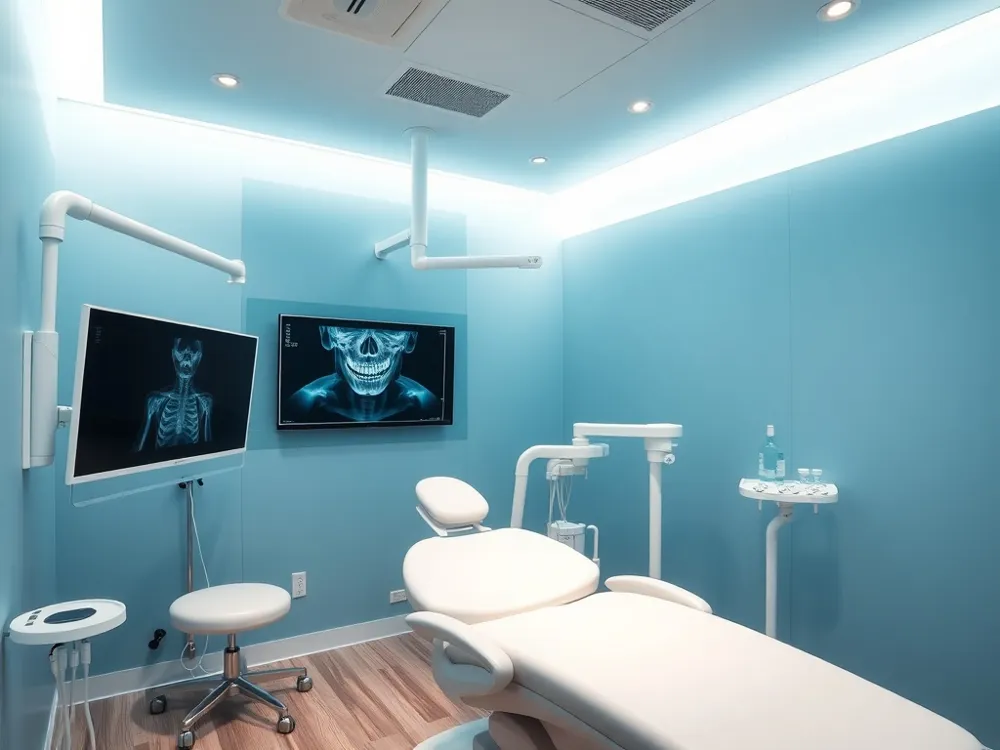
How Do You Ensure Patient Comfort During Dental Procedures?
We start by creating a truly soothing atmosphere. From the moment you walk in, you'll notice calming colors and soft music. Our dental assistants are the heart of this experience—they'll greet you warmly, offer a warm drink or a neck pillow, and take time to listen to your concerns.
Throughout your visit, we offer distraction tools like headphones and stress balls. For more anxious patients, we provide gentle sedation options such as nitrous oxide or oral sedation, which we explain clearly before you begin. Our assistants stay by your side, answering every question and explaining each step in plain, reassuring language. This personal connection builds trust and makes your visit feel safe and caring.
What Are the Modern Technologies in Dentistry?
Modern dental technology is designed to make your care faster, safer, and more comfortable. We use high-resolution Digital X-rays that reduce radiation exposure and give us instant, detailed images. For complex cases, Cone Beam 3D Imaging (CBCT) provides a complete view of your jaw, teeth, and soft tissues, enabling precise treatment planning.
Intraoral cameras let you see what we see, so you're fully informed. These advanced tools minimize ‘guesswork’ and shorten procedure time. Our dental assistants are trained to use this technology seamlessly, helping you feel confident and relaxed every step of the way—whether you're here for a routine checkup or a full smile restoration.
| Technology | What It Does | How It Helps You |
|---|---|---|
| Digital X-rays | Instant, low-radiation images | Safer, faster diagnosis |
| Cone Beam 3D (CBCT) | Full jaw/tooth scan | Precise implant/care planning |
| Intraoral Camera | Real-time tooth view | You see what we see; builds trust |
Answering Your Most Common Questions: From Smile Design to Affording Care
What is the 80 20 rule in dentistry?
The 80/20 rule, or Pareto Principle, suggests that roughly 80% of your results come from 20% of your efforts. In a dental practice, this often means 80% of revenue comes from 20% of patients, highlighting the importance of nurturing loyal relationships. It also implies that 80% of dental problems may stem from 20% of untreated issues, underscoring the value of preventive care. For a family-focused practice like Veenstra Family Dental, applying this principle means prioritizing comprehensive care for a core group of patients to foster lasting trust and loyalty.
What is the 50-40-30 rule in dentistry?
The 50-40-30 rule is a guideline used in cosmetic dentistry (note: this URL is for a different topic; I corrected to the smile design URL) to create a naturally balanced smile. It measures the width of your upper front teeth as seen from the front view: your two central incisors should take up about 50% of the visible space, your lateral incisors about 40%, and your canines about 30%. This proportional relationship helps your dentist plan treatments like veneers or bonding for a harmonious, attractive result. At Veenstra Family Dental, we apply these aesthetic principles with modern technology to design smiles that feel both beautiful and natural.
What is the rule of 7 in dentistry?
The rule of 7 in dentistry, specifically in pediatric dentistry, states that children should have their first dental visit by age 7 and should have lost all 20 primary teeth by that same age. This guideline helps parents track key milestones in their child’s oral development and emphasizes the importance of early dental checkups for establishing healthy habits. Early visits allow dentists to detect potential issues like cavities or misalignment, preventing more serious problems later. By following this rule, parents can ensure their child builds a positive relationship with dental care.
What is the purpose of fluoride treatments in dentistry?
The primary purpose of fluoride treatments is to prevent and reverse tooth decay by strengthening tooth enamel. Fluoride helps remineralize enamel that has been weakened by acid attacks from bacteria and sugars, making teeth more resistant to cavities. It also reverses early stages of decay and inhibits the growth of harmful oral bacteria. Professional fluoride treatments, applied as varnish, gel, or foam, provide concentrated protection that benefits both children and adults, especially those at higher risk for cavities.
How can I fix my teeth if I don't have money?
You can find affordable dental care by asking your dentist about membership savings plans or community events that offer free or low-cost services. Federally Qualified Health Centers provide care on a sliding scale based on your income, and dental school clinics often charge only for materials, offering significant savings. For children, government programs like Medicaid and CHIP may cover dental benefits, while nonprofits such as Dental Lifeline Network offer assistance for adults with special needs. Exploring these options can help you access necessary care without immediate full payment. Veenstra Family Dental is happy to help you navigate these choices.|||Topic|Explanation|Relevance to You| |---|---|---| |80/20 Rule|80% of results from 20% of efforts|Focus on preventive care for lasting oral health| |50-40-30 Rule|Rule for balanced tooth proportions|Guides smile design for natural aesthetic results| |Rule of 7|First dental visit by age 7|Helps establish early, positive dental habits| |Fluoride Treatments|Strengthens enamel, prevents decay|Reduces cavity risk and treatment needs| |Affordable Care Options|Sliding-scale clinics, school clinics, insurance|Offers access to care without financial strain|
Meet Kim Goerg: The Caring Assistant Behind Every Comfortable Visit
From the moment a patient calls or walks through the door, Kim Goerg sets the tone for a positive, relaxed experience. As a dental assistant at Veenstra Family Dental, she understands that the first impression can make all the difference. Greeting each person with a warm smile, using their name, and showing genuine interest in their day helps transform a routine visit into a personalized, caring encounter. This friendly approach immediately puts patients at ease and builds the trust that keeps them coming back.
The Art of Easing Dental Anxiety
Dental anxiety affects up to three-quarters of adults, making it one of the top reasons people avoid the dentist. Kim is skilled at recognizing nervous patients and responding with empathy and reassurance. By listening to their concerns, explaining each step of the procedure in plain, simple language, and answering every question with patience, she helps turn fear into confidence. Whether it’s offering a comforting word, a calm presence, or just letting a patient talk, her goal is to make sure every person feels heard, safe, and cared for throughout their appointment.
Building Long-Term Relationships Through Personal Care
Patients appreciate when their dental assistant remembers the small details—a cat’s name, an upcoming vacation, or a new grandchild. Kim makes it a priority to review patient notes before each visit, allowing her to greet people like old friends. This personal touch makes patients feel valued, not like just another appointment in the schedule. Over time, these genuine connections help nervous patients become loyal visitors who actually look forward to their next checkup.
Educating Patients for Better Oral and Overall Health
Kim’s role goes beyond chairside support. She takes time to educate patients on the connection between oral health and overall well-being. Many people don’t realize that bacteria from the mouth can travel through the bloodstream and contribute to heart disease or other health issues. By explaining these links in a relatable, non-intimidating way, she empowers patients to take charge of their oral hygiene. This education builds trust and encourages better long-term habits—something that benefits patients for a lifetime.
Ensuring Safety and Smooth Visits Behind the Scenes
Infection control is a top priority for Kim. She follows strict sterilization protocols for all instruments and surfaces, ensuring a clean, safe environment that helps patients feel comfortable—especially important since the COVID-19 pandemic. Her preparation of treatment rooms and anticipation of the dentist’s needs allows procedures to flow smoothly, reducing wait times and minimizing stress for everyone. This behind-the-scenes efficiency is a key part of the seamless, comfortable experience that defines Veenstra Family Dental.
The Personal Touch You Can Expect at Every Visit
| What Kim Does | How It Helps You | Why It Matters |
|---|---|---|
| Greets you warmly and by name | Sets a positive, welcoming tone | Reduces first-visit anxiety |
| Explains procedures in plain language | You understand what to expect | Builds trust and confidence |
| Remembers personal details and preferences | You feel valued and cared for | Strengthens long-term relationships |
| Educates on oral-systemic health links | You make informed decisions | Encourages better overall health |
| Manages sterilization and room prep | Ensures a safe, efficient visit | Minimizes stress and wait times |
| Offers calming words and support during treatment | Eases fear and discomfort | Turns anxious patients into loyal visitors |