A Familiar Face That Makes All the Difference
The First Warm Greeting
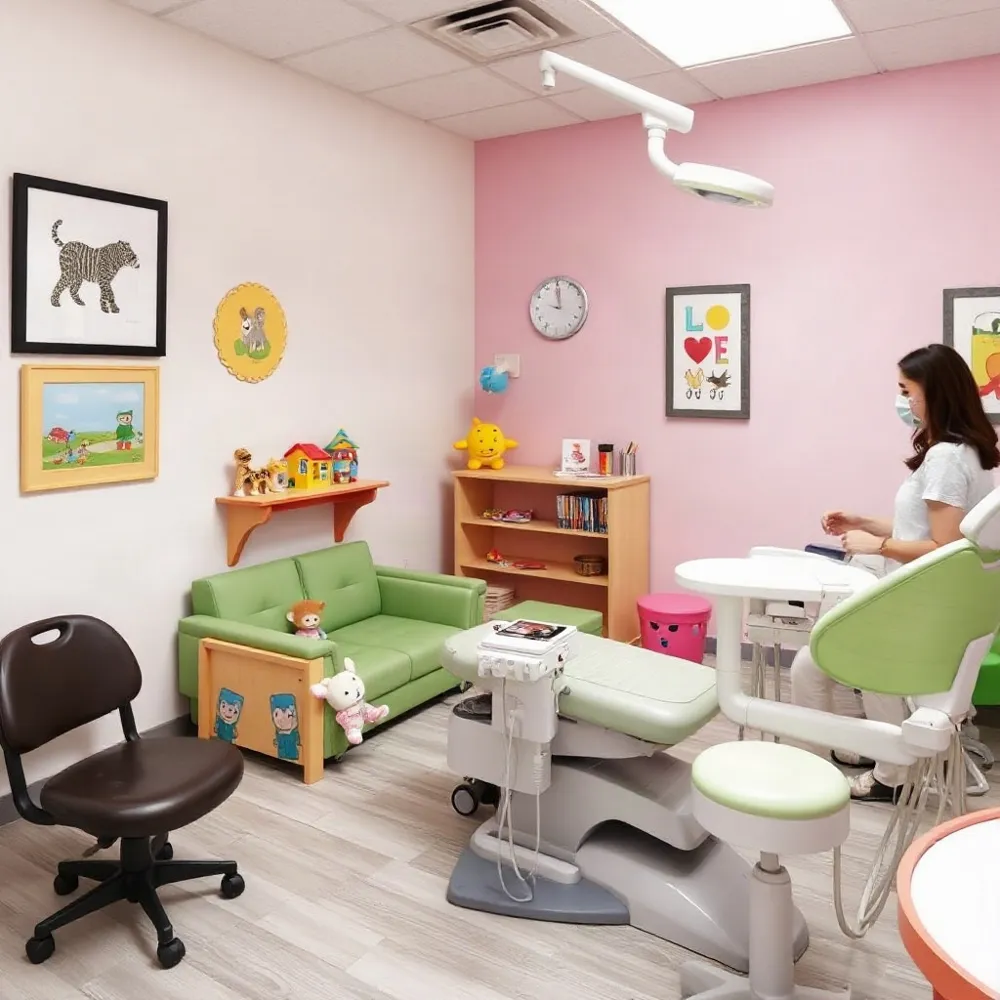
From the moment you walk through the door, a dental assistant is often the first person you meet. This initial interaction sets the tone for your entire visit. A warm smile, eye contact, and addressing you by name can immediately ease any nervousness. Dental assistants are trained to read the room, offering a friendly conversation or giving you a moment of quiet, depending on your mood. They understand that a simple hello and a welcoming environment can transform a stressful appointment into a comfortable one.
Building Trust Through Consistency
One of the most powerful ways dental assistants enhance comfort is by building lasting relationships. When you see the same assistant at each visit, they remember your preferences, your fears, and even the small details of your life—like your cat’s name or your upcoming vacation. This personal connection makes you feel valued, not like just another number on the schedule. "After 18 years at the same practice, I have patients who request that I work with them," says Gina, a dental assistant. Many practices, like Veenstra Family Dental in Midland Park, NJ, prioritize these "valued friendships" with their patients, creating a foundation of trust that keeps you coming back with confidence.
Explaining Procedures with Clarity and Empathy
Dental jargon can be intimidating. Dental assistants excel at translating complex dental terms into plain, easy-to-understand language. They take time before a procedure to explain what will happen, how long it will take, and what you can expect to feel. This transparency reduces the fear of the unknown. "Sometimes, patients can hear it three different times from the dentist, but they might not understand it until you as a dental assistant change your wording," notes Ashley Johnson, CDA. By answering your questions and walking you through each step, assistants help you feel more in control and less anxious.
Emotional Support During Treatment
When you’re in the treatment chair, the dental assistant is right there with you. They use comforting words, offer a hand to hold, and provide a calm presence that can make all the difference. "My best patient interaction is the moment when I know they recognize my knowledge and trust me, so they are more comfortable and relaxed," shares Heather Bahr, CDA. Many patients are nervous about asking the dentist too many questions, but they feel at ease talking to the assistant. Whether it’s a gentle distraction or a reassuring whisper, the assistant’s empathy helps turn a tense moment into a manageable one.
The Science of Safety and Comfort
Feeling safe is essential to feeling comfortable. Dental assistants follow strict infection control protocols, from sterilizing instruments to disinfecting surfaces. They wear appropriate personal protective equipment (PPE) and monitor your vital signs, ready to respond to any needs. These behind-the-scenes efforts create a clean, safe environment that lets you relax. As one dental assistant explains, "The care and reassurance we give to patients is very crucial to any practice. The first person a patient looks at is the assistant." This professionalism ensures that you can trust you are in good hands.
Efficiency That Reduces Stress
Long wait times can heighten anxiety. Dental assistants keep the practice running smoothly by preparing rooms in advance, having instruments ready, and assisting the dentist with efficient four-handed dentistry. This teamwork means less time in the chair and fewer interruptions. By coordinating scheduling and handling administrative tasks, they minimize delays and make your visit as quick and stress-free as possible. At Veenstra Family Dental, extended hours on Tuesdays and Thursdays until 8 p.m. and Saturday appointments further accommodate your schedule, showing a commitment to your convenience and comfort.
A Team Committed to You
All these efforts come together because of a dedicated team. At Veenstra Family Dental, the staff’s friendliness is consistently praised in patient reviews. One patient wrote: "The staff is so friendly and comforting, even to the most timid of patients." Another noted that the team is "very friendly, informative, and knowledgeable." Whether it's Kim Goerg or another assistant, the dental assistant is an advocate who ensures your experience is positive from start to finish. They don’t just provide care—they build relationships that make you look forward to your next visit.
| Role | What Dental Assistants Do | How It Enhances Your Comfort |
|---|---|---|
| Greeter | Welcome you warmly, make eye contact, use your name | Reduces initial anxiety, feels personal |
| Educator | Explain procedures in plain language, answer questions | Removes fear of the unknown, builds trust |
| Emotional Supporter | Offer calming words, hold your hand, distract you | Lowers stress, creates a sense of safety |
| Safety Guardian | Sterilize instruments, follow infection control, monitor vitals | Reassures you about hygiene and care |
| Efficiency Expert | Prepare rooms, assist dentist smoothly, manage schedule | Minimizes wait times, makes visit swift |
| Relationship Builder | Remember personal details, greet returning patients | Builds loyalty, makes you feel valued |
A Lasting Impact
Dental assistants are much more than clinical helpers. They are the friendly faces that guide you through your dental journey, offering education, empathy, and efficiency. By making you feel heard, safe, and respected, they turn a routine appointment into a genuinely positive experience. When you find a practice where the assistant knows your name and remembers your concerns, you know you have found a dental home. Veenstra Family Dental exemplifies this approach, where every assistant contributes to a welcoming atmosphere that makes all the difference in your oral health journey.
The Many Hats of a Dental Assistant: From Sterilization to Genuine Connection
What are the main duties and responsibilities of a dental assistant?
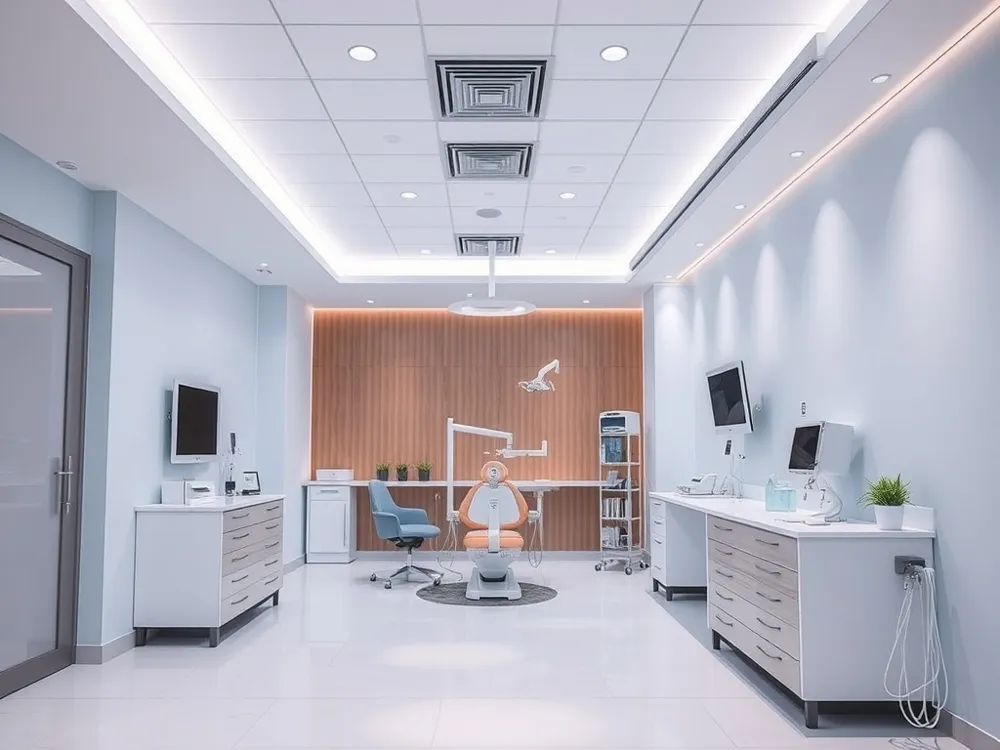
Dental assistants are the backbone of a smooth-running dental practice, balancing a wide range of duties that directly impact your comfort and care. Long before you sit in the chair, they ensure your safety by strictly following infection control protocols—sterilizing instruments, disinfecting surfaces, and preparing treatment rooms with precision.
During your visit, a dental assistant is your constant guide and support system. They greet you with a warm smile, explain what to expect step by step, and answer any questions you might have. Throughout the procedure, they work seamlessly alongside the dentist using four-handed dentistry to hand instruments and manage suction, which helps keep treatment efficient and less stressful for you.
Beyond clinical tasks, dental assistants often take X-rays, create impressions, and manage patient records. They also handle behind-the-scenes responsibilities like scheduling appointments, processing billing, and ensuring supplies are well-stocked. After your appointment, they provide clear instructions for home care and follow up to make sure you feel supported.
| Area | Key Duties | Benefit to Patient |
|---|---|---|
| Safety & Preparation | Sterilize instruments, disinfect surfaces, set up treatment rooms | Reduces infection risk and creates a clean, reassuring environment |
| Chairside Support | Assist with suction, hand instruments, anticipate dentist's needs | Shortens procedure time and reduces patient discomfort |
| Patient Communication | Explain procedures, answer questions, offer emotional reassurance | Eases anxiety and builds trust, making visits more comfortable |
| Administrative & Education | Schedule visits, handle billing, teach oral hygiene techniques | Simplifies logistics and empowers you with better home care habits |
Ultimately, dental assistants connect clinical care with genuine human connection. Their combination of technical skill and compassionate communication helps turn a potentially anxious visit into a positive, personalized experience.
Five Qualities That Make a Great Dental Assistant – and Why They Matter for Your Comfort
 A great dental assistant is more than just a skilled clinician behind the chair. Their qualities directly shape how safe, informed, and relaxed you feel throughout your visit. At practices like Veenstra Family Dental, these personal attributes transform a routine appointment into a genuinely comfortable experience.
What 5 qualities make a good dental assistant?
Strong communication skills are the foundation of a positive visit. An exceptional assistant explains each step of your procedure in plain, clear language before the dentist begins. This removes the guesswork and uncertainty that often causes anxiety. For nervous patients, they take extra time to listen, answer questions, and provide reassuring explanations without using intimidating dental jargon.
Genuine empathy and compassion set the tone for the entire appointment. When you walk through the door, a warm smile and a personal greeting help you feel welcome, not just processed. Assistants who remember personal details—like a recent vacation or a family pet’s name—show that you are a valued individual, not just another appointment.
Meticulous attention to detail ensures your safety and the procedure’s success. Great assistants follow strict infection control protocols, sterilizing every instrument and disinfecting surfaces thoroughly. They anticipate the dentist’s next move, handing over the correct tool at the right moment, which minimizes interruptions and keeps your treatment smooth and efficient.
Excellent organizational skills keep the practice running on time. An assistant who prepares the treatment room in advance, manages patient records accurately, and coordinates scheduling helps reduce wait times. Feeling rushed or delayed can heighten anxiety, so a well-organized assistant helps maintain a calm, predictable flow.
Finally, professionalism and reliability build long-term trust. Patients appreciate an assistant who is consistently positive, follows ethical standards, and takes ownership of their role. When the same professional assistant greets you visit after visit, familiarity builds comfort. Studies show that dental assistants who demonstrate these five qualities significantly reduce patient distress and improve overall satisfaction.
| Quality | How It Enhances Your Comfort | Example in Practice |
|---|---|---|
| Communication | Reduces fear of the unknown by explaining procedures in simple terms | "We will start with a gentle numbing gel so you won't feel any discomfort." |
| Empathy & Compassion | Makes you feel personally cared for and less judged | Remembering your name and asking about your family |
| Attention to Detail | Ensures a clean, safe environment and smooth procedure support | Following strict sterilization protocols for every instrument |
| Organizational Skills | Minimizes wait times and appointment stress | Pre-setting the room so treatment starts on schedule |
| Professionalism | Builds lasting trust and a welcoming atmosphere | Greeting you with a calm, positive attitude every visit |
Turning Anxiety into Trust: The Dental Assistant’s Role in a Positive Experience
What role can the dental assistant play in making this a positive experience for the patient?
The dental assistant is often the first and most constant presence for patients. By greeting warmly, remembering personal details, and listening actively, they build immediate rapport. Explaining procedures in plain, non-technical language helps patients understand their care and feel in control. Empathy and reassurance address fears, while involving patients in decisions encourages trust. Assistants also ensure physical comfort with pillows or water and maintain a safe environment through infection control. Following up after visits reinforces that the practice genuinely cares, turning anxious first-timers into loyal, regular patients.
How should you talk to patients as a dental assistant?
Start with a friendly, genuine greeting. Show empathy by asking open-ended questions and listening without judgment. Avoid dental jargon—use everyday language to explain each step. Before a procedure, walk the patient through what to expect: how long it will take, what sensations to anticipate, and how they can signal discomfort. During treatment, give clear, specific instructions like “please keep your mouth open” or “you may feel pressure now.” Afterward, explain aftercare simply and invite questions. This combination of warmth, clarity, and respect assures patients they are in capable hands, making each visit a positive experience.
Modern Comfort Meets Advanced Technology: How We Keep You at Ease
How do you ensure patient comfort during dental procedures?
Ensuring patient comfort is a top priority from the moment you walk in. A warm, friendly greeting sets a reassuring tone, and the dental assistant takes time to understand any fears or concerns you may have. Throughout your visit, clear explanations of each step and gentle conversation help you feel informed and at ease. Simple gestures like adjusting the chair, offering a blanket, or even pillows or a warm drink, and providing calming music or headphones can make a significant difference in your relaxation. For patients with higher anxiety levels, sedation options including nitrous oxide (laughing gas) or oral sedation are available to help you remain calm and comfortable during treatment.
What are the modern technologies in dentistry?
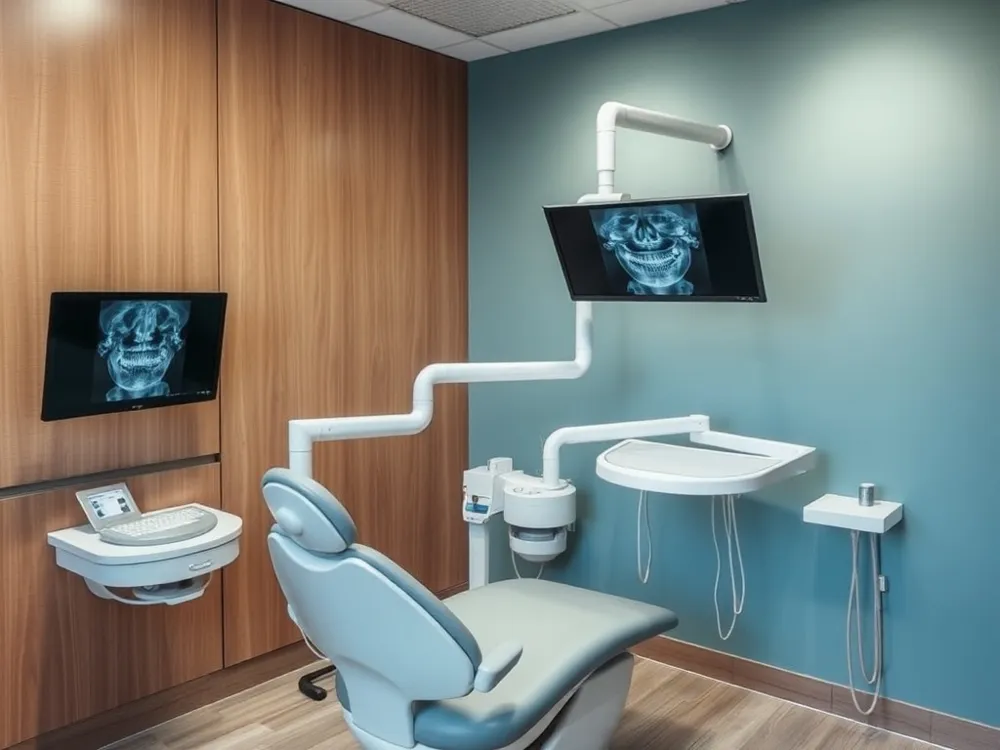
Modern dental technology empowers both precision and comfort. Our practice uses high-resolution digital X-rays, which reduce radiation exposure and deliver immediate images for faster diagnosis. Cone Beam 3D Imaging (CBCT) provides a detailed 3D view of your jaw and teeth, allowing for more accurate planning of implants and other complex procedures. Intraoral cameras let small cameras show you exactly what the dentist sees on a screen, building trust and understanding. These technologies help shorten chair time, minimize discomfort, and enable a smoother, more personalized experience for every patient.
Answering Your Most Common Questions: From Smile Design to Affording Care
What is the 80 20 rule in dentistry?
The 80/20 rule, or Pareto Principle, suggests that in a dental practice, about 80% of results come from 20% of efforts. For instance, 80% of revenue often comes from 20% of loyal patients. It also means 80% of dental issues can arise from 20% of untreated problems, making preventive care crucial. At Veenstra Family Dental, focusing on that key 20% helps us build lasting trust and prioritize the most impactful care for our patients.
What is the 50-40-30 rule in dentistry?
This aesthetic guideline creates a naturally balanced smile. The width of your upper front teeth should follow a proportion: your two central incisors about 50%, lateral incisors about 40%, and canines about 30%. Using these proportions, your dentist can design veneers or bonding that look harmonious. We apply this rule with modern technology to create smiles that feel both beautiful and natural.
What is the rule of 7 in dentistry?
In pediatric dentistry, the rule of 7 advises that children have their first dental visit by age 7 and should have lost all 20 primary teeth by that same age. This milestone helps track healthy development and catch potential issues early. Early checkups build a positive relationship with oral care, setting the stage for a lifetime of healthy habits.
What is the purpose of fluoride treatments in dentistry?
Fluoride treatments strengthen tooth enamel and reverse early decay. They make teeth more resistant to acid attacks from bacteria and sugars, reducing cavity risk. Professional applications, such as varnish or gel, provide concentrated protection for both children and adults, especially those at higher risk. Regular fluoride use supports long-term oral health and can prevent more extensive dental work.
How can I fix my teeth if I don't have money?
Affordable options exist. Ask your dentist about membership savings plans or community events offering free care. Federally Qualified Health Centers provide sliding-scale fees, and dental school clinics charge only for materials. Government programs like Medicaid and CHIP may cover children’s care, and nonprofits such as Dental Lifeline Network assist adults with special needs. Exploring these options can help you access necessary treatment without immediate full payment.
Meet Kim Goerg: The Caring Assistant Behind Every Comfortable Visit
A warm welcome sets the tone
From the moment you step into Veenstra Family Dental, Kim Goerg is there with a genuine smile. As one of the first team members you meet, she knows that a friendly greeting can turn anxiety into ease. Kim takes time to learn about each patient—remembering names, asking about family, and recalling small details from previous visits. This personal touch makes patients feel valued and helps them relax before their treatment even begins.
Guiding you through every step
Kim excels at explaining procedures in plain, simple language. Whether it’s a routine cleaning or a dental implant consultation, she walks patients through what to expect, how long it will take, and what they might feel. By answering questions and repeating details when needed, she removes the mystery and fear from dental care. Patients appreciate knowing they can use a stop signal if they become uncomfortable, giving them a sense of control throughout the visit.
A calming presence during treatment
During procedures, Kim stays by your side. She offers reassuring words, holds a hand if needed, and anticipates the dentist’s next move to keep the process smooth and efficient. Her focus on patient comfort means less time in the chair and less stress. By paying attention to subtle cues—a deep breath, a flinch—she adjusts her approach to keep you at ease. This attentive care helps even the most nervous patients feel safe and cared for.
Education that builds trust
Kim believes that informed patients are comfortable patients. She takes extra time to explain why a treatment is recommended and how it supports overall health. Using relatable examples, she shows how oral health connects to the rest of the body, helping patients understand the value of routine care. When patients leave with clear aftercare instructions and practical tips for brushing and flossing, they feel empowered to maintain their smile between visits.
Safety and consistency you can count on
Behind the scenes, Kim upholds strict infection control standards. She sterilizes instruments, disinfects surfaces, and follows safety protocols that protect every patient. This commitment to a clean, organized environment builds confidence and peace of mind. Because she often works with the same patients over time, she builds lasting relationships. Patients who once dreaded the dentist now look forward to seeing her—a testament to the trust and comfort she creates every day at Veenstra Family Dental.