Understanding the Importance of Early Dental Visits
Recommended Age for a Child's First Dental Visit
Dental experts recommend that children have their first dental visit within six months after their first tooth appears or by their first birthday, whichever comes first. This early appointment is crucial for monitoring the child's oral development and laying the foundation for healthy dental habits.
Why Early Dental Care Is Crucial
Starting dental visits early helps detect potential oral health issues such as cavities, tooth decay, or developmental concerns in their earliest stages. It also guides parents on proper home care techniques, feeding habits, and preventive measures, including fluoride use and diet adjustments to protect young teeth.
Benefits of Starting Dental Visits by Age One
Establishing dental care by age one encourages children to become familiar with the dental environment, reducing anxiety over time. Early visits enable timely intervention to prevent serious issues, promote good hygiene habits, and help parents receive personalized advice tailored to their child's needs. This proactive approach supports healthy teeth, proper chewing and speech development, and fosters positive attitudes toward dental care for a lifetime.
When and Why to Schedule the First Dental Appointment

At what age should a child have their first dental visit?
The American Dental Association (ADA) recommends that a child's first dental visit take place by their first birthday or within six months after the first tooth erupts. This early timing is crucial because children can develop cavities as early as 6 months old. Early visits allow dentists to establish a dental home for the child, fostering good habits and allowing prevention measures to be put in place promptly. See more about First dental visit timing.
Why is early oral health monitoring important?
Baby teeth play a significant role in chewing, speech development, and guiding the proper alignment of permanent teeth. Establishing dental care early helps prevent problems such as baby bottle tooth decay and childhood cavities, which are common but preventable. Visit Child's first dental visit for more information.
What typically happens during the first dental visit?
The first appointment usually lasts between 30 to 45 minutes and includes a comprehensive exam of the child's teeth, jaws, gums, bite, and oral tissues. The dentist may perform a gentle cleaning if needed and provide guidance on proper home care, including brushing and flossing techniques tailored to the child's age. Fluoride treatments may also be given to strengthen enamel and prevent decay. Additionally, the dentist discusses nutrition and oral habits with parents to support the child's overall dental health. Refer to What Happens During the First Dental Exam and First dental visit timing for detailed guidance.
By scheduling the first dental visit early and maintaining regular six-month check-ups, parents can ensure their children develop and maintain a healthy smile from infancy through adolescence and beyond. For more tips and resources, see Importance of regular dental visits and Preventive dental care for children.
Preparing Your Child: Tips for a Positive First Dental Experience
How can parents prepare their child for the first dental visit?
Parents can help prepare their child for the first dental visit guidelines by discussing what to expect in a positive and age-appropriate way. Using children’s books about dentist visits or videos about dental care introduces the experience gently and builds familiarity, which helps reduce fear. Scheduling the appointment at a time when the child is well-rested, such as in the morning dental appointments for children, ensures they are alert and more cooperative.
Bringing a favorite comfort item like a toy or blanket can provide emotional support during the appointment. Role-playing dental visits at home, including practicing opening the mouth and using gentle language, helps children understand what will happen and reduces anxiety.
Maintaining positive language is essential—avoid words like "hurt," "pain," or "needle" to create a calm environment. Parents should also emphasize the importance of healthy teeth and encourage child tooth brushing recommendations and good oral hygiene habits at home to foster cooperation during the visit.
Choosing a child-friendly dental practice, ideally with a pediatric focus, offers a welcoming atmosphere that uses fun, engaging techniques to make visits enjoyable. This supportive approach helps build trust and confidence in dental care, forming a strong foundation for lifelong pediatric dental care.
What to Expect During Your Child’s First Dental Visit
Duration and Typical Procedures of the First Visit
Your child's first dental visit usually lasts about 30 to 45 minutes. This appointment is designed to be gentle and comfortable, focusing on building familiarity and trust with the dental office.
Gentle Examination and Cleaning
During this visit, the dentist will perform a careful examination of your child’s teeth, jaws, bite, gums, and oral tissues. If needed, a gentle cleaning might be done to help remove any buildup and to show proper brushing techniques. Learn more about dental exam for infants.
Discussion Topics Like Diet and Oral Habits
The dentist will discuss important topics such as your child's diet, including limiting sugary foods and drinks, and oral habits such as pacifier use, finger-sucking, and teething. These conversations are essential to prevent early tooth decay and promote healthy growth.
Fluoride Application and Preventive Care
Fluoride’s role in strengthening tooth enamel will be explained, and your child may receive a fluoride treatment to help prevent cavities. Preventive care also emphasizes avoiding bedtime bottles with milk or juice and developing good daily brushing and flossing habits.
Parent Involvement and Child Comfort Strategies
Parents are encouraged to prepare their children by using positive language, reading books about dental visits, and explaining what to expect in a calm, friendly manner. Scheduling morning appointments when children are alert and bringing along comfort objects can ease anxieties. Dentists will often demonstrate home care techniques, empowering parents to support their child's oral health confidently.
Building Lifelong Healthy Habits Through Early Dental Care
Why Are Regular Six-Month Dental Visits Important for Children?
Regular dental checkups every six months are essential for monitoring your child's oral growth and development. These visits allow dentists to detect any early signs of problems such as cavities or bite issues, ensuring timely treatment. Frequent visits help children become comfortable in the dental office, reducing anxiety and promoting a positive attitude toward oral health.
How Do Early Dental Visits Help Prevent Common Issues Like Baby Bottle Tooth Decay?
Seeing a dentist within six months of the first tooth erupting can help prevent baby bottle tooth decay, a common but avoidable condition. Dentists advise parents on proper feeding habits, such as avoiding milk or juice in bottles during bedtime, which can cause decay. Early visits also focus on educating parents about removing sugars from a child's diet and maintaining good oral hygiene.
What Is the Role of Fluoride and Proper Home Care?
Fluoride strengthens tooth enamel and helps protect against decay. Parents should brush their child's teeth with a soft-bristled toothbrush and a tiny amount of fluoridated toothpaste once the first tooth appears, increasing to a pea-sized amount by age three. Cleaning gums before teeth erupt with a damp cloth and supervising brushing until ages seven or eight ensures thorough care at home.
How Can Parents Encourage Brushing and Flossing Habits?
Teaching children to brush twice daily and floss once two teeth touch (often around ages 4-7) instills lifelong habits. Making brushing fun with songs, games, or age-appropriate tools motivates children. Parents acting as role models by practicing good oral hygiene encourages children to follow suit.
What Dietary Tips Help Reduce The Risk of Tooth Decay?
Limiting sugary foods and drinks, especially sticky candies and fruit leather, lowers the risk of cavities. Offering whole fruits instead of juice is better for dental health. Avoiding bedtime bottles containing sugary liquids and encouraging water helps maintain a healthy mouth.
By combining regular professional care with proper home routines and healthy dietary choices, parents can build a strong foundation for their child's lifelong oral health.
The Role of Dental Practices in Supporting Families and Enhancing Efficiency
Creating a Child-Friendly, Welcoming Environment
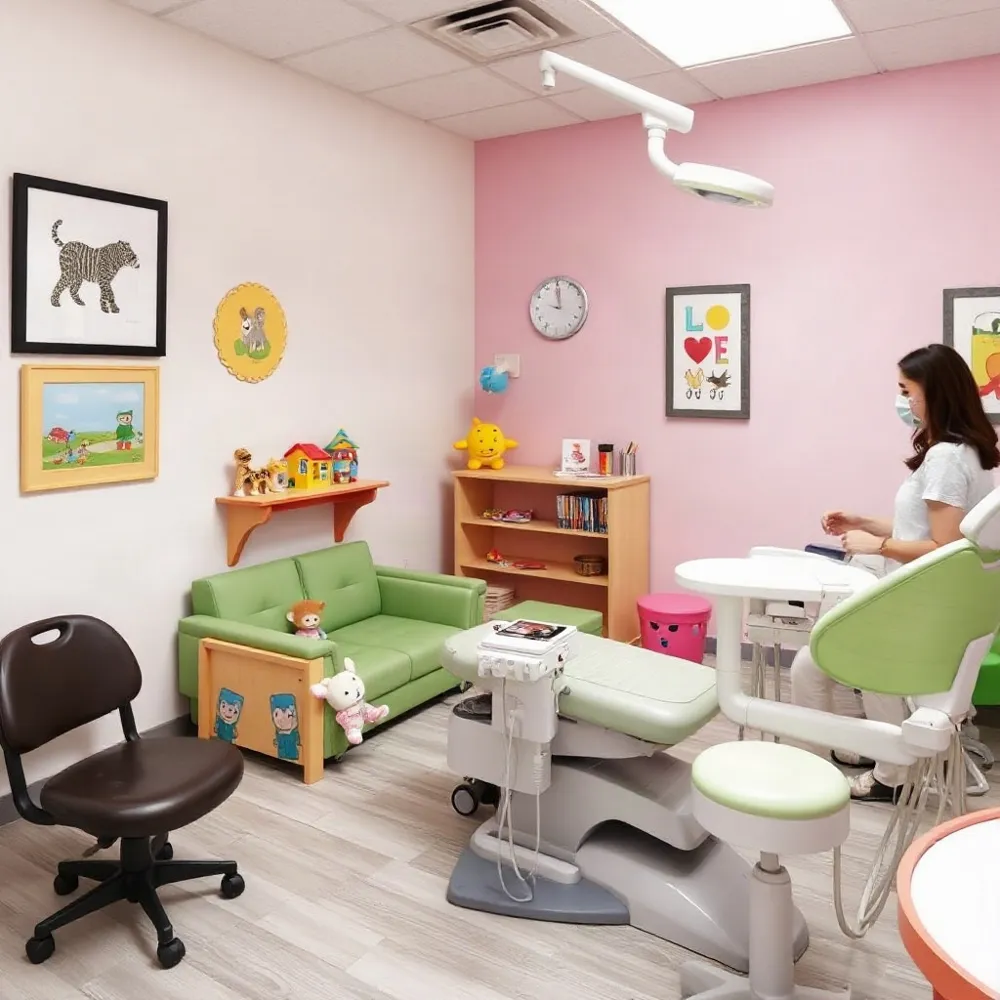
A dental practice that welcomes children with a warm, colorful, and engaging atmosphere makes a significant difference in reducing fear and anxiety. Utilizing child-friendly décor and providing a calm, comforting space supports a positive dental experience from the very first visit. Practices that allow children to meet smiling staff experienced in working with young patients build trust and help children feel safe and cared for.
Importance of Compassionate, Experienced Pediatric Dental Care
Choosing a dental practice with pediatric dentists trained in the unique needs of children ensures gentle and compassionate care. Experienced pediatric dentists understand child development and are skilled in managing behaviors, making visits smooth and productive. Their expertise includes educating families on oral hygiene habits, habits like pacifier use, and diet to prevent tooth decay. This care lays the foundation for lifelong oral health.
Tips on Choosing the Right Dental Practice
Parents should seek dental practices specialized in pediatric care or family dentistry with a strong reputation for child-friendly approaches. Recommendations from pediatricians, trusted friends, or authoritative dental organizations can guide families. Visiting the office beforehand to meet the team and explore the environment prepares children and parents alike.
What Is the 80/20 Rule in Dentistry and How Can It Benefit Dental Practices?
The 80/20 rule, or Pareto Principle, reveals that about 20% of efforts generate 80% of results. In dentistry, focusing on managing the small group of patients who cause most broken appointments improves scheduling efficiency and reduces revenue loss. Applying this rule helps identify key insurance plans or procedures that contribute most to profitability, allowing better resource allocation. Staff productivity can also be optimized by concentrating on high-impact tasks. Ultimately, this strategic focus enhances patient care, operating efficiency, and the overall success of dental practices.
Supporting Your Child’s Smile for a Lifetime
Early dental visits are essential for your child's lifelong oral health. Experts recommend scheduling the first visit by the time the first tooth appears or by the first birthday. These early checkups help monitor growth, detect potential problems, and establish comfort with dental care.
Positive dental experiences build trust and reduce fear, encouraging children to cooperate and maintain regular appointments. A welcoming, child-friendly environment and gentle care contribute to lasting confidence.
At home, supporting good habits like brushing with a soft brush and a small amount of fluoride toothpaste, flossing when appropriate, and limiting sugary foods ensures healthy teeth development. Together, early professional care and consistent home practices support a bright, healthy smile throughout life.