Why Smell Matters in Dentistry
Scent and the Anxious Brain
The brain processes smell differently from other senses. The olfactory system connects directly to the amygdala and hippocampus, regions that govern emotion and memory. A clinical or unpleasant odor, common in dental offices, can therefore trigger a patient's anxiety before any procedure begins. This is why managing the ambient scent through aromatherapy—using pure essential oils like lavender or orange—has emerged as a powerful, non‑pharmacologic option to promote calmness in the dental chair.
The Science Behind Aromatherapy and the Brain
The connection between scent and emotion is rooted in the unique anatomy of the brain. When you inhale an essential oil, odor molecules travel to the olfactory bulb, which has direct neural links to the amygdala and hippocampus. These two regions are the brain's emotional and memory centers, giving scent a uniquely powerful pathway to influence your state of mind.
How does scent influence heart rate, blood pressure, and cortisol?
Once the olfactory signals reach the limbic system, they can directly regulate physiological responses. This includes calming your heart rate, lowering blood pressure, and reducing stress hormones like cortisol. Research shows that a five-minute inhalation of lavender or rosemary can lower cortisol levels, leading to a measurable reduction in anxiety.
Why does aroma beat visual or auditory cues for emotional regulation?
Unlike visual or auditory stimuli, which must pass through the thalamus (a processing relay), scent signals travel a more direct route to the emotional centers. This bypass explains why a familiar or pleasant aroma can trigger an immediate, potent calming effect, making it a uniquely effective tool for managing dental anxiety. This direct connection is the foundation of aromatherapy's success in the dental chair.
Evidence from Clinical Trials: Reducing Dental Anxiety
What does the research say about aromatherapy and dental anxiety?
A robust 2021 meta‑analysis examined six randomized controlled trials with over 1,300 participants. The pooled results showed a statistically significant reduction in dental anxiety, with a mean decrease of 3.36 points on validated scales like the State‑Trait Anxiety Inventory (STAI) or Modified Dental Anxiety Scale (MDAS). The analysis reported very low statistical heterogeneity (I² = 1%), indicating consistent findings across different study populations and settings. The certainty of the evidence was rated as high by GRADE standards, reinforcing confidence that aromatherapy truly reduces dental anxiety.
How were the studies designed?
Individual trials used simple, non‑invasive delivery methods. Several studies (e.g., Kritsidima 2010, Venkataraman 2016, Zabirunnisa 2014) employed candle warmers to diffuse lavender scent, consistently showing significant anxiety reduction. In contrast, studies using electrical dispensers (Lehrner 2000 sometimes failed to show a significant effect, suggesting that the delivery method and protocol may influence outcomes. However, a 2022 Berlin trial using app‑controlled diffusers did find significant benefits for women and patients with high trait anxiety.
What are the limitations?
While the evidence is promising, the total number of included trials remains small. Variability in delivery methods, essential oil concentrations, and exposure times makes direct comparison difficult. Some studies had smaller sample sizes and lacked protocol registration. Experts recommend larger, well‑designed trials to confirm the optimal application and long‑term effects, but note that aromatherapy is a safe, low‑cost, and easily implemented adjunct for managing dental anxiety.
Choosing the Right Essential Oils
What natural remedies can help manage dental anxiety?
Dental anxiety is a common barrier to care, but several natural strategies can help you feel more at ease. Establishing a calming pre-visit routine is a great start: wake up early, eat a nutritious breakfast, and allow extra travel time to avoid rushing. Once at the practice, open communication with your dentist is key—don't hesitate to share your fears or agree on a hand signal to pause treatment if needed. Deep breathing, meditation, and mindfulness exercises are powerful tools to calm your mind before and during your appointment. Some patients also find that listening to music or using aromatherapy, particularly in the waiting area, further reduces nervousness. Combining these techniques can transform your dental visit into a much more comfortable experience.
What essential oils are effective for dental anxiety?
Research points to several essential oils as effective calming aids. Lavender is the most studied oil for dental anxiety; consistent findings from multiple trials show that its scent can significantly lower patient stress levels. Bergamot and chamomile also show strong clinical promise for promoting relaxation. These oils are typically used by diffusing them into the clinic's atmosphere or applied topically with a carrier oil before an appointment. While lavender has the most robust evidence for dental-specific anxiety, bergamot and chamomile can offer additional soothing benefits. Always select high-quality, pure essential oils and discuss their use with your dentist to ensure they are a good fit for you.
Choosing safe and effective aromatherapy for your visit
Choosing the right product is crucial for both safety and effectiveness. Pure essential oils are vastly different from commercial air fresheners, which can contain synthetic fragrances and harmful chemicals like phthalates. High-quality, pure oils deliver the therapeutic benefits studied in clinical research. For safe delivery, dental offices often use ultrasonic diffusers for short bursts, a simple water spritzer, or even a few drops on a cotton ball for patient-controlled inhalation. These methods allow you to enjoy the calming properties of oils like lavender or chamomile without overexposure, ensuring a relaxing and safe experience in the dental chair.
| Essential Oil | Key Finding in Dental Studies | Primary Benefit |
|---|---|---|
| Lavender | Most researched; reduces state anxiety in dental patients | Anxiolytic, sedative |
| Bergamot | Shows promise for mood enhancement in clinical settings | Uplifting, calming |
| Chamomile | Reduces pulse rate and anxiety scores in children | Relaxation |
| Orange | Lowers salivary cortisol and pulse rate; reduces anxiety | Calming, mood-enhancing |
| Rose | Reduces objective anxiety (blood pressure and heart rate) | Sedative |
| Peppermint | Reduces anxiety, but to a lesser effect than chamomile | Mild calming |
Integrating Aromatherapy into Veenstra Family Dental
How do dentists deal with anxious patients?
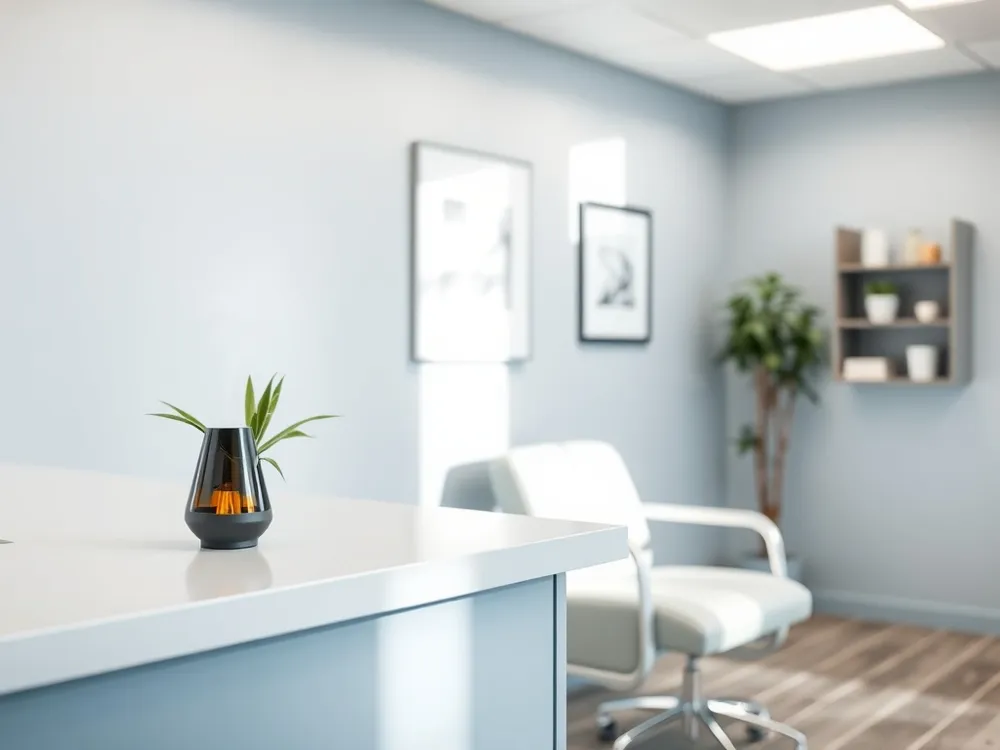
At Veenstra Family Dental, dealing with anxious patients starts long before the drill. The practice's welcoming environment, flexible scheduling, and focus on clear, caring communication are designed to put patients at ease immediately. Dr. Eric Veenstra’s philosophy of treating people, not just teeth, creates a foundation of trust.
Leveraging the Existing Calm Environment
This patient-centered culture already includes stress-reducing elements like noise-canceling headphones. Aromatherapy is a natural next step to build on this foundation, creating a multisensory calming experience that reinforces the practice's compassionate approach.
Practical Delivery Methods
Integrating aromatherapy is simple and low-tech. Candle warmers or electronic diffusers can be placed in waiting and treatment rooms. For personal use, a nurse might offer a cotton ball with a drop of lavender for the patient to inhale, or use a water-spritzer (10-15 drops of oil in a 4-oz bottle) to lightly scent the room before a procedure.
Benefits for Patients and Staff
Beyond reducing patient anxiety, aromatherapy improves the overall clinic atmosphere. Dental staff anecdotally report better moods and a more relaxed work environment, which benefits both patient care and team morale. This can become a unique practice-builder, differentiating Veenstra Family Dental in the community.
Safety Protocols
Safety is paramount. The practice would use only certified, pure essential oils to avoid synthetic toxins. A simple sign at the front desk would inform patients about the scent in use, and staff would screen for allergies or sensitivities before the appointment. This ensures aromatherapy remains a safe, welcome addition to a modern, family-focused dental visit. | Delivery Method | Key Features | Best Use Case | |---|---|---| | Candle Warmer | Gentle heat releases aroma; simple, quiet. | Waiting area for a consistent, ambient scent. | | Electronic Diffuser | Disperses micro-droplets; timers available. | Treatment room for controlled, short bursts (e.g., 15 mins). | | Water-Spritzer | Manual spray of diluted oil; quick and targeted. | Scenting a room quickly before a patient enters. | | Cotton Ball/Cotton Gauze | Patient-controlled; direct inhalation. | Individual anxiety spikes during a procedure.|
Practical Tips for Patients: Relaxing in the Dental Chair
How can I relax in the dental chair during a procedure?
Distraction is a powerful tool. Bring headphones to listen to calming music, an audiobook, or a favorite podcast. A stress ball or fidget toy can keep your hands busy and your mind occupied. Guided breathing—slowly inhaling for four counts and exhaling for six—can activate your body's relaxation response and ease tension during treatment.
Using Aromatherapy On‑the‑Spot
Aromatherapy offers an immediate, non‑medication option. You can ask for a few drops of a calming essential oil like lavender or orange to be placed on a cotton ball or gauze near your chair. Some dental practices also offer heated or cooled aromatherapy neck wraps, which provide a comforting, sensory focus to help you feel more at ease.
What medications can be used for severe dental anxiety?
For more intense anxiety, medications can help. Nitrous oxide, often called laughing gas, is inhaled during the procedure to reduce anxiety while you remain fully conscious. Oral sedatives, such as temazepam, diazepam, or triazolam, are taken about an hour before your appointment to promote relaxation. In some cases, IV sedation may be recommended for a deeper level of calm. Your dentist will discuss the safest option based on your health history and anxiety level.
| Relaxation Strategy | Method | Best For |
|---|---|---|
| Distraction | Music/podcasts through headphones, stress balls | Mild to moderate anxiety, during procedure |
| Aromatherapy | Cotton ball or neck wrap with calming essential oils | Patients wanting a natural, on‑the‑spot option |
| Guided breathing & mindfulness | Slow, deep breathing exercises | General stress relief, pre‑appointment |
| Nitrous oxide (laughing gas) | Inhaled gas during treatment | Moderate to severe anxiety, conscious state |
| Oral sedation | Pill taken before appointment (e.g., diazepam) | More intense anxiety, requires a driver |
| IV sedation | Medication administered through a vein | Extreme dental phobia, complex procedures |
A Breath of Calm for Every Smile
Recap of Aromatherapy Benefits
Aromatherapy offers a safe, drug-free way to lower dental anxiety. Research consistently shows that essential oils like lavender and orange can reduce stress, lower heart rate, and improve mood during appointments. This makes every visit more relaxing for you.
Future Directions – More Research and Personalized Scent Profiles
Future studies will explore tailored scent profiles, matching specific oils to individual patient needs. This personalized approach aims to enhance the calming effect, making aromatherapy even more effective for your unique comfort.
Ask About Aromatherapy at Veenstra Family Dental
We invite you to ask about aromatherapy at your next visit. Our team is dedicated to incorporating these soothing scents into your care, ensuring a gentle, stress-free experience for the whole family.