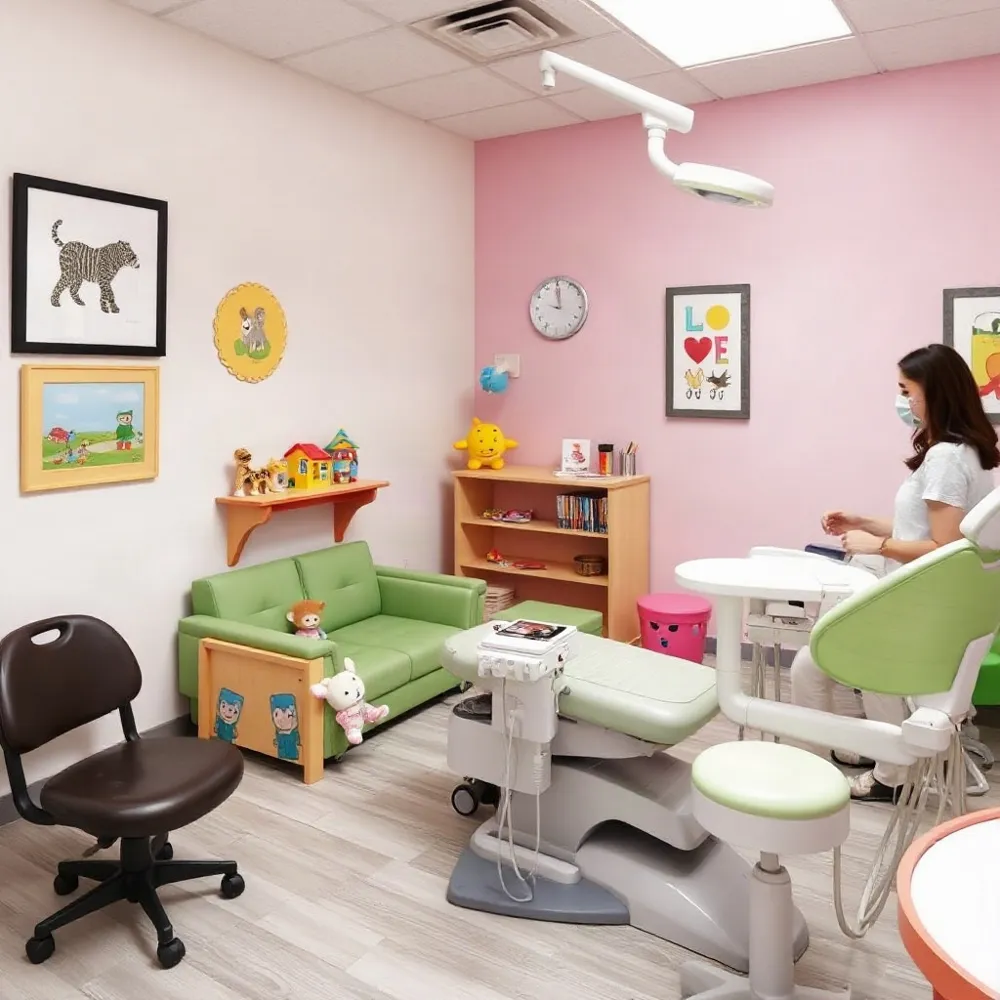
Building a Foundation for Lifetime Oral Health
Establishing a routine for oral care as soon as the first tooth emerges is a critical step in protecting a child's health. Early dental hygiene helps prevent cavities, which are the most common chronic disease of childhood in the United States according to HealthyChildren.org. Beyond preventing pain and infection, healthy baby teeth are essential for speech development and maintaining space for permanent teeth.
Creating a stress-free environment begins with positive reinforcement and patience. At Veenstra Family Dental, we believe that turning hygiene into a shared family activity rather than a chore fosters lasting cooperation. Our team encourages parents to model proper brushing habits, as children often mimic the behaviors they observe at home.
Consistent, twice-daily brushing is a non-negotiable priority for long-term health. To ensure effective cleaning, experts from the CDC suggest parents supervise brushing until children possess the dexterity to do it effectively on their own. By prioritizing these daily habits, families can avoid the need for more complex dental interventions later in life.
Starting Your Child's Oral Care Journey From Birth
 Establishing a routine for oral care as soon as the first tooth emerges is a critical step in protecting a child's health. You should begin oral care from birth to foster long-term habits and prevent early decay. Parents should gently wipe their infant’s gums with a soft, clean, moistened cloth twice a day, specifically after the first morning feeding and before bed, to remove bacteria and sugars. Starting Your Child's Oral Care Journey From Birth is the most effective way to protect these initial stages of development.
As soon as the first tooth erupts, usually between six and ten months, you should transition to using a soft-bristled infant toothbrush with water. At Veenstra Family Dental, we emphasize that while some competitors might suggest waiting, early introduction helps children become comfortable with the sensation of brushing. This practice prevents the common issues associated with tooth decay, which is the leading cause of chronic childhood illness.
When should parents begin oral care for their baby?
Oral care should begin from birth to establish healthy habits and prevent decay. Parents should gently wipe their infant’s gums with a soft, clean, moistened cloth twice a day to remove bacteria and sugars. As soon as the first tooth erupts, transition to using a soft-bristled infant toothbrush with plain water. It is also essential to schedule your baby's first dental visit by their first birthday to ensure early monitoring and professional guidance, a practice encouraged by the American Academy of Pediatric Dentistry. During this visit, our team can evaluate if your child would benefit from fluoride varnish, which can prevent one-third of cavities in primary baby teeth.
Mastering the Two Minute Brushing Routine
 Consistency serves as the foundation for long-term oral health, with dental professionals recommending a twice-daily routine Toothbrushing Tips for Young Children. To achieve effective plaque removal, aim for a full two minutes of brushing during each session, which ensures adequate coverage of all tooth surfaces Fun Ways to Encourage Kids to Brush. At veenstradental.com, our team emphasizes that this duration is essential for preventing the common childhood decay that affects over half of children aged 6 to 8 Oral Health Tips for Children.
Technique is just as critical as timing. Hold your soft-bristled toothbrush at a 45-degree angle to the gum line, using gentle circular motions rather than harsh horizontal scrubbing to protect your enamel Toothbrushing Tips for Young Children. While many commercial brushes focus on basic scrubbing, using the correct angle allows the bristles to reach underneath the gum line where plaque typically hides. For families looking for guidance on refining these movements, we offer personalized demonstrations at our office to ensure every family member maintains proper form.
The use of fluoride toothpaste remains a standard of care for strengthening enamel and preventing cavities Oral Health Tips for Children. After brushing, instruct children to spit out the excess paste rather than rinsing with water immediately Let the Brushing Games Begin. Keeping this residue on the teeth allows the fluoride to provide continued protection against acid-producing bacteria throughout the day. By prioritizing these daily habits, you can effectively reduce the risk of future dental issues and set the stage for a lifetime of healthy smiles.
Creative Strategies to Make Brushing Fun
 Turning the daily task of oral hygiene into an engaging experience helps children view dental care as a positive habit rather than a chore. Integrating gamification through specialized mobile apps or digital timers is one of the most effective ways to ensure your child brushes for the recommended two minutes. Many children find that apps like Brush DJ or the Disney Magic Timer provide just enough structure to maintain their attention, while audio-based storytelling, such as the Chompers podcast, can turn a quiet bathroom routine into an interactive adventure.
Beyond digital aids, simple reward systems like sticker charts provide clear, visual reinforcement for consistency. When children earn a sticker after every successful session, they see their progress grow over time, which motivates them to keep going. At Veenstra Family Dental, we encourage parents to keep the process light and low-pressure. If your child remains hesitant, try roleplay games where you act as the 'dentist' or allow your child to brush the teeth of their favorite stuffed animals, a tactic supported by the Sesame Workshop as a way to demystify the process.
Family modeling serves as a cornerstone for building long-term habits. When you brush alongside your children, you demonstrate that oral care is a universal, non-negotiable part of a healthy day. This behavior mirrors findings from MouthHealthy, which notes that children are far more likely to follow instructions when they observe their parents actively participating in the routine. Making this time a shared bonding experience reduces the sense of isolation often associated with being told to go brush alone.
Creative education can also bridge the gap between abstract health concepts and daily practice. Activities such as the 30 Fun Ways to Teach Kids About Oral Health suggest using science-based demonstrations to show how acids affect tooth enamel, which helps older children understand the 'why' behind their routine. By combining these hands-on lessons with a supportive, personalized approach, parents can transform brushing into a collaborative activity that safeguards their child’s smile for a lifetime.
Step by Step Teaching and Age Appropriate Independence
Teaching your child to clean their teeth effectively requires patience and a structured approach. At Veenstra Family Dental, we emphasize that mastery of oral care is a milestone reached through consistent practice and gradual independence.
The five-step method for effective independent cleaning
To teach your child effective brushing habits, start by applying the appropriate amount of fluoride toothpaste to their brush. For children under age three, use a grain-of-rice-sized smear, transitioning to a pea-sized amount once they reach age three. Guide them to position the bristles at a 45-degree angle toward the gum line to ensure thorough cleaning. Have them gently brush in circular motions rather than scrubbing side-to-side, which protects their delicate gums and enamel. Ensure they systematically clean the inner, outer, and chewing surfaces of every tooth, and finish by brushing the tongue to remove lingering bacteria.
Monitoring brushing maturity versus age milestones
While children may begin practicing their brushing skills as early as age two or three by mimicking their parents, they often lack the fine motor skills to clean effectively on their own at this stage. Most children require adult supervision for brushing until approximately age six to eight Toothbrushing Tips for Young Children to ensure they are brushing effectively and for the required amount of time. By ages seven or eight, children typically possess the manual dexterity required for independent brushing, yet parents should continue to perform periodic checkups.
When to transition from parent-assisted to solo care
A simple rule of thumb suggests that if a child can tie their own shoelaces, they are often ready to take on more independent brushing responsibilities. However, because every child develops at a different pace, the transition to fully independent care should be based on individual maturity and the ability to consistently brush for a full two minutes. At Veenstra Family Dental, we are here to support your family with personalized guidance, helping you monitor these developmental stages to ensure your child builds healthy, lifelong oral hygiene habits.
Overcoming Resistance and Managing Early Decay
Resistance to brushing is a frequent challenge for parents as toddlers begin to assert their independence. When a child consistently refuses to participate, it often stems from sensory sensitivities, a desire for control, or simply finding the activity boring. To help, try turning the routine into a game by singing songs, using interactive brushing apps, or having your child practice brushing on a favorite stuffed animal. Offering small choices, such as letting them pick between two different toothbrush colors or flavored toothpastes, empowers them while keeping you in charge of their oral health.
A practical way to balance independence with hygiene is the parent-led checkup method. Let your child brush their own teeth first, then follow up with a quick touch-up to ensure all surfaces are truly clean. If your child remains distressed, consider using a softer toothbrush or simply using a damp piece of gauze to make the experience more comfortable. Modeling healthy habits by brushing alongside your child creates a supportive environment that lowers anxiety and makes daily care feel like a natural part of your time together.
Reversing Early Decay and Protecting Your Child's Smile
Whether early damage is reversible depends heavily on the severity of the condition. In the earliest stages, decay that affects only the outer enamel layer can often be halted or even reversed through consistent daily hygiene, professional fluoride varnish applications, and routine dental cleanings. Once decay progresses past the enamel to form a physical cavity, however, it requires professional restorative treatment, such as a filling, to repair the tooth.
At Veenstra Family Dental, our team specializes in identifying these concerns during regular checkups before they require more complex intervention. By focusing on preventative education and catching issues early, we help children avoid the need for uncomfortable procedures. Scheduling consistent visits ensures your child receives the personalized care needed to keep their teeth strong and healthy for years to come.
Partnering with Veenstra Family Dental for Bright Smiles
Establishing a routine is only the first step toward a lifetime of oral health. At Veenstra Family Dental, our team provides the compassionate, professional care necessary to keep your child's smile healthy and bright. We prioritize modern, evidence-based techniques that turn potentially intimidating clinical visits into comfortable, welcoming experiences for patients of all ages.
Regular preventive care remains the most effective defense against the most common chronic childhood disease in the United States, which affects over half of children by age 8. Oral Health Tips for Children emphasize that consistent checkups allow us to monitor tooth development, apply protective fluoride varnish, and detect potential issues before they become painful or require extensive treatment.
We invite you to schedule your family's next visit at our Midland Park office. Whether you are seeking a first exam for your infant or guidance on building better home hygiene habits for your preschooler, we are here to partner with you. Contact us today to learn how our dedicated staff can support your family in achieving and maintaining optimal oral health.