Understanding the Value of Patient Comfort in Dental Care
The Importance of Patient Comfort in Dental Care
Effective communication is a cornerstone of patient comfort in dental settings. Dentists and dental professionals must employ clear, jargon-free language to explain procedures, ensuring patients understand what to expect. Utilizing non-verbal cues such as positive body language and eye contact fosters trust, making patients feel more at ease during consultations and treatments. For those with dental anxiety, techniques like deep breathing exercises and guided relaxation can significantly reduce stress levels, paving the way for a more comfortable experience.
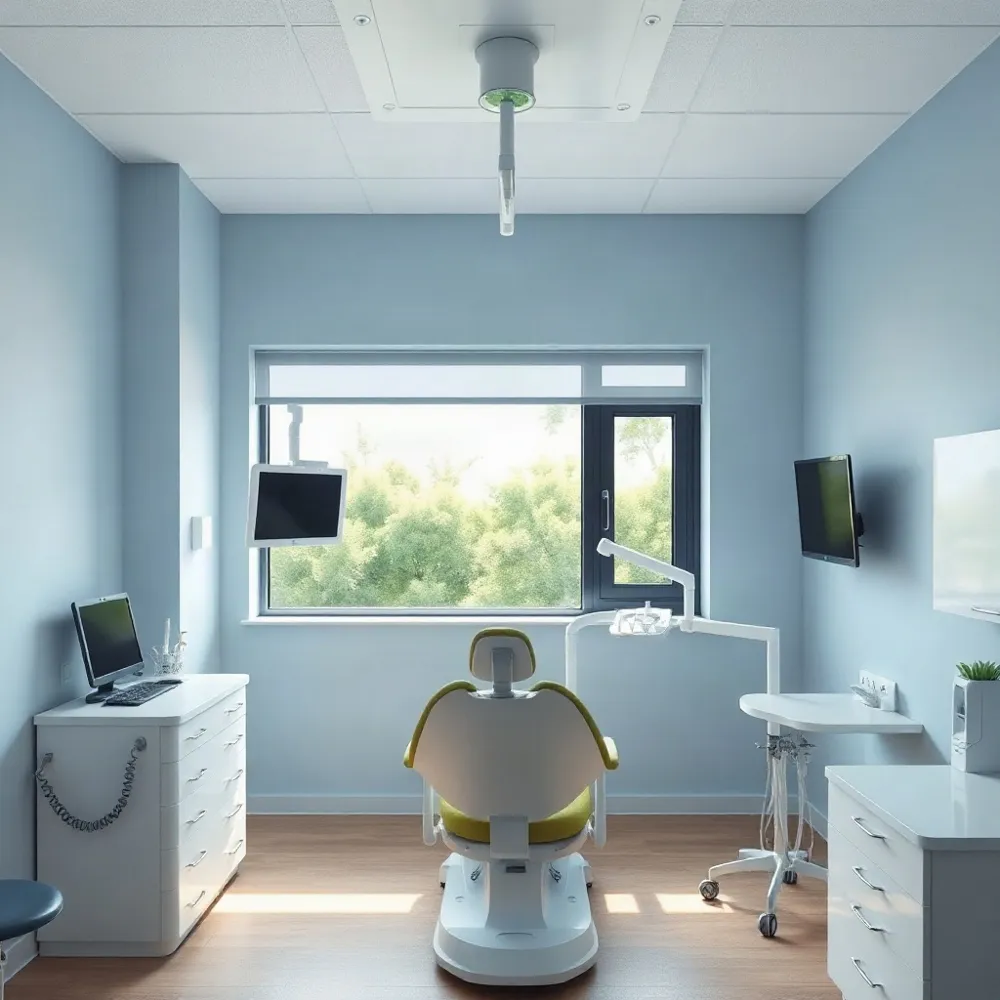
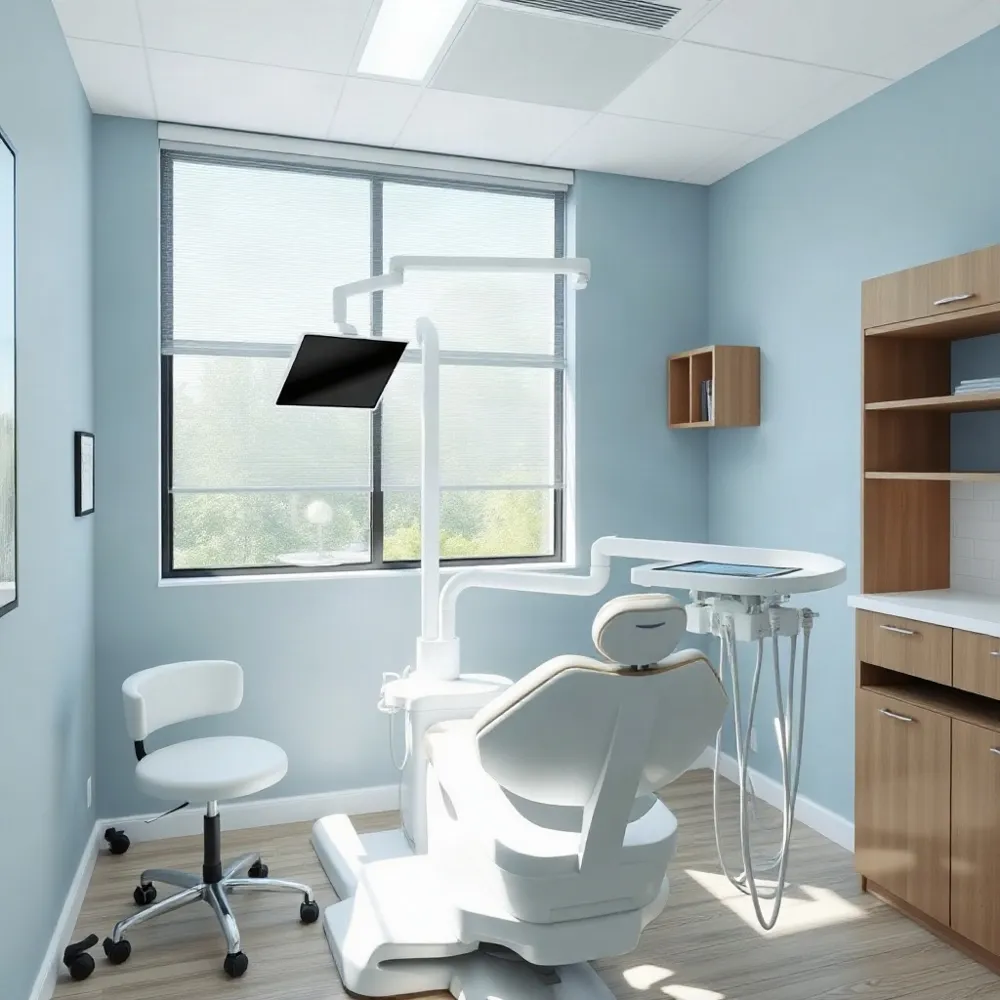
In addition to communication strategies, the physical environment plays a vital role in patient comfort. Dental clinics are increasingly designed with calming aesthetics, such as soothing color palettes and soft lighting, to create a welcoming atmosphere. Advanced technologies, like laser dentistry and digital imaging, not only improve treatment outcomes but also contribute to a less invasive experience for patients. By integrating these elements, dental professionals can foster a setting where patients are more likely to return, ultimately enhancing their overall dental health. ### Patient Comfort as a Cornerstone of Effective Care
Patient comfort is integral to the success of dental care. A comfortable setting encourages open communication between dentists and patients, leading to improved treatment adherence and satisfaction. When patients are relaxed, they are more likely to voice concerns and ask questions, allowing for tailored care that addresses their unique needs.
Various strategies are employed to ensure patient comfort. Sedation options, such as nitrous oxide and oral sedatives, can help manage anxiety during procedures, making dental visits more bearable for those who fear the dentist. Moreover, amenities like cozy blankets and noise-canceling headphones create a soothing environment, transforming the dental experience into a more enjoyable one. These efforts not only minimize anxiety but also promote a positive association with dental care, encouraging patients to attend regular check-ups.
By prioritizing patient comfort, dental practices enhance the quality of care provided. Patients who feel safe and valued during their dental visits are more likely to maintain good oral health, leading to improved long-term outcomes. This commitment to comfort is essential for building a loyal patient base and establishing a successful dental practice, ultimately benefiting the community at large.
The Role of Communication in Enhancing Patient Experience
Why is communication important in dental hygiene?
Communication is vital in dental hygiene because it fosters trust, ensures patients understand their oral health needs, and encourages adherence to treatment plans. Effective communication allows dental professionals to navigate barriers like patient apathy or cultural differences, as highlighted in studies where empathy, active listening, and nonjudgmental attitudes were critical for successful patient engagement. Research shows that active listening—processing words, summarizing to confirm understanding, and using clear, jargon-free language—strengthens patient-provider relationships and improves outcomes by ensuring mutual goals are aligned. Advanced communication skills also help address patient fears, educate on preventive care, and adapt to diverse backgrounds, reinforcing the compassionate, family-centered care Veenstra Family Dental prioritizes. By prioritizing these skills, dental teams can bridge gaps in health literacy, leverage technology for support, and create a welcoming environment that empowers patients to take charge of their oral health.
Leveraging Modern Technologies to Enhance Patient Comfort
### Advanced dental technologies for patient comfort
Modern dental clinics harness advanced technologies to elevate patient comfort while ensuring effective dental outcomes. Tools like laser dentistry, 3D intraoral scanners, and digital imaging replace invasive methods with precise, pain-free alternatives. Laser dentistry, for example, minimizes bleeding and healing time by offering targeted treatment, while 3D scanners eliminate the need for traditional, uncomfortable dental molds. These innovations allow for faster, more accurate diagnostics and less chair time—a major plus for patients who associate dental visits with extended procedures and discomfort.
### Use of telecommunication and digital tools in patient care
Beyond the dental chair, technology is transforming how clinics interact with patients. Secure messaging apps, teledentistry services, and online booking systems foster seamless communication and convenience. Patients receive reminders, pre-appointment instructions, and post-visit follow-ups through platforms designed for accessibility and privacy. Teledentistry, in particular, is a game-changer for busy schedules and special needs, enabling virtual consultations for early intervention and reducing the stress of in-person visits. These tools not only streamline communication but also empower patients to engage with their oral health journey from the comfort of home, enhancing satisfaction and long-term care adherence.
Creating a Relaxing and Supportive Dental Environment

Design elements that contribute to a comfortable dental setting
Thoughtful design plays a foundational role in a calming dental environment. Modern clinics incorporate warm lighting, soft music, and neutral color schemes to signal safety and reduce sensory overload. Waiting areas often feature inviting furniture, nature-themed artwork, and amenities like coffee stations or reading materials. In treatment rooms, ergonomic dental chairs with adjustable pressure points and heated cushions promote comfort, while knee pillows provide additional support during procedures.
Incorporating anxiety-relief techniques and amenities
Dental offices utilize amenities such as noise-canceling headphones, aromatherapy, and calming scents to reduce tension. Guided breathing exercises and mindfulness techniques may be introduced to help patients relax during procedures. Topical anesthetics, like GINGICaine from Gingi-Pak, with quick onset times and palatable flavors ensure procedures begin with minimal discomfort. Clinics also implement virtual reality systems and digital visualization tools to distract and soothe anxious patients, especially children or those with sensory sensitivities.
Strategies for Overcoming Communication Barriers in Dentistry
### What are communication strategies for overcoming language barriers in dentistry? To effectively address language barriers, Veenstra Family Dental utilizes professional interpreters through phone, video, or in-person services. This ensures accurate and clear communication with patients who speak languages other than English. Additionally, the clinic employs translation technologies such as Google Translate, enabling real-time, two-way interpretation during appointments. Another approach is pre-translating written materials like consent forms and treatment guides into patients' preferred languages. This minimizes misunderstandings and ensures informed decisions. The clinic also recruits bilingual staff or provides training for current team members, allowing patients to communicate more comfortably and build trust. Veenstra Family Dental also emphasizes cultural competence among its staff through specialized training to cater to the diverse needs of its patients with respect and empathy. These combined strategies enable the clinics in Midland Park, NJ, to maintain its commitment to inclusive and advanced dental care for all patients. ### ### What are common barriers to communication in healthcare and how can they be overcome? Dental communication often faces barriers like language and cultural differences, use of medical jargon, emotional distress, low health literacy, and environmental distractions. These factors can result in misinformation and a decrease in patient engagement. To counter these issues, Veenstra Family Dental simplifies language during appointments, offering patient-centered explanations. When required, professional interpreters are arranged to facilitate understanding. The dental practice fosters a culturally sensitive and welcoming environment where patients feel respected and valued. Emotional distress is mitigated by active listening and building trust through open dialogue, particularly during high-stress visits. Technology such as digital visual aids and telehealth services is employed to assist in explaining complex treatments and ensure accessibility for patients. With compassionate care and efficient communication strategies, patients are empowered to make informed decisions about their dental health, ultimately leading to positive dental results and confidence in their care.
The Importance of Staff Training in Patient Comfort

Staff Training in Communication and Empathy
Dentists and their teams receive ongoing training to improve their verbal and non-verbal communication skills, which are crucial for enhancing patient comfort and trust. This involves practicing active listening, maintaining positive body language, and using empathetic language to assure patients during procedures, ultimately reducing anxiety and fostering a relaxed environment.
Continuous Education to Stay Updated on Patient Comfort Techniques
Incorporating modern patient comfort strategies is essential, and continuous education helps dental staff learn about the latest advancements in technology and sedation techniques that increase patient satisfaction. For example, understanding how to use noise-cancelling headphones, laser dentistry, and digital tools for painless procedures enables professionals to adapt patient care to current best practices and individual needs.
What is the role of a dental hygienist in communication?
At Veenstra Family Dental, a dental hygienist’s role in communication is threefold: to actively listen and understand patient concerns, fostering trust; to simplify complex information using relatable language instead of jargon, ensuring clarity about oral health; and to build empathetic connections by addressing fears and validating feelings, creating a compassionate environment. By using open-ended questions, they engage patients in meaningful dialogues, uncovering habits and barriers to care that shape personalized treatment plans. Clear communication also involves leveraging visual aids and technology to enhance understanding, empowering patients to make informed decisions. This approach—rooted in empathy, clarity, and active listening—strengthens patient-provider relationships, promotes compliance, and ensures a comfortable, family-centered dental experience.
What is the dental hygienist's role in patient management?
The dental hygienist plays a pivotal role in patient management by establishing trust through compassionate communication, educating patients on oral health practices, and tailoring care to individual needs. They act as patient advocates, addressing concerns, alleviating anxiety, and fostering a positive experience through clear explanations of procedures and proactive listening. By prioritizing patient-centered care, hygienists help patients understand treatment plans, reinforce preventive measures, and ensure adherence to aftercare instructions for optimal outcomes. Additionally, they collaborate with the dental team to maintain a safe, welcoming environment while managing both clinical tasks and emotional support throughout the patient journey. This holistic approach aligns with Veenstra Family Dental’s commitment to modern, empathetic care that empowers patients to take ownership of their oral health.
Embracing a Future of Compassionate Dental Care
Looking ahead to innovations in patient comfort
Dental practices are continually integrating new technologies to enhance patient experiences. Innovations like virtual reality tools and noise-reduction equipment offer immersive distraction during procedures, while climate-controlled environments ensure a pleasant atmosphere. Advanced sedation techniques, including IV sedation and laser dentistry, are making dental visits less invasive and more comfortable for patients. These advancements prioritize patient well-being and allow for more tailored, stress-free treatment options for individuals of all ages and needs.
The lasting impact of patient-centered care
By placing the patient's preferences and emotions at the core of dental care, practices foster trust and long-term loyalty. Clear communication, empathy, and a focus on comfort ensure patients leave with a positive impression, increasing the likelihood of regular dental visits. This approach not only improves individual health outcomes but also strengthens the overall dental community by cultivating a positive culture around oral health. Modern dental services, rooted in compassion and personalized attention, are setting new standards for care that benefit both patients and professionals in the field.