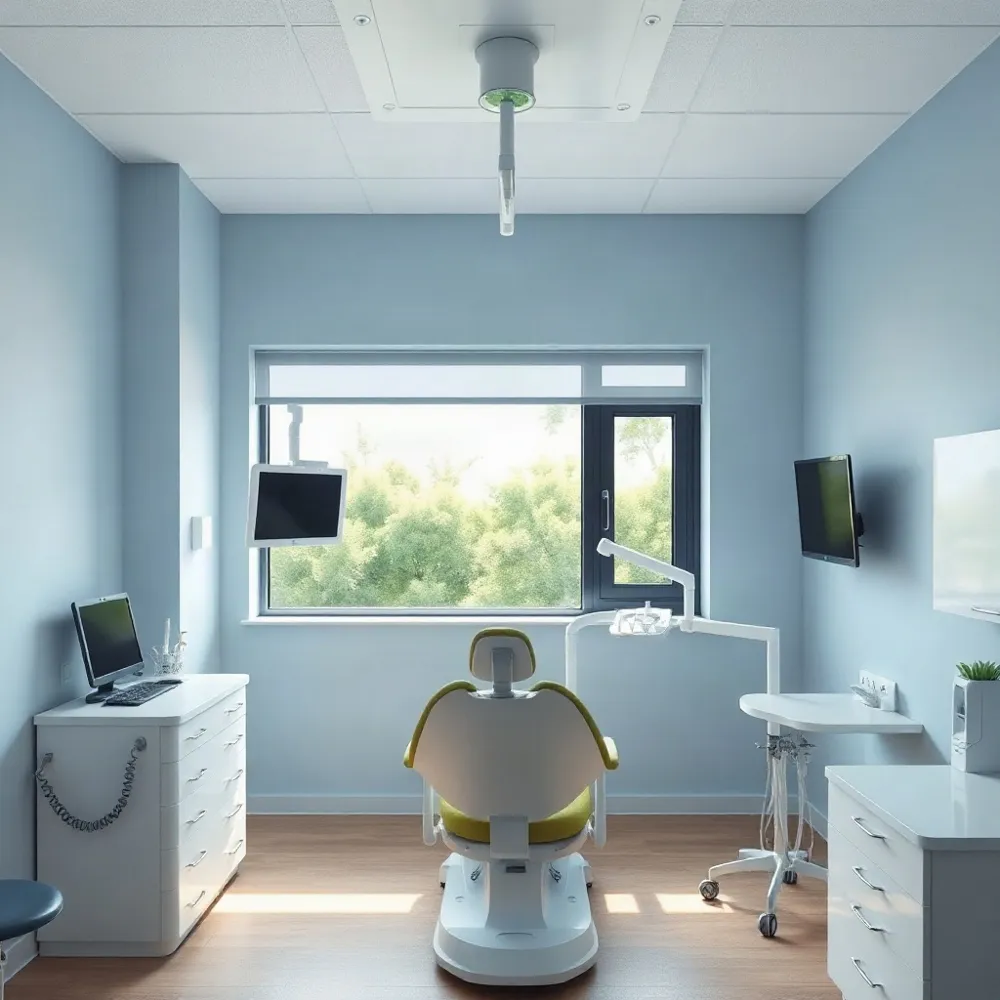
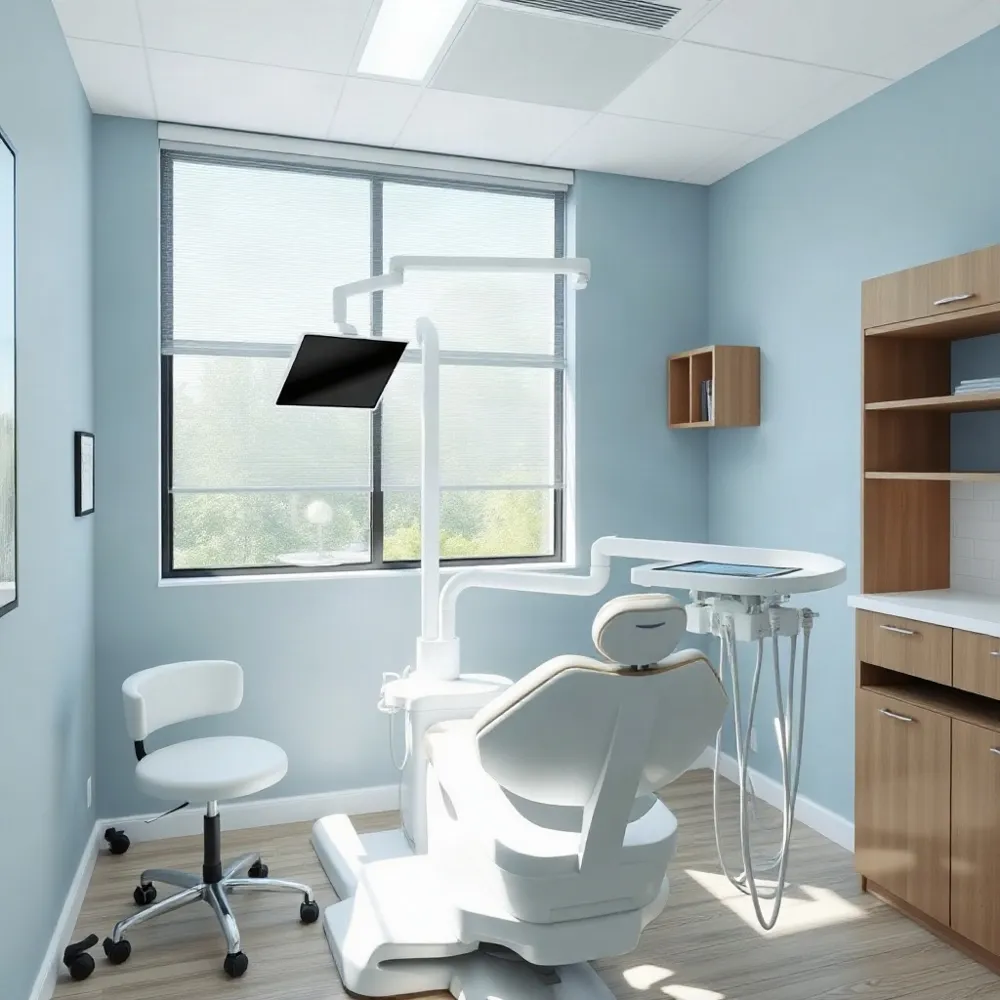
Introduction to Modern Restorative Dentistry
Understanding Restorative Dentistry
Restorative dentistry is a crucial branch of dental care focused on repairing or replacing damaged and missing teeth to enhance oral health, functionality, and aesthetics. It plays an essential role in maintaining the strength and integrity of your natural smile.
Common Restorative Procedures
This field includes various effective treatments tailored to different dental needs:
- Dental Fillings: Used to repair small cavities caused by decay.
- Crowns: Also known as caps, they cover and protect damaged or broken teeth.
- Dental Implants: Titanium posts that replace missing tooth roots, providing a stable foundation for artificial teeth.
- Bridges: Fixed prosthetics that replace one or more missing teeth by anchoring to adjacent natural teeth.
Benefits for Oral Health and Appearance
Restorative dentistry not only restores chewing and speaking abilities but also prevents further tooth damage. Treatments such as dental implants help maintain jawbone strength, preserving facial structure. These solutions improve smile aesthetics and boost confidence, contributing significantly to overall well-being.
Dental Fillings: The Foundation of Restorative Care
What are Dental Fillings Overview and why are they used?
Dental fillings are used to repair cavities caused by tooth decay. They restore the function and appearance of a damaged tooth, allowing you to chew and speak properly without discomfort.
What materials are commonly used for Types of Dental Fillings?
Fillings can be made from various materials including:
- Composite Resin Fillings (tooth-colored)
- Amalgam Fillings (silver-colored)
- Gold
- Porcelain
- Glass Ionomer Fillings
Composite resin is popular for its natural appearance, while amalgam is known for durability. Some materials are chosen based on the cavity's size, location, and aesthetic considerations.
What does the Dental Filling Procedure involve?
Here is the typical procedure:
- Numbing the tooth with local anesthesia
- Removing decayed tissue using dental instruments
- Filling the cavity with the chosen material
- If composite resin is used, curing it with a special light to harden the filling
- Polishing the filled surface
- Checking and adjusting your bite to ensure comfort
What benefits and potential complications are associated with Dental Fillings Overview?
Fillings help restore tooth strength and function, improve appearance, and prevent further decay. Possible complications include sensitivity to hot or cold, gum soreness, or occasional pain. Severe or persistent discomfort may signal deeper issues requiring additional treatment.
How long do Dental Fillings Overview last and how should you care for them?
Depending on the material and oral care, fillings can last between 10 to 20 years. Maintaining good oral hygiene, regular dental checkups, and avoiding excessive pressure on filled teeth help prolong their life.
Dental fillings are a fundamental part of Restorative dentistry, offering a reliable, effective solution to tooth decay and helping maintain oral health.
Advancing Tooth Replacement: Dental Implants Explained

What are dental implants and how do they work?
Dental implants Port Jefferson NY are tiny Titanium dental implants posts carefully placed into the Jawbone dental implants. Over time, these posts bond with the bone, creating a strong and stable Foundation for replacement teeth that look, feel, and function just like Natural-looking dental implants.
What does the implant procedure involve?
The Dental implant process duration typically includes two main Dental implant surgical stages. First, the implant posts are inserted into the Jawbone dental implants. Then, after a healing period that allows the implant to securely bond with the bone, Artificial teeth attachment to the posts occurs. This entire Implant placement procedure generally takes about six to eight months, ensuring a solid and long-lasting result.
What are the benefits of dental implants?
Dental implants Long Island offer numerous advantages beyond just replacing Missing teeth solutions. They help preserve facial structure by Preventing bone deterioration that commonly occurs when teeth are lost. This preservation maintains a natural facial appearance. Implants also restore the ability to chew a wide variety of foods comfortably (Eating with dental implants) and enable patients to smile confidently (Confident smile dental implants, significantly enhancing overall Quality of life dental implants.
Who are dental implants suitable for?
Ideal candidates are adults over 18 who are in good general health with sufficient jawbone density to support the implant. Personalized treatment plans help assess each patient's unique needs, ensuring the best outcome.
How do dental implants compare with other tooth replacement options?
Unlike dentures or bridges, Dental implants Port Jefferson NY directly integrate with the jawbone, offering superior stability and durability. While dentures can be removable and bridges rely on neighboring teeth for support, implants function and feel like natural teeth, making them the gold standard in tooth replacement.
Veenstra Family Dental: A Community Leader in Restorative Dentistry
What services are offered by Veenstra Family Dental?
Veenstra Family Dental offers a comprehensive range of dental care in Midland Park designed to meet the needs of patients of all ages. Their offerings include preventive care, Restorative dentistry, and advanced Dental implant solutions for lasting tooth replacement. Cosmetic options, including Invisalign treatment and teeth whitening help enhance smiles. Pediatric dental services is also part of their care, ensuring a family-focused approach.
How does Veenstra Family Dental provide compassionate dental care?
The practice emphasizes a welcoming and supportive environment tailored to individual patient needs. They focus on respectful communication and thorough education to help patients understand their treatments. Special accommodations are available for patients with unique needs, creating a comfortable experience for children and adults alike. Personalized treatment plans are developed to align with each patient’s goals and lifestyle.
What advanced technology does Veenstra Family Dental utilize?
Veenstra Family Dental integrates Innovations in Dental Technology to enhance treatment quality and patient comfort. They employ advanced implant techniques, use modern imaging for precise diagnostics, and offer laser therapy for minimally invasive procedures. The practice also provides CEREC same-day crowns, allowing efficient and accurate restoration.
How are restorative and cosmetic dentistry integrated?
By combining Restorative dentistry with cosmetic treatments, Veenstra Family Dental aims to improve both the function and appearance of your teeth. This integration allows patients to regain oral health while achieving an attractive smile. Their expertise in dental implants, crowns, and Invisalign ensures lasting results that contribute to overall well-being.
Veenstra Family Dental stands out in Midland Park, NJ, for its advanced technology, personalized and compassionate care, and a broad spectrum of restorative and cosmetic dental services tailored to families and individuals.
Innovations Transforming Restorative Dentistry Today
How Are Technological Advancements Impacting Restorative Procedures?
Modern restorative dentistry is experiencing a transformative shift thanks to cutting-edge technology. Techniques like CAD/CAM allow dentists to design and create restorations such as crowns with unmatched precision right in their offices. This reduces wait times significantly and ensures a better fit, providing patients with efficient, high-quality care.
What Role Do Digital Impressions, 3D Printing, and Same-Day Crowns Play?
Digital impressions are revolutionizing how dentists capture the detailed shape of your teeth without using traditional, uncomfortable molds. These digital scans serve as the blueprint for 3D Printing in Dentistry, which produces highly accurate dental prosthetics, including crowns, bridges, and aligners. The integration of these technologies supports CEREC same-day crowns, meaning patients can receive permanent restorations within hours rather than weeks.
How Is Laser Dentistry Changing Minimally Invasive Practices?
Laser dentistry offers precise, minimally invasive treatment options that reduce discomfort and promote faster healing. This method is used for various minimally invasive laser dentistry tasks, such as cavity removal and gum tissue management. Patients benefit from less bleeding, swelling, and sensitivity, enhancing the overall dental experience.
In What Ways Does Artificial Intelligence Enhance Diagnostics and Treatment?
Artificial Intelligence in Dental Diagnostics assists dentists by improving the accuracy of detecting cavities, gum disease, and other oral health issues through advanced imaging analysis. AI also helps create personalized treatment plans tailored to each patient's unique needs, ensuring more effective and timely interventions.
What Are Future Directions in Restorative Dentistry?
Emerging advances include regenerative dentistry with stem cells to repair damaged tissues and bioactive materials that stimulate natural enamel remineralization. The rise of smart dental devices, such as sensor-equipped toothbrushes, empowers patients to monitor and improve their oral hygiene. Teledentistry and Virtual Consultations continues to expand access to care, allowing remote consultations and personalized guidance.
These innovations collectively enhance treatment outcomes, patient comfort, and the efficiency of restorative dentistry care, promising a future where dental health maintenance is more precise, accessible, and patient-friendly.
Maintaining Oral Health with Restorative Dentistry: Patient Guidance

Why Are Regular Dental Checkups Important?
Regular dental visits are essential to monitor the health of your restorations like dental fillings and crowns, dental implants, and implants. These checkups help dentists detect early signs of problems such as decay beneath fillings or implant issues before they worsen. Routine exams also reinforce good oral hygiene habits that support the longevity of your restorations.
What Aftercare Is Needed for Fillings, Implants, and Crowns?
After restorative procedures, proper care is vital. For fillings, avoid chewing hard foods immediately and maintain gentle brushing to reduce sensitivity. Dental implants require meticulous oral hygiene to prevent gum infections and ensure the titanium post bonds well with the bone. Crowns should be cared for like natural teeth, brushing twice daily and flossing to prevent decay at the margins.
How Can You Recognize Signs of Complications?
Watch for symptoms such as persistent tooth sensitivity, gum soreness, swelling, throbbing pain, or bite problems. These could indicate issues like filling breakage, infection, or problems with an implant or crown fit. Early detection allows timely treatment, avoiding more invasive procedures.
How Does Restorative Dentistry Prevent Further Damage and Infection?
By repairing damaged or missing teeth, restorative dentistry stops decay spread, preserves jawbone integrity, and maintains proper chewing function. Dental implants, in particular, stimulate bone health, preventing facial structure deterioration. This proactive approach reduces risks of tooth loss and oral infections.
What Are the Overall Benefits to Oral Function and Aesthetics?
Restorative treatments restore your ability to chew, speak, and confident smile dental implants. They improve bite stability and provide a natural appearance that enhances self-esteem. Modern materials and techniques offer durable, life-like restorations tailored to each patient's needs.
Maintaining close communication with your dental team and following their care advice will maximize your restorative treatment success and support lifelong oral health.
The Future of Restorative Dentistry and Patient Wellness
Comprehensive Restorative Solutions
Restorative dentistry offers a spectrum of options to repair or replace damaged and missing teeth, ranging from dental fillings and crowns to bridges and advanced implants. These treatments restore both the function and appearance of teeth, enhancing oral health and confidence.
Advancements Enhancing Care
Cutting-edge technologies, such as 3D printing, laser dentistry, and digital impressions, have revolutionized treatment precision and comfort. Procedures are now less invasive with faster recovery, supported by compassionate care that prioritizes patient comfort and education.
Personalized Treatment Plans
Dental professionals focus on crafting individualized plans tailored to each patient's unique needs and lifestyle. This approach ensures optimal outcomes and encourages patients to engage in modern restorative options proactively.
Ongoing Innovations
Looking ahead, innovations like teledentistry, AI diagnostics, and regenerative therapies promise even better patient experiences and long-term oral health.
Encouraging Patient Engagement
Patients are encouraged to explore these modern solutions to maintain and improve their smiles, benefiting from treatments that support functionality and overall wellness.
Vision for the Future
The future of restorative dentistry is bright, with continual improvements aimed at enhancing patient quality of life through advanced, personalized, and compassionate dental care.