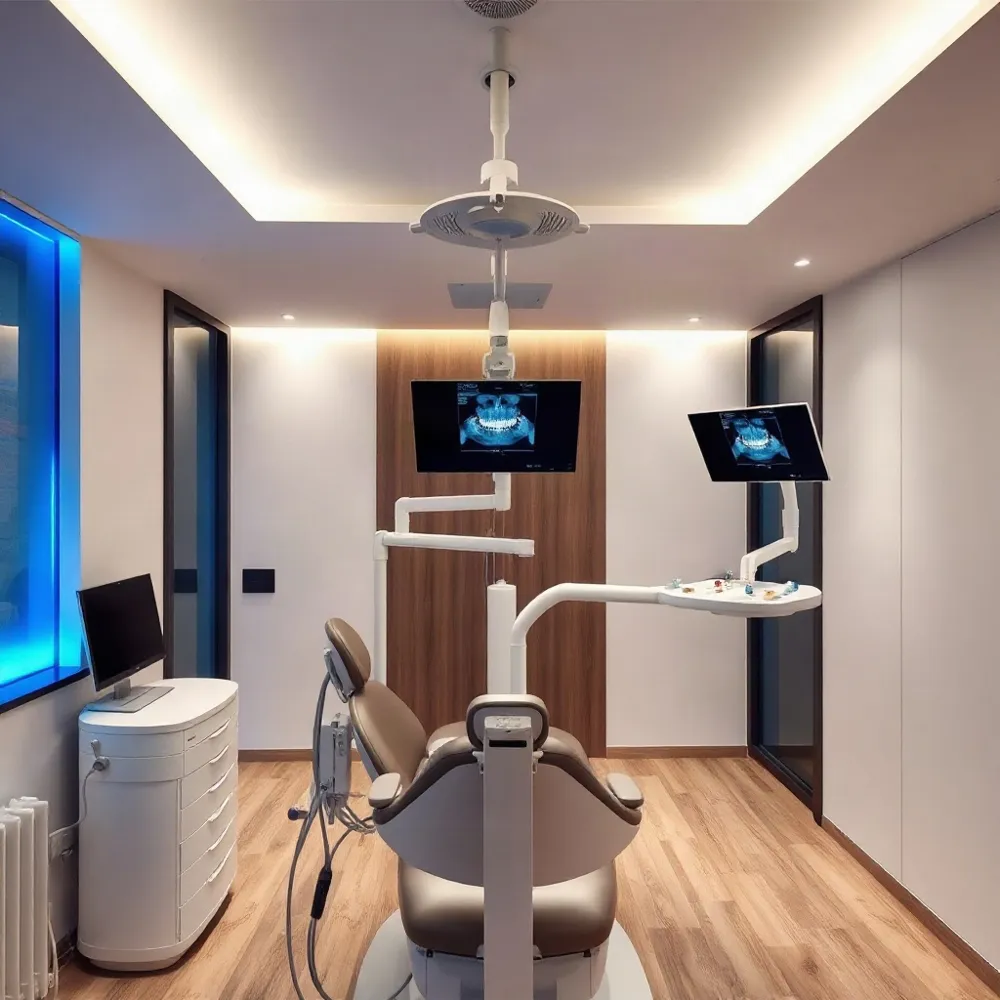
A New Era in Dental Restorations
Nanotechnology works with particles smaller than 100 nanometers, giving dental materials new properties.
How Nanofillers Transform Fillings
Nanofillers like nano‑silica and nano‑hydroxyapatite pack tightly into composite resins. This boosts compressive strength, reduces shrinkage, and creates a smoother surface that resists plaque and staining.
Benefits for Patients and Practitioners
Patients enjoy longer‑lasting, natural‑looking fillings with fewer replacements. Practitioners appreciate easier placement, deeper light curing, and stronger bonds—supporting minimally invasive, personalized care in a welcoming practice.
How Nanotech Strengthens Fillings

What dental filling materials are available today?
Today’s options include silver amalgam, tooth-colored composite resin, glass ionomer, and indirect restorations like porcelain. Nanotechnology has revolutionized composite resins by incorporating nano‑silica, nano‑zirconia, and nano‑hydroxyapatite fillers. These ultra‑small particles (≤100 nm) allow a high filler load—up to 80 % by weight—boosting compressive strength to 300–350 MPa and significantly improving wear resistance. They also reduce polymerization shrinkage, creating a tighter marginal seal that helps prevent secondary decay.
Are modern dental fillings as strong as traditional silver ones?
Yes. Nano‑filled composites achieve compressive strengths comparable to or exceeding those of traditional amalgam while offering superior aesthetics. Their nanofillers create a reinforced hybrid layer, yielding bond strengths up to 30 % higher than conventional composites. Clinical studies show these restorations withstand normal chewing forces for 5–15 years with fewer replacements, maintaining color stability and surface smoothness over time. When placed with proper technique, they provide a durable, natural‑looking alternative for both front and back teeth.
Antimicrobial and Remineralizing Innovations
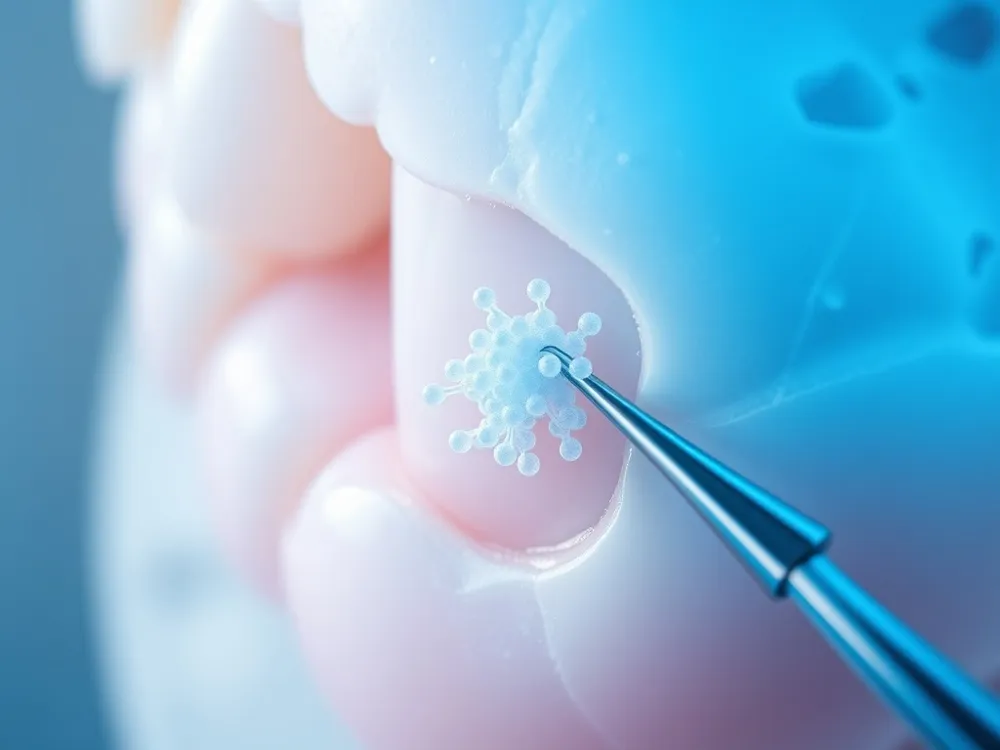 Silver and zinc‑oxide nanoparticles embedded in sealants and composite resins provide sustained antibacterial activity against Streptococcus mutans, reducing plaque accumulation and the risk of secondary caries. These nano‑agents disrupt bacterial cell walls without harming surrounding tissues, making them a safe addition to modern restorations.
Does nano‑hydroxyapatite toothpaste really help teeth?
Yes. Nano‑hydroxyapatite (n‑HAP) toothpaste delivers calcium‑phosphate nanocrystals that fill microscopic enamel cracks and restore mineral loss. Scientific studies show n‑studies show n‑HAP matches fluoride’s efficacy in repairing while being non‑toxic for all ages. The particles also create a tooth surface, reducing staining and improving whiteness over time.
How does nanotechnology improve preventive dentistry?
Nanoparticle‑based sealants and rinses enhance plaque resistance and promote remineralization. Silver, zinc‑oxide, and n‑HAP particles reduce cariogenic bacteria and secondary decay. These nano‑engineered materials maintain excellent polishability and aesthetics, encouraging better oral‑hygiene habits. Patients also report postoperative sensitivity due to the tighter marginal seal and sustained ion release that buffers acidic by‑products.
Clinical Performance and Longevity
Reduced polymerization shrinkage and micro‑leakage
Nanofilled composites shrink less during curing (≈1.5 %) compared to older microfilled materials (≈3 %). This lower shrinkage minimizes marginal gaps, reducing the risk of secondary caries and postoperative sensitivity. A tighter seal also protects the tooth‑restoration interface from bacterial infiltration, contributing to longer‑lasting fillings.
Bond strength and durability of nanofilled composites
Thanks to their high surface‑area nanoparticles, nanofilled composites achieve bond strengths up to 30 % higher than traditional composites. The nano‑fillers create a more homogeneous hybrid layer with dentin, enhancing adhesion and resisting degradation over time. As a result, these restorations show a 20–30 % reduction in failure rates over five years.
Patient outcomes: sensitivity, lifespan, and the 2‑2‑2 rule
Patients report fewer postoperative sensitivities with nanocomposites. Fillings typically last 5 to 10 years with proper care; posterior restorations under heavy chewing may need replacement every 3 to 5 years.
What is the 2‑2‑2 rule in dentistry? This simple guideline promotes optimal oral health: brush twice a day, for two full minutes each session, and visit your dentist twice a year. Brushing for two minutes ensures thorough plaque removal, while semi‑annual checkups catch problems early.
How long does nanofill composite bonding last? With good hygiene and regular visits, nanofill composite bonding typically lasts 5 to 10 years. Front‑tooth bonding often reaches the upper range due to lower chewing forces, while posterior restorations may need replacement every 3 to 5 years.
Veenstra Family Dental: Cutting‑Edge Care
Veenstra Family Dental: Cutting‑Edge Care
Veenstra Family Dental combines digital X‑rays (up to 90% less radiation), high‑resolution intra‑oral cameras, and [cone‑ and cone‑beam CT for thorough diagnosis. CAD/CAM technology designs and mills same‑day crowns, veneers, and onlays, while soft‑tissue lasers treat gum disease gently. All these tools work with nanotech‑enhanced composites and adhesives. Nano‑silica and nano‑hydroxyapatite particles fillings increase strength, reduce shrinkage, and promote enamel remineralization. Silver nanoparticles inhibit bacteria, lowering cavity risk. The result: durable, natural‑looking restorations often lasting over a decade.
Routine cleaning costs $100‑$200, composite fillings $150‑$250, and crowns $200‑$400. The practice offers flexible payment plans to keep advanced, personalized care accessible for families.
Beyond Fillings: Future Directions
Can a dentist detect lymphoma during a routine exam?
Yes. During an oral cancer screening, dentists palpate the neck, chin, and lymph nodes for swelling. Enlarged nodes can signal lymphoma, prompting a medical referral. Future nanobiosensors could detect biomarkers even earlier, enabling noninvasive diagnosis before symptoms appear.
Is Medicare coverage available for dental implants?
Original Medicare generally excludes routine implants, but may cover dental care tied to a covered procedure. Medicare Advantage plans often include dental benefits, sometimes with implant coverage. Nanodiamond and nano-ceramic coatings improve implant osseointegration and durability, making these restorations more reliable.
Self-healing and smart restorative materials
Nanotechnology enables fillings that repair themselves. Microcapsules in the composite release monomers when cracks form, restoring integrity. Smart materials also sense oral pH changes and release antimicrobial or remineralizing agents, reducing secondary caries and extending restoration lifespan.